
The term diet tea has become one of the most searched phrases among people eager to lose weight naturally. For many, losing weight is the primary motivation behind trying these teas. Yet behind its popularity lies a maze of confusion. The market overflows with everything from authentic teas like green tea and oolong to questionable “detox” blends claiming to melt away body fat overnight.
So, does diet tea really work? This article will explore the relationship between tea and weight loss, examining what research says about its effectiveness. The truth lies between science and tradition. While no tea can serve as a magic bullet, certain varieties—supported by animal and human studies—can gently promote fat burning, enhance energy expenditure, and help you consume fewer calories as part of a balanced lifestyle.
This guide breaks down the major types of weight loss teas, explains how they work, highlights which authentic teas offer weight loss benefits as supported by research, and shows you what to look for when choosing a safe and effective option.
What Qualifies as a “Diet Tea”?
Broadly, a diet tea is any tea marketed or traditionally used to support weight management. But not all are equal. They generally fall into three main categories:
- Traditional Teas: Authentic teas like green, black, oolong, white, and pu-erh derived from Camellia sinensis. These teas are available in various forms, including loose leaf and tea bags. There are many varieties of green teas, each with unique nutritional content and suitability for weight management—plain, minimally processed green teas are often considered most effective. They contain powerful plant compounds such as tea catechins that aid fat oxidation and improve energy metabolism.
- Herbal Blends: Caffeine-free infusions using natural herbs such as ginger, peppermint, and fennel that help digestion and may reduce bloating.
- Commercial “Detox” Products: Aggressive slimming teas that rely on laxatives or diuretics to create the illusion of quick weight loss.
Understanding this spectrum helps you choose teas that genuinely support your wellness goals instead of ones that put your health at risk.
Traditional Teas That Promote Weight Loss Benefits
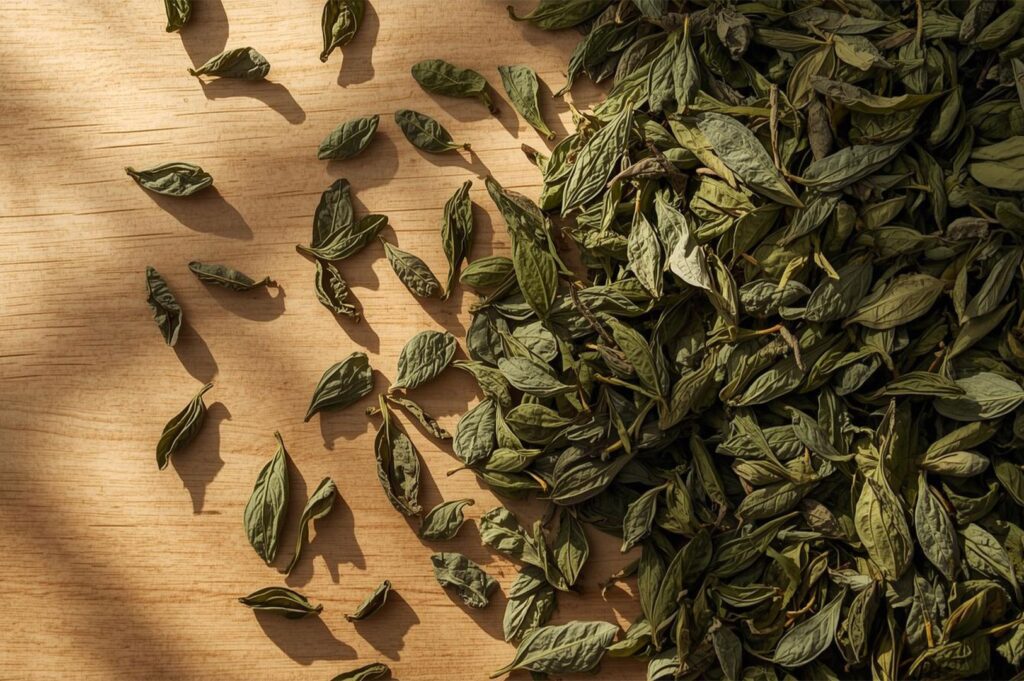
Teas from the Camellia sinensis plant are celebrated worldwide for their health benefits. They contain catechins, caffeine, and other bioactive compounds that enhance fat burning and improve body composition when consumed consistently.
Overall, tea’s effects on weight management and overall health are linked to these bioactive compounds, which may support metabolism, fat oxidation, and other beneficial outcomes.
Green Tea Extract and How It Helps You Lose Weight
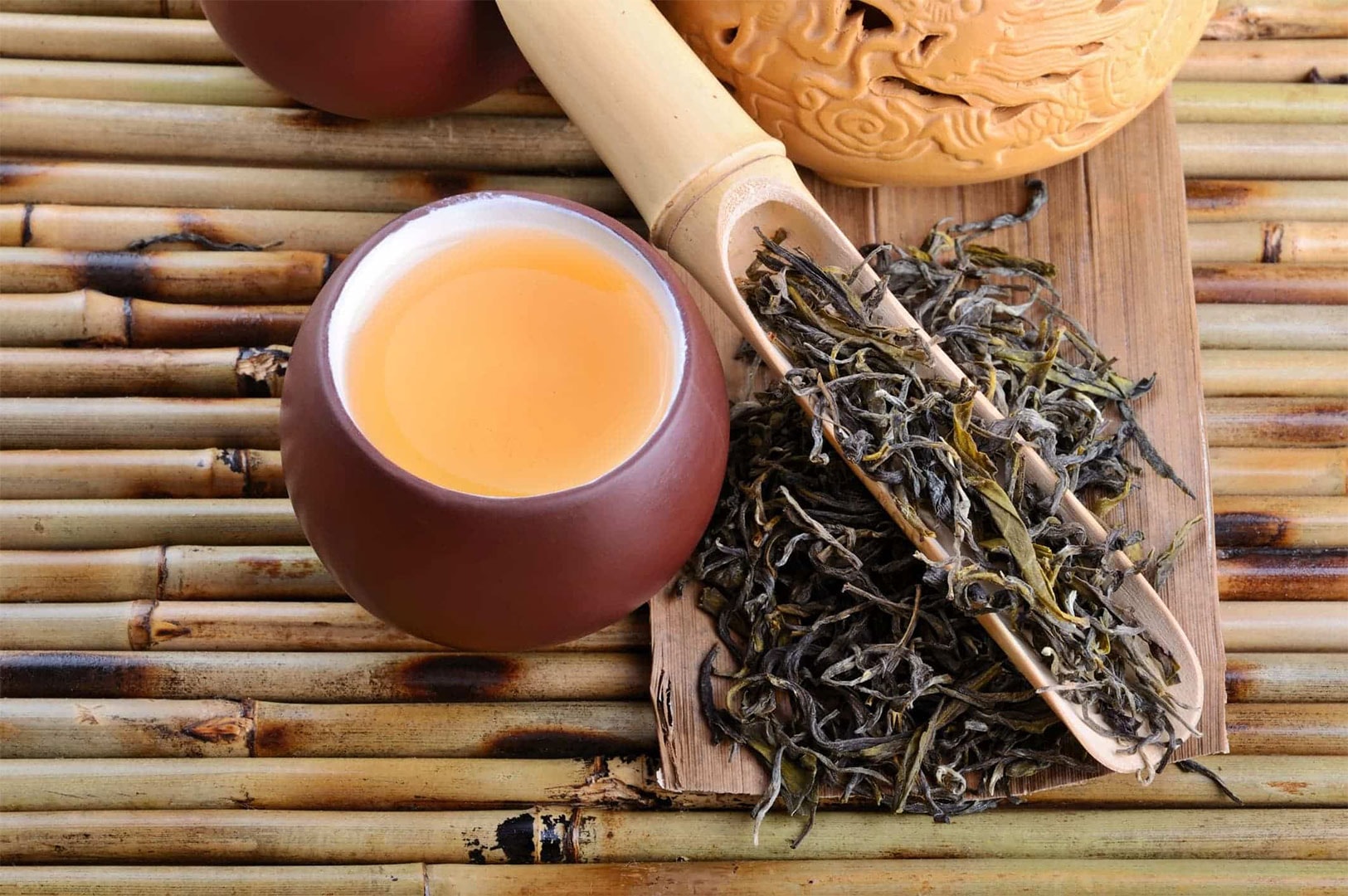
Green tea is the most researched tea for weight loss and a trusted choice for anyone seeking to burn body fat safely. It’s rich in green tea catechins, particularly epigallocatechin gallate (EGCG), which work synergistically with caffeine to increase energy expenditure and fat oxidation. Consuming green tea provides a source of these antioxidants, which have been linked to increased fat oxidation and potential weight loss benefits.
Regular green tea consumption has been shown in randomized controlled trials and dose-response meta-analyses to slightly lower body weight and body mass index (BMI). These effects are modest but consistent, especially when paired with an exercise plan and balanced diet. Green tea may help reduce visceral fat and support weight management, though results can vary.
Drinking 2–3 cups of green tea daily or incorporating green tea extract supplements can offer gentle but measurable support. Green tea extracts are concentrated formulations that contain higher levels of catechins and EGCG, which may further support weight loss. Studies suggest that green tea supplementation helps people maintain weight loss, enhance fat breakdown—a process that involves the mobilization of fatty acids from fat cells to be used as energy—and encourage fatty acid mobilization during exercise. Green tea may help you burn more calories by increasing energy expenditure, even at rest. These effects can contribute to a reduction in caloric intake when green tea is used to replace higher-calorie beverages. Green tea catechins and caffeine work together to aid fat loss by promoting fat oxidation and metabolic rate.
For a deeper exploration of green tea for weight management, read our detailed guide: Does Green Tea Help to Lose Weight? The Role of Green Tea Extract and Green Tea Preparations in Weight Management.
Oolong Tea: A Traditional Fat-Burning Tea
Positioned between green and black tea in oxidation, oolong tea contains a unique blend of polyphenols that may assist with fat oxidation and energy metabolism. Some human studies suggest that oolong can help burn fat during rest and post-exercise, supporting fat loss and maintaining a healthy body composition.
Traditionally enjoyed throughout the day, oolong offers a smooth, fragrant cup that complements a balanced diet. Beyond potential weight loss benefits, oolong may also aid in regulating cholesterol levels and digestive comfort.
Pu-erh Tea and Its Beneficial Effects on Body Fat
Originating from Yunnan, China, pu-erh tea is a fermented variety rich in probiotics and bioactive compounds. Research on obese mice and human studies suggests that pu-erh tea can help reduce visceral fat and improve lipid metabolism.
Because of its digestive and cleansing properties, pu-erh is often consumed after meals to aid fat digestion. Its earthy flavor and low astringency make it ideal for daily tea drinking routines that support gentle fat burning over time.
White Tea and Its Gentle Support for Weight Management
White tea—the least processed of all teas—contains the same plant compounds found in green tea, though in milder amounts. Studies indicate that white tea may help inhibit the formation of new fat cells while promoting the breakdown of stored fat.
For caffeine-sensitive individuals, white tea offers a lighter option with similar anti-obesity effects. Premium types like Silver Needle and White Peony are appreciated for their soft aroma and subtle fat-burning effects.
Black Tea and the Role of Polyphenols in Weight Control
Black tea contains different types of polyphenols called theaflavins and thearubigins, which may positively influence gut microbiota and energy metabolism. When used as a replacement for sugary beverages, drinking black tea helps you consume fewer calories and can aid in gradual fat loss.
Both green and black tea are supported by systematic reviews showing modest yet meaningful contributions to body weight control. Maintaining the same weight requires a balance between calorie intake and expenditure, and black tea may help support this balance.
Commercial Detox Teas and the Risk of Misleading “Fat-Burning” Claims
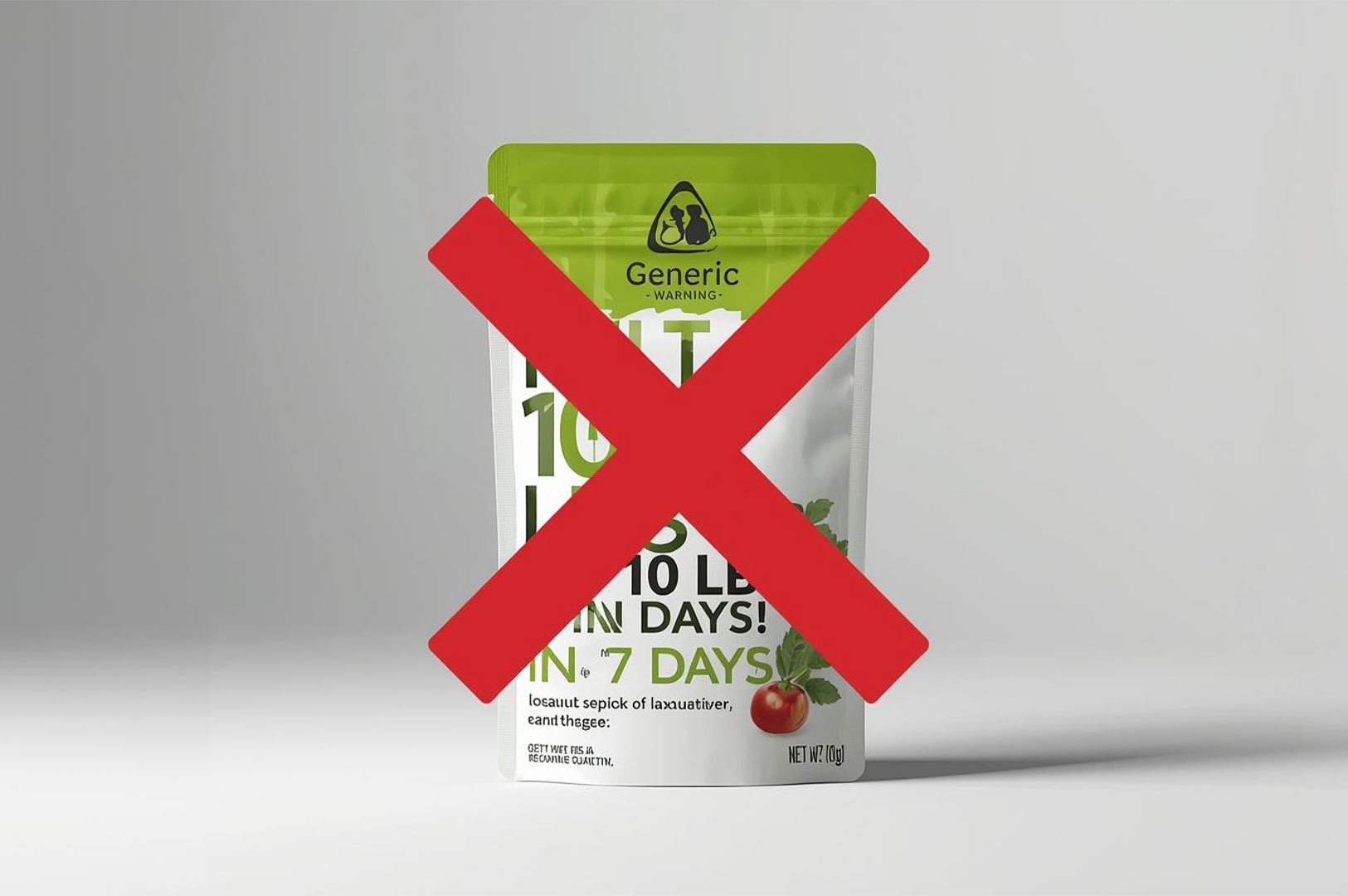
The rise of commercial detox teas has blurred the line between wellness and marketing hype. Many products make exaggerated claims, promising rapid weight loss benefits without scientific backing. Be cautious of teas that:
- Promise dramatic results in days.
- Hide ingredient amounts behind “proprietary blends.”
- Encourage replacing meals with a tea bag drink.
- Contain laxative ingredients that can cause dependence.
These products distort healthy expectations and can lead to eating disorders, dehydration, or even long-term digestive problems. Real tea’s effects are subtle, sustainable, and grounded in consistent use, not extreme quick fixes.
How Drinking Tea Actually Helps You Lose Weight
When used wisely, tea for weight loss can genuinely help you lose weight and burn fat—but only as part of an overall healthy routine. The mechanisms include:
- **Metabolic Enhancement:**Green tea catechins and caffeine increase fat oxidation and energy expenditure.
- Calorie Replacement: Swapping sugary drinks for brewed green tea or black tea helps you consume fewer calories daily.
- Improved Digestion: Herbal infusions support gut comfort and reduce bloating.
- Hydration and Mindfulness: Regular drinking tea rituals support hydration and mindful eating habits.
- Support for Fat-Burning Hormones: EGCG may influence hormones that regulate fat burning and energy metabolism.
These strategies not only assist with weight loss, but also help prevent weight gain by supporting healthy metabolic processes.
Further research and more randomised controlled trials continue to explore the effects of green tea and supplement form extracts on body fat reduction and BMI improvement.
Choosing Quality Diet Tea for Safe Weight Management
Selecting a good diet tea is about transparency and authenticity. Use this quick checklist:
- ✅ Clear ingredient list with authentic teas or recognizable natural herbs.
- ✅ No laxatives or artificial additives.
- ✅ Focus on wellness, not unrealistic promises.
- ✅ Transparent sourcing and ethical production.
- ✅ Sold by trusted tea merchants—not fad detox brands.
Tea Manor Singapore: Your Trusted Source for Authentic Weight Loss Teas
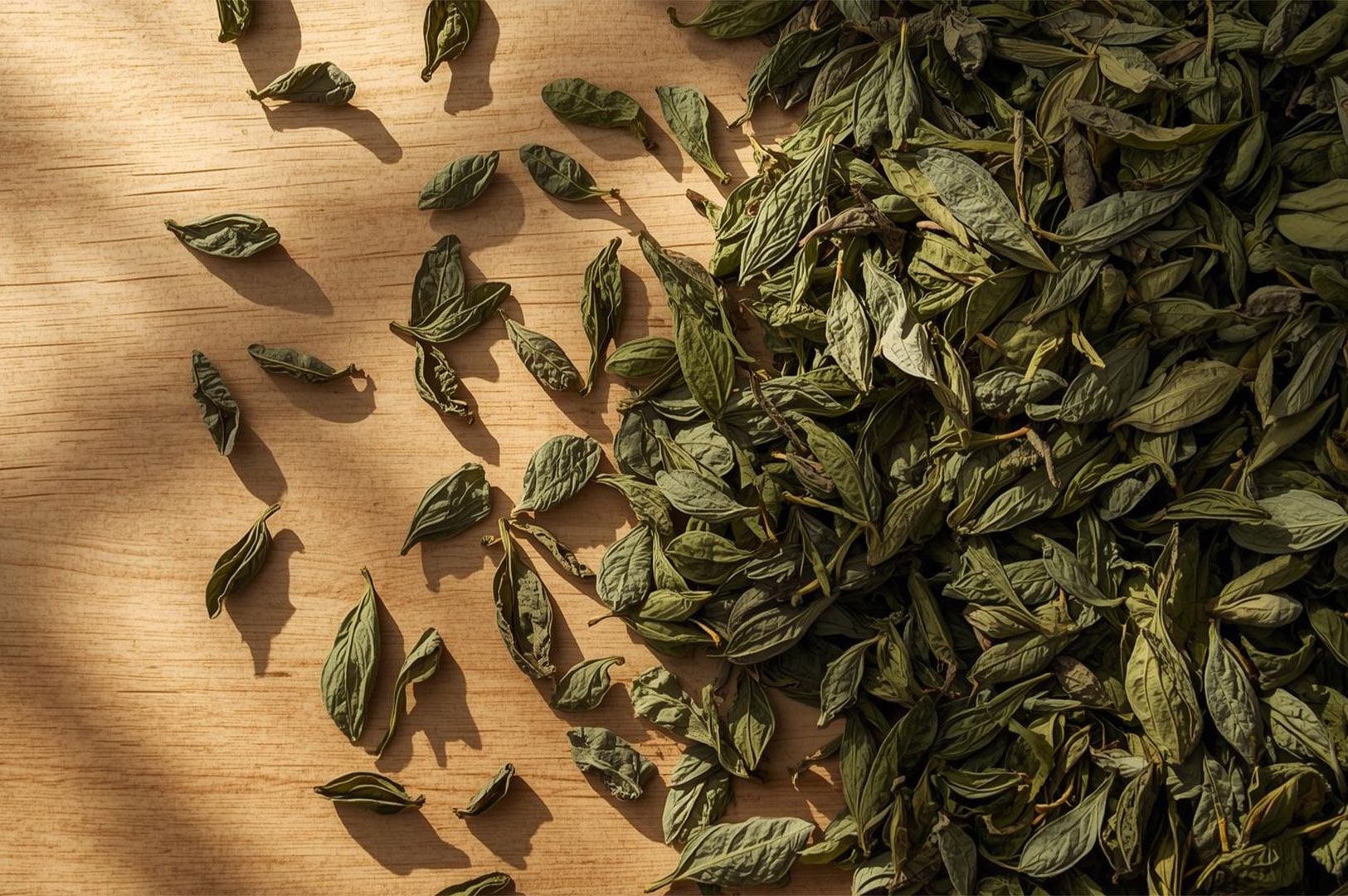
In a market filled with risky “detox” products, Tea Manor Singapore stands for honesty, education, and quality. We curate authentic green, oolong, white, and pu-erh teas from reputable estates—teas proven to promote weight management and support holistic wellness.
Our philosophy is simple: tea should enhance your life, not control it. Whether you prefer green tea supplements, brewed green tea, or exploring new varieties, we provide expert guidance and realistic expectations. Discover authentic, research-backed tea for weight loss at Tea-Manor.com.sg, where quality always comes first.
Practical Guidelines for Drinking Green Tea and Other Weight Loss Teas
To experience real weight loss benefits and fat burning effects, consistency is key.
- Drink 2–3 cups of green tea daily.
- Enjoy caffeinated teas in the morning or early afternoon.
- Use fresh tea leaves or a high-quality tea bag for each brew.
- Never use tea as a meal replacement.
- Combine with a balanced diet and regular exercise.
- Stay hydrated with plain water too.
If you have a high risk medical condition or take medication, consult a healthcare professional before starting green tea supplementation or pill form green tea extract supplements, as high doses can cause side effects in sensitive individuals.
Conclusion: The Real Role of Diet Tea in Weight Loss
So, does diet tea work? Yes—when you understand its true potential. Authentic teas like green, oolong, pu-erh, white, and black tea can modestly support fat loss, help burn body fat, and improve body composition.
But beware of slimming teas and “detox” products that rely on laxatives and false promises. Sustainable weight management comes from drinking green tea, eating a balanced diet, staying active, and practicing consistency—not quick fixes.
The best diet tea is one you enjoy daily, brewed with intention and authenticity. At Tea Manor Singapore, we believe in teas that stand the test of time—guided by science, rooted in tradition, and crafted for your well-being.
Top 7 Best Teas for Weight Loss: Evidence-Based Options Ranked
The search for the best teas for weight loss is one of the most popular starting points for any wellness journey. While no single tea can instantly melt away body fat, certain teas contain natural compounds that can promote weight loss, boost metabolism, and help manage appetite. The key is consistency—drinking tea daily as part…

Does Diet Tea Work? Comparing Options for Safe and Effective Weight Management
The term diet tea has become one of the most searched phrases among people eager to lose weight naturally. For many, losing weight is the primary motivation behind trying these teas. Yet behind its popularity lies a maze of confusion. The market overflows with everything from authentic teas like green tea and oolong to questionable…
Does Green Tea Help To Lose Weight? The Role of Green Tea Extract, Drinking Green Tea, and Green Tea Preparations in Weight Management
For thousands of years, green tea has been revered in Asian cultures for its health-promoting properties. But can this ancient beverage actually help you lose weight, or is it just another overhyped health trend? The answer lies somewhere between the marketing hype and scientific reality. While green tea won’t magically melt away pounds overnight, decades…
Is Green Tea Caffeine? Everything You Need to Know
Green tea has long been celebrated for its health benefits and calming properties. It is a popular tea worldwide, known for its cultural significance and widespread consumption. Both green tea and black tea are made from the Camellia sinensis plant, also known as the tea plant. These teas come from the same plant, camellia sinensis,…
Is Green Tea Healthy? 7 Science-Backed Advantages of Green Tea
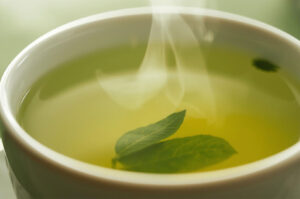
Is green tea healthy? The short answer is a resounding yes. For thousands of years, this beverage from the Camellia sinensis plant has been celebrated not only for its soothing taste but also for its numerous health benefits. Modern research continues to validate what tradition long suggested: drinking green tea regularly offers powerful advantages for…
The Complete Guide to Drinking Green Tea: Health Benefits, Brewing Techniques, and Cultural Traditions
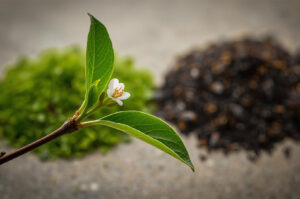
For over 4,000 years, drinking green tea has been more than just a beverage choice-it’s been a pathway to wellness, mindfulness, and cultural connection. A cup of green tea offers potential health benefits, as highlighted by a growing body of science green tea research exploring its positive effects. Today, as scientific research continues to unveil…
Butter Tea Nutrition: Survival Through Tea in High Altitudes
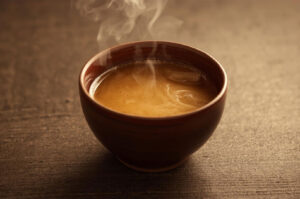
Imagine waking up to a world where the air is thin and every breath feels like an effort. The wind outside is sharp, cutting across snow-covered peaks that stretch endlessly toward the sky. This is life at high altitudes-where the human body must constantly adapt to reduced oxygen levels, cold climatic conditions, and intense physical…

From Street Corners to Family Homes: The Social Geography and Cultural Significance of Indian Chai Culture
The air hangs thick with the sweet, spicy aroma of cardamom, ginger, and cloves mingling with the robust scent of boiling black tea and milk. The rhythmic clinking of glass against metal, the hiss of the gas stove, and the low hum of conversation create a familiar soundtrack. This is the sensory world of Indian…
Seasonal Aesthetics in the Korean Tea Ceremony: Reflecting Nature’s Rhythm and Subtle Beauty
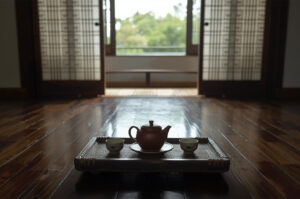
Imagine sitting in a quiet, sunlit hanok-a traditional Korean house-its polished wooden floors warm beneath you. Before you rests a simple tea tray adorned with earthenware cups and a graceful teapot, each featuring intricate designs that showcase the detailed craftsmanship and artistry of Korean teaware. Outside, a soft breeze carries the aroma of blossoming flowers….

The Samovar’s Role in Russian Tea Culture: How This Unique Device Shaped Russian Tea Tradition
Picture a cozy room in the heart of a Russian winter, snow blanketing the world outside. Inside, at the center of a family table, stands a gleaming metal urn, steam gently puffing from its chimney. This is the samovar-the traditional self-boiler that has shaped Russian tea culture for centuries. More than a tool to heat…