
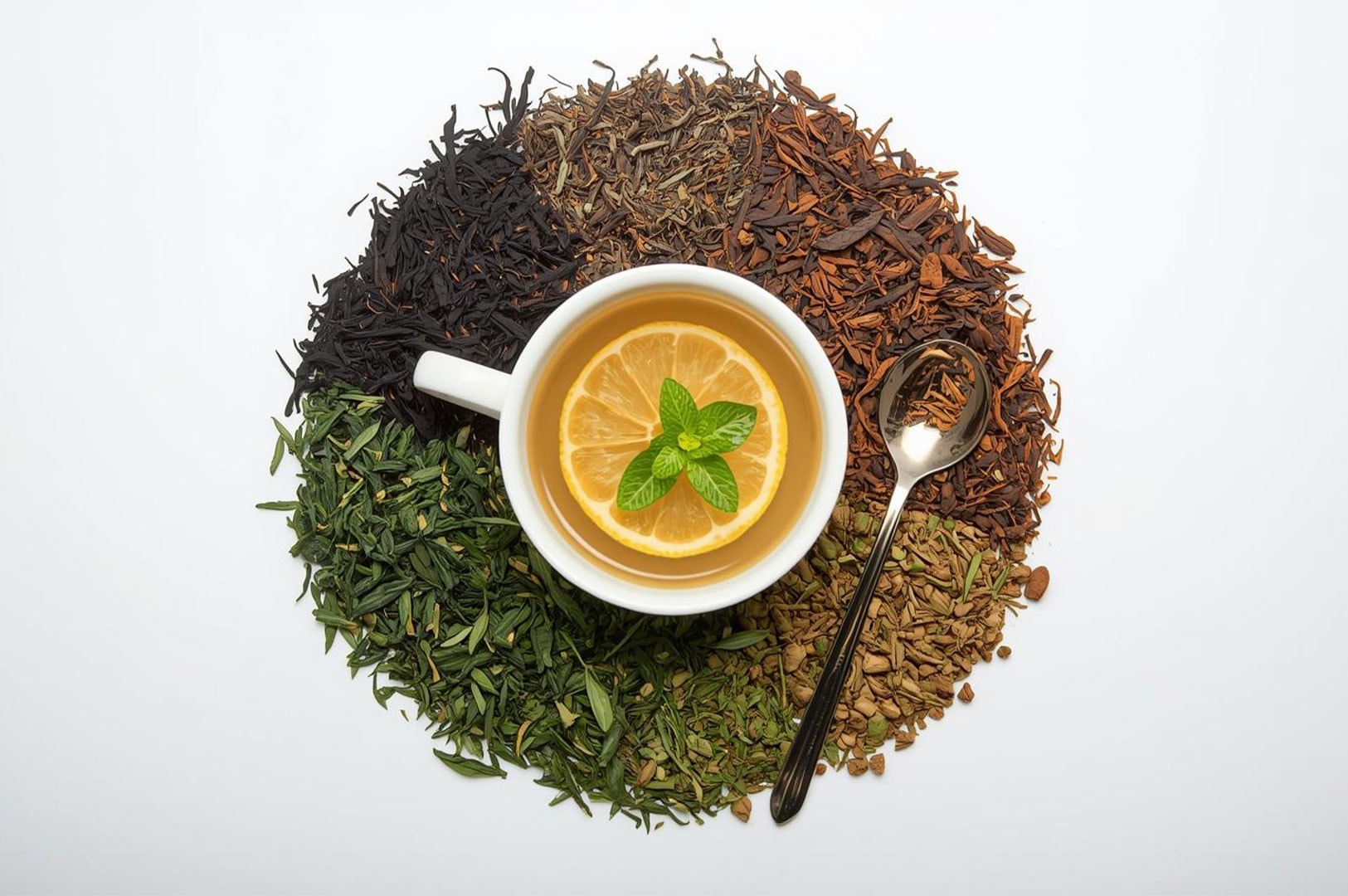
The search for the best teas for weight loss is one of the most popular starting points for any wellness journey. While no single tea can instantly melt away body fat, certain teas contain natural compounds that can promote weight loss, boost metabolism, and help manage appetite. The key is consistency—drinking tea daily as part of a healthy diet and lifestyle, especially drinking green tea, which is rich in catechins and caffeine, may support fat oxidation and improve metabolism for those focused on losing weight.
This evidence-based guide ranks the top 7 weight loss teas, exploring their unique health benefits, active compounds, and how each weight loss tea supports fat burning and overall wellness. We’ll also cover practical brewing tips and how to make tea a sustainable part of your weight management routine.
What Makes the Best Tea Effective for Weight Loss?
To evaluate each tea, we considered:
- Research Evidence – Support from randomized controlled trials and human studies showing metabolic or fat oxidation benefits.
- Bioactive Compounds – Concentrations of antioxidants called catechins, caffeine, and polyphenols that may boost metabolism and reduce fat accumulation.
- Safety & Sustainability – Suitability for long-term, calorie-free consumption and integration into daily routines.
- Practical Factors – Taste, accessibility, and ease of preparation.
Realistic expectations are essential. Tea may help reduce overall body weight gradually by boosting energy expenditure, improving digestion, and replacing sugary drinks—not through dramatic short-term changes.
While current evidence is promising, more research is needed to fully understand the mechanisms and long-term effects of different teas on weight loss.
#1. Green Tea — The Best Tea for Fat Burning and Weight Management
Why it tops the list: Green tea remains the most extensively researched beverage for weight loss benefits. Rich in compounds called catechins—particularly EGCG (epigallocatechin gallate)—and natural caffeine, this classic tea plant infusion helps boost fat oxidation and increase metabolism.
How it works:Research suggests the synergy between catechins and caffeine supports thermogenesis (heat production), encouraging the body to burn more calories. Drinking green tea regularly has been associated with improved metabolic health and may help reduce risk factors for metabolic syndrome. Regular tea consumption has been linked to reductions in body fat and improved body composition, especially when paired with regular exercise. These changes can also contribute to lowering the risk of heart disease.
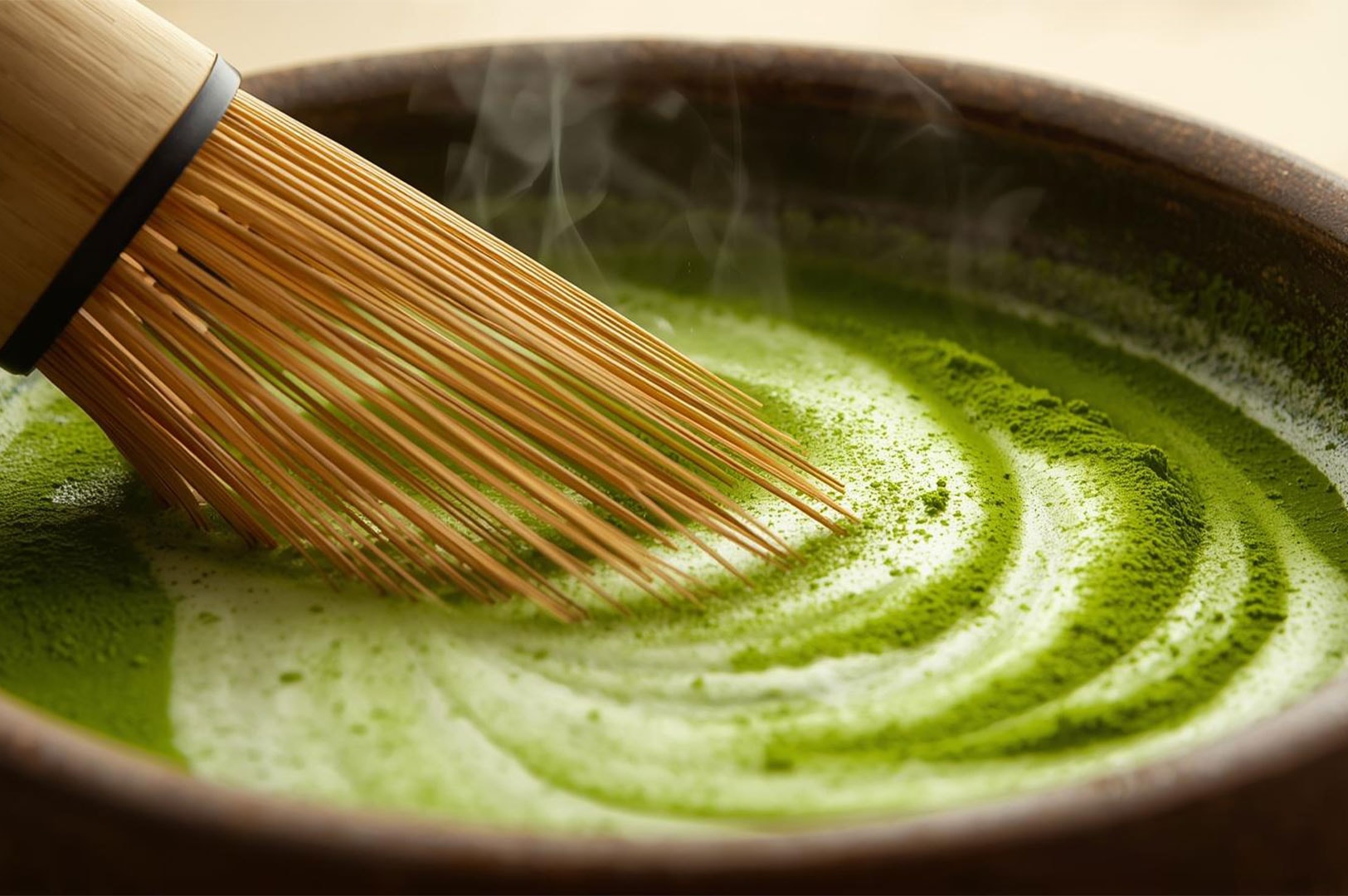
Best for: Anyone seeking the most evidence-backed option for fat loss and weight management. Varieties to try: Sencha, powdered green tea (Matcha), and Gyokuro. Caffeine: Moderate (20–80 mg per cup). Taste: Fresh and grassy; avoid over-steeping to prevent bitterness.
For more science-backed details, explore our in-depth guide: Does Green Tea Help to Lose Weight?
#2. Oolong Tea — The Bridge Between Green and Black Tea
Why it ranks second: Partially oxidized oolong tea combines the best of green and black tea. Traditional Chinese medicine has long recognized its fat metabolism and digestion benefits. Oolong tea offers significant benefits for those seeking to enhance metabolism and support weight management.
How it works: Its blend of catechins and theaflavins can promote weight loss by enhancing energy expenditure and fat burning. Some test-tube studies and human trials show oolong may increase calorie burning for several hours after drinking tea.
Best for: Those who prefer a slightly roasted flavor and want to support weight loss naturally. Varieties to try: Tieguanyin, Da Hong Pao, Dong Ding. Caffeine: Moderate (30–50 mg). Taste: Floral to roasted, depending on the type.
#3. Pu-erh Tea — The Fermented Fat-Burning Tea
Why it ranks third:
Aged and fermented in Yunnan, China, Pu-erh tea is rich in probiotics and polyphenols that may benefit gut health and fat metabolism.
How it works:
Fermentation produces unique compounds that may reduce fat absorption, improve cholesterol levels, and support a healthy gut microbiome. Some research suggests regular consumption can help decrease body mass index (BMI) over time.
Best for: After-meal fat digestion and those who enjoy deep, earthy notes.
Types: Raw (sheng) and ripe (shou).
Caffeine: Low to moderate (20–40 mg).
Taste: Earthy, smooth, and mellow.
#4. White Tea — A Gentle Option with Potent Health Benefits
Why it’s fourth:
Delicate and minimally processed, white tea retains a high level of antioxidant properties. It’s an excellent choice for those sensitive to caffeine.
How it works:
Studies show white tea extract may inhibit the formation of new fat cells and encourage the breakdown of existing ones. It shares many beneficial compounds with green tea, supporting fat oxidation and overall body weight regulation.
Best for: A light, caffeine-free or low-caffeine beverage suitable for all-day drinking.
Varieties to try: Silver Needle, White Peony.
Caffeine: 15–30 mg.
Taste: Subtle, naturally sweet, and refreshing.
#5. Black Tea — A Bold Flavor with Metabolic Benefits
Why it’s fifth:
Black tea—the world’s most consumed tea—contains potent polyphenols like theaflavins and thearubigins. Though research is less extensive than for green tea, evidence suggests regular tea consumption may help support weight loss and lower blood pressure.
How it works:
Its higher caffeine content provides an energy boost, potentially aiding fat metabolism. Substituting black tea for high-sugar diet beverages can meaningfully reduce calorie intake and body weight over time.
Best for: Coffee drinkers transitioning to tea.
Varieties to try: Assam, Darjeeling, Ceylon, or powdered black tea blends.
Caffeine: 40–70 mg.
Taste: Robust, malty, and full-bodied.
#6. Rooibos Tea — The Caffeine-Free Stress Reducer
Why it’s sixth:
Although rooibos tea isn’t derived from the traditional tea leaves, it’s a caffeine-free herbal option from South Africa with many health benefits. It’s especially helpful for those aiming to manage stress hormones and curb sugar cravings.
How it works:
Rooibos contains aspalathin, an antioxidant that may lower blood sugar and reduce fat accumulation by regulating insulin and cortisol levels. This makes it an excellent complement to weight management plans and overall health.
Best for: Evening relaxation, stress management, or as a sweet, calorie-free dessert drink.
Taste: Naturally sweet, nutty, and smooth.
Caffeine: None.
#7. Herbal Teas with Ginger, Cinnamon & Hibiscus — Digestive Support for Weight Control
Why they rank seventh:
These herbal teas indirectly support fat loss by improving digestion, reducing bloating, and balancing blood sugar levels.
How they work:
- Ginger tea enhances thermogenesis and helps reduce belly fat.
- Cinnamon tea aids fat metabolism and stabilizes blood sugar.
- Hibiscus tea contains polyphenols that may help lower body mass index and blood pressure.
Best for: Digestive comfort and caffeine-free hydration.
Caffeine: None.
Note: Avoid “detox” or “teatox” blends with laxatives like senna.
Comparison Summary: Choosing the Best Tea for You
Tea Type | Key Benefit | Best For |
|---|---|---|
Green Tea | Research-backed fat burning and boosting metabolism | Everyday use |
Oolong Tea | Enhances fat oxidation with complex flavor | Traditional wellness lovers |
Pu-erh Tea | Aids digestion and cholesterol management | Post-meal tea |
White Tea | Light, antioxidant-rich, low caffeine | All-day sipping |
Black Tea | Energy boost and strong flavor | Coffee replacements |
Rooibos Tea | Caffeine-free, stress-reducing | Evening tea |
Herbal Blends | Digestive and blood sugar support | Caffeine-free comfort |
How to Maximize the Weight Loss Benefits of Drinking Tea
- Be Consistent: Drink 2–3 cups daily for cumulative beneficial effects.
- Time It Right: Morning — green or oolong tea for boosting metabolism; after meals — pu-erh; evening — rooibos or herbal teas.
- Prepare It Properly: Use hot water, avoid over-steeping, and skip sugar or cream.
- Integrate Smartly: Replace sugary drinks to reduce calorie intake. Pair tea with regular exercise and balanced meals.
Common Mistakes to Avoid
- Expecting quick results — weight loss teas support gradual progress.
- Adding sweeteners that negate their calorie-free advantage.
- Relying solely on tea without a healthy diet or regular exercise.
- Believing in “detox” fads — stick with authentic teas made from the tea plant.
Where to Find Authentic Weight Loss Teas
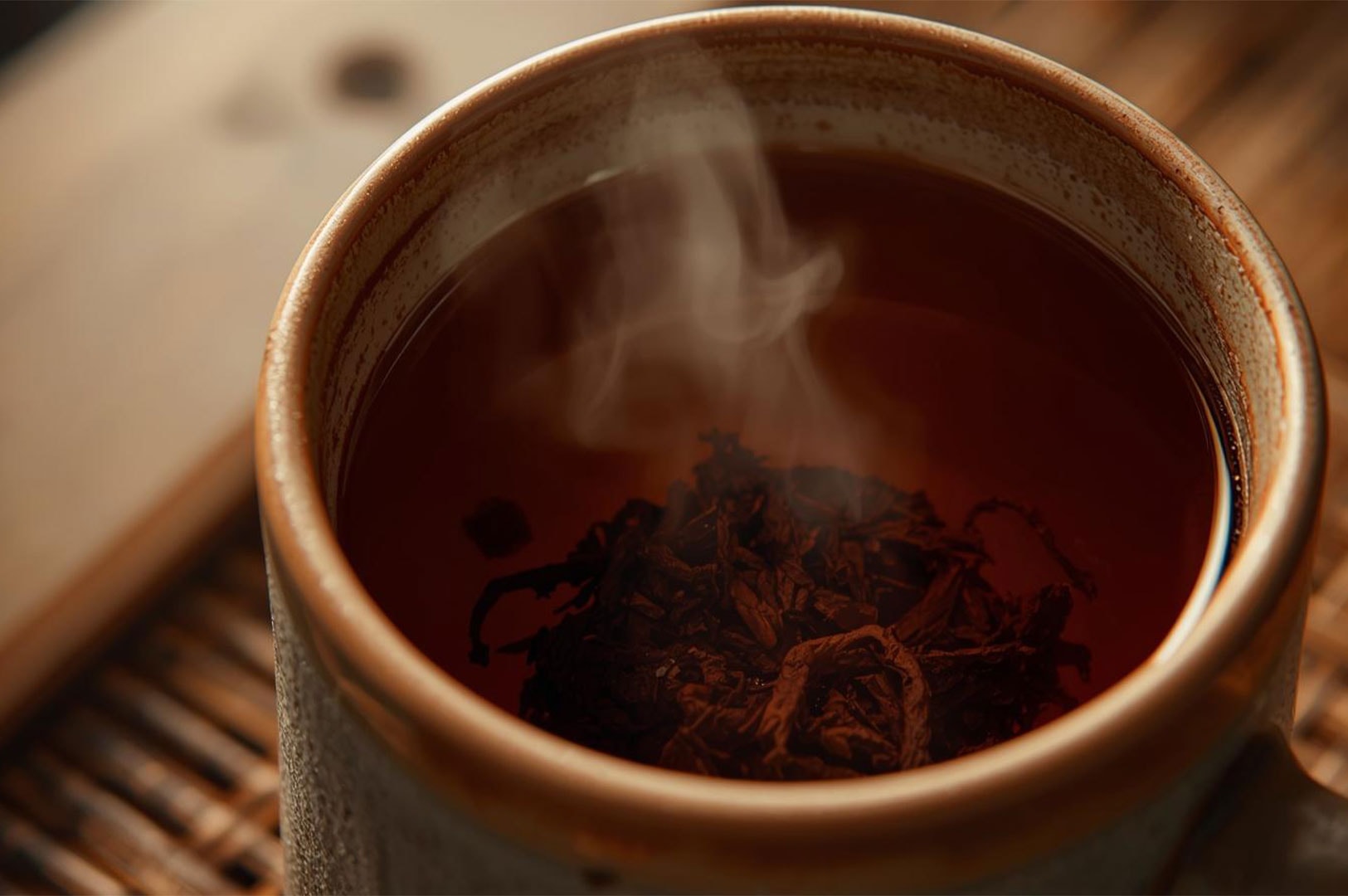
When choosing the best teas for weight loss, it’s important to seek out authentic, high-quality products. Look for reputable brands that source their teas directly from trusted growers and provide transparent information about their processing methods. Whether you prefer green tea, oolong tea, pu-erh tea, or herbal teas, selecting teas that preserve their natural compounds ensures you receive the maximum health benefits. Specialty tea shops, certified organic retailers, and well-reviewed online stores are great places to start your search for premium weight loss teas that support your weight management goals effectively.
Daily Tea Rotation Strategy for Maximum Results

- Morning: Green tea or oolong for energy and metabolism.
- Afternoon: Pu-erh to aid digestion and sustain focus.
- Evening: White tea, rooibos, or herbal blends for relaxation.
Rotating teas keeps your palate engaged and provides a wide range of antioxidants, polyphenols, and beneficial effects.
Realistic Timeline for Results
- Weeks 1–2: Build your tea routine and reduce sugary drink intake.
- Weeks 3–4: Notice improved energy, digestion, and hydration.
- Months 2–3+: With consistent tea consumption, balanced diet, and exercise, expect sustainable improvements in body composition and overall health.
Final Thoughts: Choosing the Best Tea for Sustainable Fat Loss
While green tea leads with the strongest evidence, the best tea for you is the one you’ll enjoy and drink regularly. Each option—from fat-burning oolong to caffeine-free rooibos—offers distinct health benefits that can help support weight loss naturally.
Remember: true success comes from consistent, enjoyable habits. By choosing authentic, high-quality teas and integrating them into your lifestyle, you’ll not only lose weight gradually but also enhance your overall wellness.

Top 7 Best Teas for Weight Loss: Evidence-Based Options Ranked
The search for the best teas for weight loss is one of the most popular starting points for any wellness journey. While no single tea can instantly melt away body fat, certain teas contain natural compounds that can promote weight loss, boost metabolism, and help manage appetite. The key is consistency—drinking tea daily as part…

Does Diet Tea Work? Comparing Options for Safe and Effective Weight Management
The term diet tea has become one of the most searched phrases among people eager to lose weight naturally. For many, losing weight is the primary motivation behind trying these teas. Yet behind its popularity lies a maze of confusion. The market overflows with everything from authentic teas like green tea and oolong to questionable…

Does Green Tea Help To Lose Weight? The Role of Green Tea Extract, Drinking Green Tea, and Green Tea Preparations in Weight Management
For thousands of years, green tea has been revered in Asian cultures for its health-promoting properties. But can this ancient beverage actually help you lose weight, or is it just another overhyped health trend? The answer lies somewhere between the marketing hype and scientific reality. While green tea won’t magically melt away pounds overnight, decades…
Is Green Tea Caffeine? Everything You Need to Know
Green tea has long been celebrated for its health benefits and calming properties. It is a popular tea worldwide, known for its cultural significance and widespread consumption. Both green tea and black tea are made from the Camellia sinensis plant, also known as the tea plant. These teas come from the same plant, camellia sinensis,…
Is Green Tea Healthy? 7 Science-Backed Advantages of Green Tea
Is green tea healthy? The short answer is a resounding yes. For thousands of years, this beverage from the Camellia sinensis plant has been celebrated not only for its soothing taste but also for its numerous health benefits. Modern research continues to validate what tradition long suggested: drinking green tea regularly offers powerful advantages for…
The Complete Guide to Drinking Green Tea: Health Benefits, Brewing Techniques, and Cultural Traditions
For over 4,000 years, drinking green tea has been more than just a beverage choice-it’s been a pathway to wellness, mindfulness, and cultural connection. A cup of green tea offers potential health benefits, as highlighted by a growing body of science green tea research exploring its positive effects. Today, as scientific research continues to unveil…
Butter Tea Nutrition: Survival Through Tea in High Altitudes
Imagine waking up to a world where the air is thin and every breath feels like an effort. The wind outside is sharp, cutting across snow-covered peaks that stretch endlessly toward the sky. This is life at high altitudes-where the human body must constantly adapt to reduced oxygen levels, cold climatic conditions, and intense physical…

From Street Corners to Family Homes: The Social Geography and Cultural Significance of Indian Chai Culture
The air hangs thick with the sweet, spicy aroma of cardamom, ginger, and cloves mingling with the robust scent of boiling black tea and milk. The rhythmic clinking of glass against metal, the hiss of the gas stove, and the low hum of conversation create a familiar soundtrack. This is the sensory world of Indian…
Seasonal Aesthetics in the Korean Tea Ceremony: Reflecting Nature’s Rhythm and Subtle Beauty
Imagine sitting in a quiet, sunlit hanok-a traditional Korean house-its polished wooden floors warm beneath you. Before you rests a simple tea tray adorned with earthenware cups and a graceful teapot, each featuring intricate designs that showcase the detailed craftsmanship and artistry of Korean teaware. Outside, a soft breeze carries the aroma of blossoming flowers….

The Samovar’s Role in Russian Tea Culture: How This Unique Device Shaped Russian Tea Tradition
Picture a cozy room in the heart of a Russian winter, snow blanketing the world outside. Inside, at the center of a family table, stands a gleaming metal urn, steam gently puffing from its chimney. This is the samovar-the traditional self-boiler that has shaped Russian tea culture for centuries. More than a tool to heat…