
Traditions & Tea Culture

The first time I held a Chinese Yixing teapot, I wasn’t ready for how warm it would feel. Small, reddish-brown, sitting in my palm like a river stone that had been kept somewhere warm. I’d just rinsed it with hot water, the way you’re supposed to before the first brew, and the clay drank up…

I almost walked past it. Located at Nine Neil Road, Tea Chapter Trading Pte Ltd sits quietly, a three-storey shophouse just across from Maxwell MRT in Singapore, its restored facade catching afternoon light. Around it, Chinatown moves at its usual pace. Inside, something slower has been happening since October 1989. I stepped in on a…
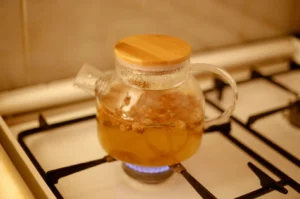
The first sip was bitter. I was maybe seven, and my grandmother had pressed a small ceramic cup into my hands, dark liquid inside, steam curling up between us. She didn’t explain. She just said, “Drink. You’ve been too heaty.“ I made a face. She didn’t smile. She just waited until I finished. Years later,…
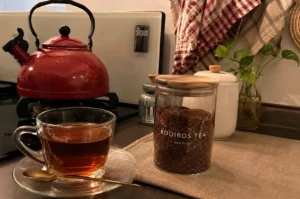
There is a red pot in my mother’s kitchen that only comes out in the evening. By then the coffee has done its work and gone quiet. The day has loosened. She fills the kettle, drops in a spoonful of something the colour of dried autumn, and lets it sit while she tidies the last…

The first time I really tasted bubble tea, I mean actually tasted it, I was standing outside a shoppers mall in the rain, waiting for a friend who was late. I had ordered something on autopilot from one of the many bubble tea shops in Singapore. But that day, without distraction, I noticed the tea…
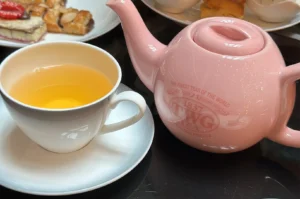
I almost didn’t go. Hotel afternoon tea always felt like something you did for a birthday or a special occasion with loved ones, or when a relative flew in and you wanted to seem like you had your life together. Expensive. A little performative. The kind of thing you photograph more than you eat. If…
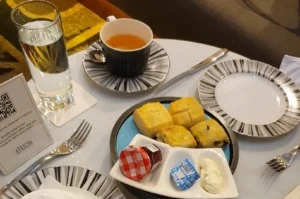
Pan Pacific Atrium High Tea is the afternoon tea experience at the Atrium Lounge in Pan Pacific Singapore: a refined, unhurried sitting with TWG tea or Lavazza coffee, elegant seating pods above the reflection pool, and a menu that pairs classic English tea traditions with Peranakan flavours. For couples, friends, families, and tea lovers looking…
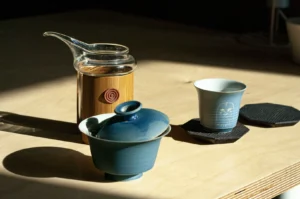
There is a particular quiet that settles when you pour hot water over tea leaves in a pot you chose with care. The weight of the clay in your hand. The porcelain capacity that holds just the right amount of warmth. A small ritual, repeated, until it becomes yours. Singapore knows tea in many languages.…
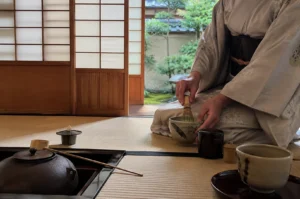
The room is quiet enough to hear water. Somewhere beyond the paper screens of this traditional tea ceremony venue, a garden drips after morning rain. Inside a tea house on a tatami mat worn soft by years of kneeling, a tea master lifts a bamboo whisk and begins tea making. There is no rush in…
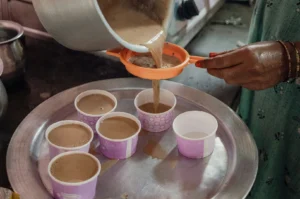
There is a sound that belongs to mornings across India: the hiss of milk rising in a battered pot, the clink of a spoon against metal, the low murmur of a tea seller calling out to passing crowds. Before the first sip, there is the scent. Cardamom pods, fresh ginger, and cinnamon stick curling into…