

Walk into Cuppage Plaza Singapore and you immediately feel the shift.
Just a short walk from Somerset MRT Station, Cuppage Plaza is an accessible destination for food lovers seeking authentic Japanese cuisine.
Orchard Road may glitter just outside, but inside this aging building, the mood changes. The corridors are dim. The signboards feel layered with history. The scent of grilled meat, simmering broth, and soy sauce lingers in the air. Cuppage Plaza is often called a “Little Japan” in Singapore, known for its high concentration of authentic Japanese restaurants.
For many locals, Cuppage Plaza food means late-night ramen, smoky yakitori, and comforting bowls of katsu curry rice shared with friends after work. Many restaurants here are open late, with some operating until 1:30 AM. It is crowded, noisy, and unapologetically rich. Cuppage Plaza has served as a space of comfort for Japanese salarymen for over four decades.
But when you slow down and look closer, something else emerges.
Tea.
And once you begin seeing Cuppage Plaza through that lens, the entire experience shifts.
Cuppage Plaza is a destination frequented by expats and food enthusiasts seeking traditional Japanese flavors, and is renowned for its variety of Japanese restaurants.
Cuppage Plaza Singapore and Its Japanese Restaurant Culture
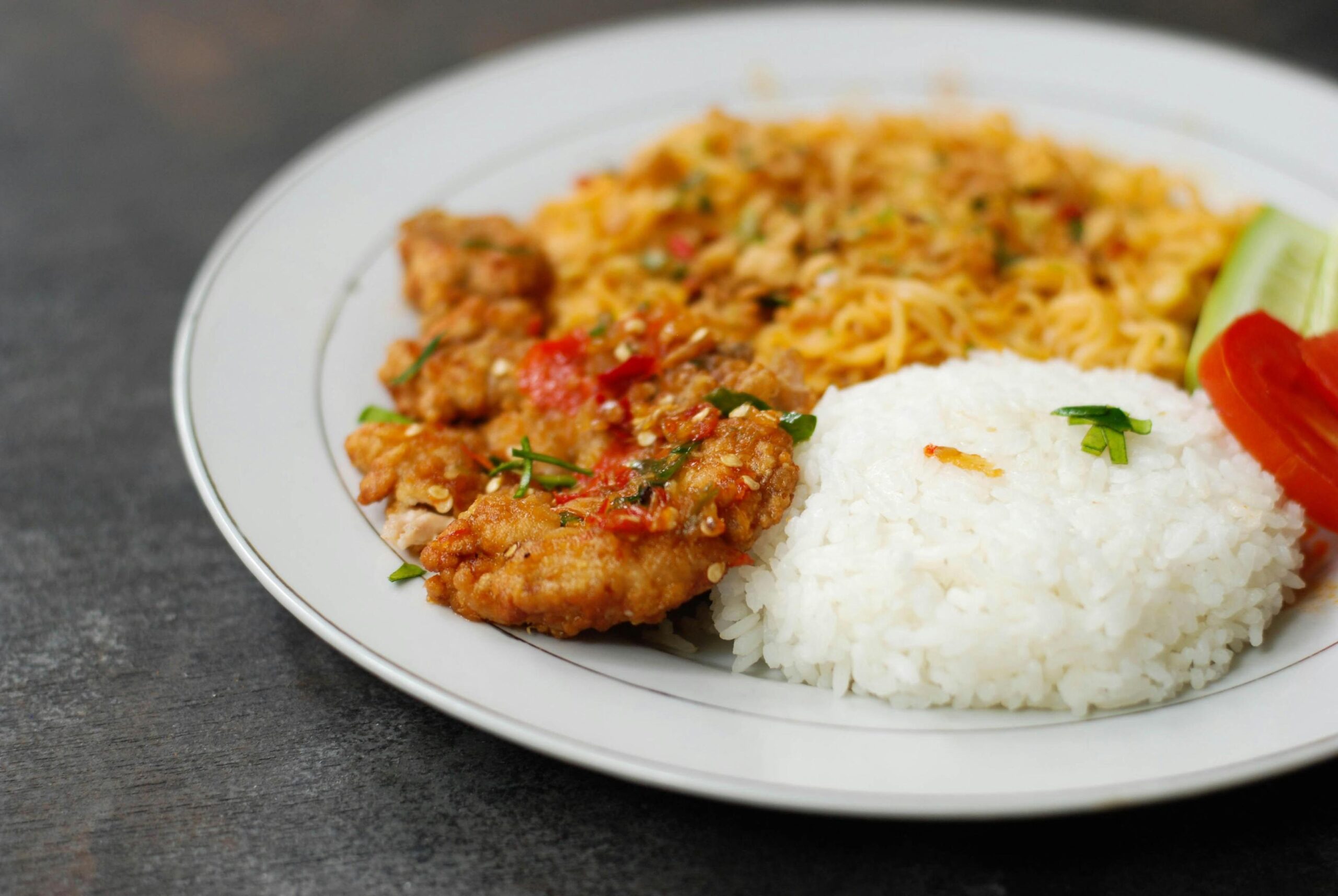
Cuppage Plaza Singapore has long been a stronghold for authentic Japanese restaurant concepts. Unlike polished mall eateries, many of the establishments here feel intimate and personal, with skilled chefs cooking just steps away from diners at the counter, bringing a true sense of Japanese food craftsmanship and authenticity to the experience.
From hidden upper-floor sushi counters serving fresh sashimi moriawase to izakaya-style charcoal grills turning out tender chicken yakitori sticks, the focus is unmistakably Japanese cuisine. Izakaya Nijumaru is a popular izakaya in Cuppage Plaza, known for its relaxed atmosphere and authentic menu offerings. Hanashizuku Japanese Cuisine and Keria Japanese Restaurant are also notable Japanese dining spots in the plaza, each recognized for their high-quality Japanese food and authentic culinary traditions.
Menus are often packed with:
- Assorted sashimi and sushi sets
- Agedashi tofu served in light dashi
- Katsu curry rice with thick, savoury gravy
- Grilled beef and chicken glazed with teriyaki sauce
- Tempura and bowls of chewy noodles
Some menus rely on the word descriptions rather than pictures, inviting diners to explore the variety of dishes through detailed menu descriptions. The sense of authenticity and tradition is palpable, capturing the essence of Japanese dining culture.
Cuppage Plaza is known for its variety of Japanese cuisine, including izakaya dishes, sushi, and traditional offerings. In addition to Japanese food, Cuppage Plaza also offers a variety of Asian and Western dining options.
Why Tea Is Essential to Cuppage Plaza Food
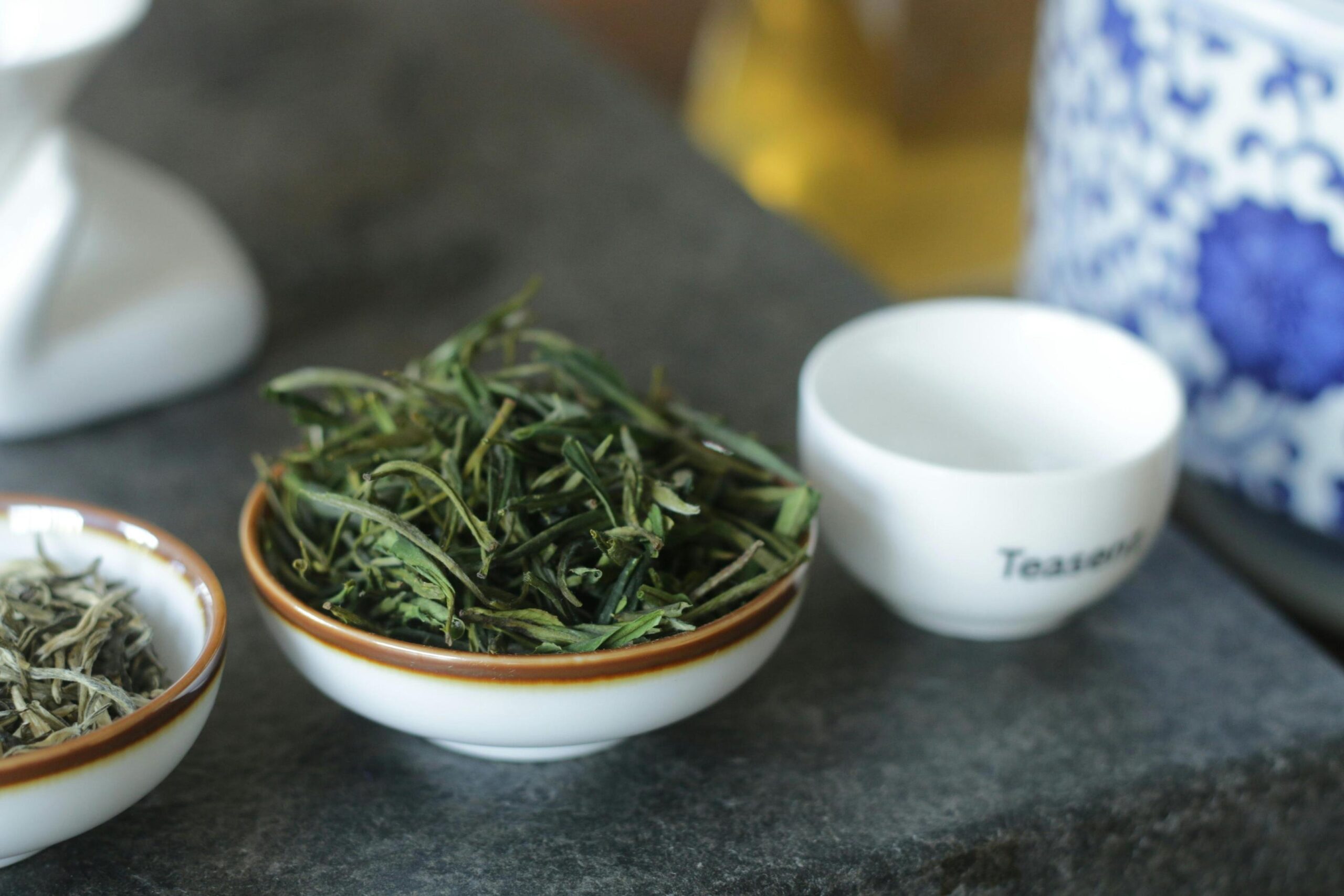
When people talk about Cuppage Plaza food, they often focus on indulgence. The richness of tonkotsu broth. The char on grilled meat. The sweetness of sauce brushed generously over skewers. These delicious dishes are made even more enjoyable when paired with the right beverage.
But in traditional Japanese cuisine, tea is not an afterthought. It is part of the structure of the meal.
Tea performs three quiet but crucial roles:
- It cleanses the palate between dishes
- It supports digestion after heavy food
- It balances intense flavours
Take a bowl of ramen. The broth coats the mouth in fat. Without tea, that richness lingers and dulls the next bite. A sip of hot sencha slices through that coating, resetting your taste buds.
After fried tempura or katsu, hojicha refreshes without competing. The roasted flavour complements grilled notes while clearing oil.
Tea is not just a drink. It is culinary equipment, and at Cuppage Plaza, attentive service ensures your tea is served at the right moment to enhance your dining experience.
Discovering a Cuppage Plaza Hidden Gem Through Tea
Some of the best experiences inside Cuppage Plaza are not flashy. They are tucked behind narrow corridors, on upper floors, inside modest Japanese restaurant spaces that feel like a hidden gem.
In these quieter establishments, tea is often served with intention.
At a sushi counter, konacha may be poured strong and hot, designed specifically to reset the palate between different fish. After a piece of fatty salmon sashimi, that astringent sip prepares your mouth for the next delicate cut.
At a grill-focused eatery like Kazu Sumiyaki Restaurant, hojicha pairs beautifully with smoky skewers. The roasted tea echoes the charcoal aroma from the grill, extending rather than washing away flavour.
Izakaya Nijumaru is another popular spot for Cuppage Plaza food, known for its authentic Japanese dishes and minimalist, casual atmosphere. The simple menu at Izakaya Nijumaru primarily lists dishes without pictures, which some diners find unhelpful, but it adds to the laid-back dining experience that appeals to many patrons.
When tea is appreciated intentionally, the meal feels more composed.
How Japanese Cuisine Relies on Tea for Balance
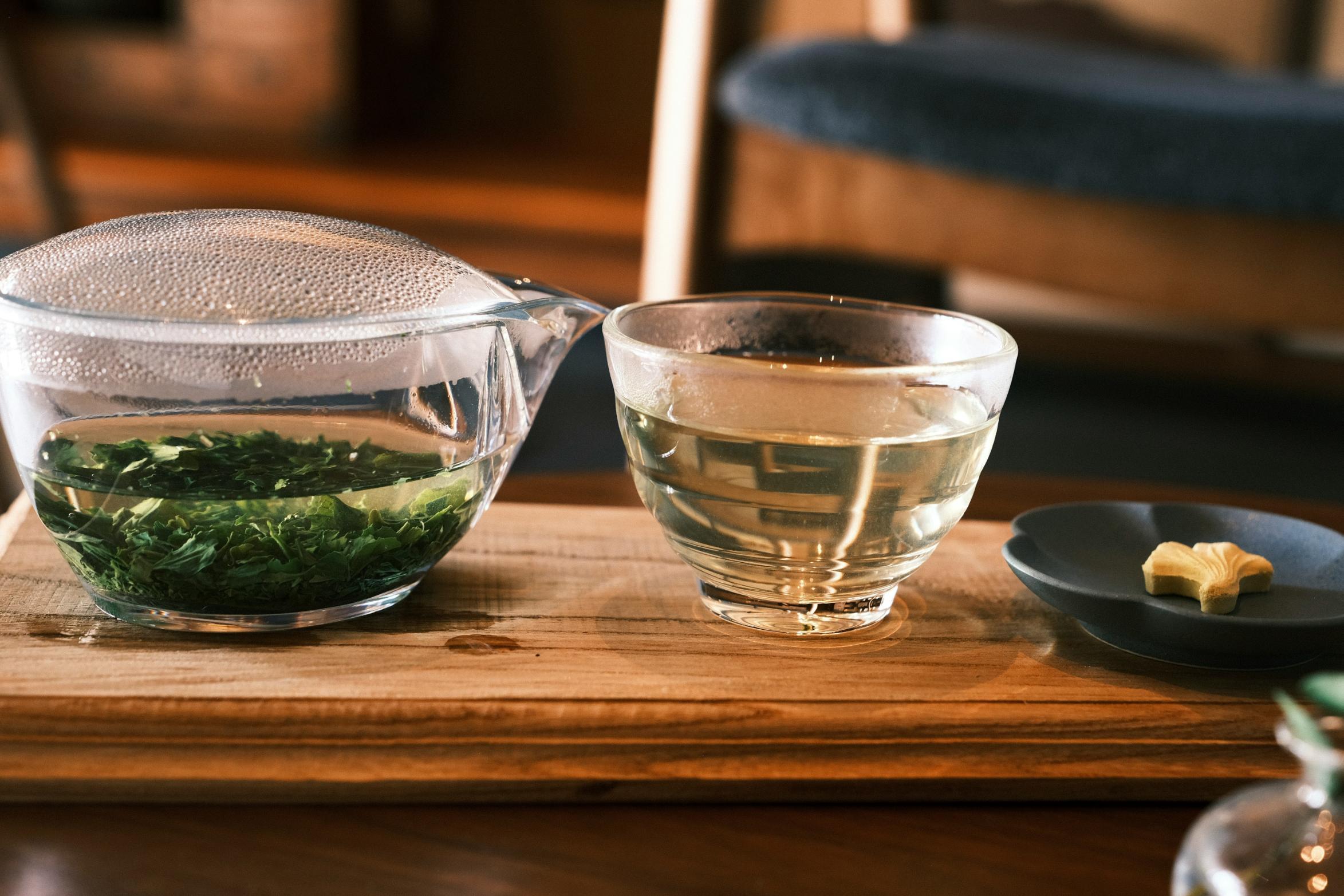
Japanese cuisine is obsessed with harmony.
Every meal balances:
- Heavy and light
- Hot and cool
- Soft and crisp
- Rich and clean
Tea represents the clean.
In a typical Japanese restaurant at Cuppage Plaza, you might move from grilled chicken to sweet simmered beef to a bowl of rice. Without tea, flavours overlap. With tea, each dish stands alone.
Even something simple like agedashi tofu tastes more defined after a sip of green tea. The soft texture feels lighter. The dashi broth tastes clearer.
Tea creates space between flavours. Some diners prefer pairing specific teas with certain dishes to enhance the balance of the meal.
Rethinking Your Next Visit to Cuppage Plaza Singapore
Most diners head to Cuppage Plaza Singapore expecting indulgence. And they find it.
They eat, drink sake, laugh loudly with friends, and order until last order is called.
But some diners have decided to approach the experience differently, perhaps by choosing tea over alcohol instead of the usual sake.
Imagine:
- Choosing tea over alcohol
- Asking what variety is being served
- Pairing your katsu curry rice with a roasted tea
- Finishing your meal slowly with a final cup
The atmosphere changes.
Instead of feeling overly full and sluggish, you leave balanced. Instead of rushing through dishes, you taste them more carefully.
Cuppage Plaza food has always been about authenticity and heart. But tea reveals its elegance.
Why This Matters for Singapore Diners
Singapore’s dining culture moves quickly. We often eat efficiently, chasing flavour and value.
But Cuppage Plaza offers something deeper than just food.
It offers ritual.
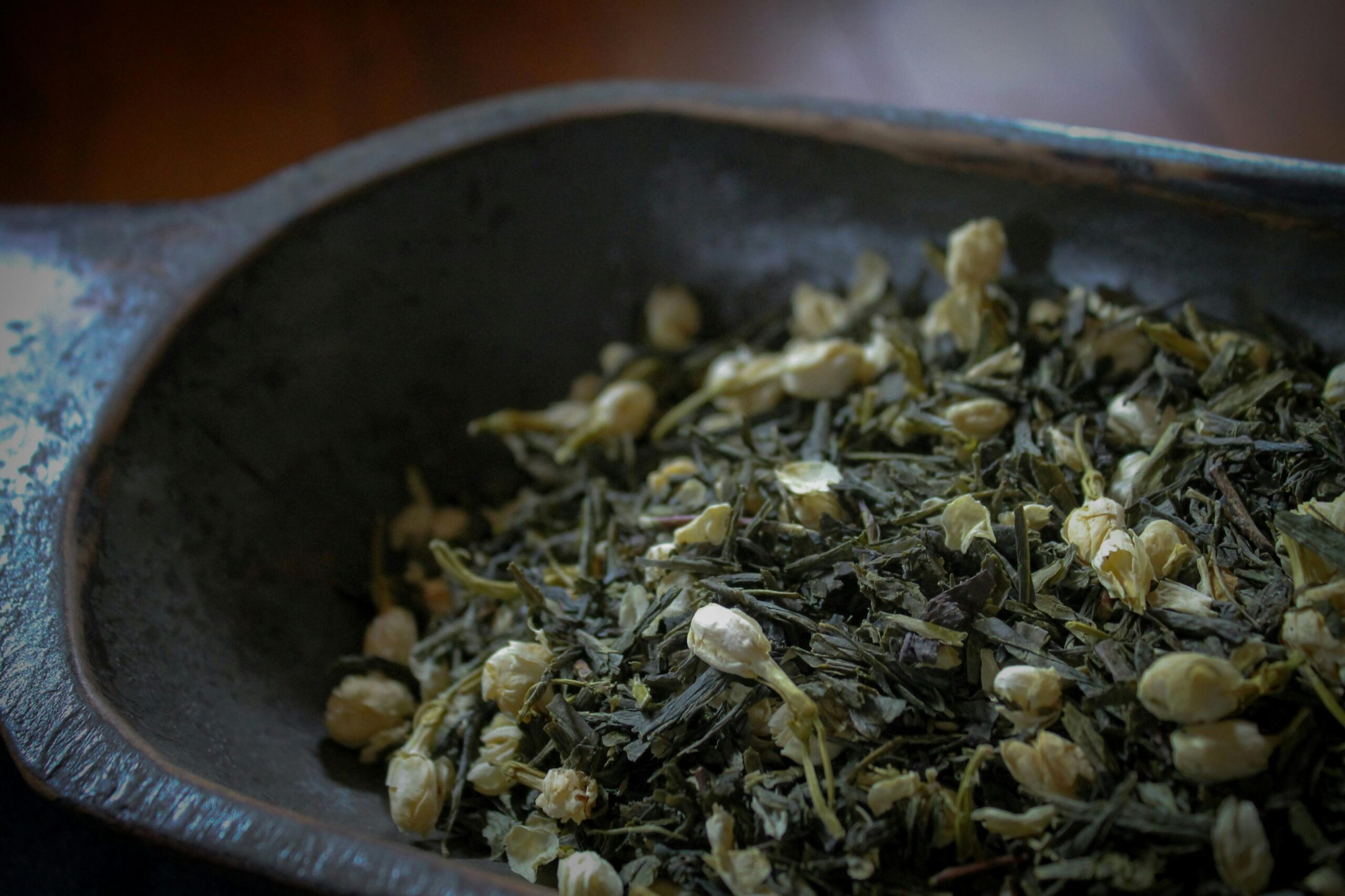
When tea is treated as integral rather than incidental, Japanese cuisine becomes more than a meal. It becomes a complete sensory experience.
The next time you walk through that aging building, past crowded entrances and glowing Japanese signboards, pay attention to the cup beside your bowl.
Do not drink it absentmindedly.
Taste it.
Because sometimes, the most important flavour in the room is the quietest one.
For those interested in exploring more about tea culture, check out this comprehensive guide to afternoon tea in Singapore, blending tradition with modern fusion.
The Soul of Tea: Unveiling the Beauty of Traditional Tea Ceremonies
Tea is more than just a drink, isn’t it? It is a quiet moment in the middle of a busy day, a small ritual that grounds us. We are not just drinking tea; we are experiencing something far more profound, a glimpse into the centuries-old traditions of cultures that revere this simple beverage. Whether in…
The Matcha Latte and the Tea It Came From
The matcha latte drink has become one of the most recognizable tea-based beverages in modern cafés. From Starbucks menus to independent tea bars, it is served hot in ceramic mugs or as iced matcha lattes layered in a glass with cold milk and ice. It is marketed as a healthy drink. It is praised for…
We Are Drinking Tea Too Quickly
There is something ironic about rushing tea. We order it to relax. We call it calming. We describe it as grounding. And yet, more often than not, we drink it the same way we drink everything else — between emails, between meetings, between scrolling. Tea has become background noise. A mug beside the laptop. A…

Cuppage Plaza Food Culture Through a Tea Lens
Walk into Cuppage Plaza Singapore and you immediately feel the shift. Just a short walk from Somerset MRT Station, Cuppage Plaza is an accessible destination for food lovers seeking authentic Japanese cuisine. Orchard Road may glitter just outside, but inside this aging building, the mood changes. The corridors are dim. The signboards feel layered with…
Milk Tea Is Not Tea
This is not an argument about preference. It is a question about naming. Milk tea is everywhere now. It travels in oversized cups, sealed with plastic film. It arrives layered with foam, syrup, pearls, jelly, whipped cream. It is photographed before it is tasted. It is queued for. It is branded. It is loved. But…
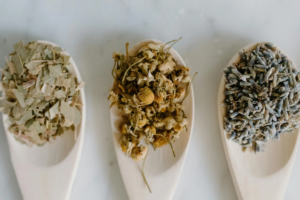
A Journey into Herbal Teas: Exploring Nature’s Finest Infusions
Imagine cupping your hands around a warm mug, inhaling the sweet, floral scent of chamomile tea or the invigorating peppermint tea aroma from the peppermint plant. As you take the first sip, you feel a sense of calm and comfort wash over you. This soothing experience is the magic of herbal teas, a diverse and…
Singapore Tea for Every Palate and Every Ritual
What draws us to seek something deeper in a simple cup of tea? In Singapore, where countless cultures have settled like leaves steeping in warm water, the answer unfolds quietly in the spaces between tradition and modernity. Good tea emerges from patient sourcing, from the steady hands of those who understand its language, from leaves…
Why Private Room Singapore Spaces Are Perfect for Tea Rituals
In a city that never truly rests, quiet becomes something you have to choose. You feel it when you’re weaving through Orchard Road in the middle of the day, or squeezing past crowds in the Central Business District at lunch hour. The lights are bright, the notifications keep coming, and even when you sit down,…
Tea Is Losing Its Ceremony — And We Let It Happen
No one announced it. There was no collective decision, no moment of cultural shift. And yet, the ceremony has quietly receded from everyday tea. What was once deliberate has become automatic. Tea used to require attention. Water temperature mattered. Leaves were measured with care. The cup was chosen, not grabbed. Even in the absence of…
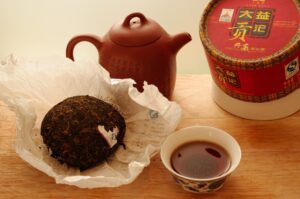
The Art of Aging: Understanding Authentic Yunnan Pu-erh Tea
Among the world’s most revered fermented dark teas, few types evoke as much intrigue and respect as Yunnan pu erh tea (普洱). Crafted from ancient tea trees in Yunnan province, this tea produced by traditional methods is a living testament to China’s rich beverage heritage. Unlike most loose leaf tea or black teas, high-quality pu…