
Imagine a warm, inviting aroma that fills the room with essence reminiscent of delicate flowers, toasted nuts, honeycomb, chocolate, and ripe stone fruit. The initial scent from a freshly opened tin of Dong Ding Oolong loose leaf tea can feel almost transportive. Upon brewing, the tea’s infusion shines with a brilliant golden colour, and your first sip reveals a creamy liquor—full-bodied, with a unique sweet taste—layered with notes of roasted chestnut, apricot, and floral undertones. It lingers, evolves, and finishes with a clean, roasted sweetness that makes for a perfect accompaniment to afternoon tea pastries or scones. This is not just any cup of tea; this is a living ritual steeped in tradition, history, and the artistry of Chinese culture.
More than just a beverage, Dong Ding is an artisanal product, a testament to generations of craftsmanship. Its journey from a humble mountain in Taiwan to a prized possession of tea connoisseurs worldwide is a story of tradition, terroir, and meticulous technique. The prestige of this exceptional tea is not born from the leaf alone, but from the cumulative wisdom and painstaking effort of the artisans who craft it, elevating it from a simple agricultural product to a masterpiece of flavor.
The Historical Roots of Dong Ding Oolong in Chinese Culture
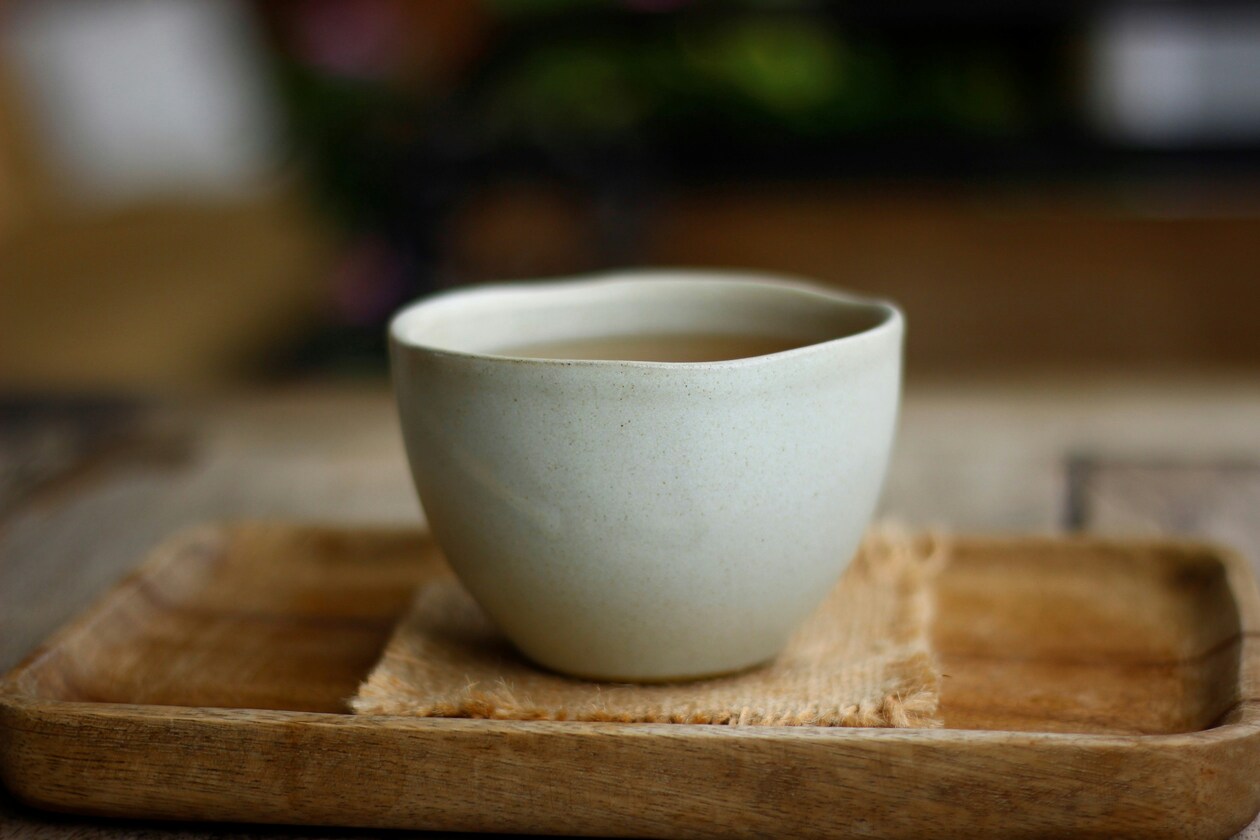
Dong Ding (凍頂) literally means “Frozen Summit/Icy Peak,” named after Dong Ding Mountain in Lugu Township, Nantou, Taiwan. The story begins in the 19th century, when Lin Feng Chi, a scholar from Lugu Township, traveled to Fujian province—home to some of China’s most celebrated teas and the world-renowned tea oolong of Wuyi Mountains. Returning in 1855 with 36 treasured tea saplings, he planted them on Dong Ding Mountain (“Frozen Summit”) in Nantou County, Taiwan. Over generations, these original plants—descendants of the Camellia sinensis variety grown since Song and Ming dynasty times—thrived in their new home, yielding harvests prized for their unique taste and delicate aroma.
Political change and increasing cultural exchange throughout the Qing dynasty and beyond led to Taiwanese tea producers experimenting and perfecting their blends. Local craftspeople, influenced by Chinese culture and their own traditions, gradually developed a signature tea preparation ritual. Dong Ding, positioned as a premium oolong, soon became a favorite for ceremonial occasions, as a prestigious gift, and for lovers of afternoon tea and loose leaf selections worldwide.
The Geography of Excellence of Dong Ding Oolong
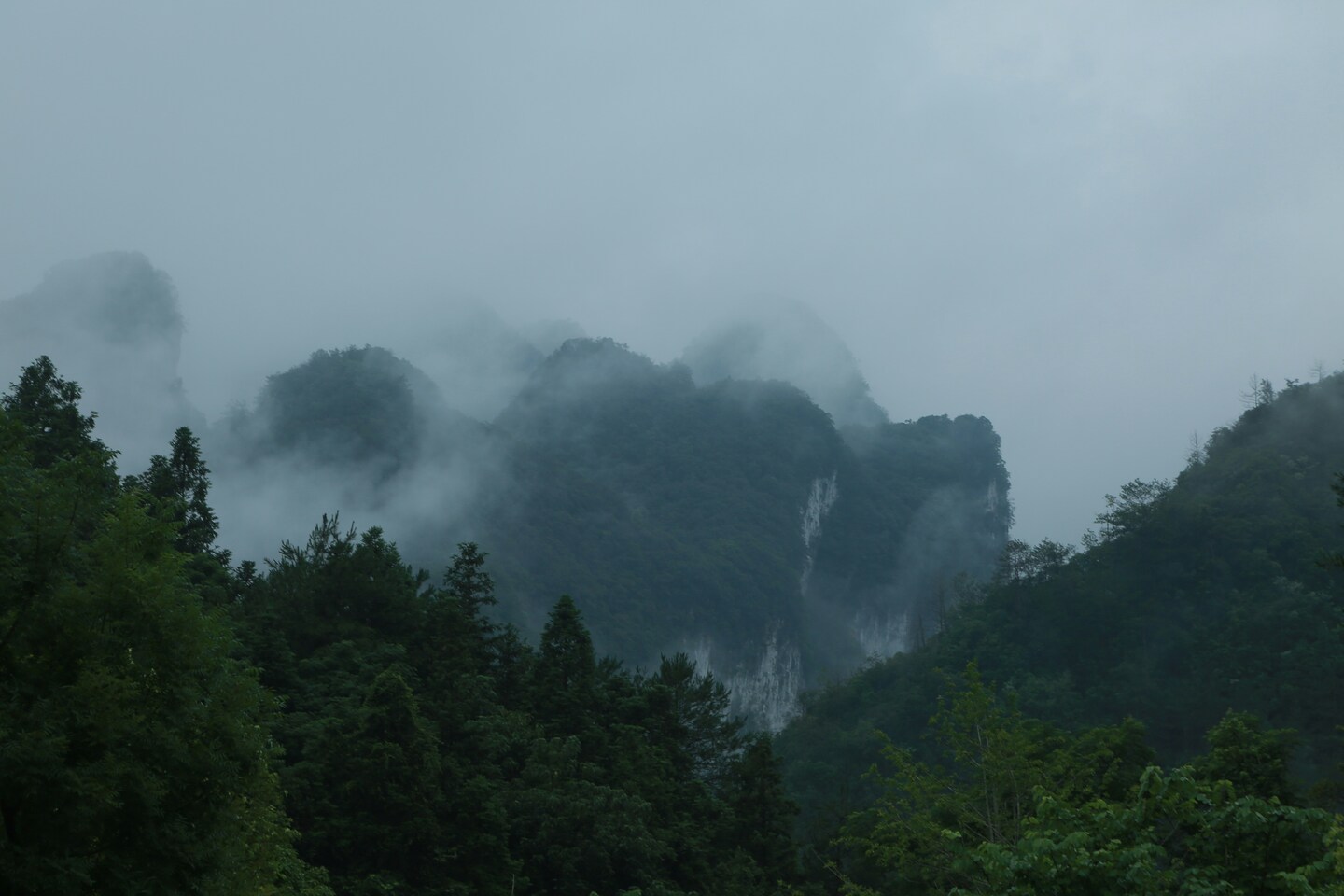
Nestled within Taiwan's Lugu region, Dong Ding Mountain is a tea lover’s dream—blessed with all the elements required for top-tier oolong teas. Elevations from ~600–900 m foster cooler temperatures and thick, moisture-laden fog, shrouding the tea plants and diffusing sunlight throughout the day. This unique microclimate slows leaf growth, concentrating nutrients and locking in freshness, essence, and the subtle floral notes that tea enthusiasts adore.
Patterned mists and dramatic daily temperature swings also enhance amino acid content in the leaves, contributing smooth mouthfeel and sweetness. The lush landscape, home to many different varieties of tea plants and thriving local flora, ensures each batch of Dong Ding Oolong loose leaf tea offers a distinctive infusion—a complex combination of herbal, nutty, and fruity flavors. This terroir-driven creation is a tribute to both nature and the persistent tradition of tea artisans.
Traditional Harvesting Practices for Dong Ding Oolong Loose Leaf Tea
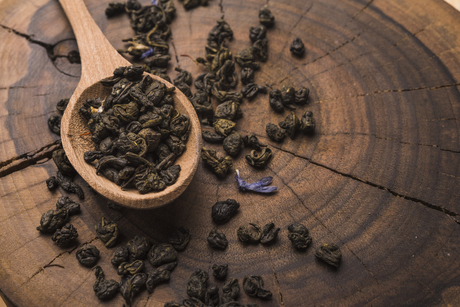
The creation of premium Dong Ding Oolong begins with an uncompromising approach to harvesting. The timing is critical, with harvests typically occurring twice a year: the spring picking (late March to early May) and the winter picking (late October to November). Spring teas are known for their vibrant floral aroma and brisk flavor, while winter teas, which grow more slowly in the cooler weather, are prized for their richer, more full-bodied character and intense sweetness.
Harvesting is done almost exclusively by hand. Skilled pickers meticulously select the ideal leaves, following the standard of yi xin er san ye (一心二三葉), which means "one bud and the two or three leaves below it." This ensures that the leaves are at the perfect stage of maturity—tender enough to be aromatic but sturdy enough to withstand the intensive processing that follows. Unlike mechanical harvesting, which indiscriminately cuts leaves and stems, hand-picking allows for the selection of only the highest quality leaves. This precision is non-negotiable for producing a tea with the complexity and depth expected of authentic Dong Ding.
The Artisanal Tea Preparation: Process of Dong Ding Oolong
a. Withering and Oxidation
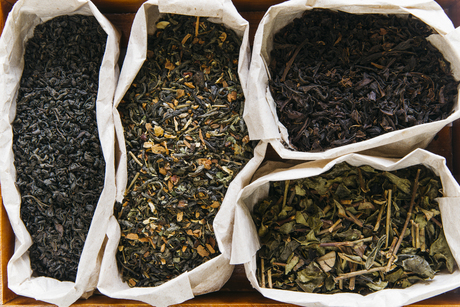
Once harvested, the fresh leaves begin their transformation with withering, a controlled dehydration process. Leaves are briefly sun-withered, then spread on bamboo trays indoors for longer withering. Tea masters gently bruise the leaves in a process called yao qing (摇青), initiating oxidation. For Dong Ding, moderate oxidation of 30-40% is targeted, judged by the leaf’s texture, aroma shift from fresh grass to floral, and reddish-brown edges.
b. The Crucial Roasting Process
The defining characteristic of Dong Ding Oolong is its signature roast. After rolling and drying, the leaves undergo a multi-stage roasting process called hongbei (烘焙). Traditionally done over charcoal, this slow, skillful roasting caramelizes sugars and deepens flavors. Modern electric ovens offer precise control, but many prefer the unique depth from charcoal roasting. Roast levels vary from light, preserving floral notes, to heavy, highlighting rich, nutty, and caramel flavors. The master roaster judges progress by aroma, leaf color, and taste at each stage.
The Sensory Profile: Enjoying a Cup of Dong Ding Oolong Tea
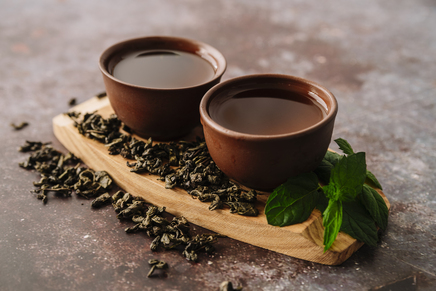
Tasting a high-quality Dong Ding Oolong is a rich sensory experience. The dry leaves, rolled into dark green-brown pellets, emit aromas of toasted grains and dried fruit. Once brewed, the liquor is a golden amber with inviting notes of honey, roasted nuts, and orchid.
On the palate, the tea is smooth and sweet, with a creamy body and flavors of toasted nuts balanced by hints of ripe stone fruits like peach. The finish is long and warm, leaving a lingering sweetness called hui gan (回甘). Traditionally roasted Dong Ding has a pronounced roasted character, while lighter roasts highlight floral and fruity notes. The mouthfeel is thick and coats the tongue, enhancing the overall experience.
Dong Ding vs. Other Taiwanese Oolongs
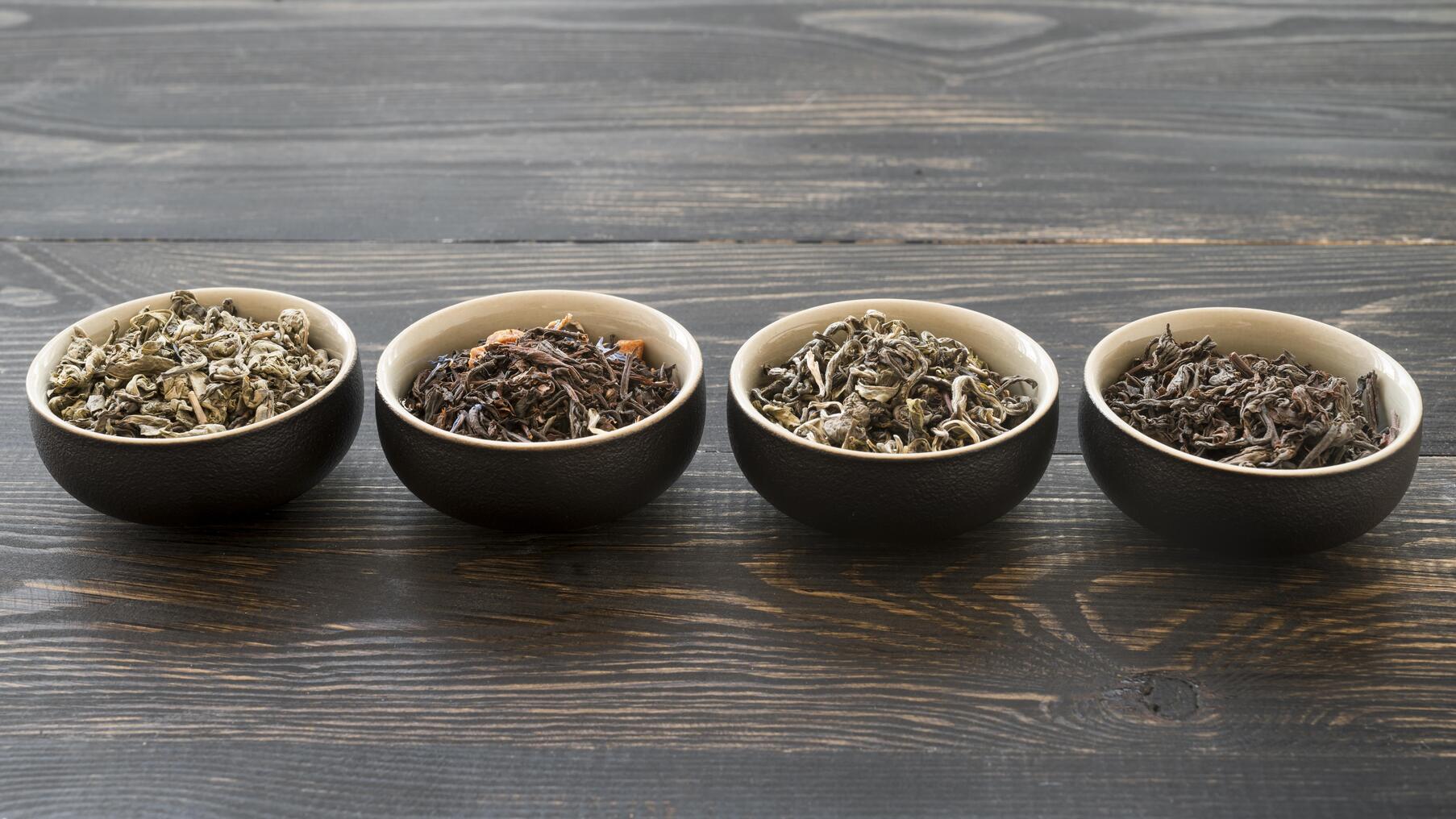
Taiwan produces a stunning array of oolongs, each with a distinct identity. Dong Ding stands apart due to its unique combination of moderate oxidation and a signature roast.
- High Mountain Oolong (Gaoshan): Grown at elevations above 1,000 meters, these teas are very lightly oxidized and unroasted. They are known for their exceptionally bright, floral, and buttery flavor profile, a direct expression of their high-altitude terroir. Dong Ding, in contrast, is richer, deeper, and more complex due to its oxidation and roast.
- Jin Xuan ("Milk Oolong"): This specific cultivar is famous for its natural, creamy, and milky flavor. While it can be processed in a Dong Ding style, a typical Jin Xuan is lightly oxidized to emphasize its unique creamy notes. Dong Ding's profile is nutty and roasted, not creamy.
- Oriental Beauty (Dong Fang Mei Ren): This is a heavily oxidized (70-80%) oolong that gets its unique honey and muscatel flavor from the bite of a tiny insect. Its processing and flavor are completely different from Dong Ding's roasted, nutty character.
While other oolongs often celebrate the "green" freshness of the leaf, Dong Ding's distinction lies in the transformative power of fire, showcasing the artisan's skill in roasting.
Cultural Significance in Taiwanese Society
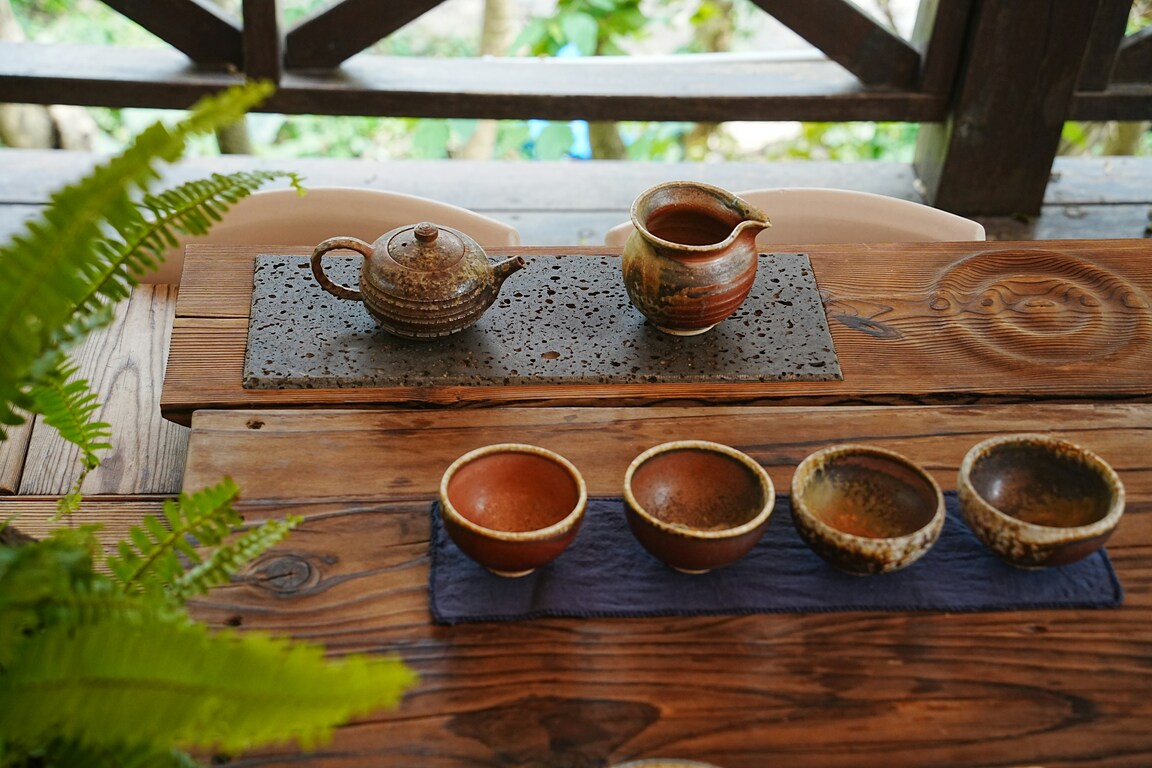
In Taiwan, Dong Ding Oolong is more than just a famous tea; it is a national treasure and a cultural icon. It is the star of the Lugu Farmers' Association tea competition, the oldest and most prestigious tea competition in the world. Winning this competition brings immense honor and can dramatically increase the value of a tea master's harvest.
The Dong Ding tea leaves are carefully prepared to preserve their complex flavor and aroma, making it a perfect tribute tea that reflects Taiwan's rich tea heritage. This tea is traditionally served in Taiwanese tea ceremonies, where its ability to withstand multiple infusions allows for long, contemplative sessions. It is also a common and highly respected gift, given on special occasions and to important guests as a sign of esteem. This status reflects the deep pride that Taiwanese people have in their island's rich agricultural heritage and artisanal craftsmanship.
Where to Find Authentic Dong Ding Oolong in Singapore
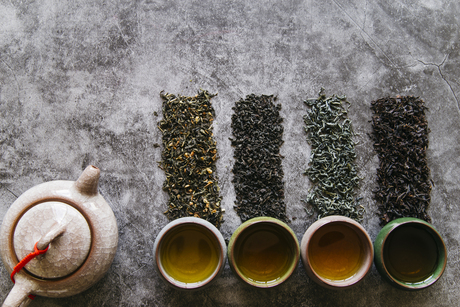
In Singapore, reputable tea houses and specialty retailers are the best sources. If you’d like to sit down and enjoy Dong Ding tea by the pot, these are three reliable tea houses to try. Menus can rotate with the seasons, so it’s smart to call ahead if Dong Ding is a must that day.
Tea Chapter (Neil Road, Chinatown) — A classic teahouse with a printed menu that explicitly lists “Dong Ding Oolong Tea” (origin: Nantou, Taiwan). Calm, traditional setup with table service—great for appreciating roast nuances.
Yixing Xuan Teahouse (Tanjong Pagar) — Family-run teahouse where you can enjoy cups of traditionally brewed tea on site; staff can brew/serve oolongs and guide you on roast levels. They also stock Dong Ding Oolong, so availability for in-house brewing is common.
Antea Social (117 Owen Rd) — Contemporary specialty teahouse with a rotating oolong list; Dong Ding Oolong appears on their range and has been ordered hot/iced by diners in-house. Cosy, modern vibe ideal for a relaxed session.
Pro tips while ordering
- Ask for origin & roast: Confirm Lugu/Nantou, Taiwan and the roast level (light/medium/traditional) to match the classic Dong Ding profile. (Dong Ding’s historic home is Lugu, Nantou.)
- Name variations: On some menus it may appear as “Tung-Ting”; wording differs but the style is the same.
Conclusion: The Living Legacy of Dong Ding
Dong Ding Oolong is more than a tea—it is a living testament to the perfection found in ritual, tradition, and artisanal craft. In a world racing toward convenience and modernity, this loose leaf tribute endures, connecting past and present, honoring the wisdom of Chinese culture, and showcasing the artistry of Lugu’s farmers. Every cup, bowl, or teapot brims with earth, flowers, and centuries of expertise.
To sip Dong Ding is to savor history, skill, and beauty. The next time you encounter this crafted marvel, let yourself be drawn into its unique taste and delicate aroma—experience a true cup of Taiwanese heritage, and allow this world-class oolong to enhance your own ritual of tea.
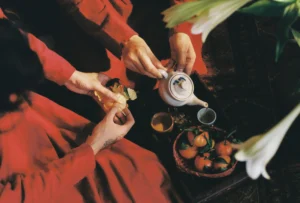
The Soul of Tea: Unveiling the Beauty of Traditional Tea Ceremonies
Tea is more than just a drink, isn’t it? It is a quiet moment in the middle of a busy day, a small ritual that grounds us. We are not just drinking tea; we are experiencing something far more profound, a glimpse into the centuries-old traditions of cultures that revere this simple beverage. Whether in…
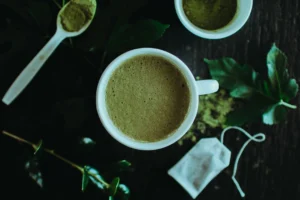
The Matcha Latte and the Tea It Came From
The matcha latte drink has become one of the most recognizable tea-based beverages in modern cafés. From Starbucks menus to independent tea bars, it is served hot in ceramic mugs or as iced matcha lattes layered in a glass with cold milk and ice. It is marketed as a healthy drink. It is praised for…
We Are Drinking Tea Too Quickly
There is something ironic about rushing tea. We order it to relax. We call it calming. We describe it as grounding. And yet, more often than not, we drink it the same way we drink everything else — between emails, between meetings, between scrolling. Tea has become background noise. A mug beside the laptop. A…

Cuppage Plaza Food Culture Through a Tea Lens
Walk into Cuppage Plaza Singapore and you immediately feel the shift. Just a short walk from Somerset MRT Station, Cuppage Plaza is an accessible destination for food lovers seeking authentic Japanese cuisine. Orchard Road may glitter just outside, but inside this aging building, the mood changes. The corridors are dim. The signboards feel layered with…
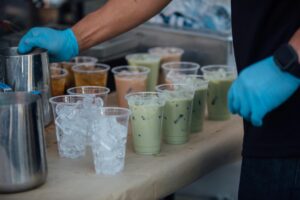
Milk Tea Is Not Tea
This is not an argument about preference. It is a question about naming. Milk tea is everywhere now. It travels in oversized cups, sealed with plastic film. It arrives layered with foam, syrup, pearls, jelly, whipped cream. It is photographed before it is tasted. It is queued for. It is branded. It is loved. But…
A Journey into Herbal Teas: Exploring Nature’s Finest Infusions
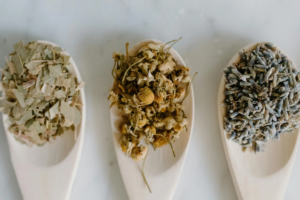
Imagine cupping your hands around a warm mug, inhaling the sweet, floral scent of chamomile tea or the invigorating peppermint tea aroma from the peppermint plant. As you take the first sip, you feel a sense of calm and comfort wash over you. This soothing experience is the magic of herbal teas, a diverse and…
Singapore Tea for Every Palate and Every Ritual
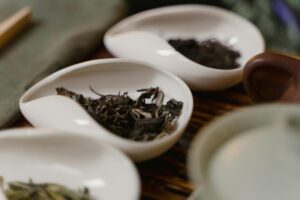
What draws us to seek something deeper in a simple cup of tea? In Singapore, where countless cultures have settled like leaves steeping in warm water, the answer unfolds quietly in the spaces between tradition and modernity. Good tea emerges from patient sourcing, from the steady hands of those who understand its language, from leaves…
Why Private Room Singapore Spaces Are Perfect for Tea Rituals
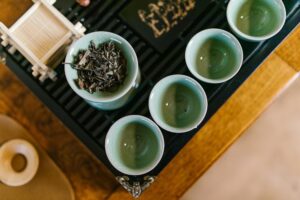
In a city that never truly rests, quiet becomes something you have to choose. You feel it when you’re weaving through Orchard Road in the middle of the day, or squeezing past crowds in the Central Business District at lunch hour. The lights are bright, the notifications keep coming, and even when you sit down,…
Tea Is Losing Its Ceremony — And We Let It Happen
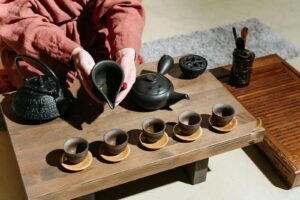
No one announced it. There was no collective decision, no moment of cultural shift. And yet, the ceremony has quietly receded from everyday tea. What was once deliberate has become automatic. Tea used to require attention. Water temperature mattered. Leaves were measured with care. The cup was chosen, not grabbed. Even in the absence of…
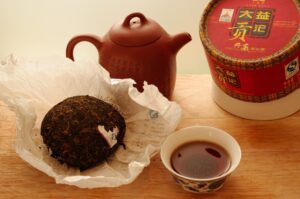
The Art of Aging: Understanding Authentic Yunnan Pu-erh Tea
Among the world’s most revered fermented dark teas, few types evoke as much intrigue and respect as Yunnan pu erh tea (普洱). Crafted from ancient tea trees in Yunnan province, this tea produced by traditional methods is a living testament to China’s rich beverage heritage. Unlike most loose leaf tea or black teas, high-quality pu…