In Singapore’s multicultural landscape, ginger tea is a beloved staple that transcends cultural boundaries. Known locally as teh halia, this warming brew embodies centuries of traditional wisdom adapted to modern Singapore life. Whether you seek relief from air-conditioned chill, digestive support after a big meal, or a refreshing sip on a rainy day, Singapore ginger tea offers nourishing benefits rooted in the island’s rich heritage.
What is Singapore Ginger Tea
Singapore ginger tea is a traditional herbal infusion made from fresh or dried ginger root, often mixed with ingredients that reflect the island’s diverse cultures. It can be as simple as fresh ginger steeped in hot water or as rich as aromatic aged ginger tea powder used for health benefits. People love it for its high quality and nourishing qualities, making it a go-to for those seeking traditional wellness and overall wellness.
Whether you brew it fresh, buy an instant ginger tea pack, or enjoy a ginger drink at a café, this popular spice brings warmth and a refreshing touch that fits perfectly with Singapore’s tropical vibe.
When purchasing, check the price and quantity to find the best value, and store your ginger tea in a dry place to maintain its freshness. Many vendors also offer delivery options for convenient access to this smooth and comforting beverage.
Cultural Significance of Singapore Ginger Tea
Chinese Medicinal Traditions
Chinese Singaporean families traditionally prepare aromatic aged ginger tea by simmering fresh or aged ginger with rock sugar, emphasizing ginger’s warming “yang” energy to improve circulation and digestion. This nourishing tea is especially popular among women for menstrual comfort and is a staple in many Asian families’ wellness routines.
Indian Chai Culture
The Indian community’s masala chai incorporates ginger with spices like cardamom and cinnamon, combined with black tea and milk. The theatrical “pulling” technique aerates the tea, creating a creamy, spicy beverage that offers digestive and warming benefits, perfect after a big meal.
Malay Jamu Influences
Malay jamu traditions blend ginger with turmeric, pandan, and palm sugar, creating holistic tonics that support immunity and energy. These sugar-free, natural preparations are gaining popularity in wellness cafés, offering refreshing yet nourishing sips.
Modern Fusion and Peranakan Adaptations
Modern fusion blends may add honey, lemon, or chia seeds to ginger tea, enhancing flavor and nutrition. Peranakan ginger tea often includes coconut milk and pandan, creating rich, layered flavors that reflect Singapore’s cultural tapestry.
Health Benefits of Ginger Tea
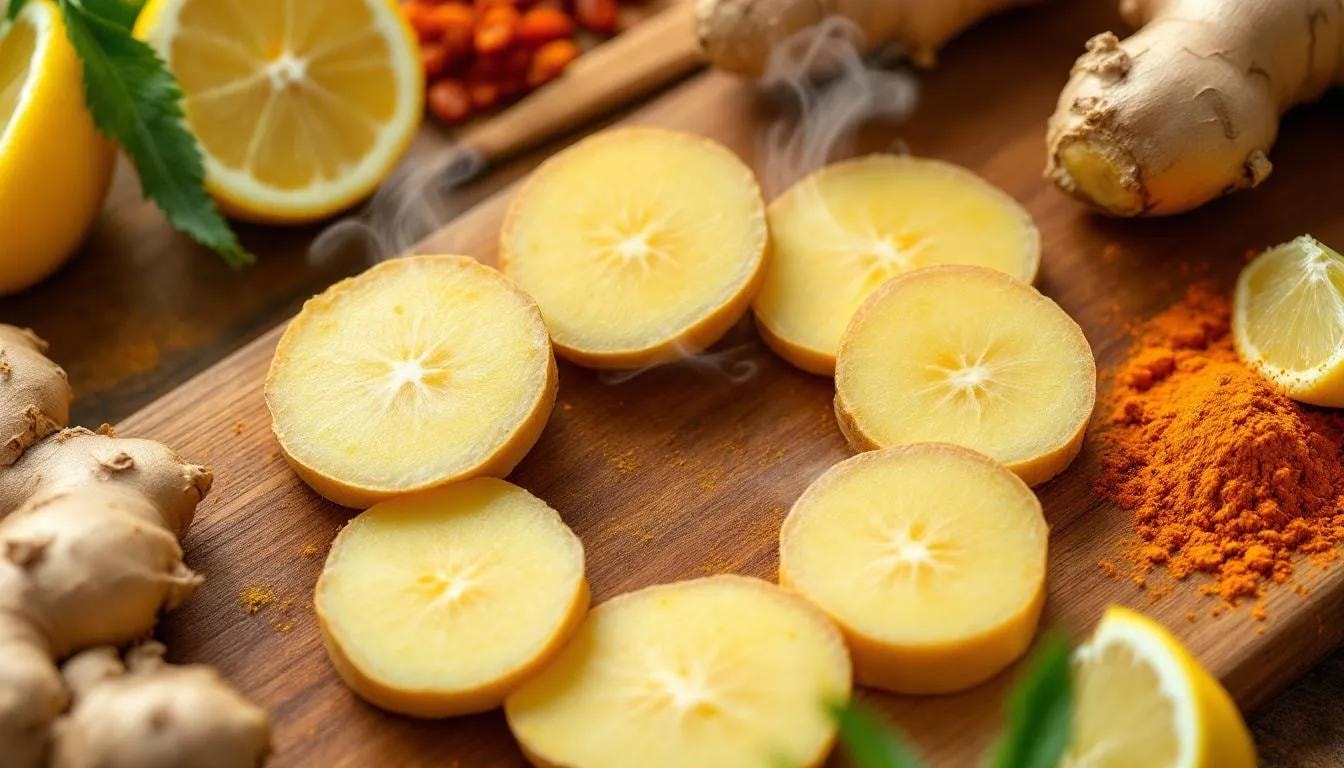
Ginger tea’s benefits include digestive aid, immune support, anti-inflammatory effects, improved circulation, respiratory relief, and menstrual comfort. Its bioactive compounds like gingerol and shogaol help soothe nausea, reduce inflammation, and promote warmth, making it perfect for Singapore’s air-conditioned offices and humid climate.
Traditional and Modern Preparation Methods
Fresh and Aged Ginger Preparation
- Fresh ginger is peeled and thinly sliced or crushed to release its bold flavors when steeped in hot water or gently simmered. For those on the go, aged ginger tea powder offers a convenient alternative—just add hot water and stir for a quick, soothing cup perfect for office breaks or travel. Be sure to follow the aged ginger directions on the pack for the best experience.
Chinese Simmering Method
- Simmer 2-3 inches of sliced fresh ginger in 500ml boiling water for 15-20 minutes, then add rock sugar to taste. This traditional method creates a rich, aromatic aged ginger tea that’s packed with therapeutic benefits, making it a favorite warm drink in Singapore’s kopitiams.
Indian Masala Chai Style
- In Indian chai culture, crushed ginger and spices are boiled in water before adding black tea and milk. The tea is then “pulled” between vessels to aerate and blend flavors, resulting in comforting sips full of warmth and spice, perfect after a big meal or during cooler evenings.
Malay Jamu Paste
- For a holistic wellness boost, the Malay jamu paste blends ginger with turmeric, lemongrass, pandan leaves, and palm sugar. Simmered for 30-45 minutes and strained, this sugar-free, nourishing tea supports immunity and energy, making it a refreshing choice in Singapore’s tropical climate.
Instant and Convenient Options
- If you’re short on time, instant aged ginger tea powders and tea bags are lifesavers. Simply add hot water, steep or stir, and enjoy. Some modern blends even include chia seeds for extra nutrition, turning your ginger tea into a filling, refreshing drink. Whether you’re at home, in the office, or traveling, these easy options keep the comforting benefits of Singapore ginger tea within reach.
Sweeteners and Complementary Ingredients
Traditional sweeteners include rock sugar, palm sugar, and honey, each adding unique flavors and benefits. Honey varieties like acacia and wildflower enhance immune support, while lemon and pandan leaves add refreshing notes. Modern additions such as chia seeds and coconut milk offer texture and richness without added sugar.
Singapore Ginger Tea in Tropical Climate

Singapore’s tropical climate and prevalent air-conditioning create unique needs. Hot ginger tea counters cold office environments by improving circulation and warmth, while its digestive benefits help process rich hawker food. Cold-brew ginger tea and iced versions provide cooling, refreshing alternatives during hot afternoons.
Where to Find Quality Ginger Tea in Singapore
- Traditional Chinese Medicine HallsPlaces like Eu Yan Sang and Hockhua Tonic offer premium aged ginger tea powder and fresh ginger, with expert guidance on preparation and health benefits. These products receive high average customer ratings for quality and authenticity.
- Hawker Centers and Traditional Stalls Maxwell Food Centre and Lau Pa Sat feature stalls serving authentic teh halia and masala chai, prepared fresh daily with traditional techniques, earning positive reviews from locals and tourists alike. Customers often use rating filters and active filters on review sites to select the best stalls based on average rating value and match preferences.
- Modern Cafés and Specialty Shops Wellness cafés and specialty tea shops in Singapore offer innovative blends featuring sugar-free, organic, or chia seed-enhanced ginger teas. These options are perfect for health-conscious folks looking for convenient and nourishing choices. Plus, many shops have ready-to-drink versions, making it easy to enjoy your ginger tea on the go, whether at the office or while traveling.
- Supermarkets and Online Retailers You can also find fresh ginger, aged ginger tea powder, and instant packs at popular supermarkets like NTUC FairPrice and Cold Storage. If you prefer shopping online, plenty of platforms offer a wide range of ginger tea products with helpful filters like rating, location, and sugar-free options. This makes it simple to pick the best Singapore ginger tea for your taste and needs, and you can add your favorites to your cart with just a few clicks.
Home Preparation Tips for Singapore Lifestyle
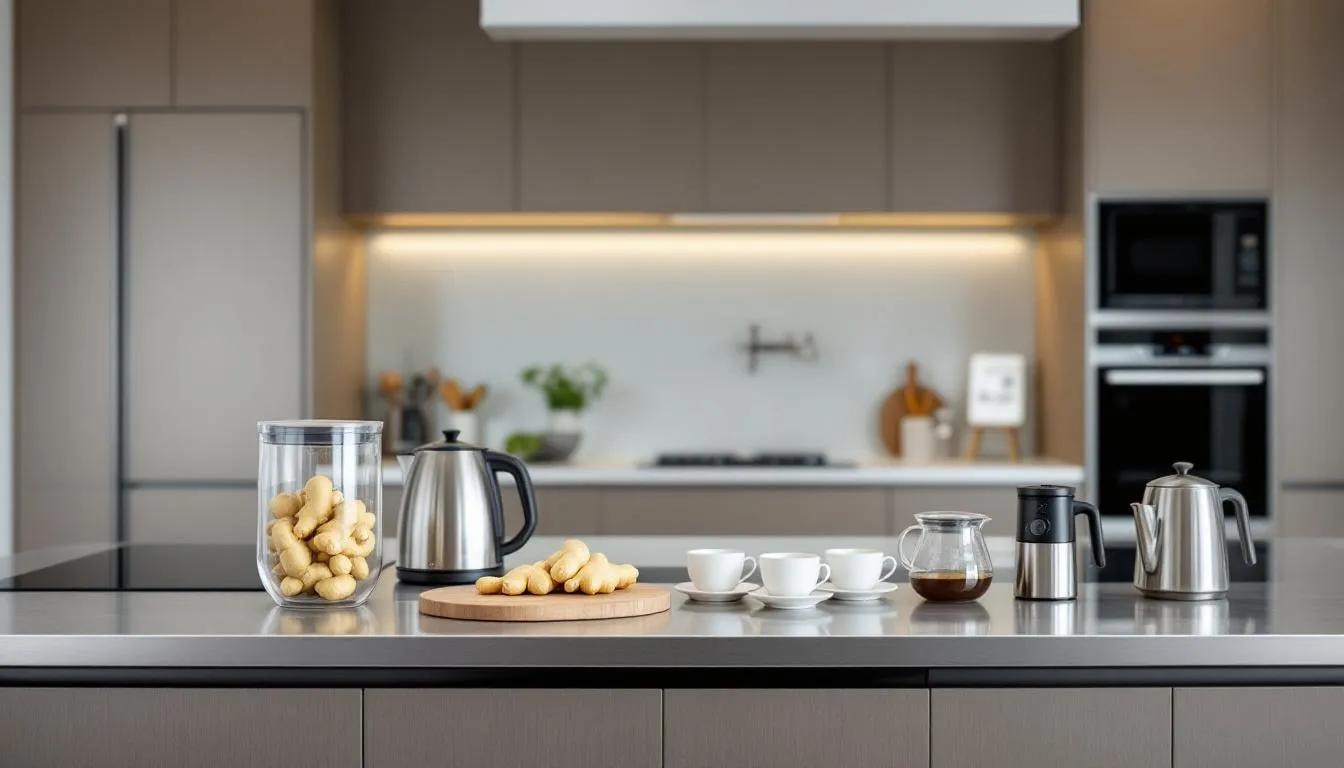
Batch preparation of ginger concentrate saves time and ensures consistent quality. Store in airtight containers refrigerated for up to a week. For best results, keep ginger concentrate or prepared tea in a cool place to maintain its quality and effectiveness. Freezing sliced or grated ginger in ice cube trays allows easy portion control for quick brewing.
In offices, aged ginger powder sachets are perfect, just add hot water and stir. Mid-morning or post-big meal consumption offers optimal digestive and warming benefits. Adding chia seeds can enhance nutrition and texture for a satisfying sip. Many Singapore ginger tea enthusiasts also enjoy pairing their brew with red dates for added sweetness and health benefits, creating a wholesome traditional experience.
Whether you prefer your ginger tea with a touch of coffee flavor or simply as a pure infusion, the versatility of Singapore ginger tea makes it a beloved choice. If you have any question about preparation or sourcing, local specialty shops and online retailers provide expert advice and quality products.
Popular Ginger Tea Styles in Singapore
- Simple Chinese Ginger Tea: Pure fresh ginger simmered with rock sugar in hot water creates a clean, therapeutic brew traditionally consumed for its nourishing benefits.
- Indian Masala Chai with Ginger: A robust blend of ginger, spices, black tea, milk, and sugar or condensed milk, prepared with the iconic pulling technique, providing rich warmth and digestive support.
- Thai-style Ginger Tea: Strong ginger bases combined with sweetened condensed milk and palm sugar create fiery yet cooling beverages enjoyed hot or iced.
- Peranakan Ginger Tea: Complex blends featuring pandan, coconut milk, and spices, offering layered flavors that reflect cultural heritage and ceremonial use.
- Modern Wellness Blends: Incorporating turmeric, chia seeds, honey, and sugar-free sweeteners, these blends cater to contemporary tastes and health goals.
Storage Tips for Singapore’s Humid Climate
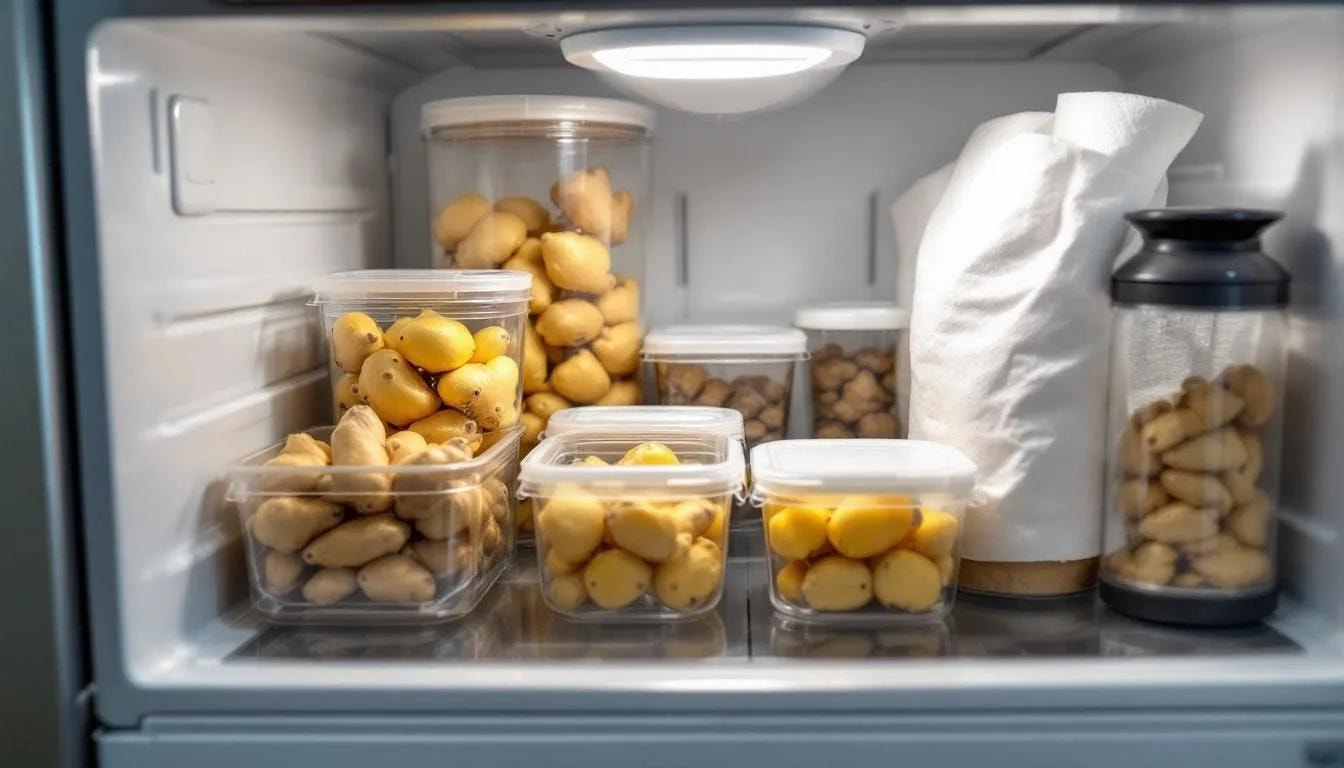
Store fresh ginger in the refrigerator’s crisper wrapped in paper towels to manage moisture. Avoid sealed plastic bags to prevent mold. Freeze portions for long-term use.
Dried ginger requires airtight containers with silica gel packets to maintain quality. Prepared tea concentrate can be refrigerated or frozen in portions for convenience.
Ginger Tea versus Ginger-Infused Beverages
Authentic ginger tea features pure ginger extraction with natural compounds, rich aroma, and therapeutic benefits. Commercial ginger beverages often contain minimal real ginger and high sugar, reducing health value.
Ginger-infused green or black teas add antioxidants and caffeine but differ in flavor and effects. Carbonated ginger sodas may contain artificial flavors and excessive sugar, making them less suitable for daily wellness.
Learning Resources and Cultural Context
Tea Manor Singaporeoffers comprehensive educational platforms covering Singapore ginger tea traditions, preparation methods, and cultural significance. Community events, workshops, and online forums support knowledge sharing and preservation of traditional wisdom.
Understanding Singapore’s multicultural ginger tea heritage enriches appreciation and guides authentic, effective preparation for modern wellness.
Conclusion: Embracing the Warmth and Wellness of Singapore Ginger Tea
Singapore ginger tea is more than just a comforting beverage; it’s a vibrant reflection of the island’s rich cultural heritage and a true testament to the enduring popularity of this aromatic aged ginger tea. Whether you enjoy it as a simple fresh ginger infusion, a robust Indian masala chai, or a modern wellness blend with chia seeds and honey, Singapore ginger tea offers nourishing benefits that perfectly suit the tropical climate and diverse lifestyle here.
From the soothing warmth it takes to ease digestion after a big meal to the immune-boosting antioxidants it provides, this popular spice is a daily favorite for many. So, why not embrace the tradition and give yourself the gift of comforting sips, rich flavors, and holistic benefits? Singapore ginger tea is truly a treasure in the Lion City’s wellness landscape.
If you’re looking for Tea in different parts of Singapore, you’ll enjoy reading Where Tea Meets Cuppage Plaza Food: Restaurants That Serve Both Well

The Problem With “Single-Origin” Tea Obsession
There was a time when knowing where a tea came from was enough. Now, it sometimes feels as though we need to know everything. The mountain. The village. The garden. The harvest date. The particular plot where the leaves were grown. Single-origin tea has become a mark of quality in modern tea culture. The idea…
-
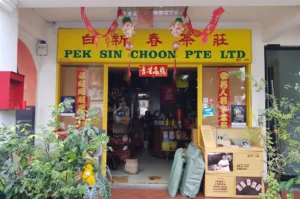
Where Singapore’s Tea Traditions Still Steep: Pek Sin Choon
The first thing I noticed was the smell. Not perfume, not incense. Something warmer and older than both. Roasted tea leaves, drifting out onto Mosque Street before I even reached the door. It’s the kind of smell that makes you slow your steps without knowing why. Pek Sin Choon has been on this corner of…
-
Not All Comfort Is Sweet: The Bitterness I Now Appreciate
I used to think comfort was supposed to be easy. A familiar drink. A familiar taste. Something that immediately made me feel better. For a long time, I gravitated towards teas that were gentle. Soft flavours. Natural sweetness. Anything that felt welcoming from the first sip. Then I started appreciating bitter teas. Not because I…
-
Understanding the Herb Behind the Refreshing Cup: Peppermint Tea
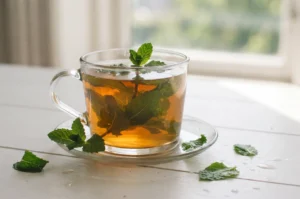
There is a moment, just after the hot water meets the fresh peppermint leaves, when the whole room seems to change. A sharp, green coolness lifts from the cup and settles somewhere behind your eyes. Drinking peppermint tea does this quietly, without fuss. It asks for nothing and offers a great deal. Most of us…
-
Why Most People Hate Oolong: Overcomplicated Advice Ruined It
I have always found it interesting that oolong tea is one of the most misunderstood teas. People often describe it as complicated. Too many varieties. Too many brewing methods. Too many rules. The leaves should be prepared this way. The water should be at this temperature. The teapot should be a certain material. The first…
-
Kempinski Singapore High Tea Review: When Afternoon Tea Feels Like an Occasion
The rain had come and gone by the time I arrived, leaving the street outside slick and quiet. I stepped in without knowing quite what I wanted from the afternoon. Only that I wanted it to be slow. The Lobby Lounge at The Capitol Kempinski Hotel Singapore does not rush you. It waits. And there…
-
Scent, Memory, and a Kettle: How Tea Anchors My Days
There are certain smells that bring us somewhere else before we even realise it. The scent of rain on warm pavement. A familiar perfume. The food someone used to make when we were younger. For me, tea belongs in that category. Sometimes, before I even take a sip, the aroma is enough to bring back…
-
The Chinese Yixing Teapot: More Than a Teapot, a Living Tea Tradition
The first time I held a Chinese Yixing teapot, I wasn’t ready for how warm it would feel. Small, reddish-brown, sitting in my palm like a river stone that had been kept somewhere warm. I’d just rinsed it with hot water, the way you’re supposed to before the first brew, and the clay drank up…
-
Your “Tea Sommelier” Might Be Selling You a Vibe, Not a Better Cup
There is a particular moment that has become increasingly familiar in modern tea culture. A tea is presented. Before the first sip, we are introduced to its story. The region. The altitude. The history. The carefully chosen words that describe its character. Perhaps there are notes of wildflowers, distant forests, roasted grains, or forgotten memories….
-
Does Tea Contain Caffeine? Understanding What’s Really in Your Tea
There’s a quiet moment many of us know well. The kettle clicks off. Steam curls up. You wrap your hands around a warm cup and feel your shoulders drop, just a little. Tea has always carried this sense of calm, of slowing down. So it can feel almost contradictory to ask: does tea contain caffeine?…