Is green tea healthy? The short answer is a resounding yes. For thousands of years, this beverage from the Camellia sinensis plant has been celebrated not only for its soothing taste but also for its numerous health benefits. Modern research continues to validate what tradition long suggested: drinking green tea regularly offers powerful advantages for overall wellness. This article breaks down seven science-backed benefits of green tea and explains why incorporating it into your routine may improve multiple aspects of your health.
1. Powerful Antioxidant Protection — Advantages of Green Tea

Green tea is packed with beneficial polyphenols, particularly green tea catechins like EGCG (epigallocatechin gallate). The green tea polyphenol EGCG is especially notable for its antioxidant properties. These compounds act as potent antioxidants, defending your cells against oxidative stress caused by free radicals. Studies show that green tea contains higher antioxidant levels than most fruits and vegetables. By consuming green tea daily, you can support your body in protecting DNA, reducing inflammation, and potentially lowering the long-term risk of chronic diseases such as cancer and cardiovascular diseases. Some studies suggest that green tea consumption may help reduce cancer risk, particularly in populations with high green tea intake, but more research is needed to confirm these effects.
Whether you choose brewed green tea from fresh green tea leaves or tea bags, the antioxidant properties are a major reason why green tea may help maintain cellular health and promote longevity.
2. Brain Health — Drinking Green Tea for Cognitive Function
Looking for a natural way to boost focus and brain health? Drinking green tea provides a unique combination of caffeine (in moderate amounts) and the amino acid L-theanine, producing a state of calm alertness. Research shows this synergy improves working memory, attention, and cognitive performance without the jitters often associated with coffee consumption.
Some studies suggest that green tea's neuroprotective properties may even slow cognitive decline and reduce the risk of Alzheimer’s disease, particularly in middle-aged individuals. Regular green tea consumption has been linked to improved alpha-wave activity in the brain, supporting relaxed focus and mental clarity.
3. Metabolism Support and Weight Management
Green tea benefits for metabolism and weight management are among the most studied. Green tea catechins help increase thermogenesis, which can raise the number of calories burned during daily activities. Research indicates that three to five cups of green tea daily may enhance weight loss efforts and support healthy body composition. Consuming more green tea may further support weight management and metabolic health.
Consuming green tea before exercise may further optimize fat burning. While green tea may not be a magic solution for shedding pounds, it works best as part of a balanced diet and active lifestyle. Even decaf green tea retains some beneficial polyphenols, allowing non-tea drinkers or caffeine-sensitive individuals to reap many health benefits. Those looking to manage their caffeine intake can drink green tea for metabolism support, as it contains less caffeine than coffee.
4. Heart Health — Green Tea Backed by Science
Cardiovascular health is strongly supported by green tea consumption. Studies suggest moderate green tea consumption can improve blood vessels, reduce LDL cholesterol, and lower the risk of heart disease. Research suggests that four or more cups per day may reduce high blood pressure and major risk factors for cardiovascular diseases.
Heart disease remains a major risk factor worldwide, with high blood pressure, elevated cholesterol, and unhealthy lifestyle habits contributing to cardiovascular complications. Drinking green tea regularly can be a simple yet effective strategy to support heart health.
Green tea polyphenols help improve the function of blood vessels, reduce LDL (“bad”) cholesterol, and support healthy blood pressure levels. Long-term studies in populations with high green tea consumption show lower rates of cardiovascular diseases and reduced risk of heart attack or stroke.
Moderate green tea consumption, such as two to three cups daily, provides sufficient beneficial polyphenols to support arterial function, reduce inflammation, and maintain healthy blood vessels. Some research even suggests that four or more cups may further enhance cardiovascular protection, contributing to lower long-term risk of heart disease.
For optimal benefits, adding green tea to a balanced diet rich in fruits, vegetables, and whole grains can complement other lifestyle medicine strategies for heart health. Whether consumed as brewed green tea, tea bags, or high-quality green tea leaves, this ancient beverage is a heart-smart addition to your daily routine.
5. Blood Sugar Regulation
Managing blood sugar is critical for preventing diabetes risk and related diabetic complications. Green tea catechins improve insulin resistance and support stable glucose levels. Regular green tea consumption may reduce glycemic and lipidemic status, helping to prevent post-meal spikes.
Green tea supplementation or adding green tea to meals can be a useful lifestyle medicine approach for middle-aged adults or anyone looking to support metabolic health. Studies also show that tea contains caffeine in moderation, which may synergize with polyphenols for optimal blood sugar regulation.
6. Skin Health — Green Tea May Protect and Rejuvenate
Green tea may enhance skin health thanks to its antioxidant properties and anti-inflammatory effects. Green tea polyphenols combat oxidative stress, which contributes to premature aging and skin damage. Topical green tea extract has been shown to improve skin elasticity and reduce UV-induced damage, while drinking green tea internally supports hydration and cellular protection. Green tea extracts, both topical and supplemental, are being studied for their potential health benefits, including antioxidant effects, cancer prevention, weight loss, and skin protection, but should be used with attention to safety, possible side effects, and interactions with medications.
Regular green tea daily may complement a balanced diet to maintain youthful, radiant skin and defend against environmental stressors.
7. Oral Health — Supporting a Healthy Smile
Green tea contains natural compounds, including antibacterial tea polyphenols, that offer a range of oral health benefits. These compounds help reduce plaque formation, inhibit bacterial growth, and support gum health, making regular tea consumption an easy and effective way to maintain a healthier mouth.
Studies suggest that drinking green tea daily can lower the risk of dental cavities, reduce bad breath, and even protect against gum inflammation. The antioxidants in green tea catechins also help neutralize free radicals in the oral cavity, which may support tissue health and reduce long-term damage to gums and teeth.
Green tea may also enhance the oral microbiome, promoting a balance of good bacteria that help defend against infections and oral diseases. For those concerned with oral health, incorporating green tea leaves into your daily routine—whether as brewed green tea or tea bags—is a natural, preventative approach that complements brushing and flossing.
Some studies even indicate that green tea supplementation can provide concentrated tea polyphenols that boost these oral benefits, though traditional brewing is generally preferred for safety and overall wellness. Combined with a balanced diet and moderate green tea consumption, this ancient beverage is an easy and enjoyable way to protect your teeth and gums while supporting overall health.
Maximizing the Potential Health Benefits of Green Tea

To fully enjoy the advantages of green tea, here are practical tips:
- Enjoy green tea as a morning or afternoon beverage instead of coffee to reduce too much caffeine.
- Drink three to five cups daily for optimal green tea backed benefits.
- Adding green tea to meals or workouts may aid weight loss and support metabolic health.
- Use high-quality green tea leaves or matcha for a higher concentration of green tea catechins and polyphenols.
- Opt for decaf green tea in the evening to maintain brain health and avoid sleep disruption.
- Rotate between hot tea and iced brewed green tea to make regular tea intake enjoyable.
- Consider drinking tea, especially green tea, to support bone health by improving bone density and possibly helping prevent osteoporosis.
Moderate green tea consumption fits seamlessly into a balanced diet, enhancing heart health, skin health, brain health, and overall vitality.
How Much Green Tea Is Safe and Effective?
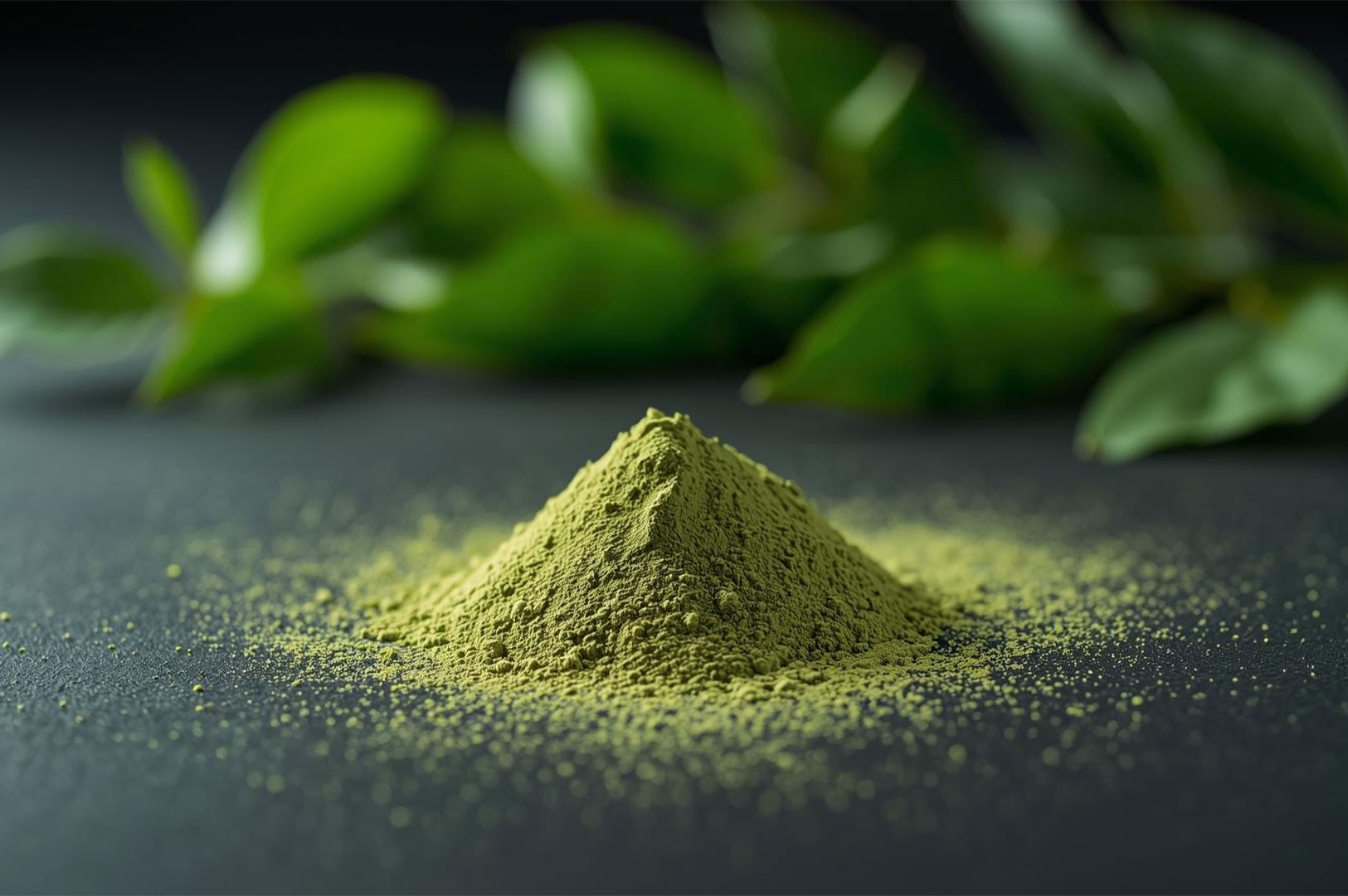
Most research recommends two to three cups of green tea daily for maximum potential health benefits. These are possible health benefits supported by current research, but individual results may vary. Some evidence shows four or more cups may improve cardiovascular health, blood sugar regulation, and weight management. Excessive consumption can lead to mild digestive upset or too much caffeine, so moderation is key. These recommendations are based on science green tea studies that examine the effects of green tea on health.
Even green tea extract supplements should be taken cautiously, as high doses may stress the liver. For holistic benefits, traditional brewed green tea or tea bags from fresh leaves remain the safest option.
The Verdict — Why You Should Enjoy Green Tea
Green tea is a powerhouse of health benefits, from enhancing brain health and heart health to supporting weight management, skin health, oral health, and potentially lowering Alzheimer’s disease risk. Research suggests that incorporating green tea daily into your balanced diet can improve long-term wellness, making it one of the healthiest beverages available.
Compared to black tea, which is oxidized and has a bolder flavor and higher caffeine content, green tea contains less caffeine and more antioxidants, making it a preferred choice for many seeking wellness advantages.
Ready to explore the world of green tea more deeply? Our Complete Guide to Drinking Green Tea covers brewing techniques, variety selection, and the rich traditions behind this ancient beverage.

The Problem With “Single-Origin” Tea Obsession
There was a time when knowing where a tea came from was enough. Now, it sometimes feels as though we need to know everything. The mountain. The village. The garden. The harvest date. The particular plot where the leaves were grown. Single-origin tea has become a mark of quality in modern tea culture. The idea…
-
Where Singapore’s Tea Traditions Still Steep: Pek Sin Choon
The first thing I noticed was the smell. Not perfume, not incense. Something warmer and older than both. Roasted tea leaves, drifting out onto Mosque Street before I even reached the door. It’s the kind of smell that makes you slow your steps without knowing why. Pek Sin Choon has been on this corner of…
-
Not All Comfort Is Sweet: The Bitterness I Now Appreciate
I used to think comfort was supposed to be easy. A familiar drink. A familiar taste. Something that immediately made me feel better. For a long time, I gravitated towards teas that were gentle. Soft flavours. Natural sweetness. Anything that felt welcoming from the first sip. Then I started appreciating bitter teas. Not because I…
-
Understanding the Herb Behind the Refreshing Cup: Peppermint Tea
There is a moment, just after the hot water meets the fresh peppermint leaves, when the whole room seems to change. A sharp, green coolness lifts from the cup and settles somewhere behind your eyes. Drinking peppermint tea does this quietly, without fuss. It asks for nothing and offers a great deal. Most of us…
-
Why Most People Hate Oolong: Overcomplicated Advice Ruined It
I have always found it interesting that oolong tea is one of the most misunderstood teas. People often describe it as complicated. Too many varieties. Too many brewing methods. Too many rules. The leaves should be prepared this way. The water should be at this temperature. The teapot should be a certain material. The first…
-
Kempinski Singapore High Tea Review: When Afternoon Tea Feels Like an Occasion
The rain had come and gone by the time I arrived, leaving the street outside slick and quiet. I stepped in without knowing quite what I wanted from the afternoon. Only that I wanted it to be slow. The Lobby Lounge at The Capitol Kempinski Hotel Singapore does not rush you. It waits. And there…
-
Scent, Memory, and a Kettle: How Tea Anchors My Days
There are certain smells that bring us somewhere else before we even realise it. The scent of rain on warm pavement. A familiar perfume. The food someone used to make when we were younger. For me, tea belongs in that category. Sometimes, before I even take a sip, the aroma is enough to bring back…
-
The Chinese Yixing Teapot: More Than a Teapot, a Living Tea Tradition
The first time I held a Chinese Yixing teapot, I wasn’t ready for how warm it would feel. Small, reddish-brown, sitting in my palm like a river stone that had been kept somewhere warm. I’d just rinsed it with hot water, the way you’re supposed to before the first brew, and the clay drank up…
-
Your “Tea Sommelier” Might Be Selling You a Vibe, Not a Better Cup
There is a particular moment that has become increasingly familiar in modern tea culture. A tea is presented. Before the first sip, we are introduced to its story. The region. The altitude. The history. The carefully chosen words that describe its character. Perhaps there are notes of wildflowers, distant forests, roasted grains, or forgotten memories….
-
Does Tea Contain Caffeine? Understanding What’s Really in Your Tea
There’s a quiet moment many of us know well. The kettle clicks off. Steam curls up. You wrap your hands around a warm cup and feel your shoulders drop, just a little. Tea has always carried this sense of calm, of slowing down. So it can feel almost contradictory to ask: does tea contain caffeine?…