I have a confession.
I don’t think every tea lover needs to love every tea.
That sounds obvious when written down, but spend enough time around tea enthusiasts and you may start to think otherwise.
Someone discovers that you enjoy tea.
The questions begin.
Do you drink green tea?
What about pu-erh?
Have you tried aged white tea?
Sometimes it feels as though tea appreciation comes with an invisible checklist. The more teas you enjoy, the more qualified you become to call yourself a tea lover.
But I’ve never been convinced that’s how it works.
After all, we don’t apply this logic to most other things. Nobody expects a music lover to enjoy every genre of music. Nobody questions whether someone loves books because they dislike a particular author.
Yet tea seems different.
For some reason, people feel strangely guilty admitting they dislike certain teas.
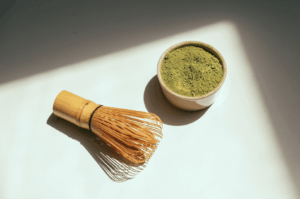
Matcha might be the best example.
Its popularity has exploded in recent years. Walk into almost any café and you’ll find matcha somewhere on the menu. Social media treats it as the unofficial symbol of modern tea culture.
And yet plenty of tea drinkers simply don’t enjoy it.
The earthy flavour can be intense. The texture can feel unusual. Some people never develop a taste for it no matter how many times they try.
And that’s perfectly reasonable.
The same is true for pu-erh. Or heavily roasted oolongs. Or delicate white teas.
Liking tea and liking every tea are not the same thing.
In fact, personal preference is probably what makes tea culture interesting in the first place.
Ask ten tea drinkers about their favourite tea and you’ll likely receive ten different answers. Those differences are not evidence that someone understands tea less than another person.
They are evidence that taste is personal.
Perhaps tea culture would feel more welcoming if we talked about preferences more openly.
Not every tea needs to become your favourite.
Not every famous tea needs to impress you.
And not every tea trend needs to win you over.
Sometimes being a tea lover simply means continuing to search for the teas that feel right to you.
Even if everyone else seems to prefer something different.
— Maria Tan
On tea, culture, and everyday rituals.

Ceylon High Grown Tea: The Bright, Crisp Profiles of Nuwara Eliya
Imagine standing amidst a sea of emerald green on the island of Sri Lanka, where manicured tea bushes climb rolling hills and disappear into a cool, persistent mist. This is the world of Ceylon high grown tea, centred in Nuwara Eliya – a region characterized by bright sunshine in the morning and cool, misty nights….
-
Masala Chai Origins: The Cultural Evolution of India’s Spiced Tea Tradition
The rhythmic clanging of metal kettles echoes through narrow lanes as steam rises from countless chai stalls across India. The intoxicating aroma of cardamom, cinnamon, and fresh ginger mingles with robust black tea, creating an olfactory symphony that has captivated souls for centuries. This is masala chai-not merely a beverage, but a cultural phenomenon that…
-
Matcha Tea: The Versatile Japanese Green Tea Powder
The vibrant green powder that transforms simple hot water into liquid jade has captivated tea enthusiasts worldwide. Matcha tea represents more than just a trendy beverage-it’s a bridge connecting ancient Japanese traditions with modern culinary innovation. This unique form of powdered green tea offers endless possibilities, from meditative ceremonial drinking to creative kitchen applications that…
-
The Dragon Well Legacy: Exploring China’s Legendary Longjing Tea
Among the world’s most revered green teas, few carry the prestige and cultural significance of China’s legendary Dragon Well. This premium tea has captivated tea enthusiasts for centuries, earning its place as an imperial favourite and modern icon alike. From its mystical origins at West Lake to its meticulous processing methods, Longjing represents the pinnacle…