
Categories

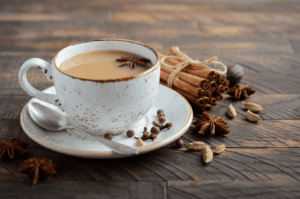
Rustic cup of masala chai on a saucer surrounded by whole spices including star anise, green cardamom pods, fennel seeds, and cinnamon sticks, evoking authentic masala chai traditions of the Indian subcontinent. This hot cup of chai tea blends black tea, darjeeling tea, or assam tea with fresh ginger, ground ginger, chai masala powder, and aromatic spices from tea plantations in South India, creating spiced tea beloved in Indian tea culture. Perfect for tea drinkers enjoying tea breaks, tea drinking rituals, or indian tea drinking at tea stalls, local coffee shop, or coffee shops. The masala chai translates to traditional Indian tea brewed with milk and sugar, oat milk, or steamed milk, sweetened with brown sugar, coconut sugar, or maple syrup. Made with black tea bags, loose tea, ctc tea, or green tea, this chai latte or chai tea latte can be aerate chai for a frothy milky cup or milky tea. Infused with tea masala, masala tea, spice mix, fragrant spices, and aromatic herbs, it’s prepared using a spice grinder and ground spices for the perfect cup. Rooted in indian masala chai heritage, it reflects tea trade, tea board standards, tea production, and tea sellers or tea vendors sourcing all the spices from south asian grocery stores. Whether served by chai vendors or enjoyed at home, this cup of chai celebrates tea brewed from the tea plant, ceylon cinnamon, and why this recipe remains a favorite among tea produced in Indian tea traditions.

Masala Chai Origins: The Cultural Evolution of India’s Spiced Tea Tradition

September 13, 2025

The rhythmic clanging of metal kettles echoes through narrow lanes as steam rises from countless chai stalls across India. The intoxicating aroma of cardamom, cinnamon, and fresh ginger mingles with robust black tea, creating an olfactory symphony that has captivated souls for centuries. This is masala chai-not merely a beverage, but a cultural phenomenon that…

Read More
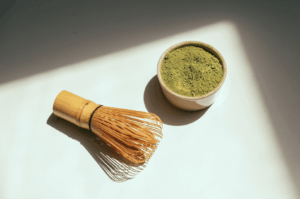
A bamboo whisk (chasen) lies beside a bowl of vibrant green matcha powder, illuminated by sunlight—symbolizing the essence of japanese tea ceremonies and the artistry of tea masters. This image showcases ceremonial grade matcha and culinary grade matcha, highlighting the difference between superior ceremonial matcha and culinary grade matcha powder used in matcha lattes, smoothies, desserts, and baking. Naoki matcha and other high quality matcha brands are produced from shade-grown tea plants and first harvest tea leaves in Japan, offering an umami taste, strong flavor, and smooth texture. Stone ground powder with fine particle size determines matcha grades, from highest grade ceremonial matcha to culinary grade used in cooking and mixed beverages. Not all matcha is equal—good matcha has a vibrant green color, low bitterness, and is often steamed and sweetened with sugar or milk. Whether drinking japanese green tea or green tea lattes, the flavor, form, and quality are determined based on grade matcha powder. Matcha, sencha, and other green teas differ in taste, bitterness, and use in food, coffee alternatives, and sweet or savory recipes. This image evokes the ritual of hot water preparation, the role of the whisk, and the cultural significance of japanese tea, highlighting how matcha is ground, mixed, and enjoyed across different grades and applications.

Matcha Tea: The Versatile Japanese Green Tea Powder

September 11, 2025

The vibrant green powder that transforms simple hot water into liquid jade has captivated tea enthusiasts worldwide. Matcha tea represents more than just a trendy beverage-it’s a bridge connecting ancient Japanese traditions with modern culinary innovation. This unique form of powdered green tea offers endless possibilities, from meditative ceremonial drinking to creative kitchen applications that…

Read More
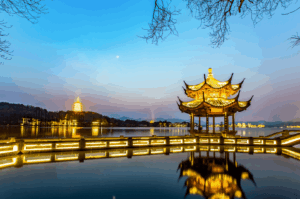
Twilight view of a traditional Chinese pavilion and illuminated pagoda by the tranquil West Lake at Hangzhou, evoking the refined heritage and calming ritual of sipping authentic Longjing tea.

The Dragon Well Legacy: Exploring China’s Legendary Longjing Tea

September 6, 2025

Among the world’s most revered green teas, few carry the prestige and cultural significance of China’s legendary Dragon Well. This premium tea has captivated tea enthusiasts for centuries, earning its place as an imperial favourite and modern icon alike. From its mystical origins at West Lake to its meticulous processing methods, Longjing represents the pinnacle…

Read More