The vibrant green powder that transforms simple hot water into liquid jade has captivated tea enthusiasts worldwide. Matcha tea represents more than just a trendy beverage—it's a bridge connecting ancient Japanese traditions with modern culinary innovation. This unique form of powdered green tea offers endless possibilities, from meditative ceremonial drinking to creative kitchen applications that would surprise traditional tea masters.
The Ancient Origins of Japanese Green Tea
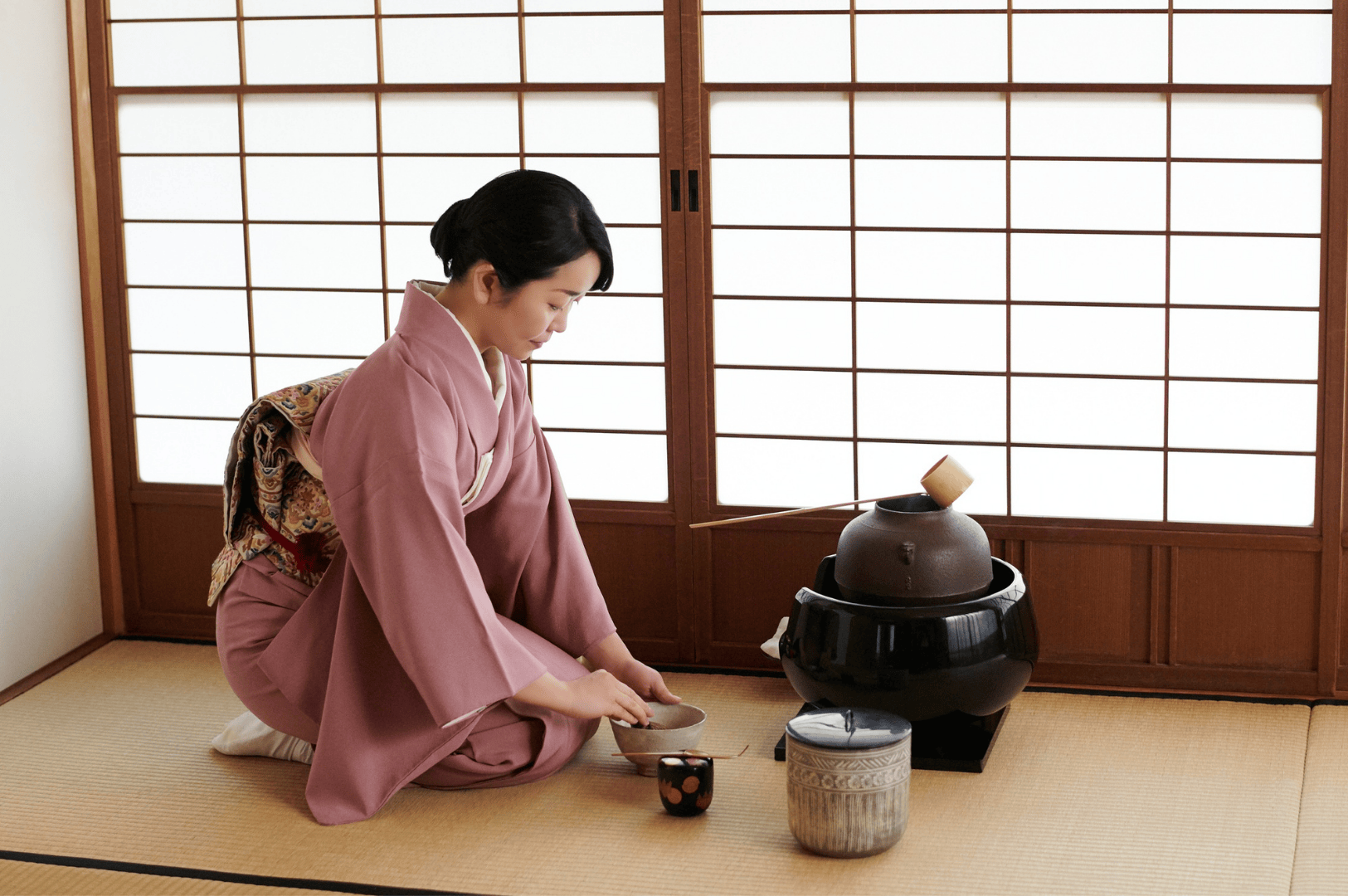
The story of matcha tea begins not in Japan, but in China during the Tang Dynasty (618-907 CE). Chinese Buddhist monks discovered that grinding tea leaves into powder created a more concentrated, energizing drink perfect for long meditation sessions. When Japanese Buddhist monks traveled to China in the 12th century, they brought this powdered tea tradition back to Japan.
Japanese tea masters refined the Chinese method, developing sophisticated tea ceremonies that elevated matcha from a simple beverage to a spiritual practice. These ceremonies, known as "chanoyu," became central to Japanese culture, emphasizing mindfulness, respect, and aesthetic beauty. This meticulous attention to detail required in traditional tea preparation influenced every aspect of matcha production.
The cultivation methods developed centuries ago continue shaping modern matcha production. Tea plants grown in shade for three to four weeks before harvest produce leaves with enhanced chlorophyll content and complex amino acid profiles. This ancient technique, called "tana," forces plants to work harder in reduced sunlight, concentrating flavors and nutrients that define authentic Japanese green tea.
Understanding Different Grades of Matcha
Not all matcha is created equal, and understanding matcha grades helps you choose the right powder for your needs. The quality is determined based on several critical factors: harvest timing, particle size, color intensity, and overall flavor profile.
The highest grade matcha comes from the first harvest of spring, when tea leaves contain peak concentrations of amino acids and minimal tannins. These young leaves, carefully selected and stone ground using traditional granite mills, produce the finest ceremonial grade matcha powder.
Different grades serve distinct purposes. Ceremonial grade matcha represents the pinnacle of quality, designed for traditional tea ceremonies and pure drinking experiences. Culinary grade matcha, while still high-quality, features a stronger flavor profile that stands up well when mixed with other ingredients in cooking and baking applications.
The grinding process itself affects quality. Traditional stone grinding creates particles of optimal size—fine enough to dissolve completely yet retaining enough texture to create the signature frothy consistency when whisked properly.
Ceremonial Grade Matcha: The Premium Experience
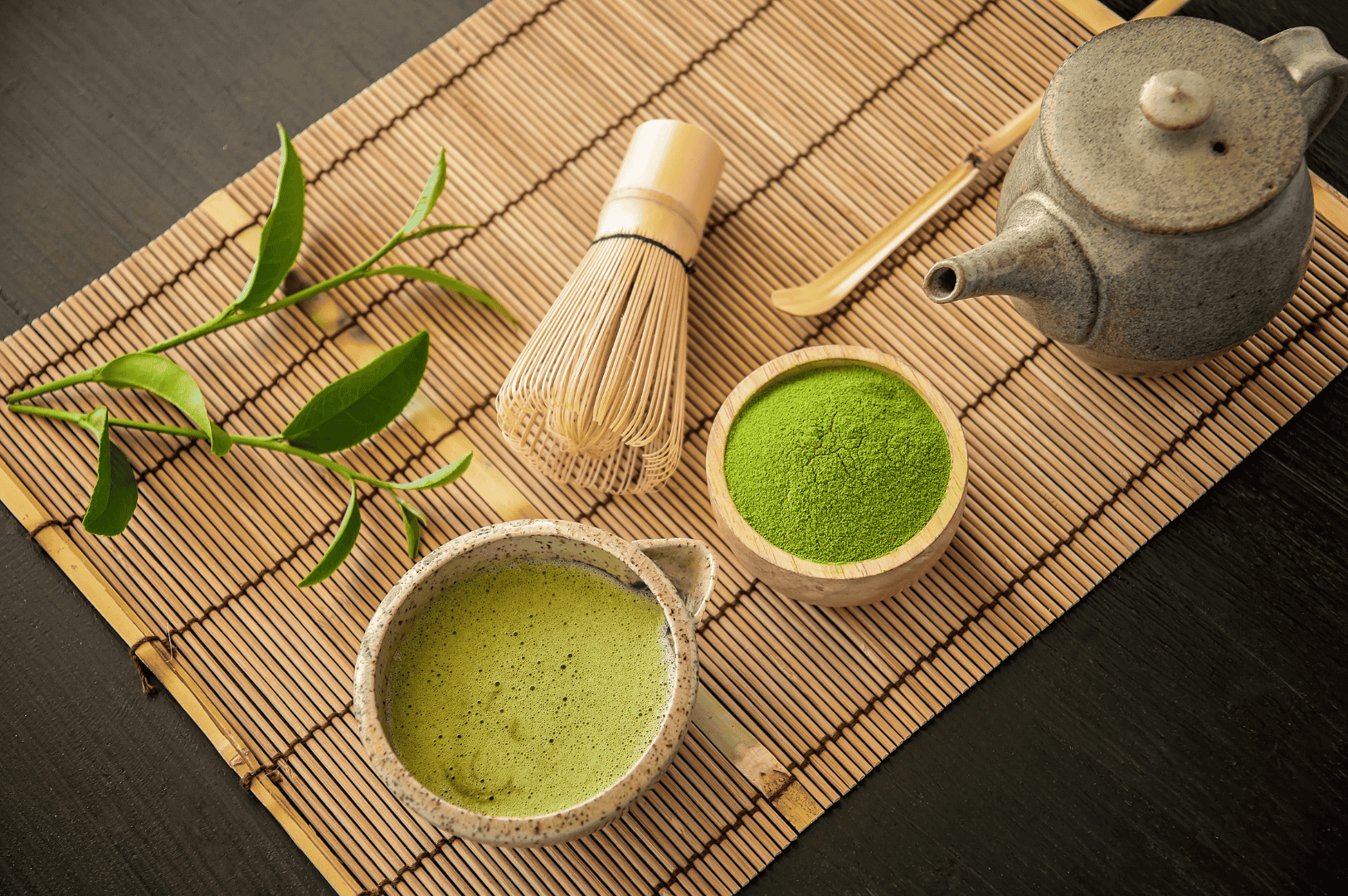
Ceremonial grade matcha powder delivers an unparalleled tea experience that justifies its premium status. Superior ceremonial matcha exhibits a vibrant green color that seems to glow from within—a visual indicator of careful cultivation and processing. Brands like Naoki Matcha exemplify these quality standards, sourcing directly from renowned Japanese tea regions.
The texture of high quality matcha should feel silky between your fingers, with particles so fine they dissolve completely in hot water without leaving gritty residue. When properly prepared, ceremonial matcha creates a smooth, creamy consistency that coats the palate gently.
The flavor profile of good matcha balances complex umami taste with natural sweetness. This savory depth, derived from amino acids concentrated during shade growing, eliminates any harsh bitterness. The drinking experience should be both energizing and calming, thanks to the unique combination of caffeine and L-theanine.
Traditional preparation involves whisking the powder with hot water (around 70-80°C) using a bamboo whisk called a "chasen." The rhythmic whisking motion creates a frothy surface while fully incorporating the powder, resulting in a jade-colored beverage that embodies centuries of Japanese tea culture.
Culinary Grade Matcha: Versatility in the Kitchen
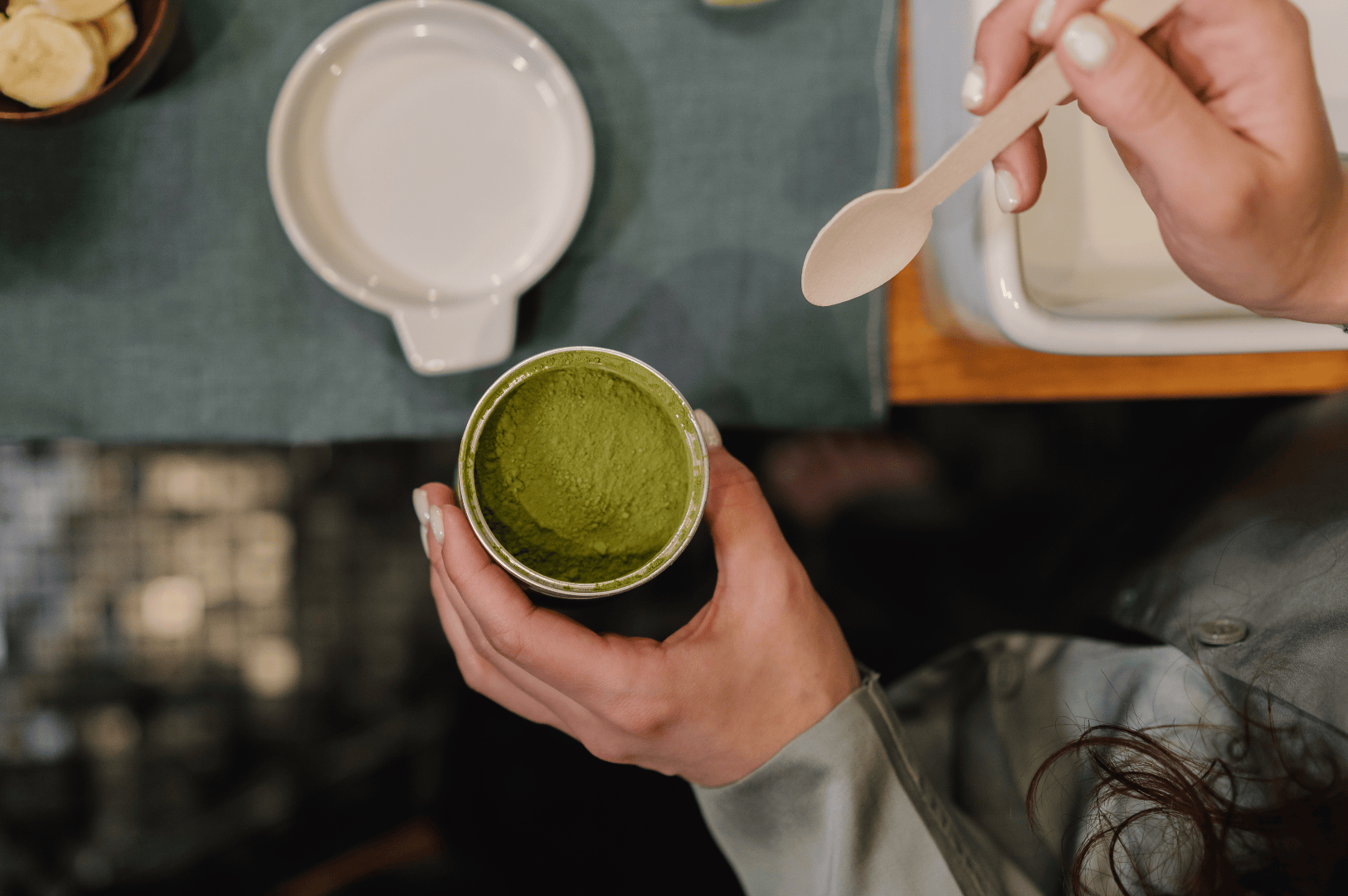
Culinary grade matcha opens up a world of creative possibilities beyond traditional tea drinking. This grade features a stronger flavor designed specifically for mixing with other ingredients, ensuring the distinctive matcha taste shines through in complex recipes.
The slightly more robust character and occasional hint of bitterness actually enhance culinary applications. When combined with milk, sugar, and sweeteners in matcha lattes, the bold flavor creates perfect balance. The powder maintains its vibrant appearance even when exposed to heat during baking or steamed milk preparation.
Culinary applications span an impressive range. In baking, matcha adds earthy complexity to cookies, cakes, and desserts while providing that signature green color. Smoothies benefit from matcha's caffeine content and antioxidants, creating energizing breakfast beverages. Ice cream, chocolates, and confections showcase matcha's versatility in sweet applications.
Professional chefs appreciate culinary grade's consistency in cooking applications. The powder dissolves well in various liquids, from dairy milk to plant-based alternatives, making it perfect for modern café creations and home experiments.
Health Benefits of Green Tea in Powder Form
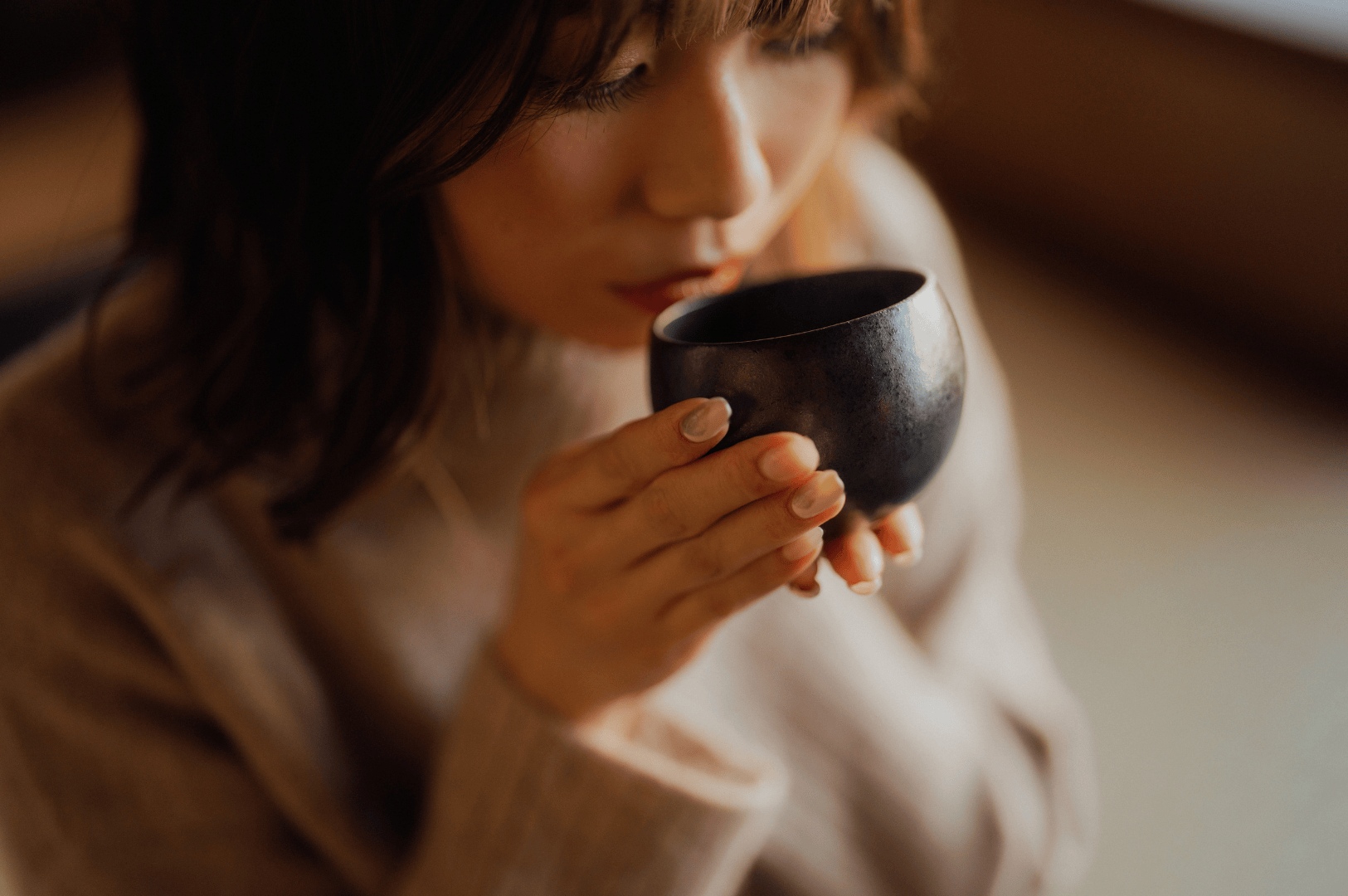
Matcha's health benefits stem from consuming the entire tea leaf rather than just steeping it like conventional green tea. This complete consumption delivers concentrated antioxidants, particularly catechins like EGCG, which support cellular health and may reduce inflammation.
The unique amino acid L-theanine, concentrated in shade-grown tea plants, promotes calm alertness without the jittery effects often associated with coffee. This creates a sustained energy boost that many find superior to coffee's quick spike and crash pattern.
Matcha contains approximately 35mg of caffeine per gram, providing gentle stimulation that lasts several hours. The combination of caffeine and L-theanine produces what enthusiasts describe as "calm focus"—mental clarity without anxiety.
The shade-growing process that produces higher quality leaves also enhances nutritional content. Plants working harder in reduced sunlight concentrate vitamins, minerals, and beneficial compounds that contribute to matcha's reputation as a superfood.
Finding Quality Grade Matcha Powder
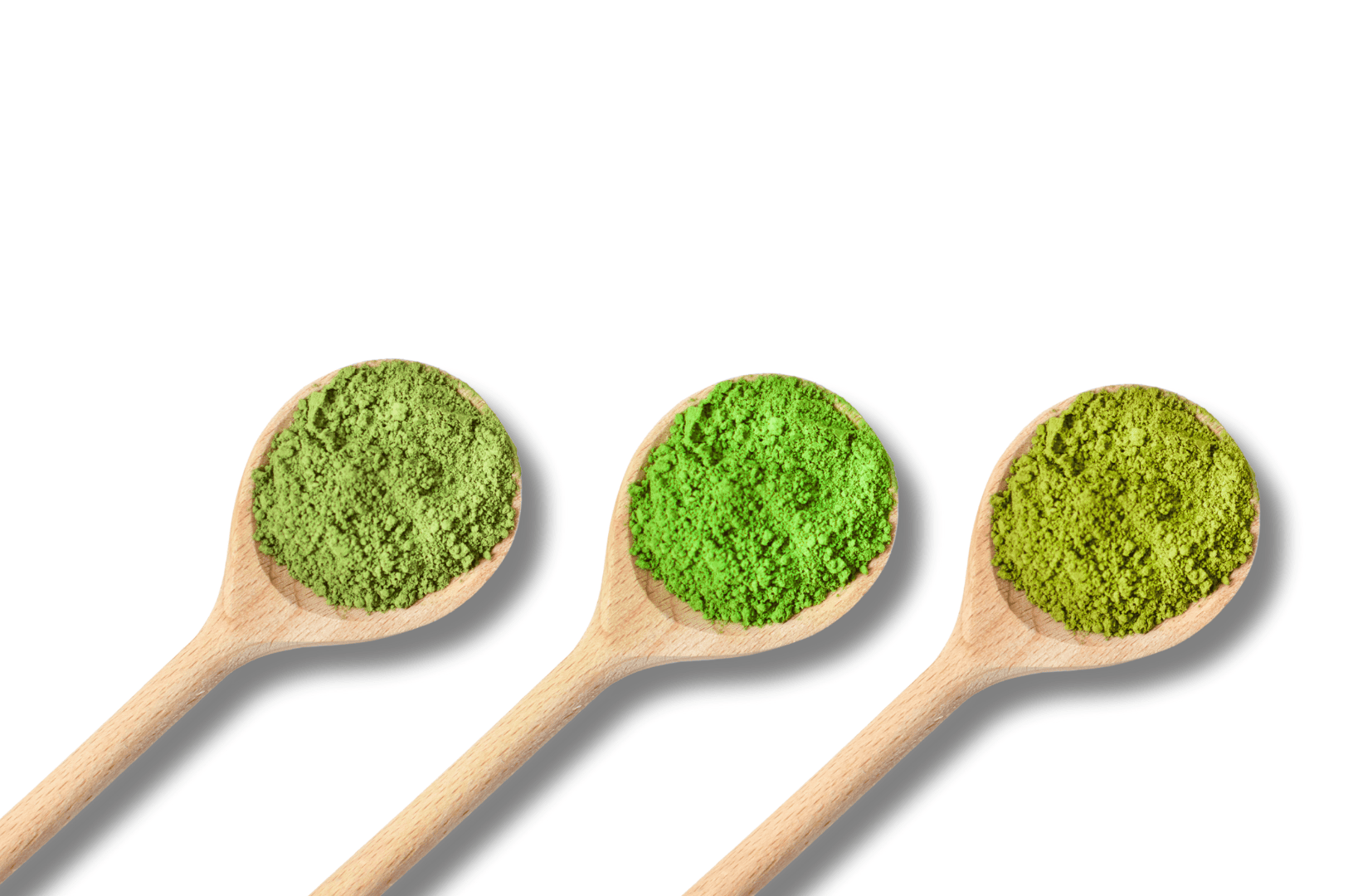
Purchasing authentic matcha requires understanding key quality indicators. The most obvious sign of good matcha is its vibrant green color—avoid yellowish or brownish powders that indicate age or poor processing. Fresh matcha should smell grassy and sweet, never musty or bitter.
Authentic Japanese matcha will clearly state its origin region, such as Uji, Nishio, or other renowned growing areas. The particle size should be extremely fine, and the powder should feel smooth rather than gritty when rubbed between fingers.
Price often reflects quality, though extremely expensive doesn't always mean better. Ceremonial grade typically costs $30-80 for 30 grams, while culinary grade ranges from $15-30. Be wary of unusually cheap matcha, which often contains additives or comes from lower-quality tea plants.
Whether you're drawn to the meditative ritual of traditional tea ceremonies or excited by modern culinary adventures, understanding matcha quality ensures every cup or recipe delivers the authentic experience this remarkable Japanese green tea deserves.
Where to Find High Quality Matcha in Singapore
Reputable sources for ceremonial grade include specialized Japanese tea shops like En Tea House at Takashimaya and online retailers such as Song Fa Trading. For culinary grade matcha, stores like Meidi-Ya and Don Don Donki offer reliable options at reasonable prices.
Price expectations vary significantly: ceremonial grade typically costs $30-80 for 30 grams, while culinary grade ranges from $15-25 for similar quantities. Remember that authentic Japanese matcha commands higher prices than alternatives from other countries.
Quality matcha should list its origin region in Japan, harvest date, and grade clearly on packaging. Avoid products that seem unusually cheap or lack origin information, as these often indicate lower quality or adulterated products.
Conclusion: Embracing the Versatility of Matcha
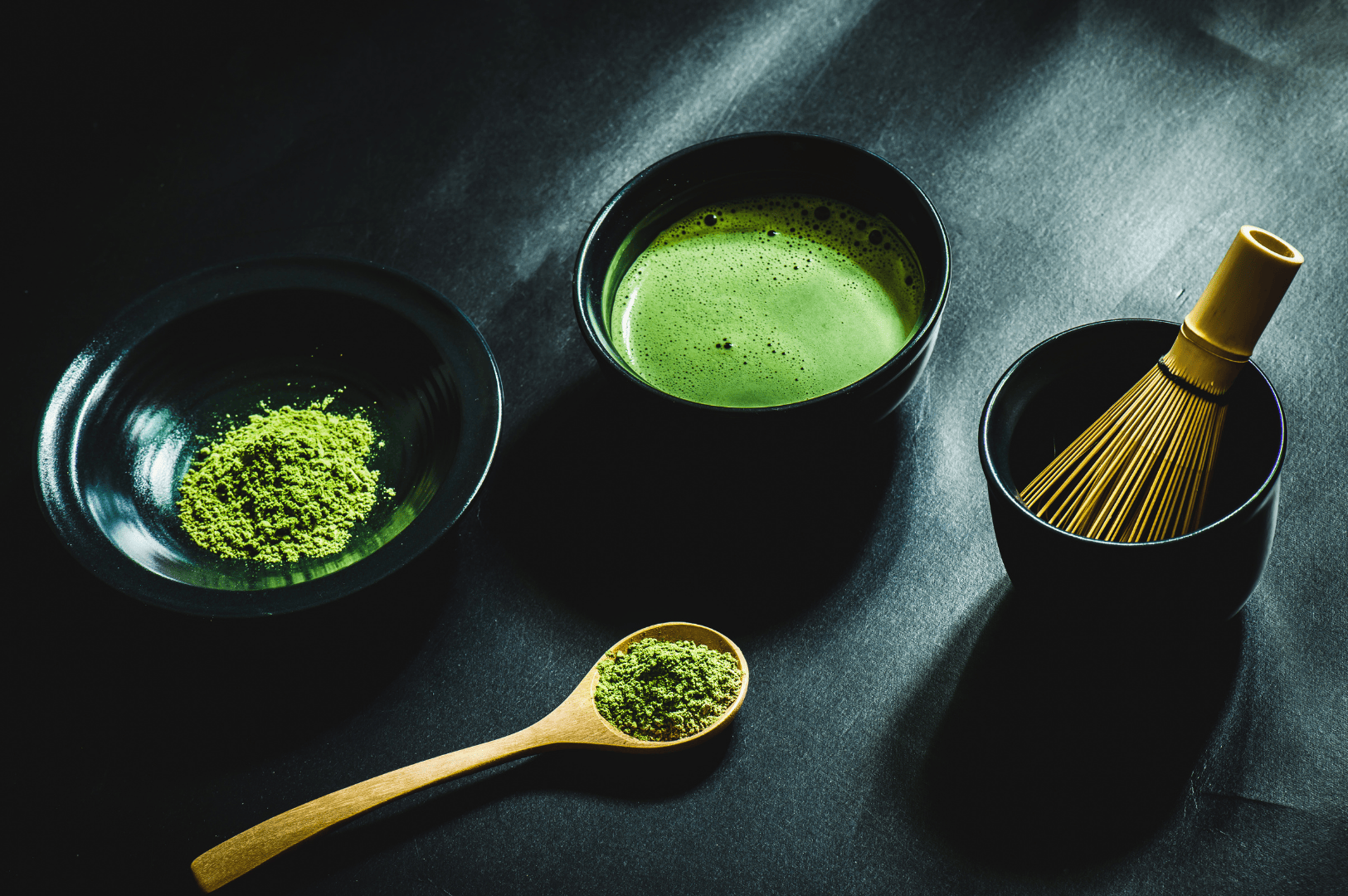
Understanding matcha grades empowers you to make informed choices based on your specific needs and preferences. Ceremonial grade offers the traditional, pure matcha experience perfect for mindful tea drinking, while culinary grade provides versatility for creative kitchen applications.
The key insight is that not all matcha is created equal, and quality absolutely matters. Whether you choose ceremonial or culinary grade, investing in authentic Japanese matcha ensures you experience this remarkable tea as intended.
Start with small quantities of both grades to discover your preferences. Experiment with different brands and origins to develop your palate. Most importantly, remember that the best matcha is the one that brings you joy, whether whisked traditionally or blended into your favorite recipe.
At Tea Manor, we’re passionate about guiding tea lovers on their journey. If you’re curious to expand your tea knowledge beyond matcha, don’t miss our blog on The Dragon Well Legacy: Exploring China’s Legendary Longjing Tea, a deep dive into one of the world’s most celebrated green teas.
We'd love to hear about your matcha journey! Share your experiences with different grades in the comments below, or reach out with questions about finding quality matcha tea in Singapore. Your perfect cup of matcha is waiting to be discovered.

The Problem With “Single-Origin” Tea Obsession
There was a time when knowing where a tea came from was enough. Now, it sometimes feels as though we need to know everything. The mountain. The village. The garden. The harvest date. The particular plot where the leaves were grown. Single-origin tea has become a mark of quality in modern tea culture. The idea…
-
Where Singapore’s Tea Traditions Still Steep: Pek Sin Choon
The first thing I noticed was the smell. Not perfume, not incense. Something warmer and older than both. Roasted tea leaves, drifting out onto Mosque Street before I even reached the door. It’s the kind of smell that makes you slow your steps without knowing why. Pek Sin Choon has been on this corner of…
-
Not All Comfort Is Sweet: The Bitterness I Now Appreciate
I used to think comfort was supposed to be easy. A familiar drink. A familiar taste. Something that immediately made me feel better. For a long time, I gravitated towards teas that were gentle. Soft flavours. Natural sweetness. Anything that felt welcoming from the first sip. Then I started appreciating bitter teas. Not because I…
-
Understanding the Herb Behind the Refreshing Cup: Peppermint Tea
There is a moment, just after the hot water meets the fresh peppermint leaves, when the whole room seems to change. A sharp, green coolness lifts from the cup and settles somewhere behind your eyes. Drinking peppermint tea does this quietly, without fuss. It asks for nothing and offers a great deal. Most of us…
-
Why Most People Hate Oolong: Overcomplicated Advice Ruined It
I have always found it interesting that oolong tea is one of the most misunderstood teas. People often describe it as complicated. Too many varieties. Too many brewing methods. Too many rules. The leaves should be prepared this way. The water should be at this temperature. The teapot should be a certain material. The first…
-
Kempinski Singapore High Tea Review: When Afternoon Tea Feels Like an Occasion
The rain had come and gone by the time I arrived, leaving the street outside slick and quiet. I stepped in without knowing quite what I wanted from the afternoon. Only that I wanted it to be slow. The Lobby Lounge at The Capitol Kempinski Hotel Singapore does not rush you. It waits. And there…
-
Scent, Memory, and a Kettle: How Tea Anchors My Days
There are certain smells that bring us somewhere else before we even realise it. The scent of rain on warm pavement. A familiar perfume. The food someone used to make when we were younger. For me, tea belongs in that category. Sometimes, before I even take a sip, the aroma is enough to bring back…
-
The Chinese Yixing Teapot: More Than a Teapot, a Living Tea Tradition
The first time I held a Chinese Yixing teapot, I wasn’t ready for how warm it would feel. Small, reddish-brown, sitting in my palm like a river stone that had been kept somewhere warm. I’d just rinsed it with hot water, the way you’re supposed to before the first brew, and the clay drank up…
-
Your “Tea Sommelier” Might Be Selling You a Vibe, Not a Better Cup
There is a particular moment that has become increasingly familiar in modern tea culture. A tea is presented. Before the first sip, we are introduced to its story. The region. The altitude. The history. The carefully chosen words that describe its character. Perhaps there are notes of wildflowers, distant forests, roasted grains, or forgotten memories….
-
Does Tea Contain Caffeine? Understanding What’s Really in Your Tea
There’s a quiet moment many of us know well. The kettle clicks off. Steam curls up. You wrap your hands around a warm cup and feel your shoulders drop, just a little. Tea has always carried this sense of calm, of slowing down. So it can feel almost contradictory to ask: does tea contain caffeine?…