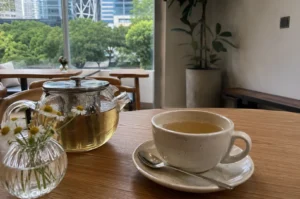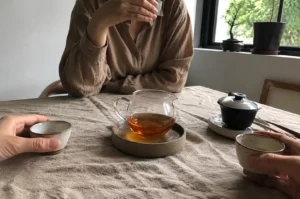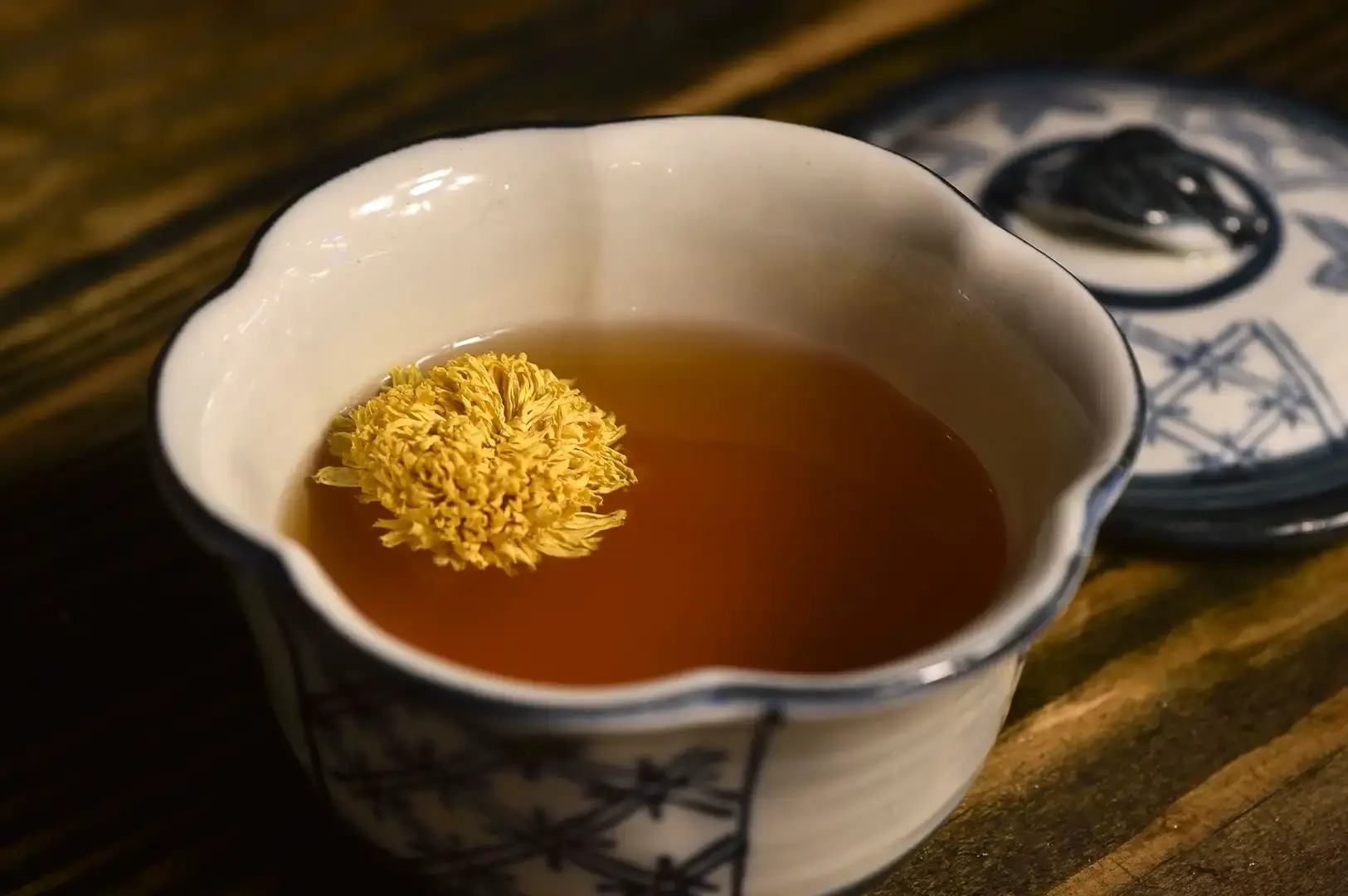
There is a pot on many kitchen tables in Singapore that no one talks about much.
Pale yellow gold in the glass, with a few small chrysanthemum flowers or flower buds drifting at the bottom. It appears after a heavy meal, at a grandmother's house, or in a hawker centre when the weather turns unbearable. Nobody announces it. It simply arrives.
Chrysanthemum tea has always been like that. Quiet. Familiar. The kind of drink you grow up with before you ever think to ask where it came from.
The Health Benefits of Chrysanthemum Tea in Traditional Chinese Medicine
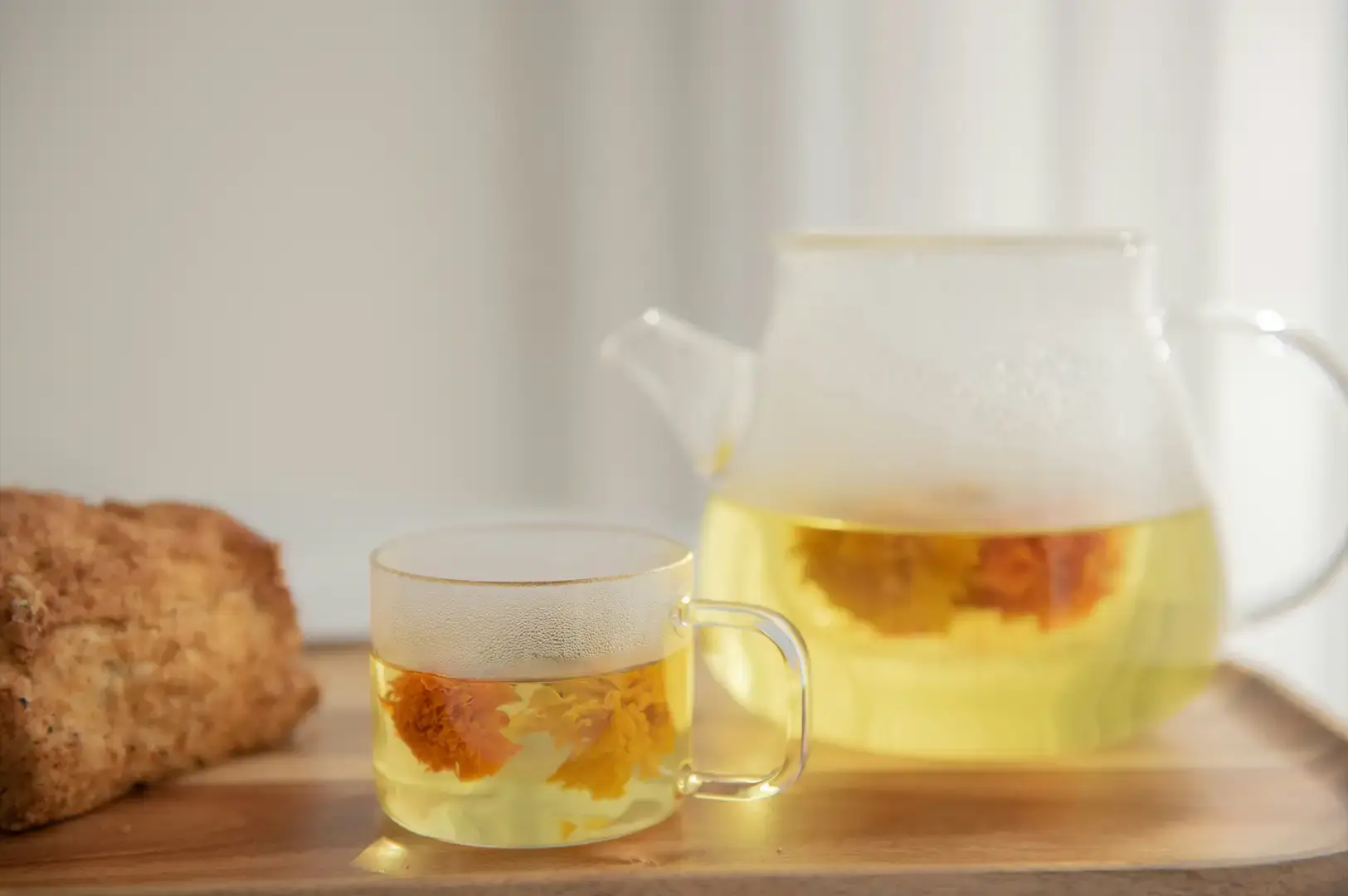
Chrysanthemum tea is a delightful floral herbal tea made by steeping dried chrysanthemum flowers in hot water. Unlike traditional teas brewed from leaves, this tea is naturally caffeine-free, making it a perfect, gentle choice anytime you need a soothing break. T
he chrysanthemum plant, especially varieties like chrysanthemum morifolium and chrysanthemum morifolium ramat, has been a staple in Chinese dietary herbal medicine and traditional Chinese medicine for centuries.
People drink chrysanthemum tea not just for its lovely taste but also for its many health perks. It’s known for its anti-inflammatory effects and its calming influence on the body. Many enjoy it to help ease a sore throat, relieve dry mouth, or soothe dry eyes.
What’s really cool is that chrysanthemum flowers contain essential oils, antioxidants, and vitamins that boost your immune system and promote overall wellness.
If you’re curious about your body constitution, chrysanthemum tea is often recommended to help balance heat in the body, making it a go-to herbal drink in traditional Chinese wellness routines. Plus, when it comes to flowers serving, a small amount of dried chrysanthemum flowers goes a long way in making a flavorful, healthful cup.
The Quiet Beauty and Medicinal Benefits of Dried Chrysanthemum Flowers
The colour of chrysanthemum tea is its first gift: a soft golden hue that deepens to bright red or purple depending on the flower head and steeping time. The aroma rises gently, with a flowery flavor similar to chamomile but uniquely floral and honeyed, especially when sweetened with honey or sugar.
The flower buds and dried flowers used in tea brewed from chrysanthemum morifolium are prized for their medicinal benefits. This small variety of chrysanthemum flowers contains carotenoids and flavonoids, which contribute to reducing inflammation and supporting eye health.
Drinking chrysanthemum tea regularly is also associated with lowering blood pressure and cholesterol levels, making it a go-to herbal remedy for those managing high blood pressure.
Drinking Chrysanthemum Tea: A Tradition Rooted in Chinese Culture and Wellness Routine

The chrysanthemum plant holds a special place in Chinese tradition. It’s seen as a symbol of resilience and longevity because it blooms in autumn when most other flowers have faded away. This symbolism carries over into traditional Chinese medicine, where chrysanthemum tea is believed to help balance the body’s heat and cleanse toxins.
In China, people often sip chrysanthemum tea throughout the day. It’s usually brewed in a teapot with boiling water and steeped for a few minutes to release those beneficial essential oils and antioxidants. Some folks like to add goji berries for an extra boost of flavor and nutrition, kind of like combining two power herbs in one cup.
Chrysanthemum tea also pairs beautifully with spicy Chinese dishes. Its cooling effect helps to tame the heat and spice, making it the perfect companion to rich, flavorful meals.
Here’s a little insider tip: Try brewing chrysanthemum tea with cold water instead of hot for a lighter, more delicate flavor. It makes a wonderfully soothing cold drink, especially refreshing in Singapore’s warm weather or after a heavy meal.
Just remember to take it easy between cups so your body can adjust. That way, you get all the calming and balancing benefits without overwhelming your system.
What Chrysanthemum Tea Tastes Like: A Gentle Floral Experience

If you have never tried chrysanthemum tea, imagine holding a cup filled with a pale yellow to golden liquid that feels silky smooth as it glides over your tongue. The taste is gentle and clean, with a soft sweetness that’s just enough to soothe without overpowering.
There’s a subtle earthiness beneath the floral notes, reminiscent of a calm garden in full bloom, much like chamomile but with its own delicate charm. It’s the kind of tea that invites you to slow down and savor each sip, offering a comforting warmth without any bitterness or caffeine buzz.
Depending on how you brew it, the flavor can shift a bit. Let it steep longer, and you’ll notice a richer, more herbal depth unfolding, almost like the flowers are sharing their secrets with you. Shorter steep times keep the flavor light and fresh, perfect for a quick pick-me-up.
And if you’re in a warm spot or just want something refreshing, try it chilled, the cool, crisp taste feels like a gentle breeze on a hot day, instantly cooling and calming.
Why Chrysanthemum Tea Benefits Make It a Go-To Herbal Drink
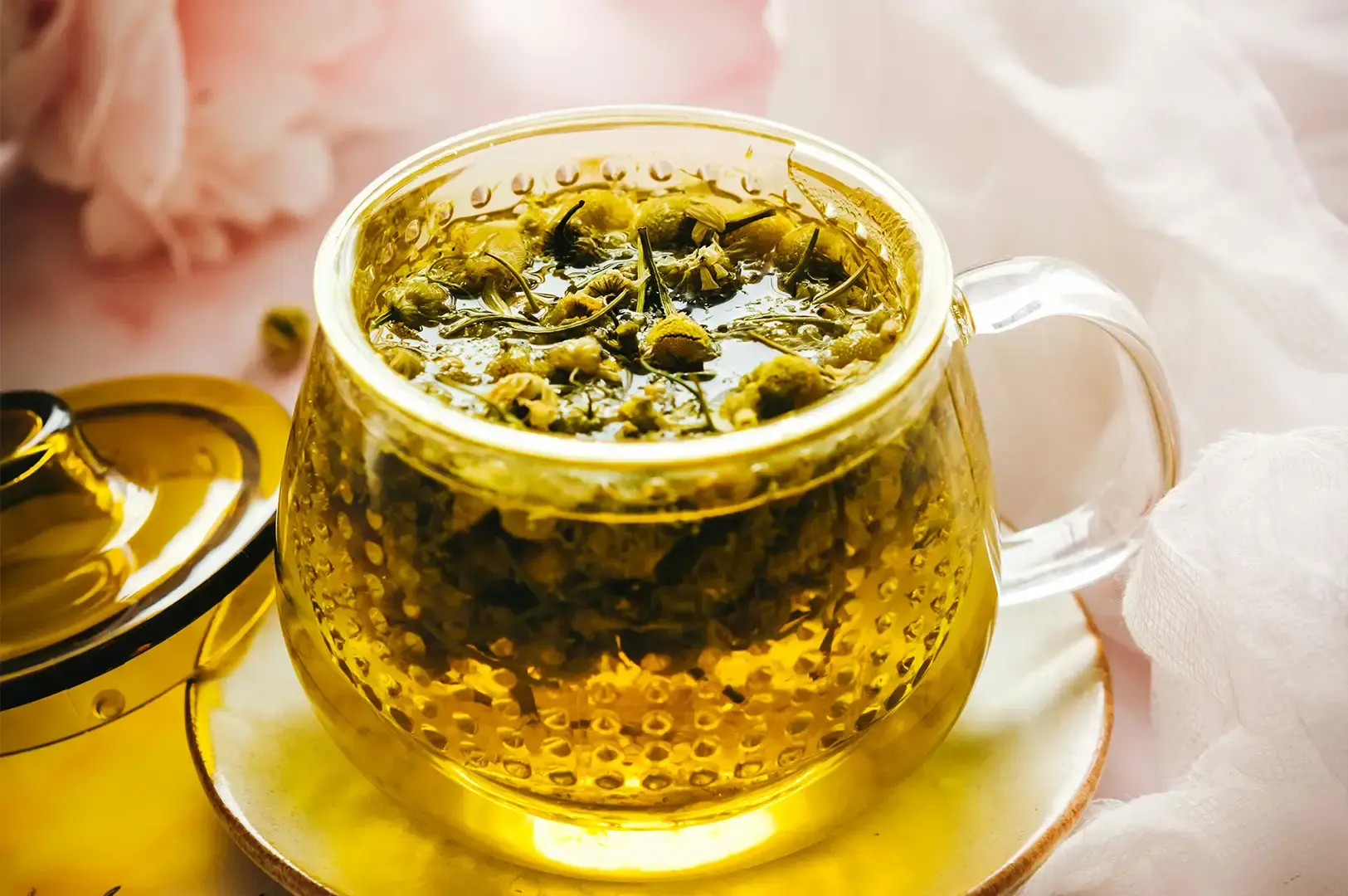
Chrysanthemum tea benefits extend beyond its pleasant taste. The antioxidants and essential oils present in chrysanthemum flowers help protect cells from oxidative stress, reduce inflammation, and support liver function. Its potassium content aids in lowering blood pressure, while vitamins A and C boost the immune system. Plus, chrysanthemum tea is known for its calming effect, making it a perfect drink to unwind after a long day.
Traditional Chinese medicine regards chrysanthemum tea as a natural remedy for symptoms like sore throat, inflammation, and heat-related discomfort. Its anti-inflammatory effects and calming qualities make it a valuable part of many wellness routines.
Interestingly, the tea also has antibacterial and antimicrobial properties, which help prevent the growth of harmful bacteria and microorganisms. This adds another layer to its health benefits, especially during cold and flu seasons.
However, if you have allergies to plants in the daisy family, it’s best to be cautious. Chrysanthemum tea may cause skin irritation or allergic reactions in sensitive individuals. So, if you’re trying it for the first time, start with a small cup to see how your body responds. Overall, chrysanthemum tea is much more than just a soothing floral drink , it’s a gentle healer that’s been cherished for centuries.
How to Prepare Dried Chrysanthemum Tea for Maximum Benefits
To prepare chrysanthemum tea, boil 3 cups of water and pour over 0.2 ounces of dried chrysanthemum flowers or flower heads. Let the tea steep for 3 to 5 minutes in a teapot or tea strainer to extract the essential oils and antioxidants fully. You can reuse the dried flowers for 2-3 more batches, though the flavor will gradually lighten.
Sweeten with a bit of honey or sugar if desired, or add goji berries for a traditional touch. Drinking chrysanthemum tea regularly as part of your health and wellness routine can provide ongoing medicinal benefits, supporting eye health, reducing inflammation, and helping to lower blood pressure and cholesterol levels.
Chrysanthemum Tea and Its Place in Modern Integrative Medicine
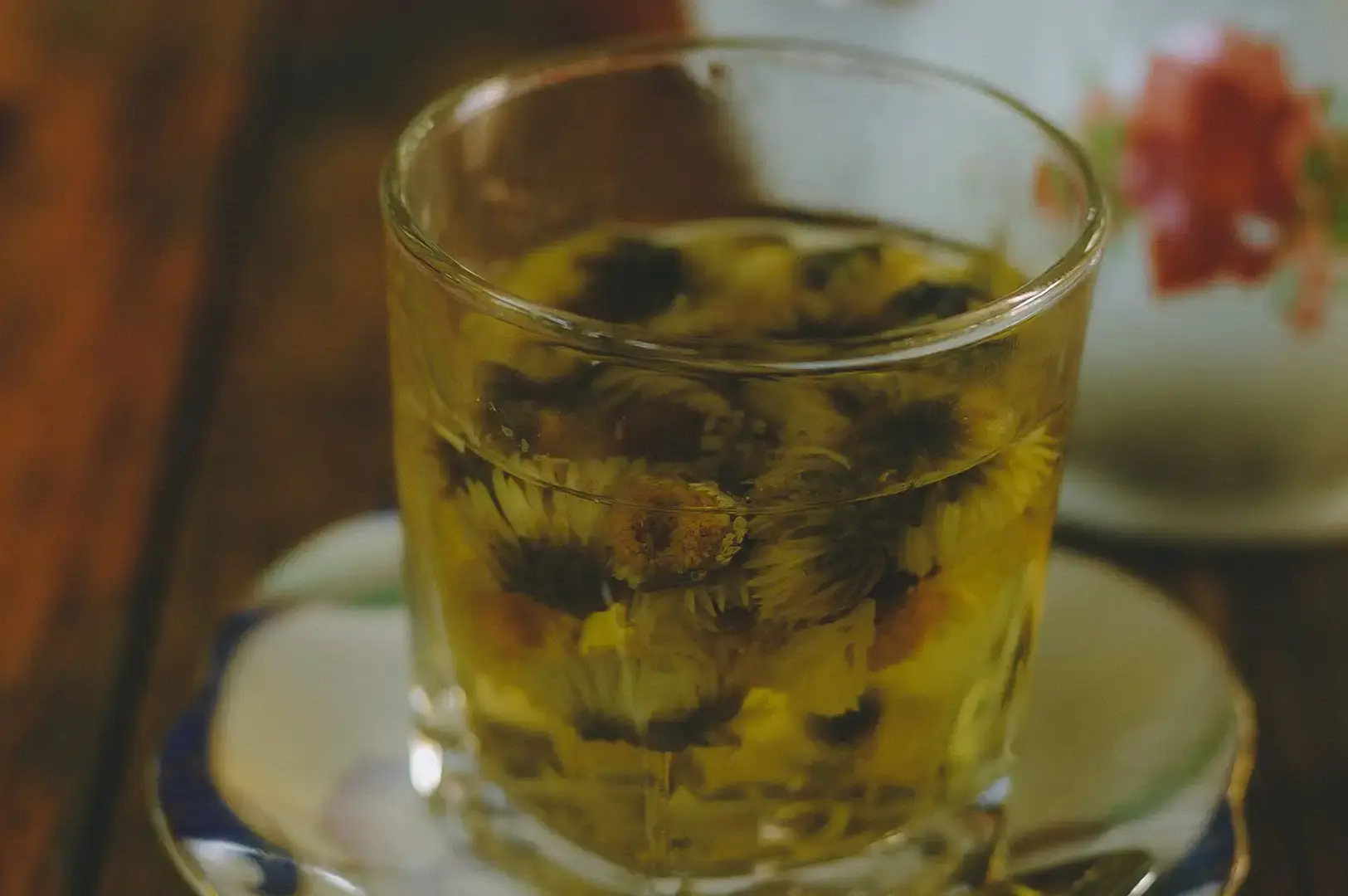
Modern studies support many of the health benefits long attributed to chrysanthemum tea in Chinese medicine. Its role in lowering blood pressure and supporting liver health is increasingly recognized in integrative medicine practices. While more studies are needed to fully understand its chemical composition and effects, chrysanthemum tea remains a popular herbal remedy.
Those taking prescription medications, especially statins, should consult their healthcare provider before drinking chrysanthemum tea regularly due to possible interactions. Additionally, people with allergies to the daisy family should be cautious, as chrysanthemum tea may cause allergic reactions or skin irritation.
A Golden Cup Worth Slowing Down For in Your Wellness Routine
Chrysanthemum tea endures because it never tried to impress anyone. It quietly offers a golden, calming cup that soothes the body and mind. Whether as a caffeine-free alternative to tea leaves or as a medicinal herbal infusion steeped in boiling water, chrysanthemum tea invites you to pause and enjoy a moment of serenity.
Whether you drink it hot or cold, with or without goji berries and honey, chrysanthemum tea remains a cherished part of Chinese tradition and a valued herbal wellness drink for generations past and present.
Looking for a place to chime in your cup of tea? Be sure to check and visit The Best Tea Houses In Singapore For Chinese Tea Appreciation

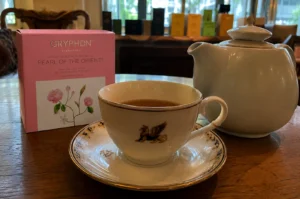
Discovering Gryphon Tea Company’s Earl Grey in Singapore
I recently tried the Earl Grey from Gryphon Tea Company Singapore, and I have to admit, it surprised me. Not because it was flawless-it wasn’t, but because it felt like a tea that knew exactly what it wanted to be. The aroma is the first thing that hits you. Bergamot is present but subtle, not…
-
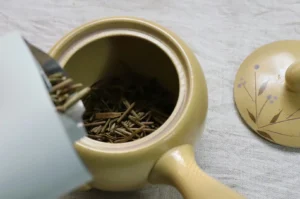
Hojicha: The Roasted Japanese Green Tea With A Mellow Twist
There is a moment, just after the hot water meets the hojicha tea leaves, when the kitchen fills with the aroma of something toasted. Not grassy. Not sharp. Warm, like roasted nuts or the edge of a freshly baked loaf. That moment is where hojicha begins. Hojicha (sometimes spelled houjicha) is a roasted green tea…
-
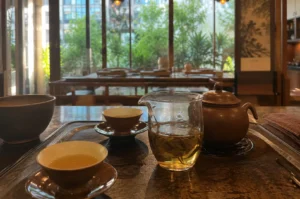
A Quiet Afternoon at Yixing Xuan Teahouse
I recently spent a quiet afternoon at Yixing Xuan Teahouse, a place that feels like a pause in the city. The moment you step inside, the world seems slower. The air carries the gentle aroma of steeped leaves, and the staff move with quiet precision. I chose an oolong, simple yet familiar. Watching the leaves…
-
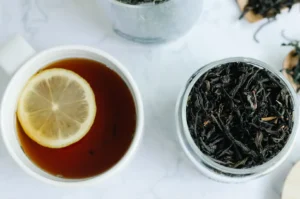
The Controversial Smoky Tea That Divides Enthusiasts: Lapsang Souchong Black Tea
There is a tea that empties rooms and fills them in equal measure. Open a box of loose leaf lapsang souchong black tea, and someone nearby will lean in with delight while another quietly steps away. Few teas provoke such immediate, honest reactions. That divide is part of its story. This smoked lapsang souchong smells…
-
The Tea That Keeps Me Coming Back
I have a tea I return to more than any other. It is not rare. It is not expensive. In fact, most people would probably pass it by without a second thought. And yet, somehow, it has become a quiet companion over the years. I first drank it on a rainy afternoon. I had been…
-
Tie Guan Yin: The Iron Goddess of Chinese Oolong Tea
Tie Guan Yin, also known as Iron Goddess or Iron Goddess Oolong, is a celebrated Chinese oolong tea originating from Anxi County in Fujian Province, China. This tea from Anxi Fujian holds a special place among other teas due to its unique aroma, flavour, and rich cultural story. It is made from the tea plant…
-
Why Tea Shops Might Be the Last Quiet Places We Have
There is a growing habit in Singapore that I find both comforting and slightly unsettling. People are working everywhere now. Cafés, co-working spaces, neighborhood bakeries, even small corner shops. A laptop seems to turn any table into an office. And in many ways, this flexibility is impressive. It reflects how life has adapted to work,…
-
Why Not Every Tea Deserves Your Attention
Tea culture encourages curiosity. There are endless varieties, origins, and rituals to explore. Some teas are rare, some are aged, some are celebrated in distant mountains. The temptation is to try them all, to chase novelty in the hope that every cup will surprise you. But not every tea deserves your attention. I have learned…
-
Sipping Serenity: Where to Enjoy Chamomile Tea Singapore in the City
Singapore moves quickly. The trains run on time, the workdays stretch long, and the humidity outside rarely lets anyone slow down by choice. Yet within this busy rhythm, a quiet counter-current persists. People look for small pockets of stillness, and increasingly, they find one in a warm cup of chamomile tea. There is something fitting…
-
Why Some Teas Taste Better When Shared
I’ve always found that tea, more than most drinks, seems to gain something when shared. A cup alone can be comforting, quiet, even meditative. But a cup shared with someone else, whether a friend, a family member, or a stranger in a small tea house, somehow becomes richer, fuller, more alive. It’s not just the…