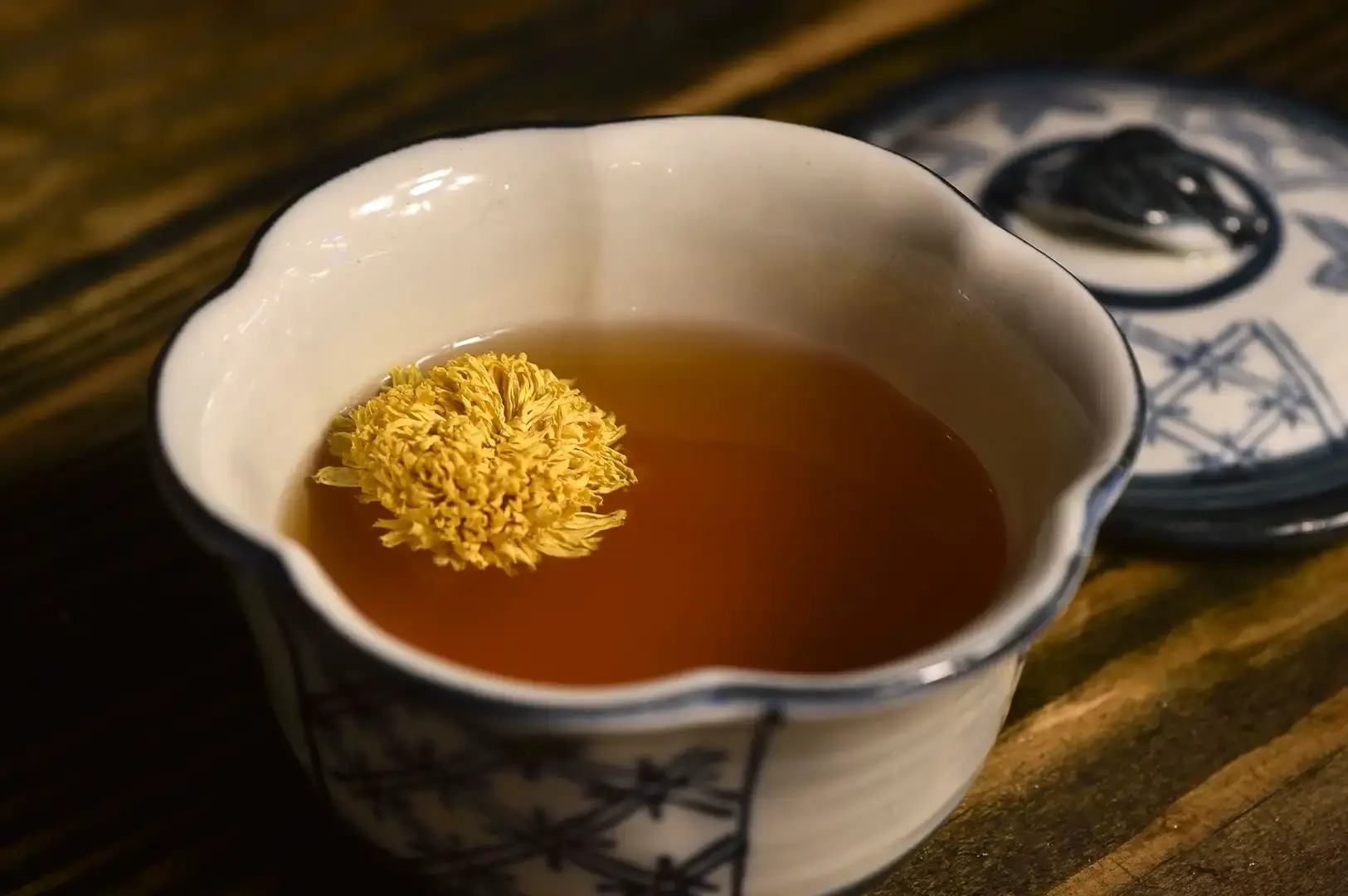
There is a pot on many kitchen tables in Singapore that no one talks about much.
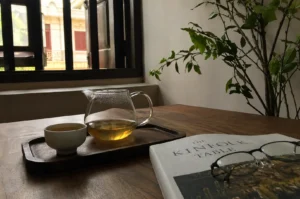
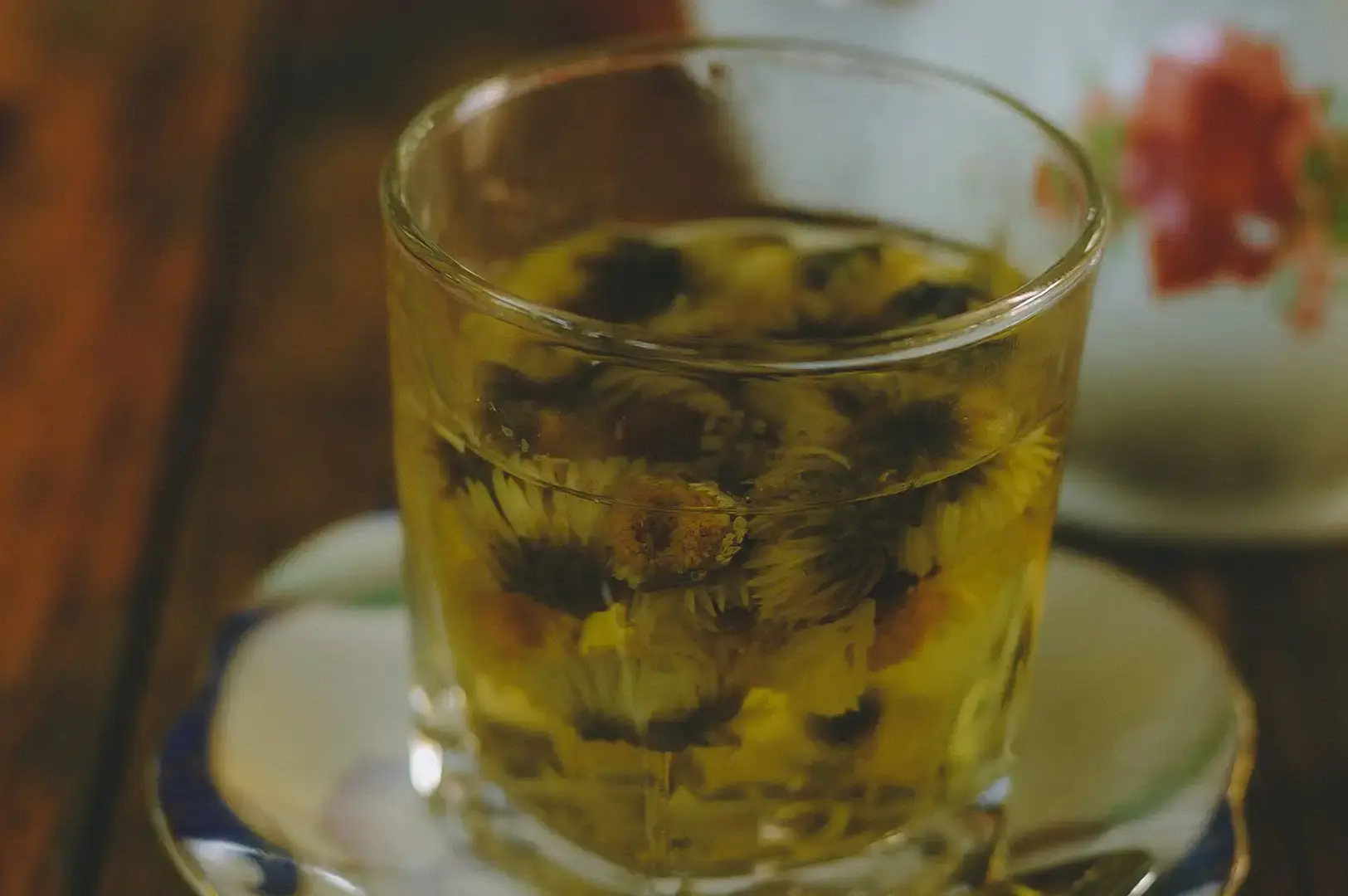
Pale yellow gold in the glass, with a few small chrysanthemum flowers or flower buds drifting at the bottom. It appears after a heavy meal, at a grandmother's house, or in a hawker centre when the weather turns unbearable. Nobody announces it. It simply arrives.
Chrysanthemum tea has always been like that. Quiet. Familiar. The kind of drink you grow up with before you ever think to ask where it came from.
The Health Benefits of Chrysanthemum Tea in Traditional Chinese Medicine
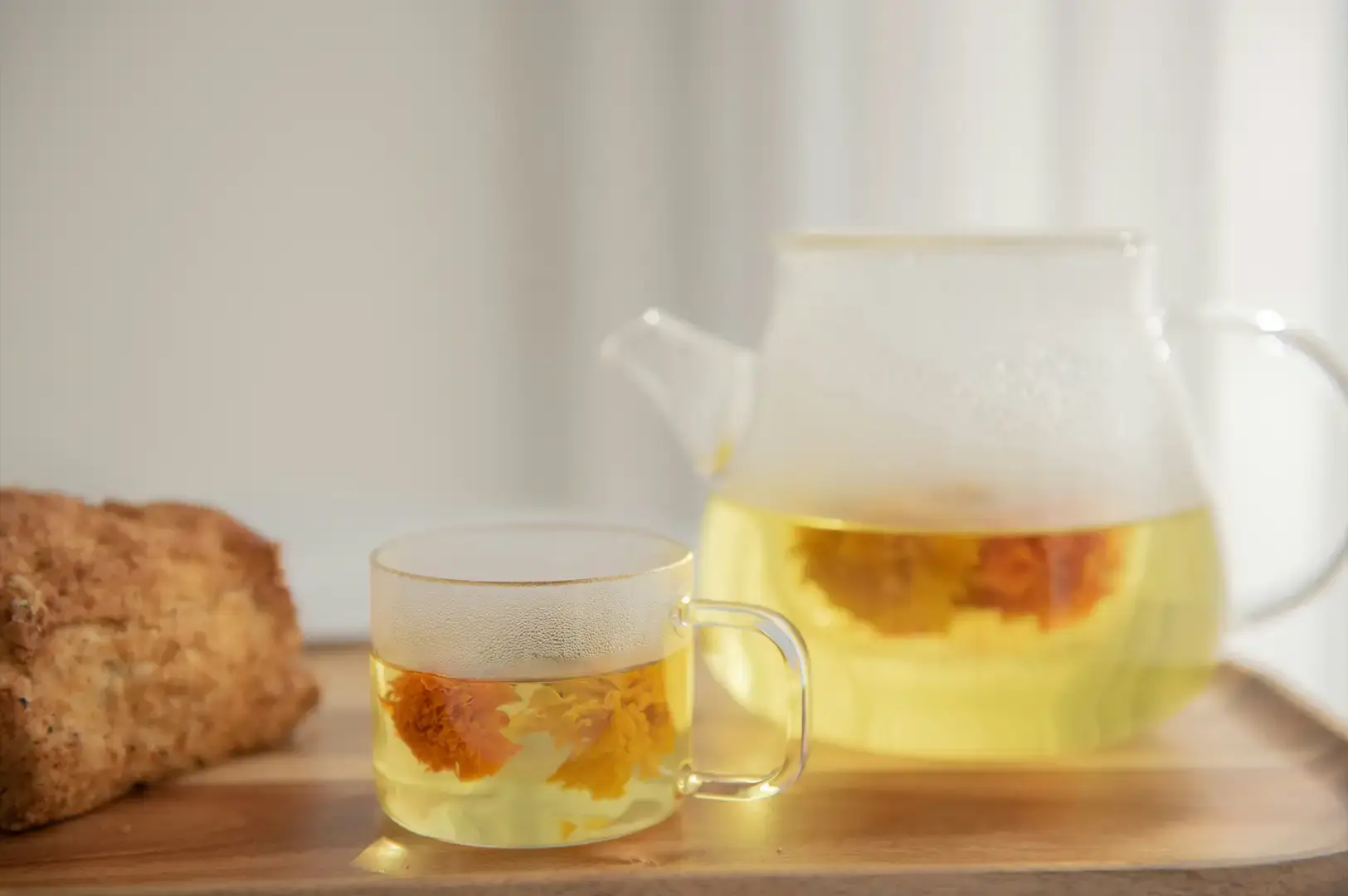
Chrysanthemum tea is a delightful floral herbal tea made by steeping dried chrysanthemum flowers in hot water. Unlike traditional teas brewed from leaves, this tea is naturally caffeine-free, making it a perfect, gentle choice anytime you need a soothing break. T
he chrysanthemum plant, especially varieties like chrysanthemum morifolium and chrysanthemum morifolium ramat, has been a staple in Chinese dietary herbal medicine and traditional Chinese medicine for centuries.
People drink chrysanthemum tea not just for its lovely taste but also for its many health perks. It’s known for its anti-inflammatory effects and its calming influence on the body. Many enjoy it to help ease a sore throat, relieve dry mouth, or soothe dry eyes.
What’s really cool is that chrysanthemum flowers contain essential oils, antioxidants, and vitamins that boost your immune system and promote overall wellness.
If you’re curious about your body constitution, chrysanthemum tea is often recommended to help balance heat in the body, making it a go-to herbal drink in traditional Chinese wellness routines. Plus, when it comes to flowers serving, a small amount of dried chrysanthemum flowers goes a long way in making a flavorful, healthful cup.
The Quiet Beauty and Medicinal Benefits of Dried Chrysanthemum Flowers
The colour of chrysanthemum tea is its first gift: a soft golden hue that deepens to bright red or purple depending on the flower head and steeping time. The aroma rises gently, with a flowery flavor similar to chamomile but uniquely floral and honeyed, especially when sweetened with honey or sugar.
The flower buds and dried flowers used in tea brewed from chrysanthemum morifolium are prized for their medicinal benefits. This small variety of chrysanthemum flowers contains carotenoids and flavonoids, which contribute to reducing inflammation and supporting eye health.
Drinking chrysanthemum tea regularly is also associated with lowering blood pressure and cholesterol levels, making it a go-to herbal remedy for those managing high blood pressure.
Drinking Chrysanthemum Tea: A Tradition Rooted in Chinese Culture and Wellness Routine

The chrysanthemum plant holds a special place in Chinese tradition. It’s seen as a symbol of resilience and longevity because it blooms in autumn when most other flowers have faded away. This symbolism carries over into traditional Chinese medicine, where chrysanthemum tea is believed to help balance the body’s heat and cleanse toxins.
In China, people often sip chrysanthemum tea throughout the day. It’s usually brewed in a teapot with boiling water and steeped for a few minutes to release those beneficial essential oils and antioxidants. Some folks like to add goji berries for an extra boost of flavor and nutrition, kind of like combining two power herbs in one cup.
Chrysanthemum tea also pairs beautifully with spicy Chinese dishes. Its cooling effect helps to tame the heat and spice, making it the perfect companion to rich, flavorful meals.
Here’s a little insider tip: Try brewing chrysanthemum tea with cold water instead of hot for a lighter, more delicate flavor. It makes a wonderfully soothing cold drink, especially refreshing in Singapore’s warm weather or after a heavy meal.
Just remember to take it easy between cups so your body can adjust. That way, you get all the calming and balancing benefits without overwhelming your system.
What Chrysanthemum Tea Tastes Like: A Gentle Floral Experience
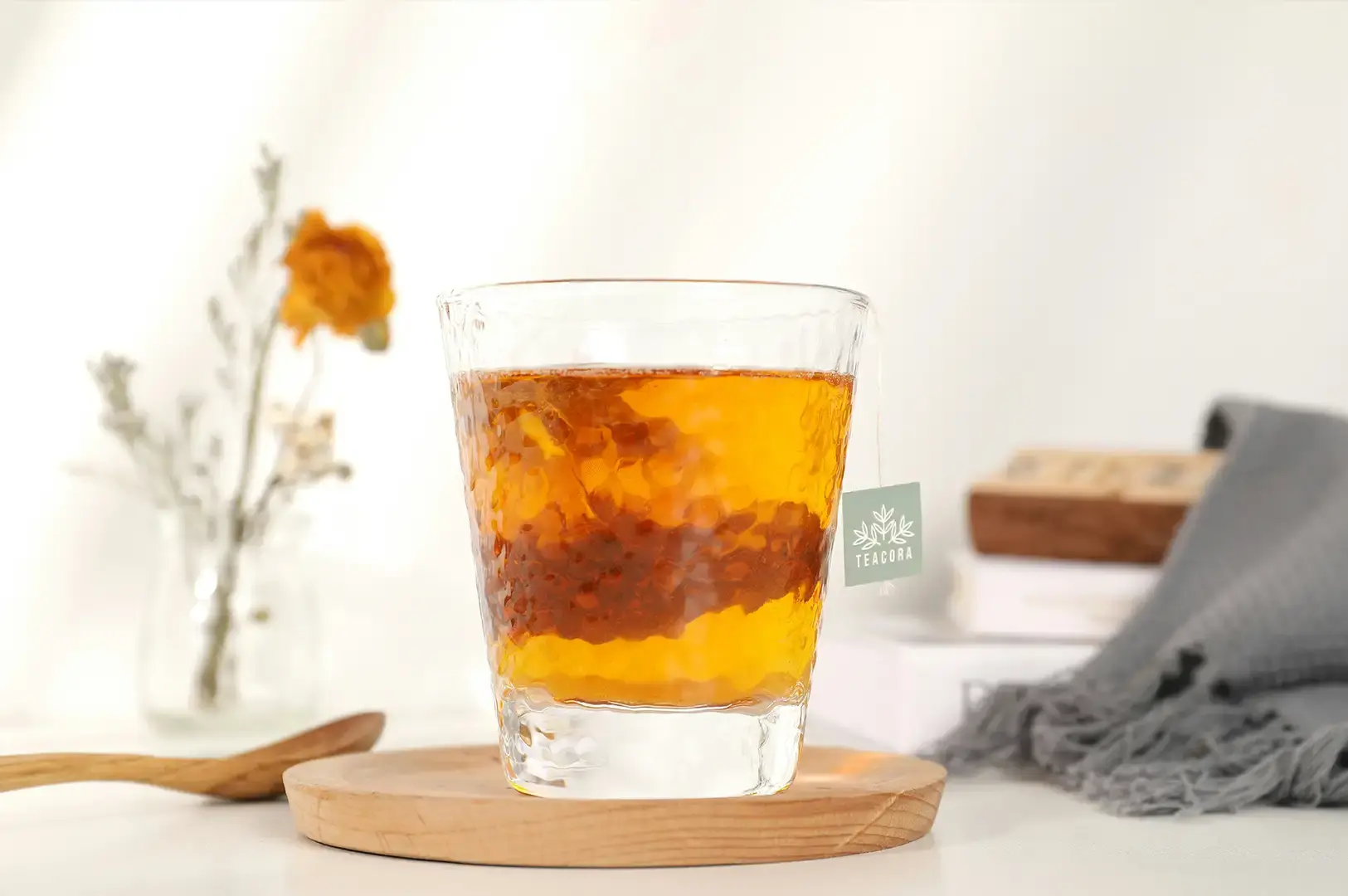
If you have never tried chrysanthemum tea, imagine holding a cup filled with a pale yellow to golden liquid that feels silky smooth as it glides over your tongue. The taste is gentle and clean, with a soft sweetness that’s just enough to soothe without overpowering.
There’s a subtle earthiness beneath the floral notes, reminiscent of a calm garden in full bloom, much like chamomile but with its own delicate charm. It’s the kind of tea that invites you to slow down and savor each sip, offering a comforting warmth without any bitterness or caffeine buzz.
Depending on how you brew it, the flavor can shift a bit. Let it steep longer, and you’ll notice a richer, more herbal depth unfolding, almost like the flowers are sharing their secrets with you. Shorter steep times keep the flavor light and fresh, perfect for a quick pick-me-up.
And if you’re in a warm spot or just want something refreshing, try it chilled, the cool, crisp taste feels like a gentle breeze on a hot day, instantly cooling and calming.
Why Chrysanthemum Tea Benefits Make It a Go-To Herbal Drink
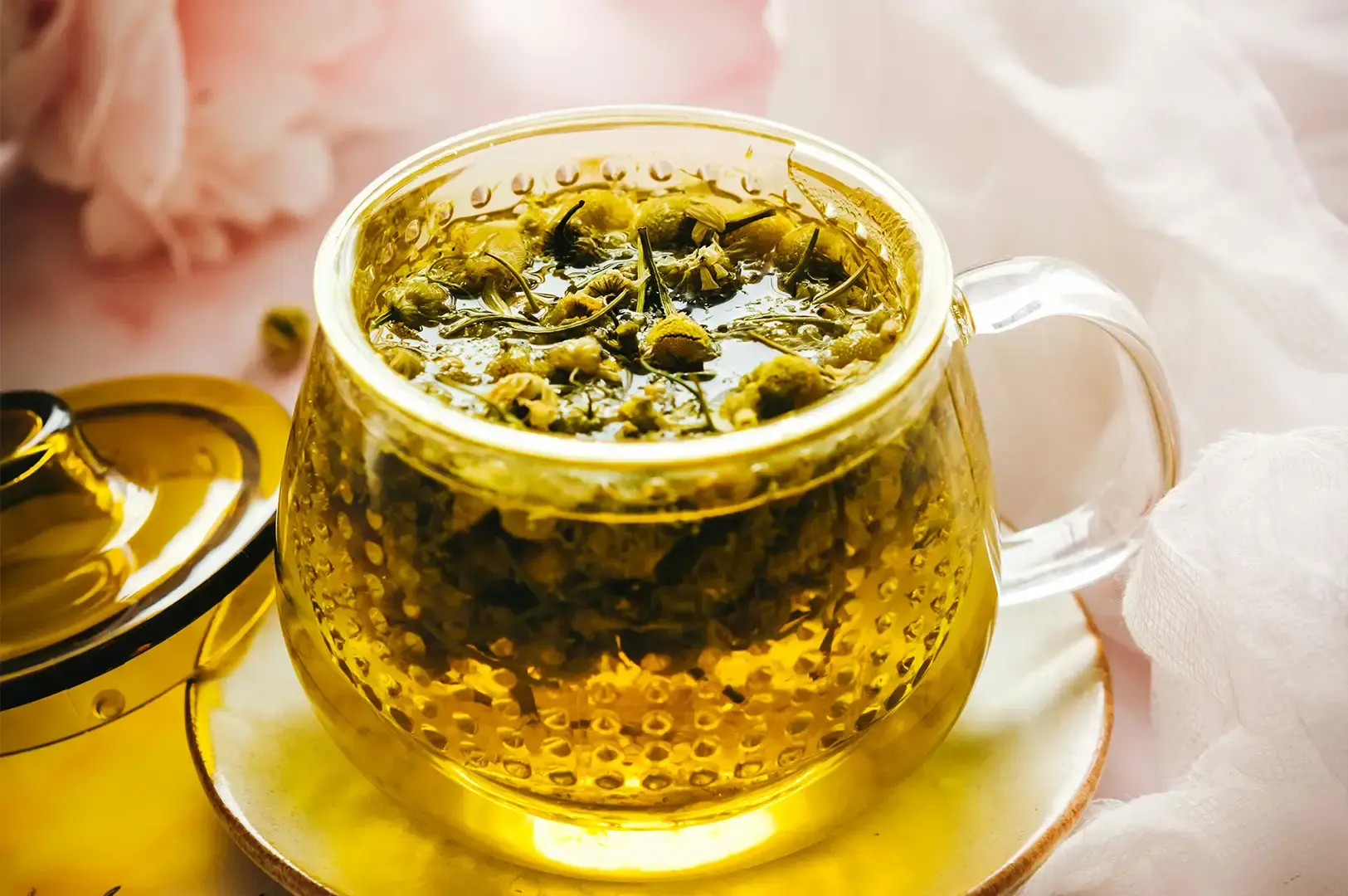
Chrysanthemum tea benefits extend beyond its pleasant taste. The antioxidants and essential oils present in chrysanthemum flowers help protect cells from oxidative stress, reduce inflammation, and support liver function. Its potassium content aids in lowering blood pressure, while vitamins A and C boost the immune system. Plus, chrysanthemum tea is known for its calming effect, making it a perfect drink to unwind after a long day.
Traditional Chinese medicine regards chrysanthemum tea as a natural remedy for symptoms like sore throat, inflammation, and heat-related discomfort. Its anti-inflammatory effects and calming qualities make it a valuable part of many wellness routines.
Interestingly, the tea also has antibacterial and antimicrobial properties, which help prevent the growth of harmful bacteria and microorganisms. This adds another layer to its health benefits, especially during cold and flu seasons.
However, if you have allergies to plants in the daisy family, it’s best to be cautious. Chrysanthemum tea may cause skin irritation or allergic reactions in sensitive individuals. So, if you’re trying it for the first time, start with a small cup to see how your body responds. Overall, chrysanthemum tea is much more than just a soothing floral drink , it’s a gentle healer that’s been cherished for centuries.
How to Prepare Dried Chrysanthemum Tea for Maximum Benefits
To prepare chrysanthemum tea, boil 3 cups of water and pour over 0.2 ounces of dried chrysanthemum flowers or flower heads. Let the tea steep for 3 to 5 minutes in a teapot or tea strainer to extract the essential oils and antioxidants fully. You can reuse the dried flowers for 2-3 more batches, though the flavor will gradually lighten.
Sweeten with a bit of honey or sugar if desired, or add goji berries for a traditional touch. Drinking chrysanthemum tea regularly as part of your health and wellness routine can provide ongoing medicinal benefits, supporting eye health, reducing inflammation, and helping to lower blood pressure and cholesterol levels.
Chrysanthemum Tea and Its Place in Modern Integrative Medicine
Modern studies support many of the health benefits long attributed to chrysanthemum tea in Chinese medicine. Its role in lowering blood pressure and supporting liver health is increasingly recognized in integrative medicine practices. While more studies are needed to fully understand its chemical composition and effects, chrysanthemum tea remains a popular herbal remedy.
Those taking prescription medications, especially statins, should consult their healthcare provider before drinking chrysanthemum tea regularly due to possible interactions. Additionally, people with allergies to the daisy family should be cautious, as chrysanthemum tea may cause allergic reactions or skin irritation.
A Golden Cup Worth Slowing Down For in Your Wellness Routine
Chrysanthemum tea endures because it never tried to impress anyone. It quietly offers a golden, calming cup that soothes the body and mind. Whether as a caffeine-free alternative to tea leaves or as a medicinal herbal infusion steeped in boiling water, chrysanthemum tea invites you to pause and enjoy a moment of serenity.
Whether you drink it hot or cold, with or without goji berries and honey, chrysanthemum tea remains a cherished part of Chinese tradition and a valued herbal wellness drink for generations past and present.
Looking for a place to chime in your cup of tea? Be sure to check and visit The Best Tea Houses In Singapore For Chinese Tea Appreciation

Scent, Memory, and a Kettle: How Tea Anchors My Days
There are certain smells that bring us somewhere else before we even realise it. The scent of rain on warm pavement. A familiar perfume. The food someone used to make when we were younger. For me, tea belongs in that category. Sometimes, before I even take a sip, the aroma is enough to bring back…
-
The Chinese Yixing Teapot: More Than a Teapot, a Living Tea Tradition
The first time I held a Chinese Yixing teapot, I wasn’t ready for how warm it would feel. Small, reddish-brown, sitting in my palm like a river stone that had been kept somewhere warm. I’d just rinsed it with hot water, the way you’re supposed to before the first brew, and the clay drank up…
-
Your “Tea Sommelier” Might Be Selling You a Vibe, Not a Better Cup
There is a particular moment that has become increasingly familiar in modern tea culture. A tea is presented. Before the first sip, we are introduced to its story. The region. The altitude. The history. The carefully chosen words that describe its character. Perhaps there are notes of wildflowers, distant forests, roasted grains, or forgotten memories….
-
Does Tea Contain Caffeine? Understanding What’s Really in Your Tea
There’s a quiet moment many of us know well. The kettle clicks off. Steam curls up. You wrap your hands around a warm cup and feel your shoulders drop, just a little. Tea has always carried this sense of calm, of slowing down. So it can feel almost contradictory to ask: does tea contain caffeine?…
-
“Detox Tea” Is Mostly Marketing: Here’s What Tea Actually Does
I have always found the phrase “detox tea” a little strange. Not because I dislike tea. Quite the opposite. Tea has been part of my daily life for years. I love the quiet ritual of choosing leaves, waiting for the water, and taking a moment to slow down. But somewhere along the way, tea became…
-
The Tea House That Time Did Not Forget: Tea Chapter Trading Pte Ltd
I almost walked past it. Located at Nine Neil Road, Tea Chapter Trading Pte Ltd sits quietly, a three-storey shophouse just across from Maxwell MRT in Singapore, its restored facade catching afternoon light. Around it, Chinatown moves at its usual pace. Inside, something slower has been happening since October 1989. I stepped in on a…
-
Expensive Tea Doesn’t Guarantee a Better Cup, Here’s Why
There is a belief in tea that we rarely question. If something costs more, it must be better. It is an understandable assumption. A rare tea from a respected region, carefully harvested and beautifully packaged, naturally creates expectations. We associate price with effort, craftsmanship, and quality. And often, that connection is justified. But not always….
-
SUN with MOON Singapore at Wheelock Place: A Unique Tea Dining Cafe Experience on Orchard Road
The lunch crowd had gone. Dinner hadn’t arrived yet. I came in during that strange, in-between hour, a little after three on a weekday, when the escalators at Wheelock Place hum quietly and Orchard Road feels almost gentle. Most people were still at their desks. I wasn’t. I wanted tea, and I wanted to sit…
-
Cold Brew Tea Is Underrated (And Hot Purists Are Missing Out)
I used to think tea had to be hot. There was something about the ritual of it. Boiling water, warming the pot, watching the leaves open. A proper cup of tea seemed to require steam. Then I tried cold brew tea, and I had to admit something slightly uncomfortable. I liked it. More than I…
-
All Things Delicious Review: The Quiet Pleasure of Tea and Cake.
There’s a particular kind of afternoon that asks for tea, and All Things Delicious answers it with a quiet, comforting tea-and-cake experience on Arab Street: handmade sweet treats, warm approachable teas, and a room that makes simple pleasures feel like enough. Not coffee, with its urgency. Tea. The slow kind, poured while the conversation drifts…