I used to think cold brew tea was cheating.
Not seriously, of course. But there was something about it that felt almost too easy. No kettle. No worrying about water temperature. No watching the clock while the leaves steep.
Just tea, cold water, and a little patience.
It seemed suspiciously effortless.
Then I actually started drinking it.
And, annoyingly, I liked it.
There is a certain attitude in tea culture that treats hot brewing as the more serious way to drink tea. I understand where that comes from. Hot water has been at the heart of tea preparation for centuries, and there is something wonderfully comforting about watching leaves open in a warm pot.
But does that mean cold brew is somehow less legitimate?
I don’t think so.
Cold brewing simply gives tea a different personality. Without hot water extracting everything so quickly, some teas can taste softer and more delicate. Floral notes can become gentler. Fruitier flavours can feel brighter. Even teas I find slightly sharp when brewed hot can become surprisingly pleasant when chilled.
And in Singapore, I have to admit, this makes a lot of sense.
There are days when the last thing I want is another steaming drink. When the weather is humid and the afternoon feels like it has been sitting under the sun for hours, a cold glass of tea sounds far more inviting.
Does that make me less of a tea lover?
I hope not.
I think we sometimes confuse tradition with rules. Just because something has been prepared one way for a long time does not mean every other method is wrong.
Tea has travelled across countries and cultures precisely because people have adapted it.
We add milk.
We add sugar.
We drink it with spices.
We serve it over ice.
We turn it into lattes.
Cold brewing feels like just another chapter in that long history of experimentation.
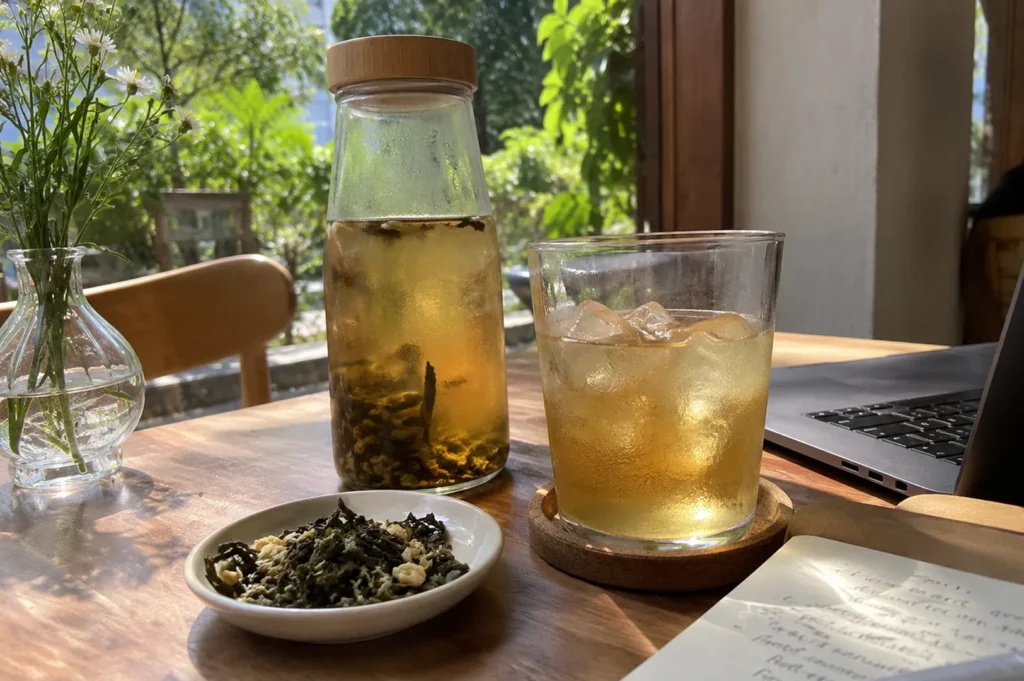
And honestly, there is something wonderfully low effort about it. You can prepare it in advance, put it in the fridge, and come back later to a drink that is ready when you are.
Maybe that is the part some tea purists dislike.
It does not look particularly impressive.
There is no elegant pouring technique. No beautiful cloud of steam. No elaborate ritual.
Just a bottle sitting quietly in the refrigerator.
But perhaps tea does not always need to look serious to be worth taking seriously.
I still love hot tea. I suspect I always will.
But I also love having a cold brew waiting for me on a hot afternoon.
So if someone tells me cold brew tea is lazy, I might agree with them.
It is easy.
It is convenient.
And it tastes good.
I am not sure why any of those things should be considered a problem.
— Maria Tan
On tea, culture, and everyday rituals.

Masala Chai Origins: The Cultural Evolution of India’s Spiced Tea Tradition
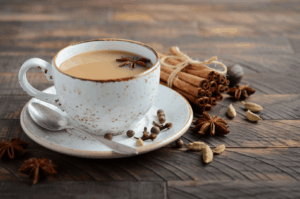
The rhythmic clanging of metal kettles echoes through narrow lanes as steam rises from countless chai stalls across India. The intoxicating aroma of cardamom, cinnamon, and fresh ginger mingles with robust black tea, creating an olfactory symphony that has captivated souls for centuries. This is masala chai-not merely a beverage, but a cultural phenomenon that…
-
Matcha Tea: The Versatile Japanese Green Tea Powder
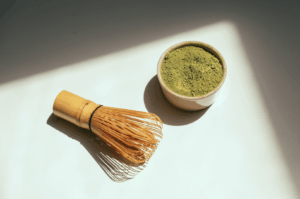
The vibrant green powder that transforms simple hot water into liquid jade has captivated tea enthusiasts worldwide. Matcha tea represents more than just a trendy beverage-it’s a bridge connecting ancient Japanese traditions with modern culinary innovation. This unique form of powdered green tea offers endless possibilities, from meditative ceremonial drinking to creative kitchen applications that…
-
The Dragon Well Legacy: Exploring China’s Legendary Longjing Tea
Among the world’s most revered green teas, few carry the prestige and cultural significance of China’s legendary Dragon Well. This premium tea has captivated tea enthusiasts for centuries, earning its place as an imperial favourite and modern icon alike. From its mystical origins at West Lake to its meticulous processing methods, Longjing represents the pinnacle…