
For over 4,000 years, drinking green tea has been more than just a beverage choice—it’s been a pathway to wellness, mindfulness, and cultural connection. A cup of green tea offers potential health benefits, as highlighted by a growing body of science green tea research exploring its positive effects. Today, as scientific research continues to unveil the remarkable health benefits of green tea consumption, this ancient beverage has emerged as one of the healthiest beverages you can incorporate into your daily routine.
Whether you’re seeking to improve your cardiovascular health, enhance cognitive function, or simply enjoy a moment of tranquility in your busy day, understanding the art and science of drinking green tea can transform your wellness journey. Enjoying a cup of green tea is both a cultural tradition and a healthful ritual embraced worldwide. This comprehensive guide will explore everything from the extensive health benefits and proper brewing techniques to the rich cultural traditions that have shaped green tea consumption across Asia for millennia.
What Makes Green Tea Special: Understanding the Fundamentals
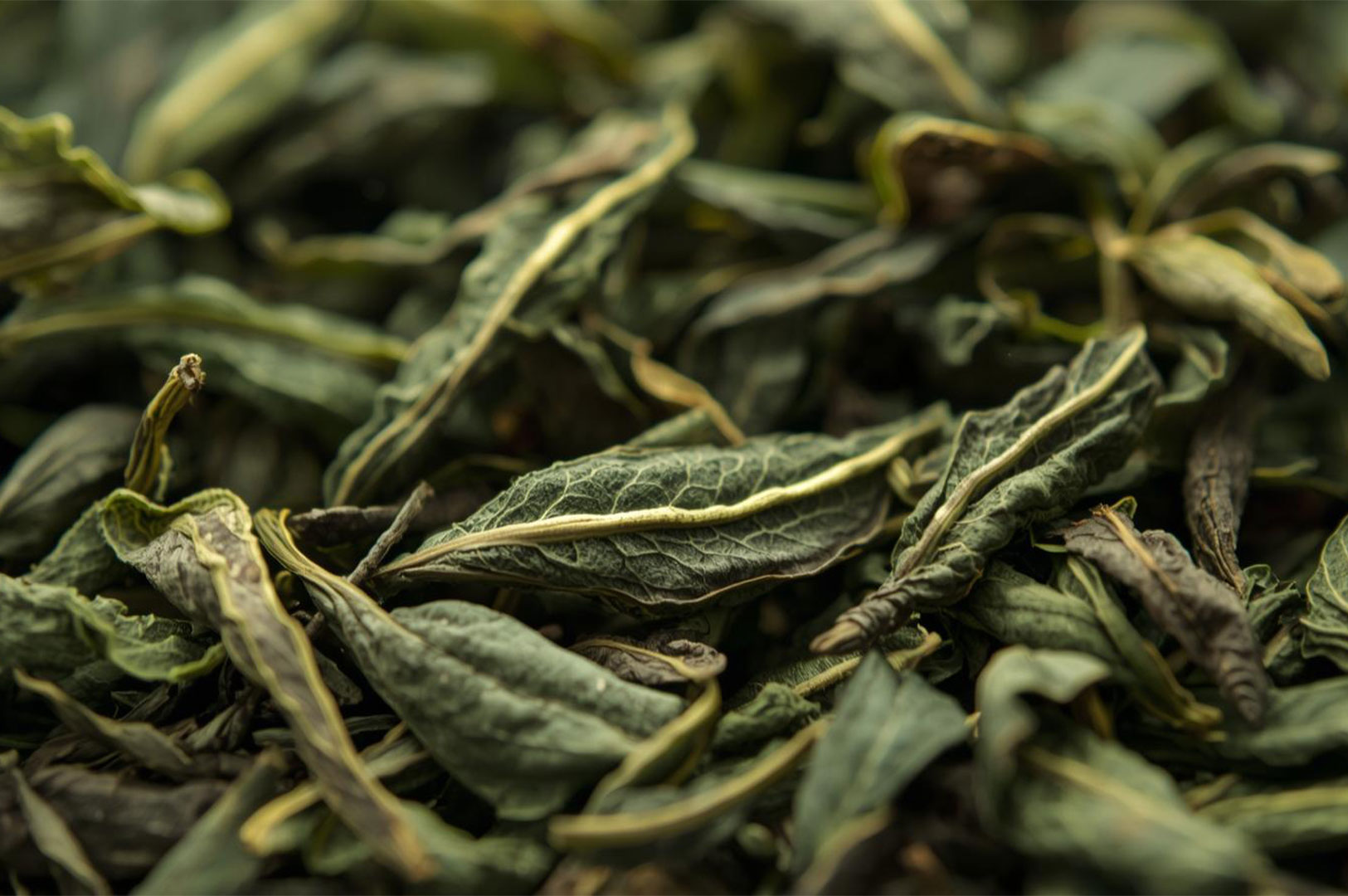
Green tea originates from the leaves of the Camellia sinensis plant, the same plant that produces black tea and oolong teas. However, what distinguishes green tea is its minimal oxidation process. Unlike black tea, which undergoes complete oxidation, green tea leaves are quickly heated after harvesting to prevent oxidation, preserving their natural green color and delicate flavor profile.
The major green tea producing regions include China, Japan, Korea, and Vietnam, each developing unique processing methods and flavor characteristics over centuries. Chinese green teas, such as Longjing and Gunpowder, typically undergo pan-firing, while Japanese green teas like Sencha and Matcha are steam-processed, creating distinct taste profiles and nutritional properties.
The primary active compounds that make green tea so beneficial include:
- EGCG (Epigallocatechin-3-gallate): The most potent catechin responsible for many health benefits
- L-theanine: An amino acid that promotes relaxation and mental clarity
- Caffeine: Moderate levels of 25-50mg per cup, providing gentle energy without jitters
These compounds work synergistically to deliver green tea’s remarkable health benefits while providing a balanced, sustainable energy boost throughout the day.
Extensive Health Benefits of Drinking Green Tea
Cardiovascular and Metabolic Health
Regular tea consumption, particularly green tea daily intake, provides significant cardiovascular benefits. Studies demonstrate that consuming green tea can reduce both systolic and diastolic blood pressure by 2–3 mm Hg, which may seem modest but translates to meaningful reductions in cardiovascular disease risk at the population level. Green tea may also help lower blood pressure and support healthy blood vessels, contributing to improved blood flow and circulatory health.
Green tea catechins excel at cholesterol management, specifically lowering total cholesterol and LDL (bad) cholesterol levels. The polyphenols in green tea help prevent the oxidation of LDL cholesterol, a key factor in arterial plaque formation. These effects contribute to a lower risk of cardiovascular diseases and heart disease, as supported by research indicating that individuals drinking 5–6 cups of green tea daily show marked improvements in their lipid profiles.
For weight management, green tea affects metabolism through enhanced fat oxidation. The combination of caffeine and EGCG can increase metabolic rate by 4–5%, supporting healthy weight loss when combined with proper diet and exercise. Green tea’s ability to target abdominal fat specifically makes it particularly valuable for reducing cardiovascular disease risk factors.
Cognitive and Neurological Benefits
The cognitive benefits of drinking green tea stem from both immediate and long-term effects. L-theanine and caffeine work together to enhance brain function, improving attention, working memory, and mood without the anxiety often associated with coffee consumption.
Long-term studies reveal that regularly drinking green tea may reduce Alzheimer’s disease risk by up to 64%. Research suggests that green tea consumption may help prevent or slow the progression of neurodegenerative conditions such as Alzheimer’s disease, highlighting its potential role in supporting cognitive health. The neuroprotective properties of green tea’s antioxidants help combat oxidative stress in brain tissue, potentially slowing age-related cognitive decline.
The unique amino acid L-theanine promotes alpha brain wave activity, associated with relaxed alertness and stress reduction. This makes green tea an excellent choice for maintaining mental clarity during demanding tasks while managing anxiety levels naturally.
Cancer Prevention and Immune Support
Green tea’s antioxidants, primarily from EGCG and other catechins, provide powerful cellular protection against oxidative stress. These compounds scavenge harmful free radicals that can damage DNA and contribute to cancer development.
Epidemiological studies suggest green tea consumption may reduce the risk of several cancers, including skin, prostate, and breast cancers. The anti-inflammatory properties of green tea polyphenols help modulate immune system responses, potentially reducing chronic inflammation linked to various diseases.
However, it’s important to note that while laboratory and animal studies show promising results, human studies on cancer prevention remain mixed, and green tea should be viewed as part of an overall healthy lifestyle rather than a standalone prevention strategy. Findings from randomized controlled trials have also investigated green tea's effects on cancer prevention and immune support, providing additional evidence for its potential health benefits.
Additional Health Benefits
Green tea contains compounds that support skin health by protecting against UV damage and promoting collagen production. The polyphenols help maintain skin elasticity and may slow signs of aging.
For oral health, green tea’s natural fluoride content and antibacterial properties help prevent tooth decay and gum disease. The catechins inhibit the growth of harmful bacteria in the mouth while promoting overall dental hygiene.
Liver health benefits include protection against liver damage and support for natural detoxification processes. Some studies suggest green tea may help prevent non-alcoholic fatty liver disease and support overall liver function. However, it is important to note that green tea extract, commonly used in supplements, has been associated with rare cases of liver injury, especially at high doses. Individuals considering green tea extract supplements should consult a healthcare professional to ensure safety.
Green tea also supports bone health by promoting bone formation and reducing bone loss, particularly important for preventing osteoporosis in aging populations. Additionally, regular consumption helps regulate blood sugar levels, potentially reducing type 2 diabetes risk. Green tea supplementation has shown promise in supporting bone and metabolic health, but users should weigh potential benefits against possible risks.
Master the Art of Brewing: Techniques for Different Green Tea Varieties
Chinese Green Tea Brewing Methods
Chinese green tea varieties require specific brewing techniques to unlock their full potential. Longjing (Dragon Well), one of China’s most famous green teas, should be brewed with water heated to 175°F for 2–3 minutes. The leaves can be infused multiple times, with each steeping revealing different flavor notes.
Gunpowder green tea, with its tightly rolled leaves, benefits from slightly hotter water at 185°F and an initial steeping time of 3–4 minutes. The pellet-like leaves unfurl gradually, releasing complex flavors throughout multiple infusions.
Bi Luo Chun, known for its delicate flavor, requires gentle treatment with water temperatures between 160–170°F and brief 30–60 second steeps to preserve its subtle sweetness and floral notes.
Traditional gongfu brewing techniques involve using small teapots or gaiwans with higher tea-to-water ratios and multiple short infusions. This method allows you to experience the full evolution of flavors as the tea leaves slowly open.
Japanese Green Tea Brewing Techniques
Japanese green teas demand precise temperature control for optimal results. Sencha, the most common Japanese green tea variety, should be brewed with water between 160–170°F for 1–2 minutes using 2–3 grams of loose leaf tea per cup.
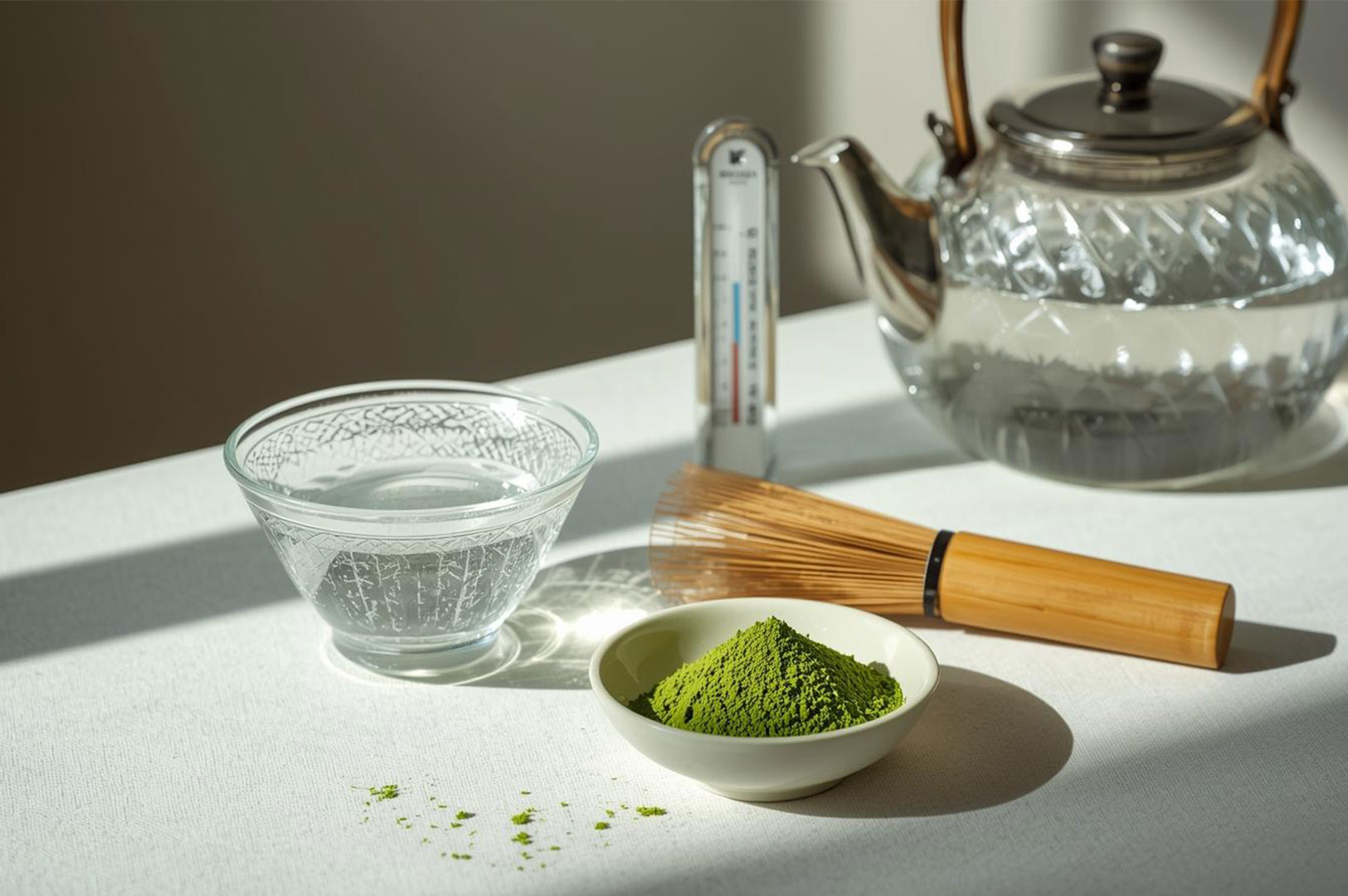
Matcha green tea preparation is an art form requiring specific techniques. Sift 1–2 grams of fine powder into a bowl, add water heated to 160–175°F, and whisk vigorously in a “W” pattern until frothy. The resulting beverage should have a smooth, creamy consistency.
Gyokuro, considered the premium grade of Japanese green tea, demands the most careful attention. Use water heated only to 140–160°F and steep for 90–120 seconds to preserve this shade-grown tea’s exceptional umami character.
Genmaicha, a blend of green tea and roasted rice, is more forgiving and can be brewed with water at 175–185°F for 3–5 minutes, creating a nutty, satisfying cup perfect for evening consumption.
General Brewing Guidelines
Water quality significantly impacts your tea’s final taste. Use filtered or spring water whenever possible, as chlorinated tap water can mask green tea’s subtle flavors and affect the extraction of beneficial compounds.
The ideal tea-to-water ratio is approximately 1 teaspoon (2–3 grams) per 8 ounces of water. This ratio can be adjusted based on personal preference and specific tea varieties.
Multiple infusion techniques maximize both flavor and health benefits. Quality green tea leaves can typically be steeped 3–5 times, with each infusion offering different characteristics and maintaining significant levels of beneficial catechins.
Recommended equipment includes ceramic, glass, or cast iron teapots that don’t interfere with the tea’s delicate flavors. Avoid metal strainers that remain in contact with the tea, as they can cause over-extraction and bitterness.
Optimal Consumption Timing and Frequency for Maximum Benefits

Daily Consumption Guidelines
For maximum health benefits, experts recommend consuming 3–5 cups of green tea daily, providing approximately 200–400mg of catechins. This amount has been associated with the most significant health benefits in epidemiological studies while remaining safe for most adults.
The maximum safe consumption for healthy adults is generally considered up to 8 cups daily, though individual tolerance varies based on caffeine sensitivity and overall health status. Moderate green tea consumption is key to avoiding potential side effects while maximizing benefits.
Spacing your tea intake throughout the day maintains steady blood levels of beneficial compounds. Rather than drinking multiple cups at once, distribute consumption across morning, afternoon, and early evening hours for sustained antioxidant protection.
Individual tolerance considerations are crucial, particularly for those sensitive to caffeine. Start with 1–2 cups daily and gradually increase based on your body’s response and comfort level.
Best Times to Drink Green Tea
Morning consumption, ideally 30–60 minutes after breakfast, provides metabolic benefits without causing stomach irritation. This timing supports natural energy levels and kickstarts fat oxidation for the day.
Pre-workout timing can enhance exercise benefits. Consuming green tea 30 minutes before physical activity may improve fat burning and exercise performance through increased metabolism and energy availability.
Afternoon consumption around 2–3 PM provides sustained energy without interfering with nighttime sleep. This timing helps combat the typical afternoon energy dip while maintaining alertness for evening activities.
Evening considerations are important due to green tea’s caffeine content. Avoid drinking green tea within 6 hours of bedtime to prevent sleep disruption, especially if you’re sensitive to stimulants.
Green Tea During Fasting and Empty Stomach Benefits
Green tea can support intermittent fasting goals through appetite suppression and metabolic enhancement. The combination of caffeine and catechins may help maintain energy levels during fasting periods.
Enhanced fat oxidation occurs when green tea is consumed on an empty stomach, as the body more readily accesses stored fat for energy in the absence of recently consumed calories.
Taking green tea during fasting periods may also support the body’s natural detoxification processes, though individuals with sensitive stomachs should exercise caution and consider consuming green tea with food to avoid irritation.
Common Mistakes to Avoid When Drinking Green Tea
One of the most frequent errors is using boiling water over 185°F, which creates bitter, astringent flavors and can destroy delicate beneficial compounds. The high temperature also releases excessive tannins, masking green tea’s natural sweetness and complexity.
Over-steeping green tea leaves leads to excessive tannin release, creating unpleasant bitterness that overwhelms the tea’s beneficial properties. Most green teas should be steeped for no more than 3–4 minutes on the first infusion.
Drinking green tea with iron-rich meals can significantly reduce iron absorption, particularly important for individuals prone to anemia or iron deficiency. Space green tea consumption at least one hour before or after iron-rich foods.
Consuming excessive amounts, particularly over 8 cups daily, may lead to side effects including caffeine-related anxiety, sleep disruption, and potential liver concerns when combined with green tea supplements. An 8-ounce cup of green tea typically contains 25–35 mg of caffeine, and tea contains caffeine that can interact with certain blood pressure medications, potentially affecting their effectiveness.
Adding too much sweetener not only masks green tea’s natural flavors but can also counteract some health benefits. If sweetening is necessary, use minimal amounts of natural sweeteners like honey.
Using poor-quality tea bags instead of loose leaf varieties significantly diminishes both flavor and health benefits. Many commercial tea bags contain lower-grade tea dust rather than whole leaves, resulting in inferior taste and reduced catechin content.
Improper storage exposes tea to light, air, and strong odors, degrading both flavor and beneficial compounds. Store green tea in airtight, light-proof containers away from heat and moisture.
Drinking green tea too close to bedtime can disrupt sleep patterns due to its caffeine content. Even moderate amounts can affect sleep quality in sensitive individuals, so timing is crucial for optimal rest.
Cultural Tea Drinking Traditions Across Asia
Chinese Tea Culture and Ceremonies
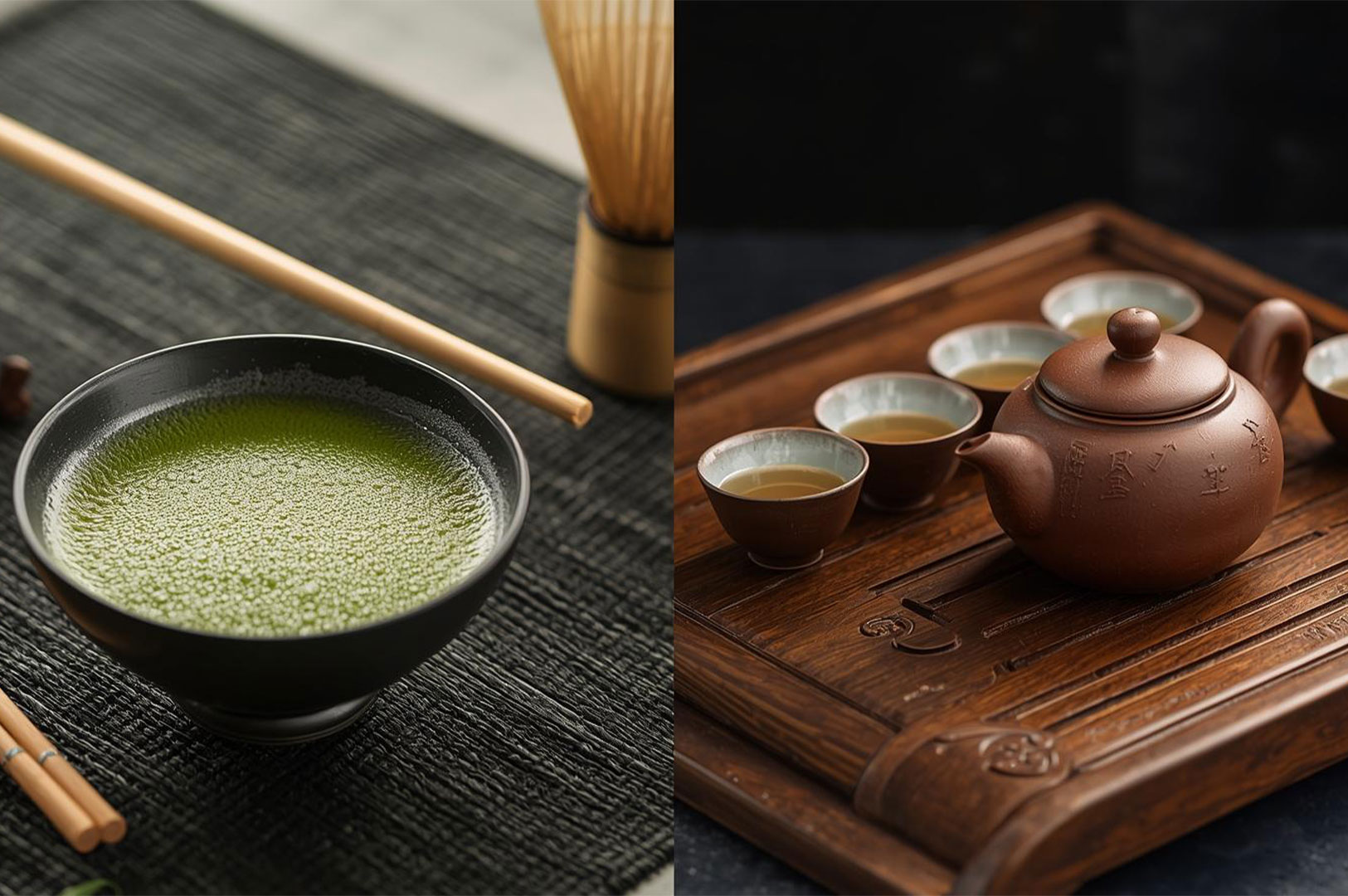
The gongfu cha traditional brewing method, dating to the Ming Dynasty (1368–1644), represents the pinnacle of Chinese tea appreciation. This ceremonial approach emphasizes multiple short infusions using small teapots and concentrated leaf ratios, allowing participants to experience the full evolution of flavors.
Tea ceremony significance extends beyond mere consumption, playing crucial roles in social gatherings and business meetings. In Chinese culture, offering tea demonstrates respect and hospitality, while the shared experience builds relationships and facilitates communication.
Regional variations reflect China’s diverse tea heritage. Fujian province specializes in oolong teas but also produces delicate green varieties, while Zhejiang province is famous for Longjing tea, and Anhui province contributes the renowned Huang Shan Mao Feng.
Modern Chinese tea houses continue these traditions while adapting to urban lifestyles. Contemporary tea culture maintains ceremonial elements while embracing convenience, with many professionals incorporating brief tea breaks into their workday routines.
Japanese Tea Traditions
The chanoyu (Way of Tea) ceremony, refined by Sen no Rikyū in the 16th century, represents the spiritual dimension of tea consumption. This elaborate ritual emphasizes mindfulness, respect, and the appreciation of impermanence through the preparation and sharing of matcha.
Seasonal tea appreciation connects practitioners to nature’s rhythms, with specific teas and utensils chosen to reflect seasonal changes. This practice reinforces the Japanese concept of living in harmony with natural cycles.
Daily sencha consumption habits are deeply ingrained in Japanese households, with families often gathering for tea breaks that strengthen social bonds and provide moments of calm in busy lives.
School and workplace tea culture in modern Japan continues traditional values while accommodating contemporary schedules. Many offices maintain tea preparation areas where colleagues can share brief moments of connection over carefully prepared green tea.
Korean and Vietnamese Tea Customs
The Korean darye ceremony traces its origins to Buddhist monastery practices introduced in the 4th century. This tradition emphasizes meditation and spiritual reflection, with green tea serving as a bridge between the material and spiritual worlds.
Vietnamese green tea plays a central role in social hospitality and family gatherings, with guests always offered tea as a gesture of welcome and respect. The practice of sharing tea strengthens community bonds and maintains cultural continuity.
Regional specialties include Boseong green tea in Korea, grown in optimal mountain conditions, and Thái Nguyên green tea in Vietnam, prized for its delicate flavor and aromatic qualities.
Modern adaptation of traditional customs allows these practices to thrive in contemporary Asian societies, with younger generations finding new ways to honor ancient traditions while fitting tea culture into modern lifestyles.
How to Select Quality Green Tea: A Buyer’s Guide
Identifying Premium Green Tea Characteristics
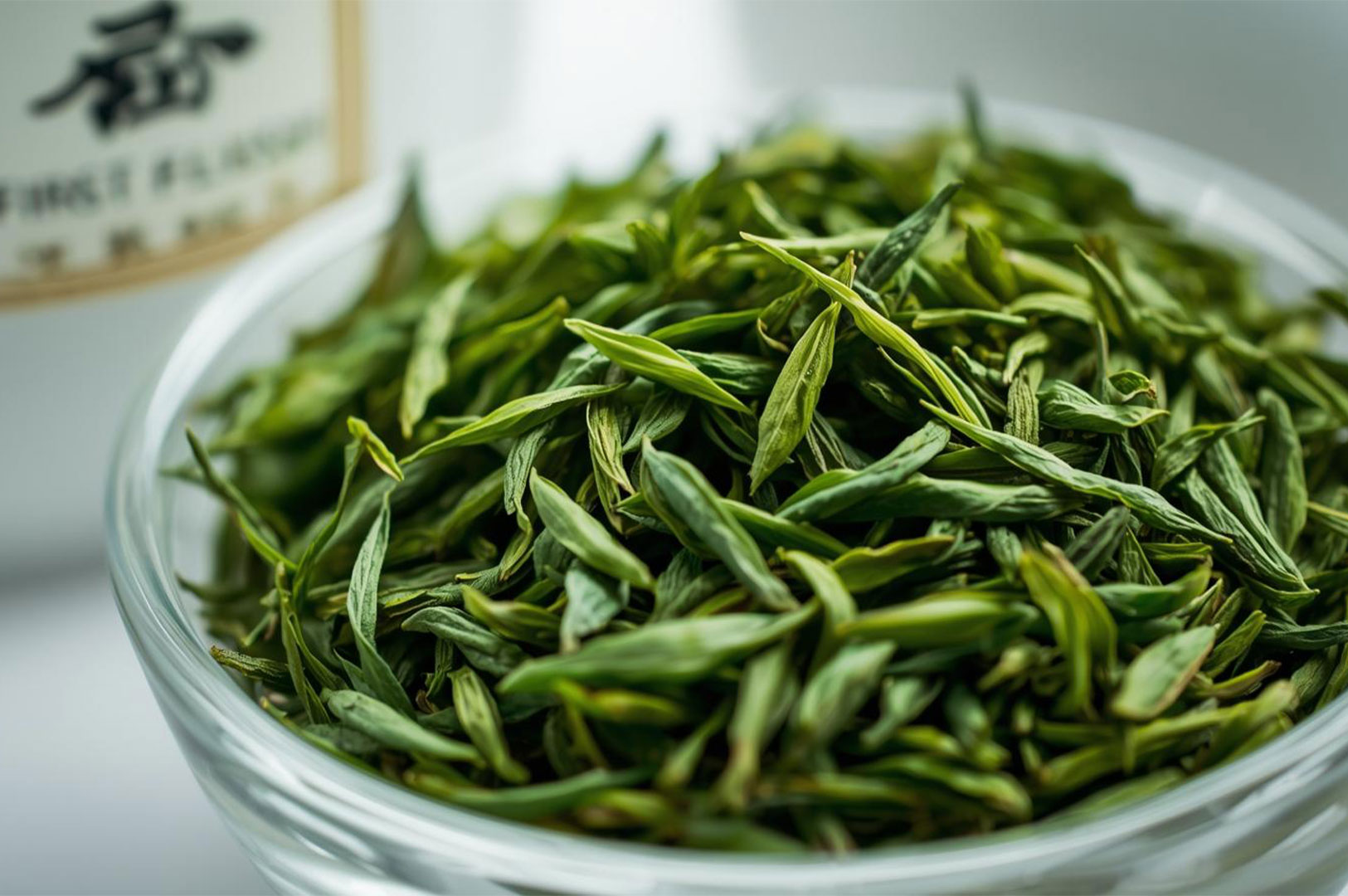
Visual inspection provides the first indication of quality. Premium green tea displays a vibrant green color, uniform leaf size, and minimal stems or broken pieces. The leaves should appear fresh and intact, not dusty or fragmented.
Aroma assessment reveals freshness and quality. High-grade green tea should have a fresh, grassy scent without musty or stale odors. The aroma should be clean and inviting, indicating proper processing and storage.
Harvest timing significantly impacts quality, with first flush spring teas (March–May) generally offering the highest quality. These early harvests capture the plant’s concentrated nutrients after winter dormancy, resulting in superior flavor and health benefits.
Processing method indicators help distinguish artisanal teas from mass-produced varieties. Hand-rolled teas often display irregular shapes but superior flavor, while machine-processed teas appear more uniform but may lack complexity.
Understanding Tea Grades and Classifications
Japanese grading systems classify teas from highest to lowest: Gyokuro (shade-grown premium), Sencha (standard grade), and Bancha (lower grade). Each grade reflects growing conditions, harvest timing, and processing methods.
Chinese classification uses numbered grades, with Special Grade and Grade 1 representing the highest quality, followed by Grades 2–4. These classifications consider leaf size, color uniformity, and absence of stems or foreign matter.
Organic certification ensures pesticide-free cultivation, increasingly important for health-conscious consumers. Certified organic green teas undergo rigorous testing to guarantee purity.
Single-origin versus blended tea involves trade-offs between consistency and character. Single-origin teas offer unique terroir expressions, while blends provide consistent flavor profiles across seasons.
Storage and Freshness Guidelines
Proper storage containers should be airtight, light-proof, and odor-resistant. Metal tins, dark glass jars, or specialized tea canisters protect against tea’s main enemies — air, light, heat, and moisture.
Refrigeration benefits long-term storage for unopened packages but requires careful handling to prevent condensation. Store sealed packages in the refrigerator and allow them to reach room temperature before opening.
Shelf life expectations vary by storage conditions. Unopened green tea maintains peak quality for 2–3 years, while opened packages should be consumed within 6–12 months for best flavor and benefits.
Signs of deterioration include color fading from bright green to brown, loss of aroma, and flat or stale taste — all indicating oxidation and degradation of beneficial compounds.
Tea Manor Singapore: Your Gateway to Premium Green Tea Experience
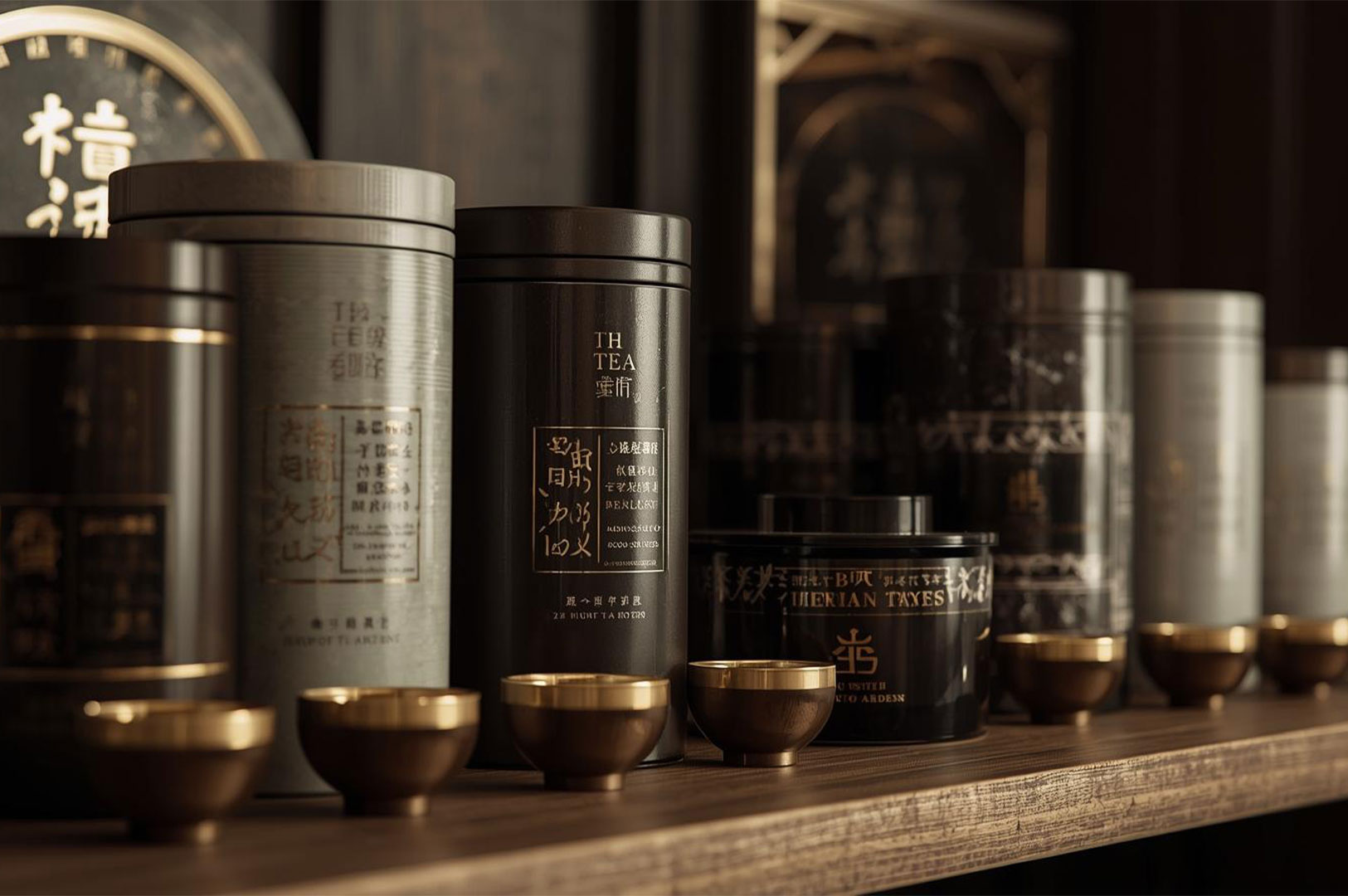
Curated Selection of World-Class Green Teas
Tea Manor Singapore distinguishes itself through hand-selected premium green teas sourced directly from renowned Chinese and Japanese gardens. Their curated selection represents the finest examples of traditional tea craftsmanship, ensuring customers experience authentic flavors and maximum health benefits.
The company maintains exclusive partnerships with traditional tea masters and certified organic farms, guaranteeing both quality and ethical sourcing practices. These relationships enable access to limited-production teas often unavailable through conventional retail channels.
Seasonal collections feature first flush harvests and limited edition offerings that showcase peak quality periods. Tea Manor Singapore’s commitment to freshness means customers receive teas at their optimal flavor and nutritional potency.
Quality assurance through direct sourcing eliminates intermediaries that might compromise freshness or authenticity. This approach ensures that every green tea variety maintains its intended character and beneficial properties from garden to cup.
Educational Resources and Expert Guidance
Tea Manor Singapore provides comprehensive brewing guides and technique workshops that demystify proper green tea preparation. These resources help customers maximize both flavor enjoyment and health benefits from their tea purchases.
Tea tasting sessions led by certified tea sommeliers offer immersive experiences that develop palate appreciation and brewing skills. These educational opportunities transform casual tea drinking into sophisticated appreciation of green tea’s complexity.
Cultural education programs explore Asian tea traditions, providing context for green tea’s role in wellness and social customs. Understanding these backgrounds enhances appreciation for green tea’s significance beyond simple beverage consumption.
Personalized tea recommendations based on taste preferences and health goals help customers navigate the extensive selection. Expert guidance ensures that both beginners and experienced tea drinkers find varieties that match their specific needs and desires.
Tea Manor Singapore’s Commitment to Excellence
Sustainability initiatives support ethical tea farming practices that preserve traditional methods while protecting environmental resources. This commitment ensures that quality tea production continues for future generations.
Customer education programs promote proper tea appreciation techniques, storage methods, and brewing practices. These efforts help customers maximize their investment in premium green teas while developing deeper appreciation for tea culture.
Community building through tea appreciation events and workshops creates connections among tea enthusiasts while fostering broader understanding of green tea’s cultural significance and health benefits.
Expert consultation services accommodate both beginners seeking guidance and tea connoisseurs looking for rare varieties. This personalized approach ensures that every customer receives appropriate support for their tea journey.
Safety Considerations and Potential Side Effects

Common Side Effects and Precautions
Caffeine sensitivity can manifest as headaches, jitters, or sleep disruption in susceptible individuals. While green tea contains less caffeine than coffee, those sensitive to stimulants should monitor their response and adjust consumption accordingly.
Stomach irritation from tannins may occur, especially when drinking tea on an empty stomach. Individuals with sensitive digestive systems should consume green tea with food or choose gentler varieties like white tea as alternatives.
Iron absorption interference represents a significant concern for individuals with anemia or iron deficiency. The tannins in green tea can reduce non-heme iron absorption by up to 70%, making timing crucial for those requiring iron supplementation.
Interaction with medications, particularly blood thinners, stimulants, and liver medications, requires medical consultation. Green tea catechins can potentiate certain drugs or interfere with their metabolism, necessitating professional guidance.
Special Population Considerations
Pregnancy and breastfeeding require moderation, with recommendations limiting consumption to 2 cups daily maximum. Excessive caffeine intake during pregnancy may affect fetal development, while nursing mothers should monitor infant response to caffeine in breast milk.
Children and adolescents have reduced caffeine tolerance and may experience heightened sensitivity to green tea’s stimulant effects. Limiting consumption and choosing lower-caffeine varieties helps prevent adverse reactions in young people.
Elderly individuals may experience enhanced drug interactions and require dosage adjustments based on medication regimens and health conditions. Consulting healthcare providers ensures safe integration of green tea into existing treatment plans.
Medical conditions such as bleeding disorders, liver disease, and heart conditions may contraindicate high green tea consumption or require medical supervision. Professional guidance helps identify appropriate consumption levels for individual health circumstances.
Safe Consumption Guidelines
Starting recommendations for new tea drinkers suggest beginning with 1-2 cups daily to assess individual tolerance. Gradual increases allow the body to adapt while minimizing potential adverse effects.
Gradual increase in consumption helps identify optimal intake levels while monitoring for adverse reactions. Most people can safely consume 3-5 cups daily, but individual responses vary significantly.
Monitoring for adverse reactions includes tracking sleep quality, digestive comfort, and any medication interactions. Maintaining awareness of these factors helps ensure safe, beneficial green tea consumption.
Quality supplement selection, if choosing green tea extracts rather than traditional tea, requires careful attention to standardization and third-party testing. Dietary supplements may contain concentrated levels that exceed safe limits found in regular tea consumption.
Regular tea consumption, when approached thoughtfully with attention to quality, timing, and individual tolerance, offers remarkable health benefits that have sustained human wellness for millennia. From its origins in ancient China to modern scientific validation, green tea remains one of nature’s most powerful tools for supporting cardiovascular health, cognitive function, and overall vitality.
The journey of mastering green tea appreciation extends beyond simple consumption to embrace cultural wisdom, brewing artistry, and mindful practice. Whether you’re drawn to the meditative aspects of traditional tea ceremonies or the practical health benefits of daily consumption, green tea offers a pathway to enhanced well-being that honors both ancient traditions and modern scientific understanding.
For those ready to embark on this transformative journey, Tea Manor Singapore provides the perfect starting point with their expertly curated selection of premium green teas and comprehensive educational resources. Begin your exploration today and discover how this remarkable beverage can enhance your health, enrich your daily rituals, and connect you to a global tradition of wellness and mindfulness.

The Soul of Tea: Unveiling the Beauty of Traditional Tea Ceremonies
Tea is more than just a drink, isn’t it? It is a quiet moment in the middle of a busy day, a small ritual that grounds us. We are not just drinking tea; we are experiencing something far more profound, a glimpse into the centuries-old traditions of cultures that revere this simple beverage. Whether in…

The Matcha Latte and the Tea It Came From
The matcha latte drink has become one of the most recognizable tea-based beverages in modern cafés. From Starbucks menus to independent tea bars, it is served hot in ceramic mugs or as iced matcha lattes layered in a glass with cold milk and ice. It is marketed as a healthy drink. It is praised for…

We Are Drinking Tea Too Quickly
There is something ironic about rushing tea. We order it to relax. We call it calming. We describe it as grounding. And yet, more often than not, we drink it the same way we drink everything else — between emails, between meetings, between scrolling. Tea has become background noise. A mug beside the laptop. A…

Cuppage Plaza Food Culture Through a Tea Lens
Walk into Cuppage Plaza Singapore and you immediately feel the shift. Just a short walk from Somerset MRT Station, Cuppage Plaza is an accessible destination for food lovers seeking authentic Japanese cuisine. Orchard Road may glitter just outside, but inside this aging building, the mood changes. The corridors are dim. The signboards feel layered with…

Milk Tea Is Not Tea
This is not an argument about preference. It is a question about naming. Milk tea is everywhere now. It travels in oversized cups, sealed with plastic film. It arrives layered with foam, syrup, pearls, jelly, whipped cream. It is photographed before it is tasted. It is queued for. It is branded. It is loved. But…
A Journey into Herbal Teas: Exploring Nature’s Finest Infusions
Imagine cupping your hands around a warm mug, inhaling the sweet, floral scent of chamomile tea or the invigorating peppermint tea aroma from the peppermint plant. As you take the first sip, you feel a sense of calm and comfort wash over you. This soothing experience is the magic of herbal teas, a diverse and…
Singapore Tea for Every Palate and Every Ritual
What draws us to seek something deeper in a simple cup of tea? In Singapore, where countless cultures have settled like leaves steeping in warm water, the answer unfolds quietly in the spaces between tradition and modernity. Good tea emerges from patient sourcing, from the steady hands of those who understand its language, from leaves…
Why Private Room Singapore Spaces Are Perfect for Tea Rituals
In a city that never truly rests, quiet becomes something you have to choose. You feel it when you’re weaving through Orchard Road in the middle of the day, or squeezing past crowds in the Central Business District at lunch hour. The lights are bright, the notifications keep coming, and even when you sit down,…
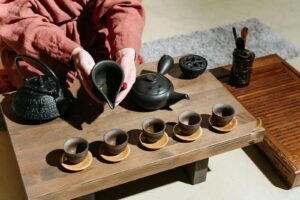
Tea Is Losing Its Ceremony — And We Let It Happen
No one announced it. There was no collective decision, no moment of cultural shift. And yet, the ceremony has quietly receded from everyday tea. What was once deliberate has become automatic. Tea used to require attention. Water temperature mattered. Leaves were measured with care. The cup was chosen, not grabbed. Even in the absence of…
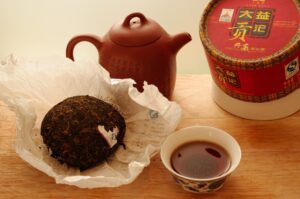
The Art of Aging: Understanding Authentic Yunnan Pu-erh Tea
Among the world’s most revered fermented dark teas, few types evoke as much intrigue and respect as Yunnan pu erh tea (普洱). Crafted from ancient tea trees in Yunnan province, this tea produced by traditional methods is a living testament to China’s rich beverage heritage. Unlike most loose leaf tea or black teas, high-quality pu…