
For thousands of years, green tea has been revered in Asian cultures for its health-promoting properties. But can this ancient beverage actually help you lose weight, or is it just another overhyped health trend? The answer lies somewhere between the marketing hype and scientific reality.
While green tea won’t magically melt away pounds overnight, decades of research reveal that drinking green tea can indeed support weight loss efforts through measurable biological mechanisms. The key compounds responsible—primarily epigallocatechin gallate (EGCG) and other catechins—work synergistically with caffeine to boost fat burning and metabolism in ways that scientific studies have consistently documented. Green tea’s active compounds, including these catechins and caffeine, play a significant role in promoting weight loss by enhancing fat oxidation and increasing energy expenditure.
This comprehensive guide cuts through the marketing claims to reveal exactly how green tea helps with weight loss, what the clinical research actually shows, and how to maximize its effectiveness through proper consumption and brewing methods. Most importantly, you’ll learn realistic expectations about what green tea can and cannot do for your weight management goals, including its effects on fat cells, insulin resistance, blood sugar, body mass index (BMI), and potential adverse effects, as well as emerging research on skin cancer prevention.
To gain a deeper understanding of how green tea supports overall wellness—from metabolism and fat oxidation to traditional tea preparation methods—Tea Manor Singapore offers in-depth insights into the science and culture of tea. Their educational resources explore how centuries-old brewing traditions align with modern research on green tea’s role in weight management and holistic health.
The Science Behind Green Tea’s Weight Loss Effects: Green Tea Extract, Fat Cells, and Insulin Resistance
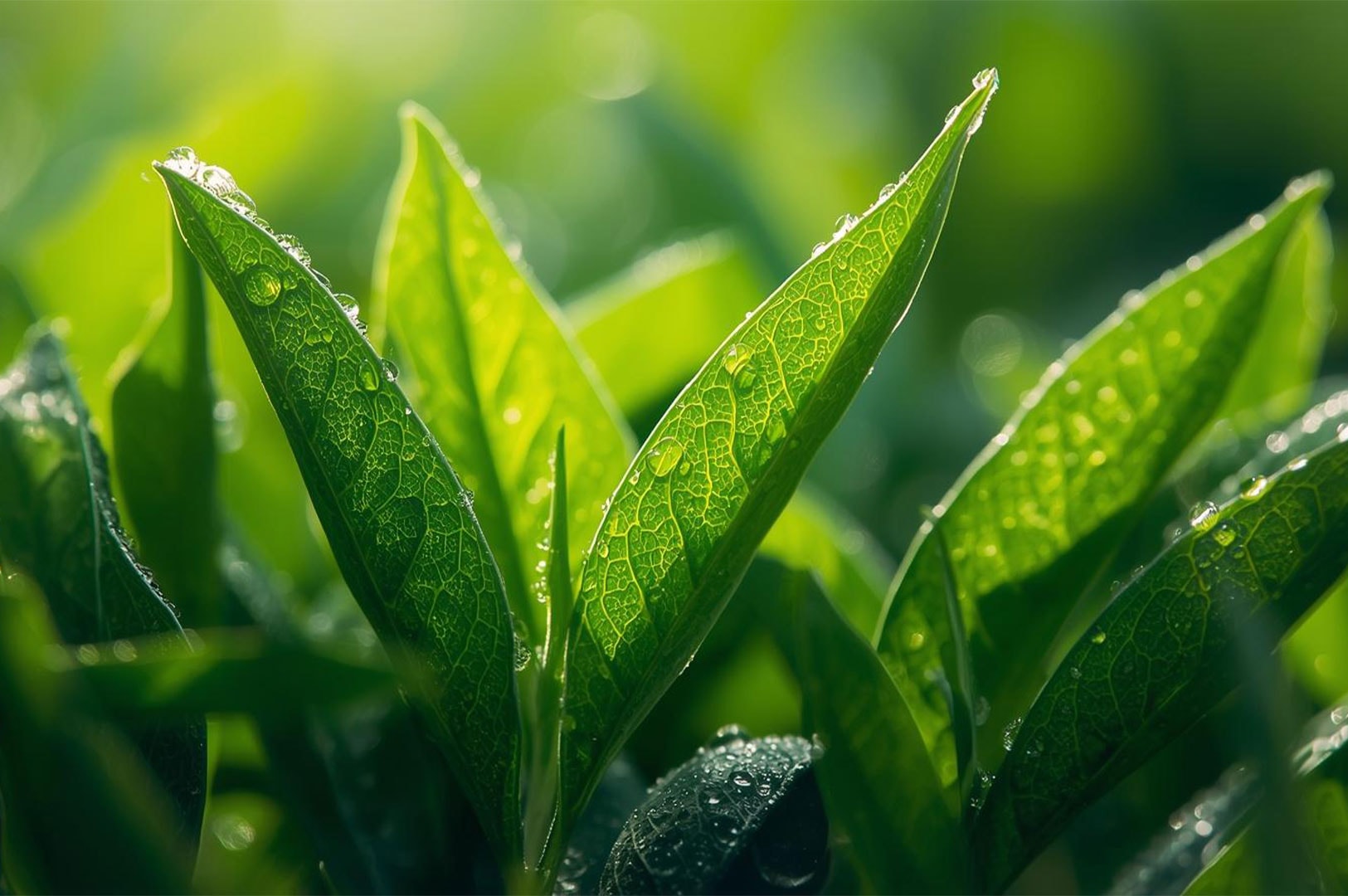
Understanding how green tea help to lose weight requires examining the specific bioactive compounds and their effects on human metabolism. The weight loss benefits of green tea stem from a sophisticated interplay of natural chemicals that influence fat burning at the cellular level.
Epigallocatechin gallate (EGCG) serves as the primary active compound responsible for green tea extract’s metabolic effects. EGCG works by inhibiting the enzyme catechol-O-methyltransferase (COMT), which normally breaks down norepinephrine—a key hormone that signals fat cells to release stored fat for energy. By blocking this enzyme, EGCG effectively increases norepinephrine levels, leading to enhanced fat burning throughout the body.
Clinical studies demonstrate that consuming 300-400mg of EGCG daily can boost thermogenesis by 4-5% above baseline metabolic rate. This seemingly modest increase translates to approximately 80-100 additional calories burned per day—equivalent to a 15-20 minute walk. The effect of green tea on weight loss has also been shown to include reductions in BMI, waist circumference, and waist-to-hip ratio, with these outcomes influenced by the specific green tea preparation, catechin dose, and caffeine content. Such increases contribute directly to weight loss by enhancing the body’s ability to burn body fat more efficiently.
The caffeine content in green tea, ranging from 25-50mg per cup, provides additional metabolic benefits by stimulating the central nervous system. This stimulation increases energy expenditure and promotes the release of fatty acids from adipose tissue. However, green tea’s caffeine content remains significantly lower than coffee, reducing the risk of jitters or anxiety while still providing metabolic benefits that support weight loss.
The most significant discovery in green tea research involves the synergistic effect between catechins and caffeine. When consumed together, these compounds produce 10-16% greater fat oxidation than either compound alone. This synergy explains why green tea extract supplements consistently outperform isolated EGCG supplements in clinical trials focused on weight loss.
Green tea catechins also influence gene expression related to fat metabolism and insulin resistance. Research shows that regular green tea consumption upregulates genes responsible for insulin sensitivity (Insr, Irs1, Glut4) while promoting the breakdown of excess body fat and helping regulate blood sugar levels. These effects appear particularly pronounced in overweight and obese individuals, suggesting that green tea may be most beneficial for those who need weight loss support the most.
Clinical Research on Drinking Green Tea and Green Tea Preparations for Weight Management and Body Mass Index (BMI)
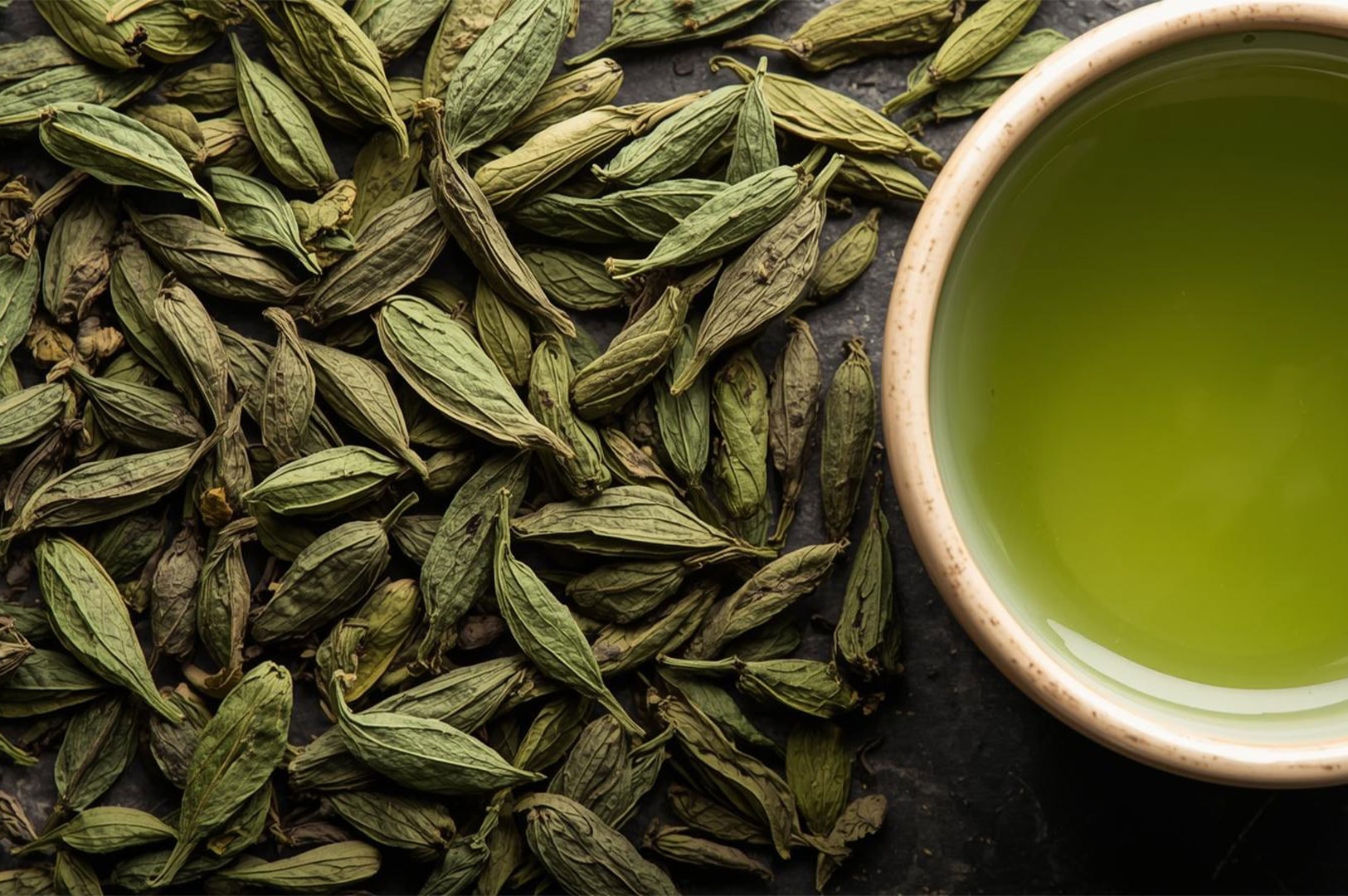
The scientific evidence supporting green tea’s weight loss effects comes from numerous randomized controlled trials (randomised controlled trials) and systematic reviews spanning over two decades. Understanding this research helps separate legitimate weight loss benefits from marketing exaggeration.
A comprehensive 2010 Cochrane review analyzed 15 high-quality studies and found that green tea preparations consistently produced weight loss ranging from 0.2-3.5kg over 12-week periods. While these results may seem modest, they represent statistically significant weight loss changes that occurred without major dietary restrictions or intensive exercise programs.
The most robust data comes from a meta-analysis of 11 trials involving over 1,200 participants. This large-scale analysis found an average weight loss of 1.31kg when participants consumed 500-1000mg of green tea extract daily for 12-16 weeks. Importantly, these weight loss benefits became more pronounced when green tea consumption was combined with moderate physical activity.
Study Type | Duration | Participants | Daily Dosage | Average Weight Loss |
|---|---|---|---|---|
Cochrane Review (15 studies) | 12 weeks | 1,945 | 500-1500mg catechins | 0.2-3.5kg |
Meta-analysis (11 trials) | 12-16 weeks | 1,200+ | 500-1000mg extract | 1.31kg |
Japanese Population Study | 12 weeks | 240 | 690mg catechins | 2.4kg |
Western Population Study | 12 weeks | 132 | 690mg catechins | 1.2kg |
Interestingly, studies suggest that green tea for weight loss may be more effective in certain populations. Japanese studies demonstrated significantly better weight loss results than Western populations, with some research attributing this difference to genetic variations in COMT enzyme activity. Individuals of Asian descent often carry genetic variants that make them more responsive to EGCG’s fat-burning effects, enhancing weight loss outcomes.
Research on fat oxidation reveals that green tea consumption increases fat burning by 17% during moderate exercise sessions. This effect peaks 1-2 hours after consumption, making pre-workout timing particularly beneficial for maximizing fat burning and weight loss during physical activity.
Recent studies also indicate that green tea may preferentially target visceral fat—the dangerous abdominal fat linked to metabolic disease and insulin resistance. One 12-week trial found that participants consuming green tea extract preparations lost significantly more waist circumference and visceral fat compared to those receiving placebo, even when total weight loss was similar.
The beneficial effects of green tea extend beyond simple weight loss. Clinical trials consistently show improvements in body composition, with participants maintaining more lean muscle mass while losing fat. This preservation of muscle tissue helps maintain metabolic rate during weight loss, preventing the metabolic slowdown that often accompanies caloric restriction.
Safety and Adverse Effects of Green Tea Supplements and Preparations
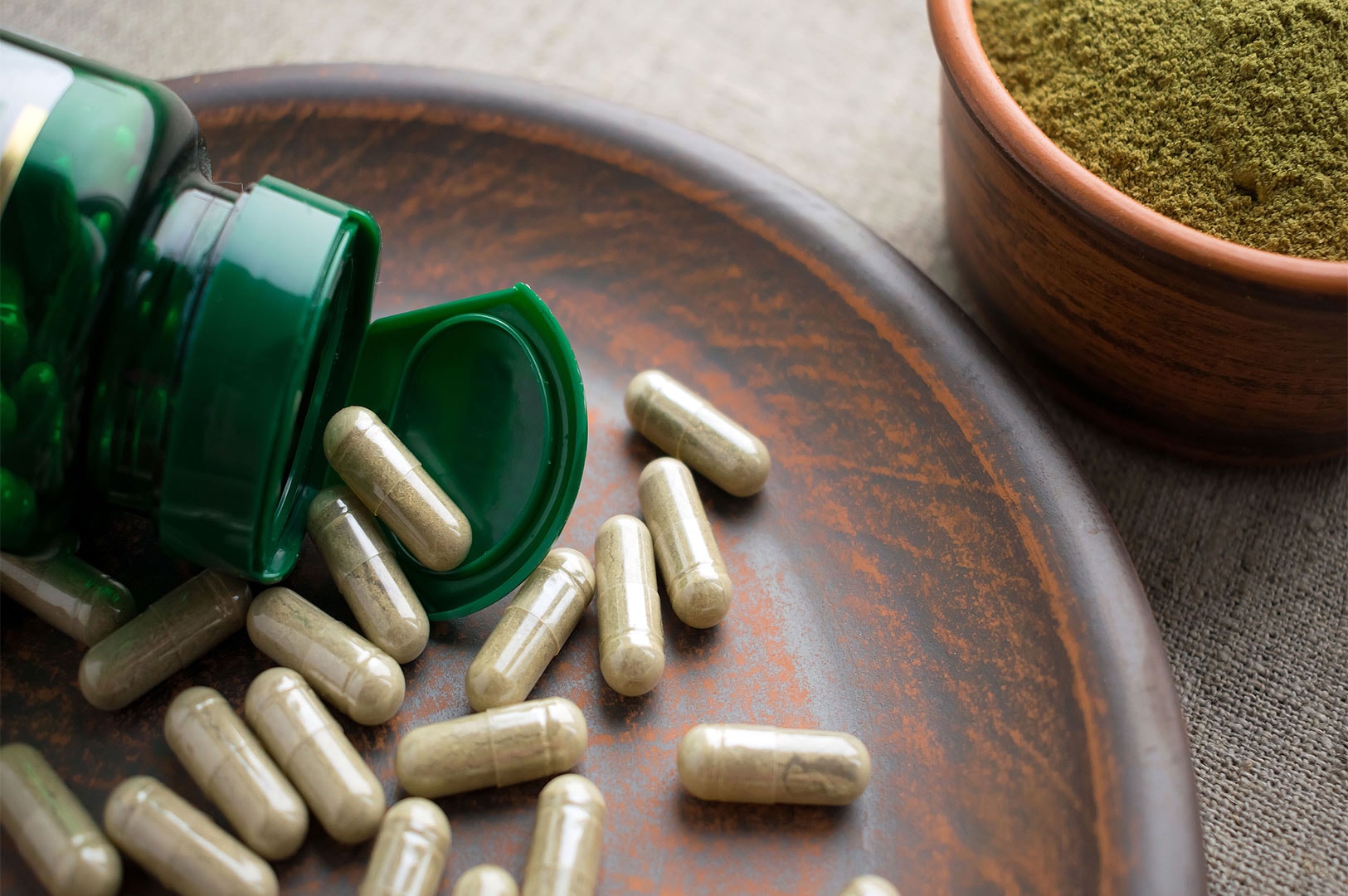
While green tea is generally safe for most people when consumed in moderate amounts, understanding potential risks and adverse effects ensures safe and effective use for weight loss purposes.
Green tea extract supplements, particularly in pill form, concentrate catechins to levels much higher than naturally occur in brewed green tea. While this concentration can enhance weight loss effectiveness, it also increases the risk of adverse effects.
Doses above 800mg EGCG daily have been linked to rare cases of hepatotoxicity (liver injury), particularly in supplement form. These cases typically involve concentrated extracts taken on an empty stomach, though the exact mechanism remains unclear.
Symptoms of potential liver stress include fatigue, nausea, abdominal pain, dark urine, or yellowing of skin or eyes. Anyone experiencing these symptoms while using green tea supplements should discontinue use and consult a healthcare provider immediately.
Green tea can also interact with several common medications, potentially altering their effectiveness or increasing side effects. Notable interactions include:
- Warfarin and blood thinners: Green tea’s vitamin K content may interfere with anticoagulant effectiveness.
- Beta-blockers: Caffeine can counteract blood pressure-lowering effects.
- Iron supplements: Catechins reduce iron absorption when consumed together.
- Stimulant medications: Combined caffeine effects may cause excessive stimulation.
Pregnant and breastfeeding women should limit caffeine intake to 200mg daily, equivalent to 4-8 cups of green tea depending on strength. This limitation protects both maternal and fetal health while still allowing moderate green tea consumption.
Additional Potential Benefits: Green Tea and Skin Cancer Prevention
Emerging research suggests that green tea catechins may also provide protective effects against skin cancer through antioxidant and anti-inflammatory mechanisms. While not directly related to weight loss, this potential benefit adds to green tea’s overall health-promoting profile.
Conclusion: Realistic Expectations for Green Tea in Weight Management
Green tea may help support weight loss and weight management through its effects on fat cells, energy metabolism, insulin resistance, and blood sugar regulation. However, the realistic expectation involves modest weight loss—typically 1-3kg over 12 weeks—when green tea consumption is combined with a healthy diet and regular exercise.
The key to success lies in viewing green tea as a valuable component of a comprehensive weight loss strategy rather than a standalone solution. When combined with a balanced diet that creates a moderate caloric deficit and regular physical activity, green tea preparations and supplements enhance these weight loss efforts and may help maintain weight loss over time. This is particularly important for overweight and obese individuals seeking sustainable weight management solutions.
How Green Tea Help to Lose Weight: Mechanisms and Benefits

Green tea, derived from the camellia sinensis plant, has long been celebrated as an ancient beverage with numerous potential health benefits, including its role in weight loss. But how exactly does green tea help to lose weight? The answer lies in its unique combination of bioactive compounds, primarily green tea catechins and caffeine, which work synergistically to influence energy metabolism, fat oxidation, and fat breakdown.
It is important to note that different green teas may vary in their catechin and caffeine content, which can influence their effectiveness for weight loss.
Green tea contains powerful antioxidants called catechins, with epigallocatechin gallate (EGCG) being the most abundant and active. These catechins have been shown in human studies and randomized controlled trials to promote fat burning by enhancing the activity of fat burning hormones such as norepinephrine. By inhibiting the enzyme catechol-O-methyltransferase (COMT), EGCG increases norepinephrine levels, which stimulates fat cells to release stored fat for energy use—a process known as lipolysis or fat breakdown.
Moreover, green tea supplementation has been observed to increase energy expenditure and metabolic rate, even at rest. This means that consuming green tea or green tea extract supplements can help the body burn body fat more efficiently, contributing to reductions in body weight and body fat percentage. The beneficial effects extend to improvements in glucose metabolism and insulin resistance, which are critical factors in managing weight and preventing weight gain, especially in obese women and other at-risk populations.
Green Tea Consumption and Weight Loss: Evidence from Clinical Research
The effects of green tea and weight loss have been extensively studied through randomized controlled trials and systematic reviews. Drinking green tea, whether brewed green tea or in the form of green tea extract supplements, has demonstrated modest but statistically significant reductions in body mass index (BMI), waist circumference, and overall body fat.
A 2010 Cochrane systematic review analyzed multiple randomized controlled trials involving overweight and obese individuals. The review found that green tea preparations, including tea bags and green tea extracts in pill form, led to an average weight loss ranging from 0.2 to 3.5 kg over periods of 12 weeks or longer. These findings suggest that green tea may help people maintain weight loss when combined with a healthy lifestyle, including a balanced diet and regular exercise plan. Some studies recommend to drink green tea before meals or in the morning to maximize its potential weight loss benefits, as this timing may help boost metabolism and reduce calorie intake.
Studies suggest that green tea may be especially effective in reducing visceral fat, the dangerous excess body fat stored around internal organs linked to heart disease, high blood pressure, and type 2 diabetes. This targeted fat loss is particularly valuable since visceral fat contributes significantly to metabolic disorders and overall health risks.
The Role of Green Tea Catechins and Caffeine in Fat Burning and Metabolism
Green tea contains both catechins and caffeine, which together contribute to its fat burning and metabolism-boosting properties. Caffeine stimulates the central nervous system, increasing energy expenditure and promoting fat oxidation. Meanwhile, green tea catechins enhance this effect by prolonging the action of fat burning hormones, leading to increased fat breakdown and fat oxidation.
Research indicates that consuming 3-5 cups of green tea daily or equivalent doses of green tea extract supplements can boost metabolic rate by approximately 3-4%, with some studies reporting increases up to 8%. This metabolic enhancement translates to burning an additional 50-100 calories per day, which, over time, can contribute to significant weight loss.
Importantly, green tea contains less caffeine than black tea or coffee, reducing the risk of side effects such as jitteriness or increased blood pressure. This makes green tea an attractive option for individuals sensitive to caffeine or those looking to avoid excessive caffeine intake.
Green Tea and Weight: Practical Tips for Maximizing Benefits
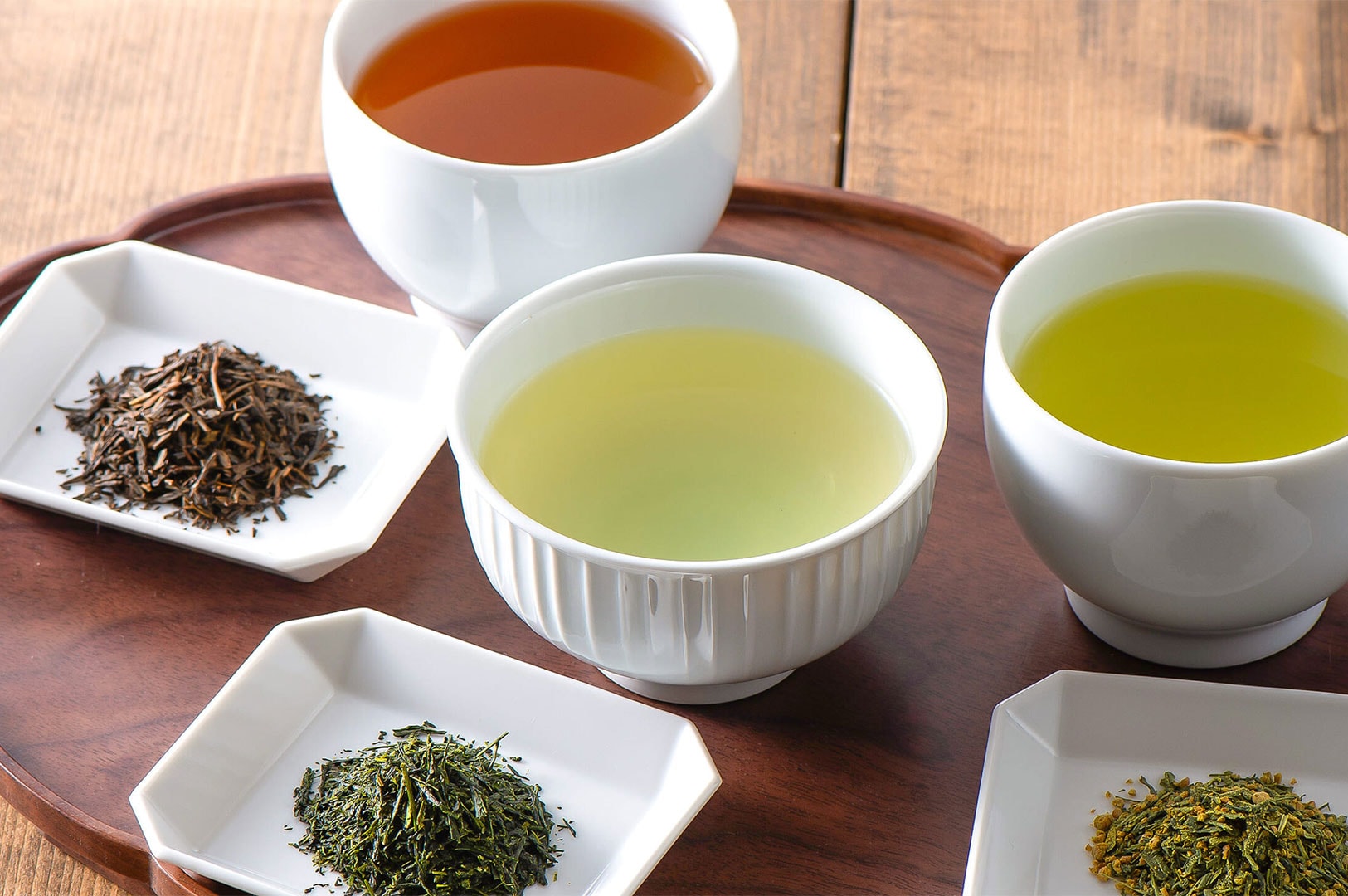
To harness the benefits of green tea for weight loss, consider the following practical tips:
- Choose high-quality green tea: Opt for green tea preparations made from fresh tea leaves or high-quality tea bags that retain high levels of catechins and caffeine.
- Proper brewing: Brew green tea at the right temperature (around 80°C or 176°F) and steep for 2-3 minutes to maximize the extraction of beneficial compounds without bitterness.
- Consistency: Regular green tea consumption over at least 12 weeks is essential to observe meaningful effects on weight loss and metabolism green tea.
- Combine with a healthy diet: Green tea consumption works best when integrated into a balanced diet that helps you consume fewer calories and supports fat burning.
- Drink a cup of green tea between meals: Having a cup of green tea between meals can help curb appetite, provide a gentle caffeine boost, and support fat burning.
- Incorporate physical activity: Engaging in regular exercise enhances the fat oxidation effects of green tea and supports overall weight management.
For those who dislike the taste of brewed green tea, green tea extract supplements offer a convenient alternative, providing concentrated doses of catechins and caffeine. However, it is important to use these supplements responsibly and consult healthcare professionals to avoid potential adverse effects.
Safety Considerations and Potential Adverse Effects
While green tea and green tea supplementation are generally safe for most people, excessive consumption, especially in pill form, may lead to adverse effects such as gastrointestinal discomfort, insomnia, or, in rare cases, liver toxicity. People with high blood pressure or those taking medications should consult their healthcare provider before significantly increasing green tea intake.
Pregnant and breastfeeding women are advised to limit caffeine consumption, including from green tea, to avoid potential risks to the fetus or infant.
Conclusion: Integrating Green Tea into a Healthy Lifestyle for Weight Management
Green tea may not be a magic bullet for weight loss, but evidence from randomized controlled trials and human studies supports its role as a beneficial adjunct to a healthy lifestyle. By enhancing energy metabolism, promoting fat oxidation, and supporting fat breakdown, green tea helps overweight and obese individuals lose weight and reduce excess body fat, especially visceral fat.
Incorporating green tea consumption or green tea extract supplements into a balanced diet and exercise plan can provide potential health benefits beyond weight loss, including improved glucose metabolism and cardiovascular health. Further research continues to explore the full range of green tea’s effects, but current evidence encourages its use as part of a comprehensive strategy for weight management and overall health.
By understanding how green tea help to lose weight and applying practical consumption strategies, you can maximize its benefits and support your journey toward a healthier body weight and lifestyle, and may help maintain weight loss over time.
Quality matters significantly—proper brewing techniques, choosing high-catechin varieties, and avoiding common mistakes like adding dairy or using excessive temperatures can dramatically impact effectiveness. Consistency in consumption over at least 12 weeks is essential for experiencing meaningful weight loss benefits.
Most importantly, green tea offers a safe, well-researched addition to weight loss efforts when consumed appropriately. By maintaining realistic expectations, following evidence-based consumption guidelines, and integrating green tea into a broader healthy lifestyle, you can harness its metabolic benefits to support your weight management goals.
Learn More About Green Tea and Weight Management at Tea Manor Singapore
If you’re interested in exploring the deeper traditions, science, and culture behind green tea and its connection to wellness, Tea Manor Singapore offers an exceptional resource. As a knowledge hub dedicated to tea appreciation and education, Tea Manor aims to preserve and share the rich heritage of Asian tea culture while making authentic information accessible to modern readers.

The Soul of Tea: Unveiling the Beauty of Traditional Tea Ceremonies
Tea is more than just a drink, isn’t it? It is a quiet moment in the middle of a busy day, a small ritual that grounds us. We are not just drinking tea; we are experiencing something far more profound, a glimpse into the centuries-old traditions of cultures that revere this simple beverage. Whether in…

The Matcha Latte and the Tea It Came From
The matcha latte drink has become one of the most recognizable tea-based beverages in modern cafés. From Starbucks menus to independent tea bars, it is served hot in ceramic mugs or as iced matcha lattes layered in a glass with cold milk and ice. It is marketed as a healthy drink. It is praised for…

We Are Drinking Tea Too Quickly
There is something ironic about rushing tea. We order it to relax. We call it calming. We describe it as grounding. And yet, more often than not, we drink it the same way we drink everything else — between emails, between meetings, between scrolling. Tea has become background noise. A mug beside the laptop. A…

Cuppage Plaza Food Culture Through a Tea Lens
Walk into Cuppage Plaza Singapore and you immediately feel the shift. Just a short walk from Somerset MRT Station, Cuppage Plaza is an accessible destination for food lovers seeking authentic Japanese cuisine. Orchard Road may glitter just outside, but inside this aging building, the mood changes. The corridors are dim. The signboards feel layered with…

Milk Tea Is Not Tea
This is not an argument about preference. It is a question about naming. Milk tea is everywhere now. It travels in oversized cups, sealed with plastic film. It arrives layered with foam, syrup, pearls, jelly, whipped cream. It is photographed before it is tasted. It is queued for. It is branded. It is loved. But…
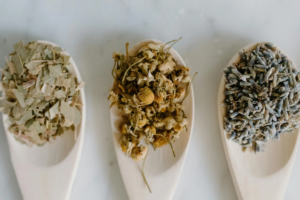
A Journey into Herbal Teas: Exploring Nature’s Finest Infusions
Imagine cupping your hands around a warm mug, inhaling the sweet, floral scent of chamomile tea or the invigorating peppermint tea aroma from the peppermint plant. As you take the first sip, you feel a sense of calm and comfort wash over you. This soothing experience is the magic of herbal teas, a diverse and…
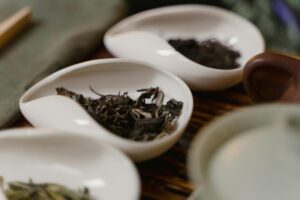
Singapore Tea for Every Palate and Every Ritual
What draws us to seek something deeper in a simple cup of tea? In Singapore, where countless cultures have settled like leaves steeping in warm water, the answer unfolds quietly in the spaces between tradition and modernity. Good tea emerges from patient sourcing, from the steady hands of those who understand its language, from leaves…

Why Private Room Singapore Spaces Are Perfect for Tea Rituals
In a city that never truly rests, quiet becomes something you have to choose. You feel it when you’re weaving through Orchard Road in the middle of the day, or squeezing past crowds in the Central Business District at lunch hour. The lights are bright, the notifications keep coming, and even when you sit down,…

Tea Is Losing Its Ceremony — And We Let It Happen
No one announced it. There was no collective decision, no moment of cultural shift. And yet, the ceremony has quietly receded from everyday tea. What was once deliberate has become automatic. Tea used to require attention. Water temperature mattered. Leaves were measured with care. The cup was chosen, not grabbed. Even in the absence of…
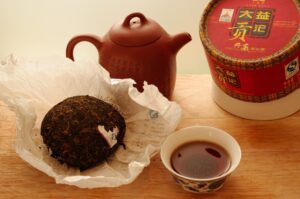
The Art of Aging: Understanding Authentic Yunnan Pu-erh Tea
Among the world’s most revered fermented dark teas, few types evoke as much intrigue and respect as Yunnan pu erh tea (普洱). Crafted from ancient tea trees in Yunnan province, this tea produced by traditional methods is a living testament to China’s rich beverage heritage. Unlike most loose leaf tea or black teas, high-quality pu…