There is a curious assumption in tea culture that I have never quite understood.
If you are new to tea, you begin with something floral.
Jasmine. Rose. Osmanthus. Lightly scented blends.
Then, supposedly, you move on.
You discover roasted oolongs. Aged teas. More complex leaves. Stronger flavours. Eventually, you become a “serious” tea drinker.
I have always found this progression rather strange.
Why should subtlety be considered an introduction rather than an achievement?
A good floral tea can be remarkably difficult to appreciate. Its character is often quiet. It does not overwhelm the palate or announce itself immediately. You have to notice what happens between the aroma and the finish, between the fragrance and the leaf beneath it.
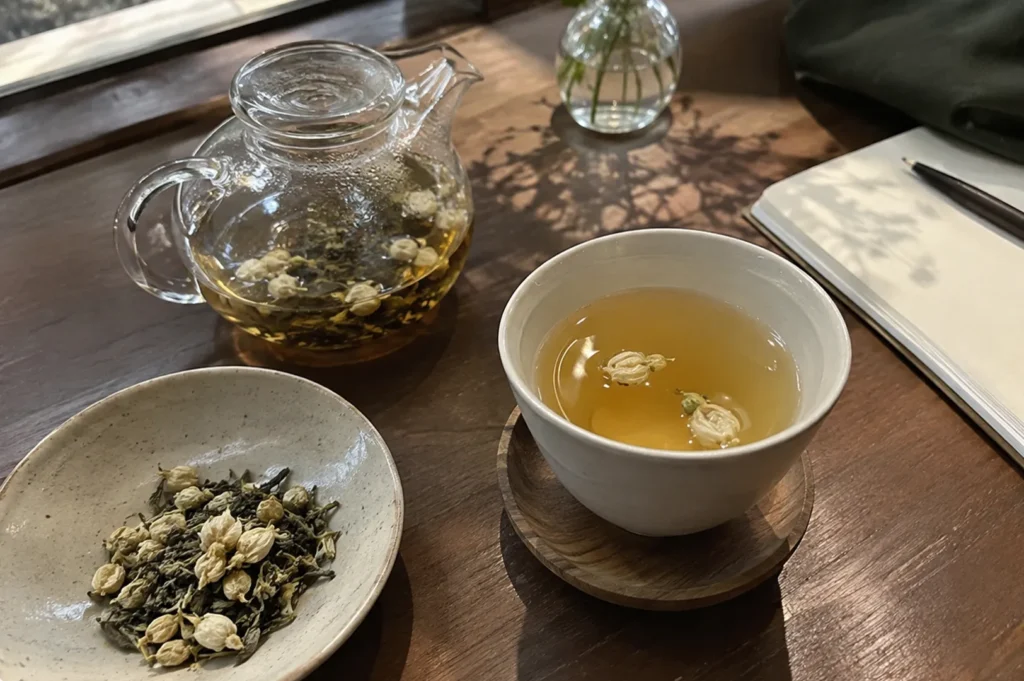
Jasmine tea is a good example.
The jasmine may be the first thing you notice, but it should not be the only thing you taste. Beneath the fragrance is the tea itself, carrying its own texture and character. When the two are balanced properly, neither needs to dominate.
That balance requires restraint.
And restraint is not always easy.
I have tasted teas that were far more expensive and far more celebrated, yet I found myself returning to a simple floral tea instead. Not because it was more impressive, but because it gave me something I wanted from that particular moment.
Perhaps this is what happens as our relationship with tea changes.
In the beginning, we often look for intensity. We want flavours that are obvious and memorable. We want the tea to tell us immediately why it deserves our attention.
Eventually, some of us begin looking for something quieter.
A fragrance that does not overwhelm.
A finish that stays a little longer.
A tea that reveals itself without demanding to be noticed.
This is not to say floral teas are inherently better. They are not.
But perhaps we should stop treating them as stepping stones toward more “serious” tea.
Taste does not always become more sophisticated by becoming stronger.
Sometimes it becomes more sensitive.
And perhaps that is why I still return to floral teas.
Not because I have yet to graduate from them.
Because I no longer feel the need to.
With quiet regard,
N. P. Lim

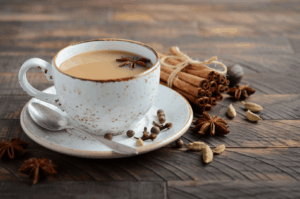
Masala Chai Origins: The Cultural Evolution of India’s Spiced Tea Tradition
The rhythmic clanging of metal kettles echoes through narrow lanes as steam rises from countless chai stalls across India. The intoxicating aroma of cardamom, cinnamon, and fresh ginger mingles with robust black tea, creating an olfactory symphony that has captivated souls for centuries. This is masala chai-not merely a beverage, but a cultural phenomenon that…
-
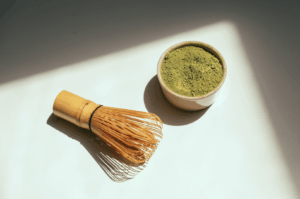
Matcha Tea: The Versatile Japanese Green Tea Powder
The vibrant green powder that transforms simple hot water into liquid jade has captivated tea enthusiasts worldwide. Matcha tea represents more than just a trendy beverage-it’s a bridge connecting ancient Japanese traditions with modern culinary innovation. This unique form of powdered green tea offers endless possibilities, from meditative ceremonial drinking to creative kitchen applications that…
-
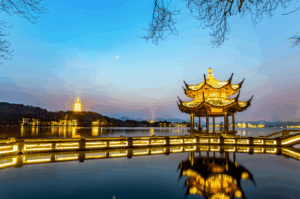
The Dragon Well Legacy: Exploring China’s Legendary Longjing Tea
Among the world’s most revered green teas, few carry the prestige and cultural significance of China’s legendary Dragon Well. This premium tea has captivated tea enthusiasts for centuries, earning its place as an imperial favourite and modern icon alike. From its mystical origins at West Lake to its meticulous processing methods, Longjing represents the pinnacle…