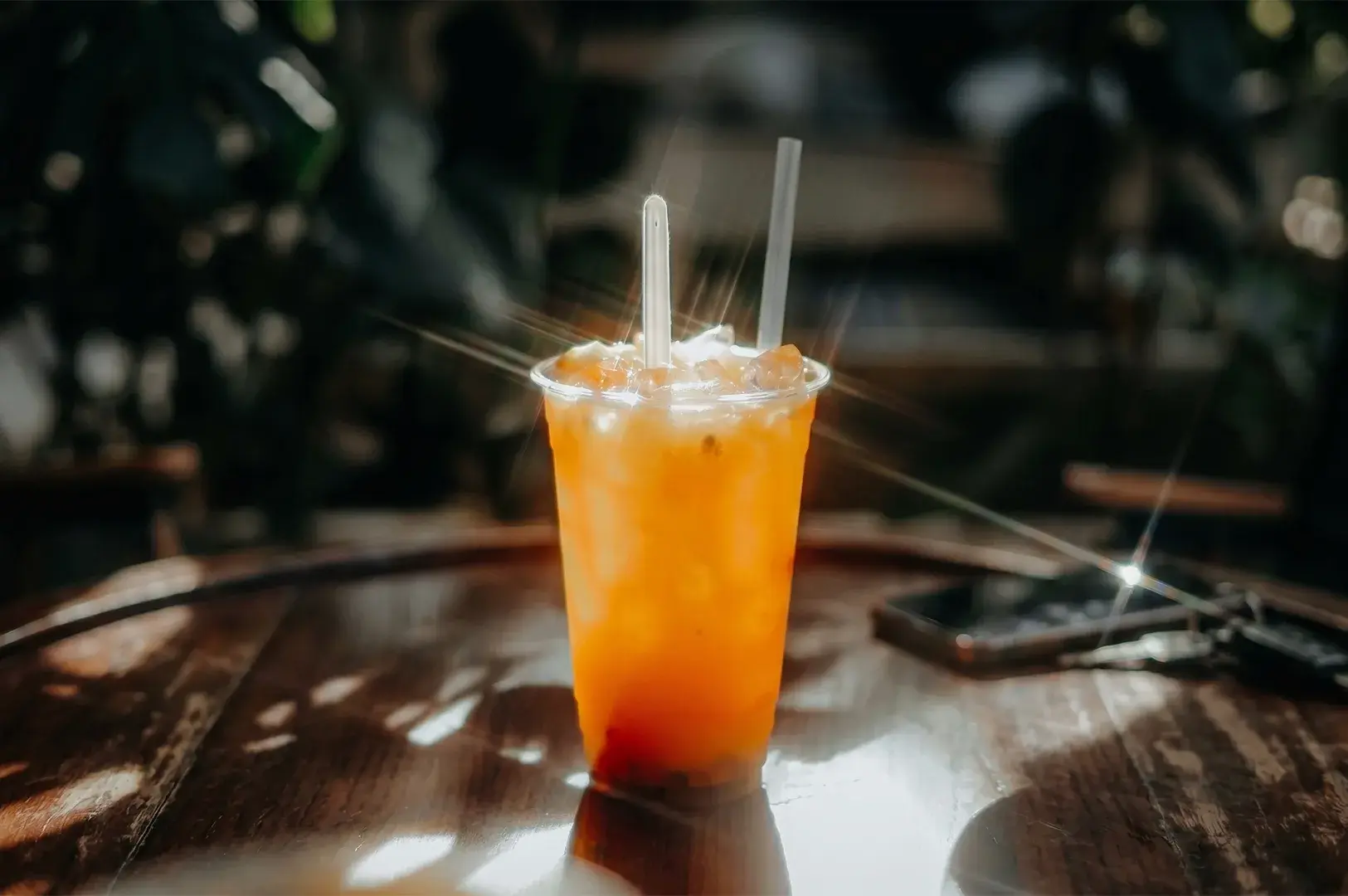
There's a specific kind of Singapore afternoon. The air feels thick, your shirt clings a little, and every mall entrance feels like a reward. On days like that, I don't want anything heavy. I want something cold, bright, and full of fruit, but still recognizably tea.
That's where fruit teas come in. In Singapore, they've become an easy answer to the heat, a lighter-feeling alternative to bubble tea or cheese tea. Tall cups, sliced fruit pressed against the plastic, a base of jasmine, oolong, or black tea underneath. They're pretty, sure. But what if the real appeal is quieter than the visuals? Maybe it's that one cup can hold both comfort and refreshment at the same time.
This list gathers five Singapore fruit tea spots worth knowing, each with something specific to offer. I've noted honest limitations too, because not every cup suits every craving. Menus and outlets change, so it's always good to check before you head out.
Before You Sip: Black Tea, Green Tea, or Passion Fruit?
A quick thought before the list. The base matters more than people give it credit for. Black tea brings depth and holds up well against citrus like orange and lemon. Green tea and jasmine feel lighter and more floral. Tart fruits like passion fruit and kumquat add a sour edge that cuts through sweetness in a way that feels almost cleansing.
If you've only ever ordered by fruit, try choosing by tea for once. You might taste the whole drink differently.
1. PlayMade (Serangoon)
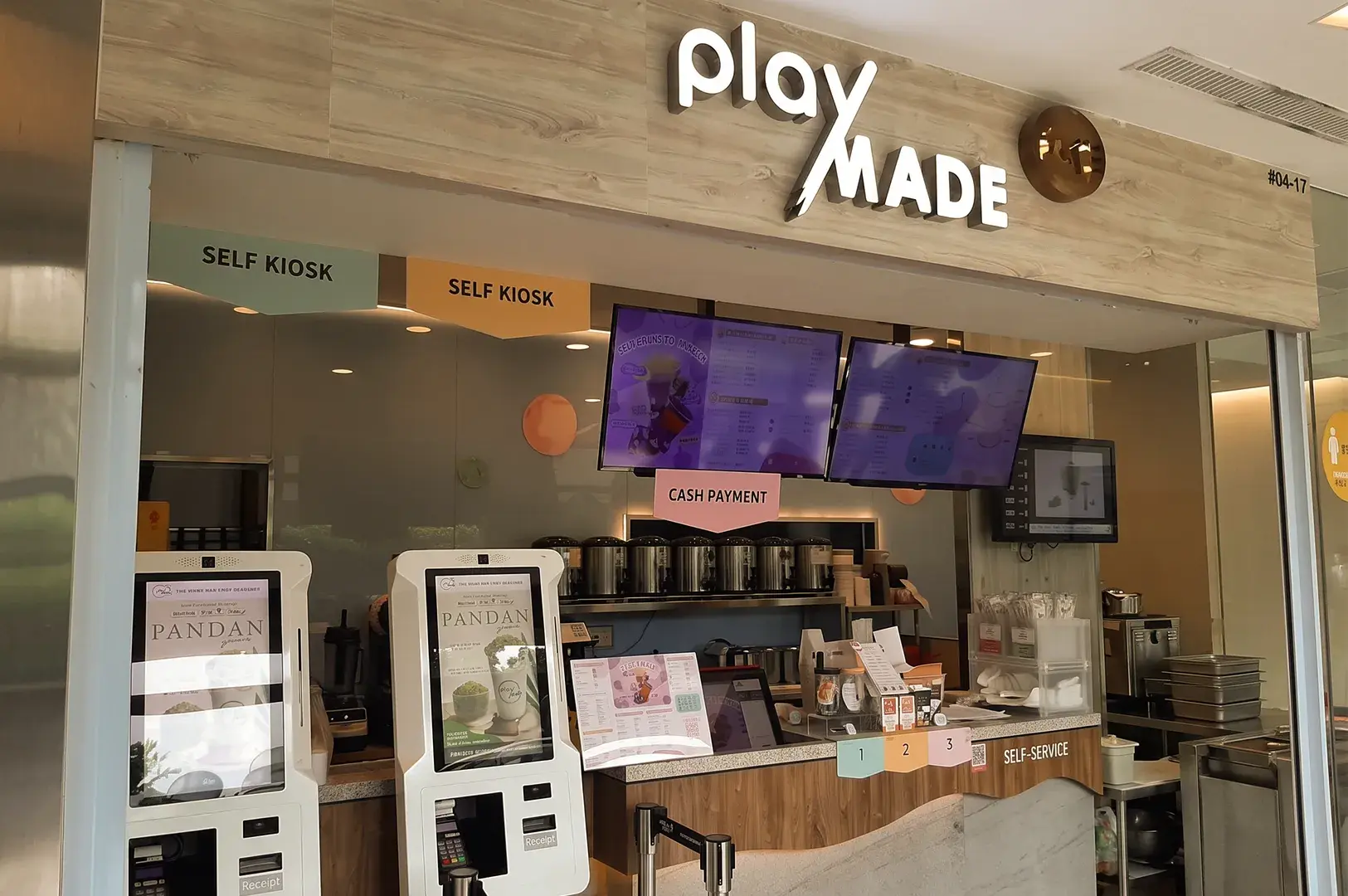
Nearest MRT: Serangoon MRT. Find it at NEX shopping mall.
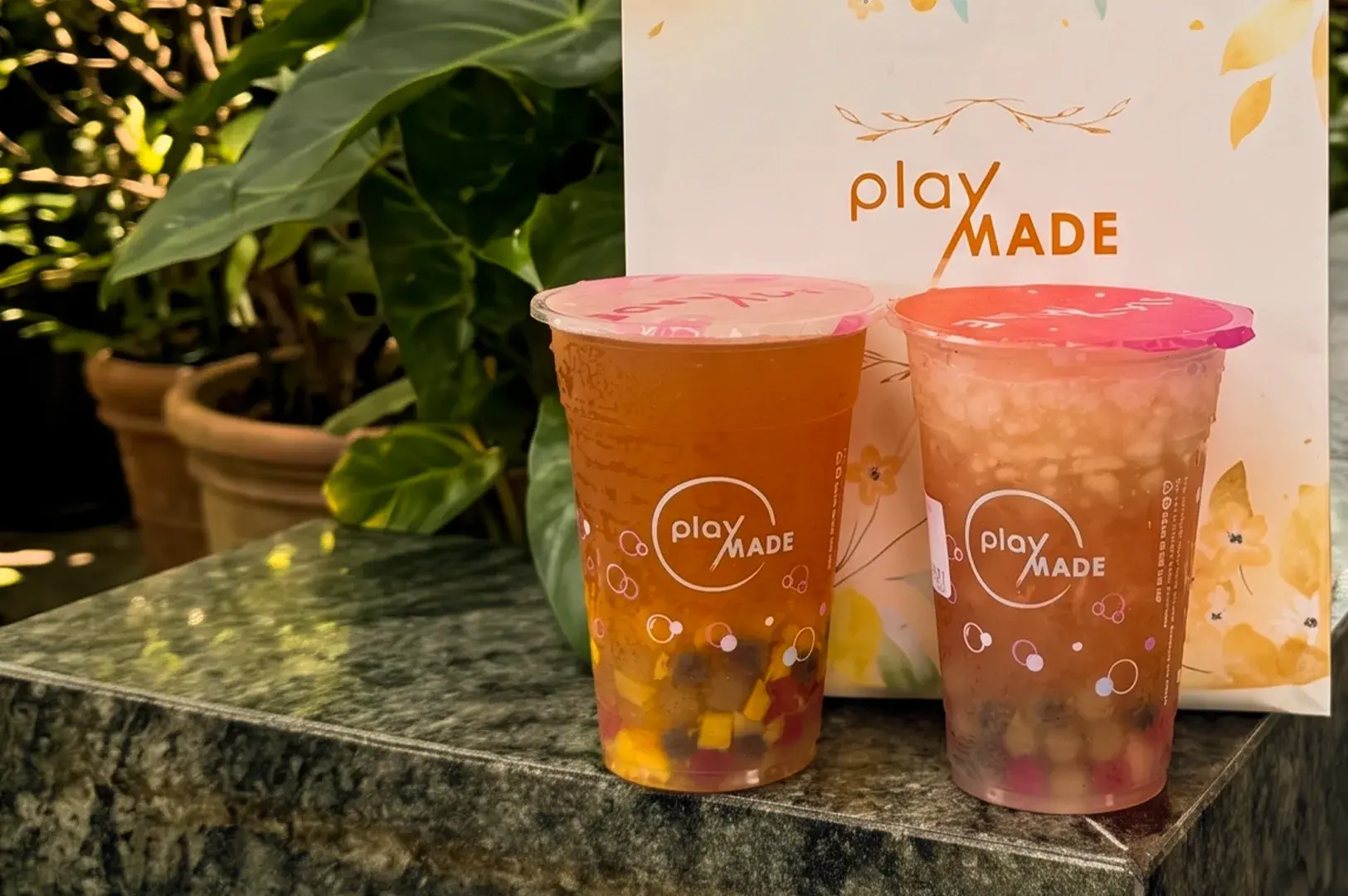
PlayMade is the kind of place that earns regulars quietly. There's no loud branding moment when you walk up, just a focused menu and a queue that tells you something is working. Known for its customizable drinks and bubble tea offerings, PlayMade also does fruit teas that lean toward freshness over fuss. The fruit sits visibly in the cup, and the tea base usually green or jasmine, keeps things light rather than cloying.
What I appreciate about PlayMade is the variety it offers without overwhelming you. The menu is playful in a considered way, with toppings like aiyu jelly and fresh fruit giving each cup a little texture alongside the flavor. For those who prefer drinking tea with a bit of chew, this is a satisfying stop.
The NEX outlet makes it easy to fold into a Serangoon outing without a detour. Whether you're shopping, catching a film, or just passing through, a cup here feels like a natural pause in the day.
Best for: Fruit tea fans who like customizable options and fun toppings
Avoid if: You want a purely tea-forward experience without add-ons
Insider tip: Try a jasmine green tea base if you're going fruity, it keeps the drink feeling fresh rather than heavy, even on a humid afternoon.
Price range: S$5.40–S$8.90
2. CHICHA San Chen (Tampines)
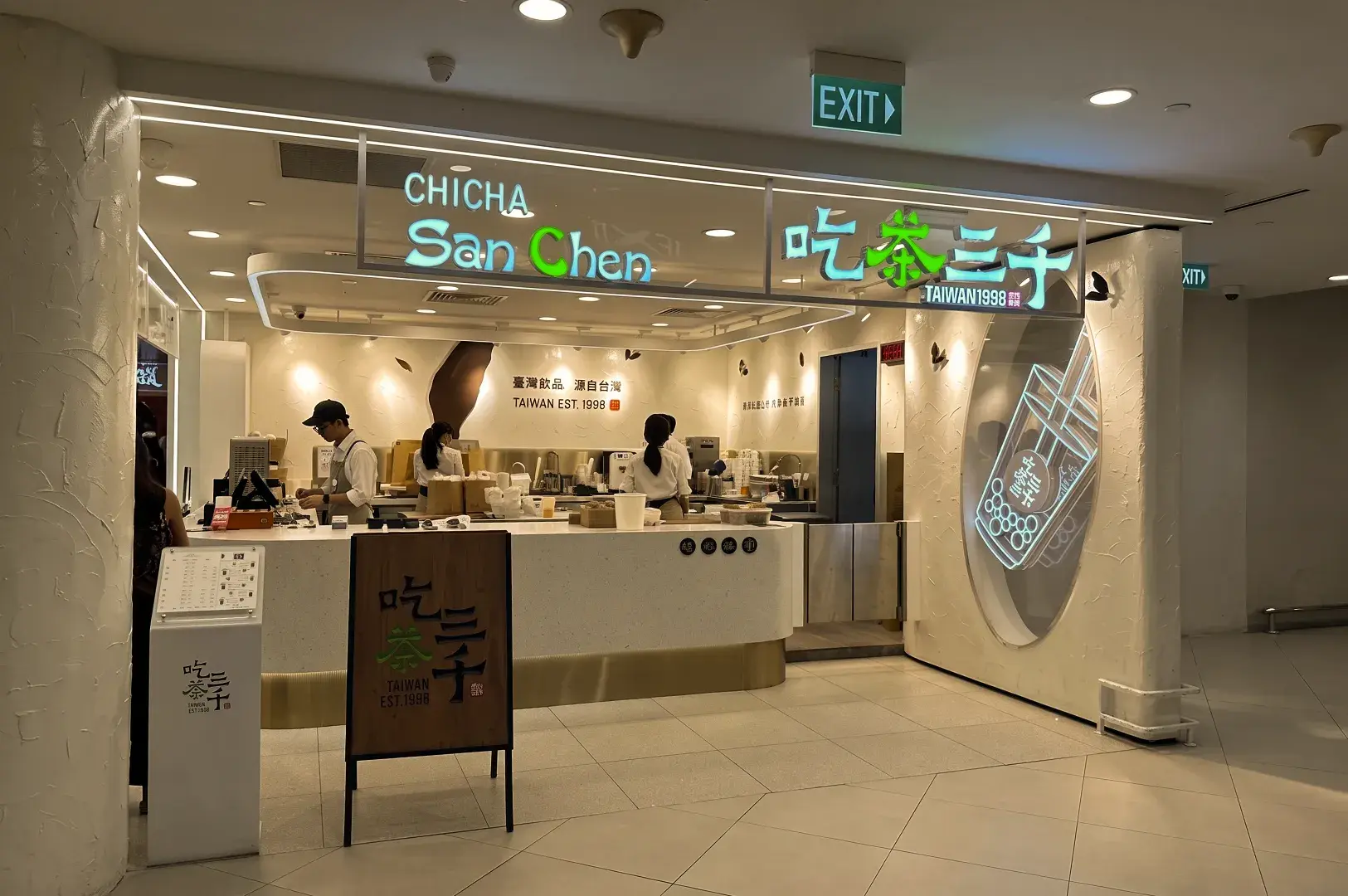
Nearest MRT: Tampines MRT. Located at Tampines 1 mall.
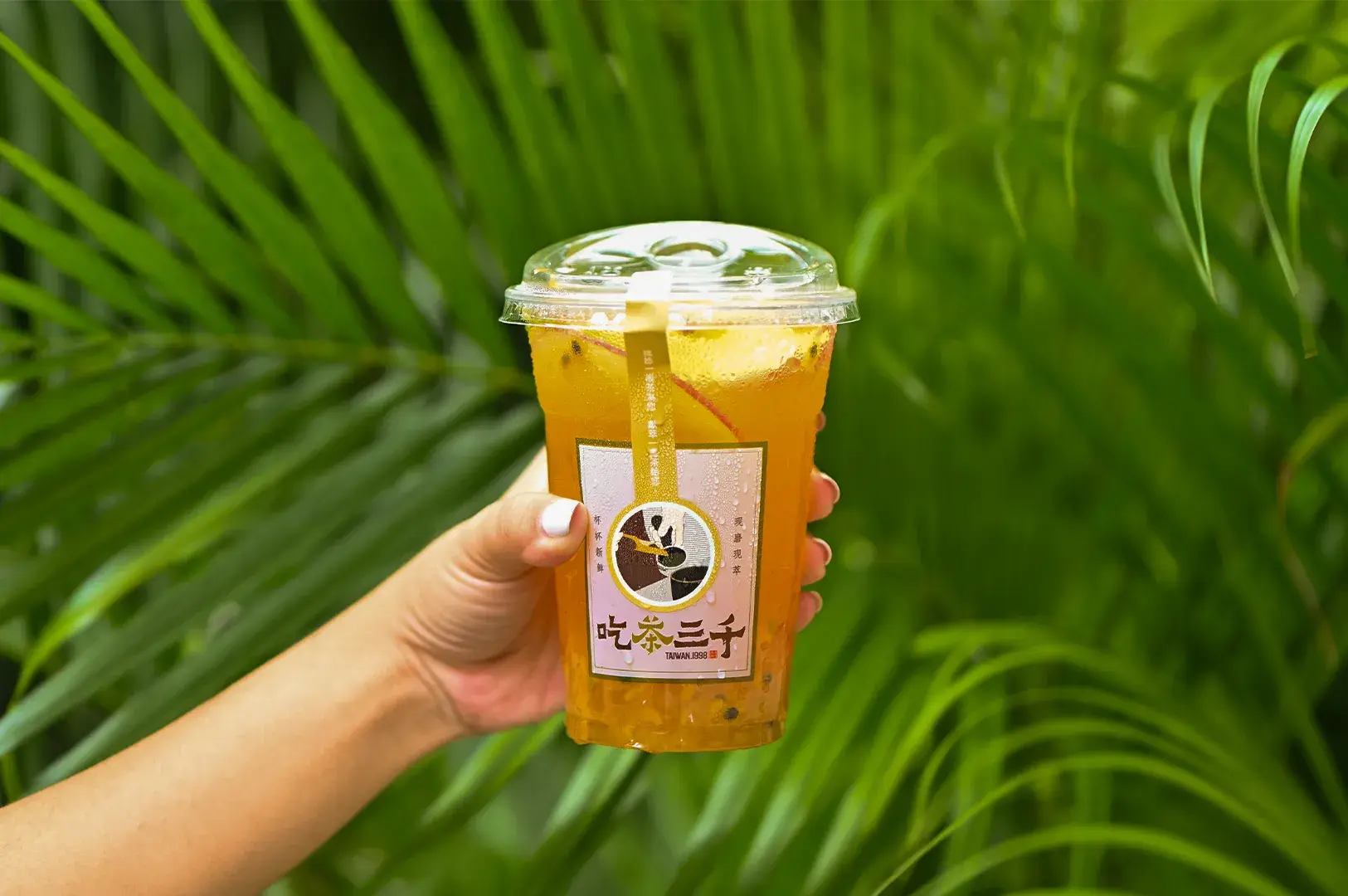
CHICHA San Chen comes from Taiwan, and it carries that heritage with some seriousness. The brand is built around high-quality tea sourcing, and that shows in the cup. The fruit teas here aren't just sweetened drinks with floating slices, the tea itself has character. You can taste it even through the fruit.
The Tampines 1 outlet is one of the more accessible spots for east-siders who don't want to travel into town for a quality fruit tea. The menu changes with the season, which means there's usually something new to try if you're a returning customer. Drinks tend to use a mix of brewed teas, including black tea and oolong paired with fruit flavors that range from classic citrus to more unusual combinations like pineapple and pear.
Sitting with a CHICHA cup, you get the sense that someone thought about the balance. It's not just sweet. There's a slight bitterness from the tea, a brightness from the fruit, and occasionally a sour note that keeps your palate awake. That layering is what makes it worth a revisit.
Best for: Tea-first drinkers who want fruit as a complement, not the whole story
Avoid if: You prefer sweeter, fruit-forward beverages with minimal tea flavor
Insider tip: Ask what's seasonal before ordering. Some of the most interesting popular offerings aren't permanently on the menu.
Price range: S$8.50–S$10.30
3. HEYTEA (Orchard)

Nearest MRT: Orchard MRT. Located at ION Orchard.
HEYTEA is arguably the most recognized name in this space, and it earned that reputation. Originating from China, the brand brought the cheese tea format to wide attention across Asia, but its fruit teas are just as thoughtfully made. At ION Orchard, the crowd is consistent, because the drinks consistently deliver.
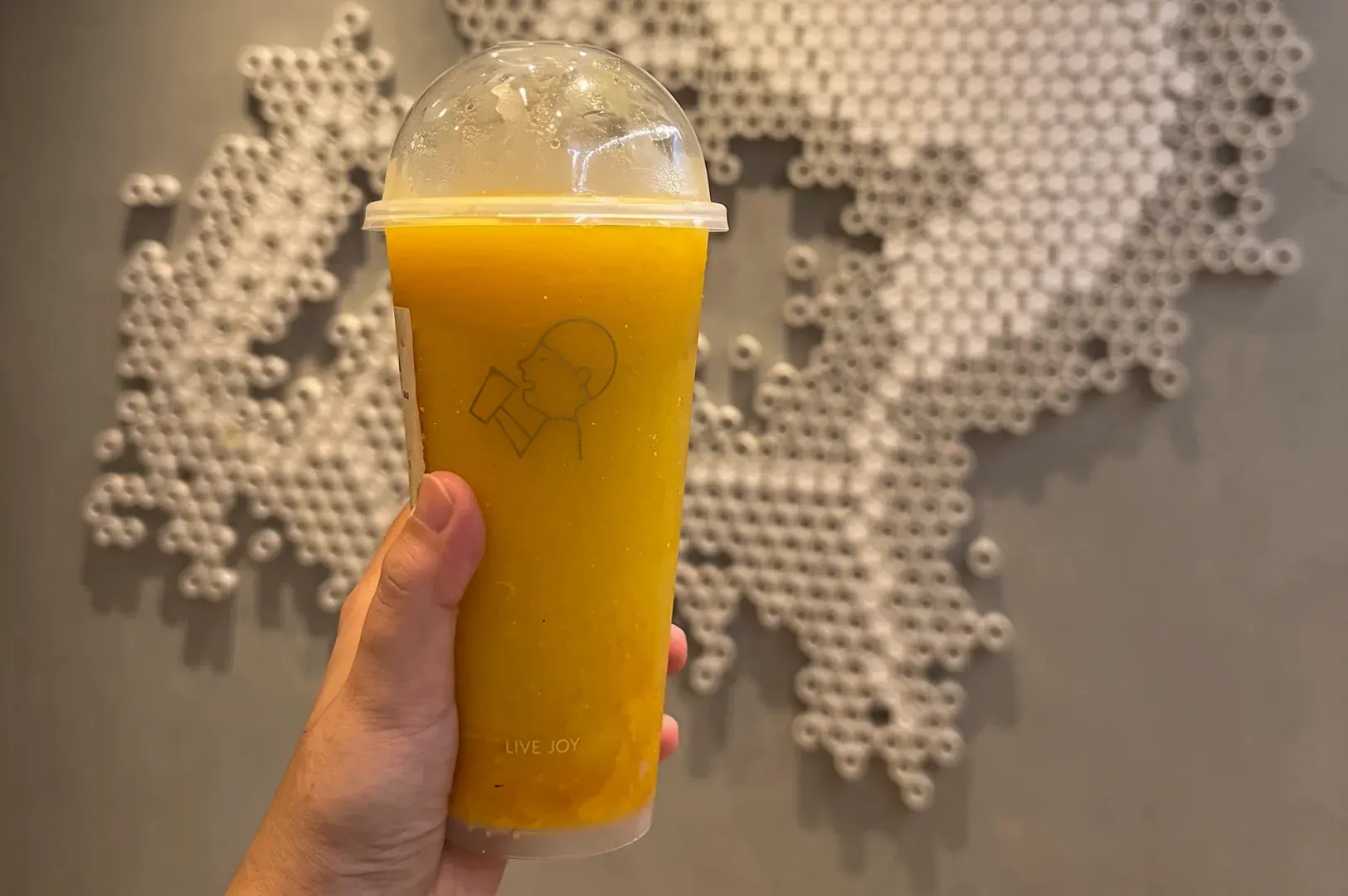
The fruit teas at HEYTEA often pair fresh fruit with brewed tea in ways that feel more considered than most. Grapefruit, grape, passion fruit, mango, the fruit list rotates and the combinations are designed to balance sweet, sour, and the natural bitterness of tea. There's often a texture layer too, whether that's pulp or jelly, that makes each sip feel a little more complete.
The ION Orchard location draws a mix of locals, tourists, and office workers from the surrounding area. It can get busy, especially on weekends. But the queue moves, and the drink at the end of it usually justifies the wait. For a first-timer to Singapore fruit tea, this is a reliable place to start, the quality is consistent, the flavors are crowd-tested, and the experience won't disappoint.
Best for: First-timers to Singapore fruit tea and visitors wanting a proven crowd-pleaser
Avoid if: You prefer independent, lower-key spots away from the Orchard buzz
Insider tip: Weekday afternoons are noticeably quieter. If you have flexibility, that's a good window to visit without the weekend crowd.
Price range: S$4.90–S$10.40
4. KOI Thé (Orchard)
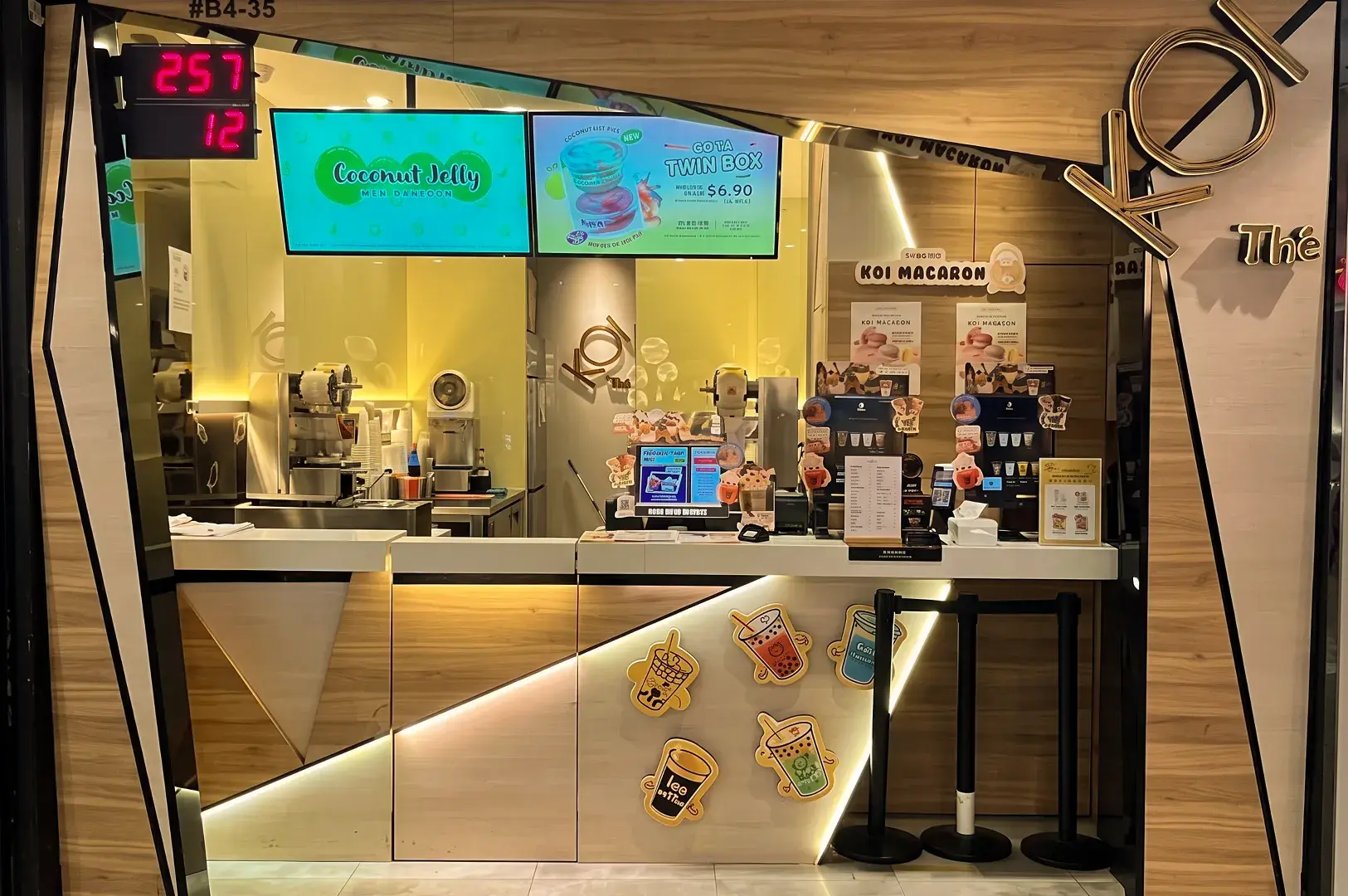
Nearest MRT: Orchard MRT. Located at Wisma Atria.
KOI Thé has been around long enough to feel like part of the landscape. Founded in Taiwan, the brand has built a loyal base in Singapore over the years, and its Wisma Atria outlet remains one of the more steady options along Orchard Road. The fruit teas here are simple in a way that feels intentional — no unnecessary layers, no complicated ordering.
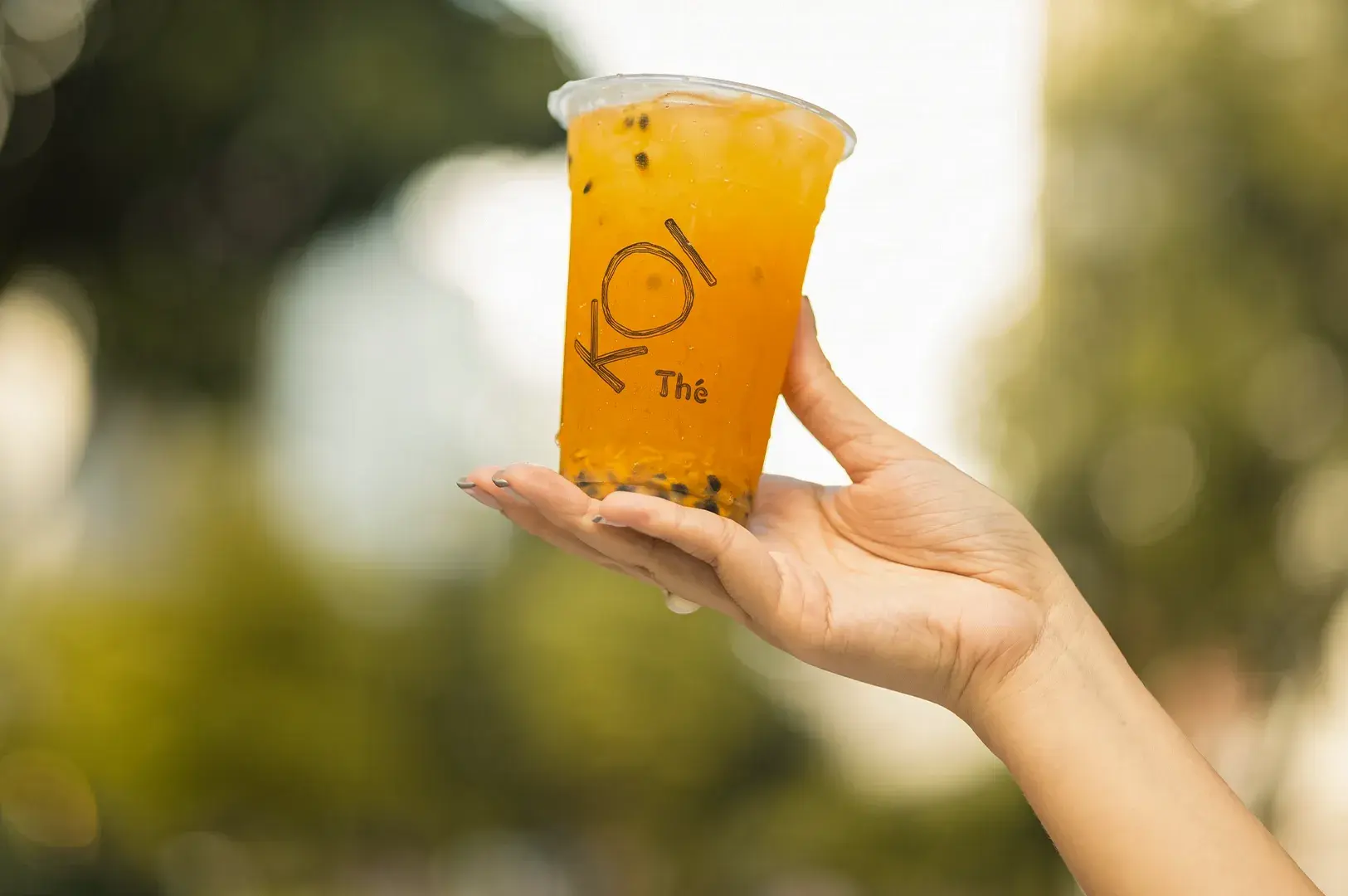
The base teas are well-brewed, and the fruit flavors are added in a way that complements rather than competes. Lemon, passionfruit, apple, and peach are among the more popular choices, each sitting cleanly against the tea without turning cloying. The sweetness level is adjustable, which helps if you prefer a more restrained cup.
What KOI does well is consistency. You know what you're getting, and it shows up that way each time. For Orchard regulars who want something dependable between errands, KOI at Wisma Atria is a familiar, trustworthy stop. It's not trying to surprise you and sometimes that's exactly what you need.
Best for: Orchard regulars who want something reliable and unfussy
Avoid if: You're looking for bold, experimental fruit combinations or a rotating seasonal menu
Insider tip: The passionfruit-based drinks tend to balance sour and sweet well. If you're unsure where to start, that's a great anchor.
Price range: S$5.10–S$7.70
5. CHAGEE (Dhoby Ghaut)
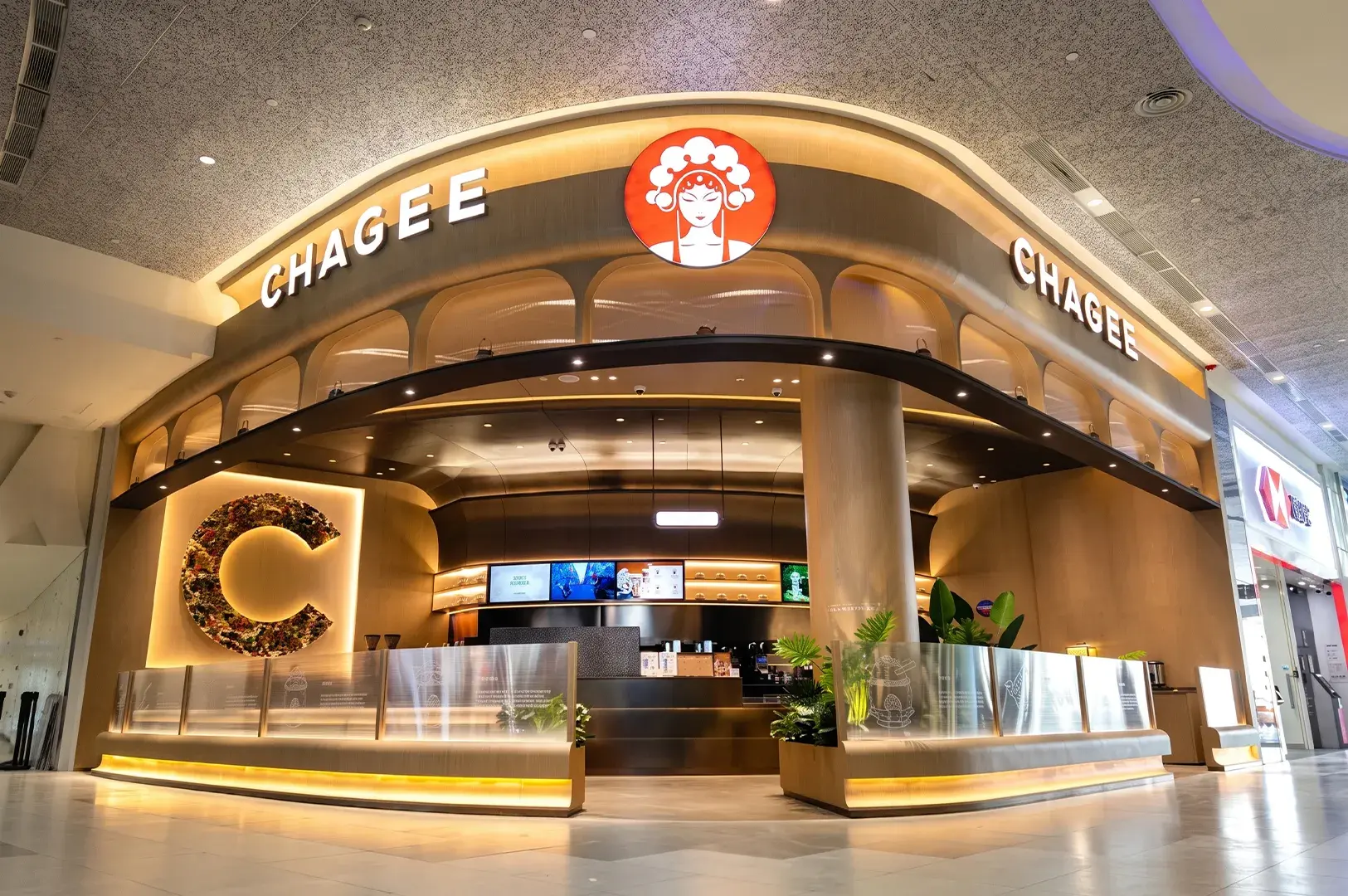
Nearest MRT: Dhoby Ghaut MRT. Located at Plaza Singapura.
CHAGEE arrived in Singapore with a quieter confidence than some of its counterparts. The Chinese brand focuses heavily on premium tea as the foundation, the fruit and milk elements come after, not before. That philosophy shows in how the drinks taste. There's a warmth to the tea even when served cold, a roundness that comes from leaves that were actually brewed carefully.
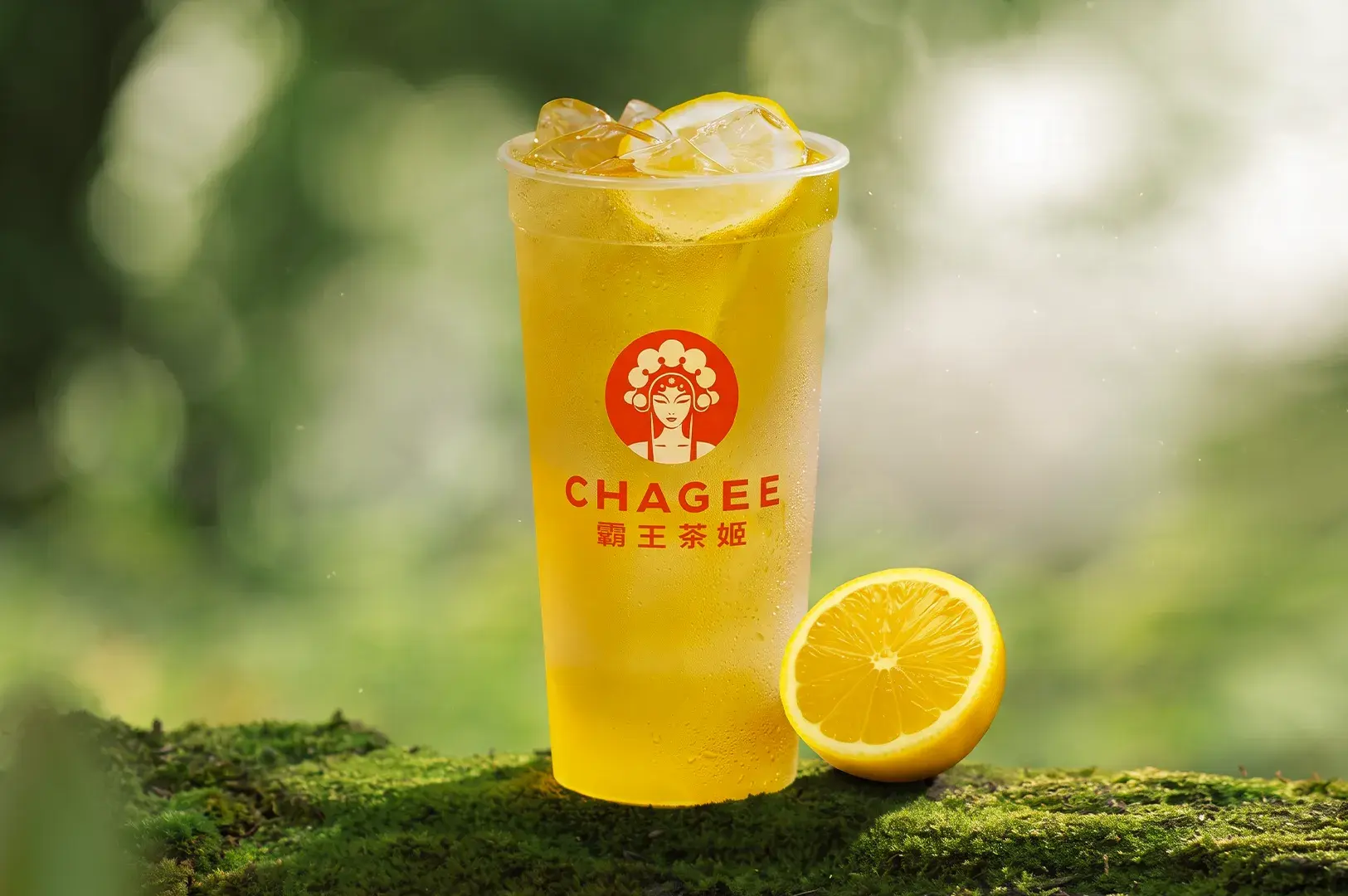
The Plaza Singapura outlet puts it right in the heart of a well-trafficked area, making it easy to stop in after a movie or before catching a train. The menu isn't the longest, but what's on it tends to be well-executed. Fruit tea options are designed to let the tea speak first, with fruit adding brightness rather than masking the base. If you've ever felt like fruit teas were too sweet or too thin on actual tea character, CHAGEE is worth a try.
There's something pleasant about the experience here that doesn't rely on novelty. No gimmicks, no limited-edition hype. Just a considered cup of tea with fruit, made by people who seem to take the tea part seriously. In a market full of brands chasing the next trend, that steadiness feels like its own kind of statement.
Best for: Drinkers who want the tea to lead, with fruit as a supporting note
Avoid if: You prefer maximalist, heavily fruited cups with bold sweetness
Insider tip: If you enjoy herbal tea or appreciate a clean, slightly grassy finish, explore the green tea base options; they pair especially well with citrus fruit flavors.
Price range: S$4.90–S$5.90
A Last Thought on Drinking Tea With Fruit
Looking back at this list, what strikes me is how differently five places can answer the same question. PlayMade brings customization and character. CHICHA San Chen carries Taiwanese tea craft into a quiet east-side mall. HEYTEA offers the kind of quality that explains a consistent queue. KOI Thé shows what it looks like when a brand plays a long game with reliability. And CHAGEE reminds you that the tea itself can be the point.
Singapore fruit tea isn't really about finding the "best" cup. Maybe it's about finding the one that fits your day, the commute, the heat, the friend beside you, or the afternoon you just need to get through. Pick one near you, choose a base you've never tried, and pay attention to that first sip.
In the world of fruit teas, these spots offer a great assortment of signature fruit tea creations that not only delight the palate but also ensure a delightful drink experience. Whether you prefer hot or cold, low in calories or rich in flavor, fruit teas have a fascinating history and are sold globally as a refreshing choice that supports digestion and wellness. So next time you're near Far East Plaza or any other bustling hub, consider stopping by to explore these popular offerings and enjoy a great cup of fruit tea.
If you want to explore more malls in Singapore that has tea that really serve well, be sure to visit this article on Tea Meets Cuppage Plaza Food

Temperature Rules Are Overblown: The Real Brewing Variable Nobody Mentions
I used to think making tea required a thermometer. Not literally, perhaps, but almost. Every tea seemed to have a number attached to it. Green tea at this temperature. Oolong at another. Black tea a little hotter. Too hot and you had apparently ruined everything. For a while, I took these rules quite seriously. Then…
-
Afternoon Tea at Prada Caffè ION Orchard: A Green Room, a Pale-Blue Cup
Afternoon tea has always been about the pause for me. Not the tiers or the silverware. Just the moment when the cup is set down, the steam rises, and everything outside seems to slow a little. So I wondered what a pause would feel like inside a fashion house. One floor above Orchard Road, past…
-
A Love Letter to Oolong: The In-Between That Changed My Mind
I did not understand oolong when I first encountered it. It seemed unnecessarily complicated. Green tea was green tea. Black tea was black tea. I understood where they stood. Oolong seemed determined to remain somewhere in between. Perhaps that was what initially kept me from appreciating it. Over time, however, I began to realise that…
-
Tea from Assam: The Geography, Craft, and Character Behind the Brew
The colour arrives first. A deep amber that darkens towards red as the tea leaves give up their strength. Then comes the aroma. It is warm and rounded, often compared to malt or the crust of fresh bread. The first sip has weight. It fills the mouth with a rich body and leaves a slight,…
-
Why “No Bitterness” Is a Terrible Goal (And Makes Tea Boring)
I used to think a good tea was supposed to be smooth. No bitterness. No sharp edges. Nothing that made me pause and wonder whether I was doing something wrong. It seemed logical. We naturally gravitate toward things that are easy to enjoy. A tea that is sweet, gentle, and immediately comforting feels like a…
-
Best Tea Brands Singapore: 10 Names Worth Knowing
There’s a small sound I’ve always liked. It’s the soft knock of a teapot lid settling back into place, just before the first pour. It happens at home. It happens in old shophouses and in bright mall boutiques like those in Suntec City. The setting changes, but the pause stays the same. This list is…
-
“Rare” Tea Is Often Manufactured Scarcity: Here’s How to Tell
There is a word in tea that carries unusual power. Rare. It immediately creates curiosity. A rare harvest. A rare batch. A rare tree. A tea that may never return. The suggestion is simple: if something is difficult to obtain, it must be more valuable. Sometimes, this is true. Some teas are genuinely limited because…
-
LiHO Tea Singapore: A Greeting You Can Drink
Some words carry a whole childhood inside them. Li ho. I heard it at kopitiam tables, across corridors, from uncles who never waited for a real answer. It meant “how are you,” but it also meant I see you. So when I saw that name on a tea shop sign, somewhere in the middle of…

The Myth of “Perfect” Tea: What I Stopped Chasing
For a long time, I thought I was looking for the perfect tea. I imagined there would be a moment when I found the one. The tea that made every other tea feel unnecessary. The tea I would recommend to everyone. The tea that would finally make me understand what true appreciation was supposed to…
-
Teh O: Understanding the Tea Order Behind the Name
There is a stall near where I grew up that has changed hands twice, but the tea has stayed the same. I still remember the first time I ordered teh o on my own, sometime in my early teens, mumbling the words at the counter and half-expecting to get them wrong. The uncle didn’t blink….