I remember wandering down Arab Street years ago, searching for a quiet café where I could settle into an afternoon of coffee, tea, and conversation. I found a minimalist little space filled with delicate pastries and beautiful dessert displays, but hesitation quietly crept in as I began wondering about alcohol-based syrups, gelatin, and whether the café was actually MUIS halal-certified. For many Muslim diners in Singapore, this uncertainty is deeply familiar. Choosing a café is rarely just about ambiance or cravings. It is also about finding a place where you can fully relax, enjoy quality food, and feel genuinely at ease.
Halal tea culture in Singapore has grown far beyond simple café dining. Today, everything from elegant hotel lounges to cozy Muslim-owned cafés contributes to the evolving world of high tea halal Singapore, where tea, hospitality, and cultural comfort come together beautifully. After spending years exploring Singapore’s halal café scene and tasting both classic favourites and modern creations, I realized that the true appeal lies not only in the food itself, but in the quiet reassurance that comes with dining comfortably and confidently. Let me share what I’ve learned about MUIS-certified and Muslim-owned cafés so you can enjoy sweet treats, delightful spreads, and meaningful tea moments with greater ease.
Afternoon Tea and Halal: It Is Rarely About the Leaves
Whenever I take friends out for afternoon tea or a light brunch, I often hear the same worried question: "Wait, isn't all tea naturally halal?"
- The short answer is yes. Pure black tea, green tea, oolong, and white tea leaves plucked straight from the earth are perfectly fine.
- Modern café culture rarely stops at just hot water and leaves.
- The confusion almost always stems from what accompanies the tea:
- A fragrant, aromatic vanilla Earl Grey might use an alcohol-based vanilla extract.
- That beautiful iced matcha latte might be topped with a foam made using non-halal stabilizers.
- Marshmallows, mousses, and glazes often hide animal-based gelatin.
- The risk is usually in the syrups, the extracts, and the desserts, not the tea leaves themselves.
This brings us to one of the biggest points of difference I see: the difference between "Muslim-owned" and "MUIS Halal-Certified."
| Aspect | Muslim-Owned Café | MUIS Halal-Certified Café |
|---|---|---|
| Certification | May not have formal certification | Officially audited and certified by MUIS |
| Supplier Verification | May follow internal halal practices | All suppliers are verified and approved |
| Preparation Procedures | Practices may vary | Strictly regulated preparation procedures |
| Community Trust | Often deeply trusted by the Muslim community | Recognized for compliance with halal standards |
| Cost and Process | Avoids lengthy and costly certification process | Undergoes expensive and lengthy certification |
| Consumer Consideration | Suitable for those comfortable with internal assurance | Ideal for those requiring formal certification |
- It is important to understand this distinction so you can make choices that align with your personal dietary preferences and comfort level.
High Tea: The Emotional Comfort of Halal Hospitality and Quality Service
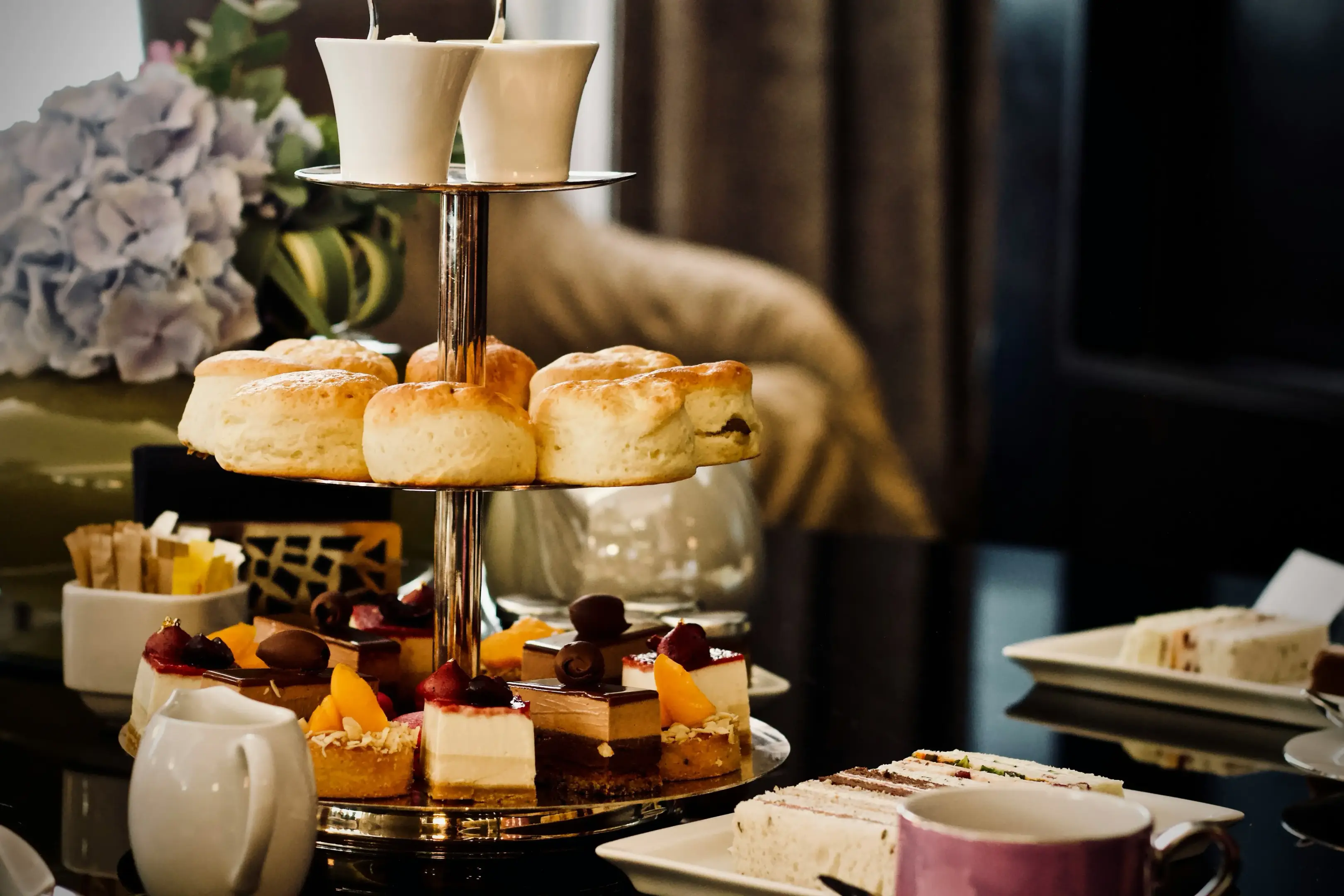
Halal dining goes beyond dietary rules; it means safety, inclusion, and ease. At a Muslim-owned tea house near Bugis, the owner shared, "All our cakes use halal-certified gelatin, and our vanilla extract is alcohol-free. We source from verified Muslim bakers." This transparency creates comfort. For many Muslims, ordering without repeated checks transforms the café into a true escape. It becomes a place to enjoy light meals or lunch with loved ones, savoring a wide selection of dishes that cater to diverse tastes and dietary preferences.
Penny University and Mee Siam: Halal High Tea with Local Flavours
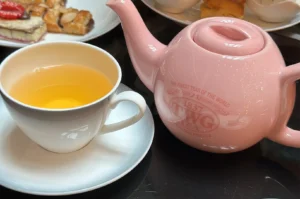
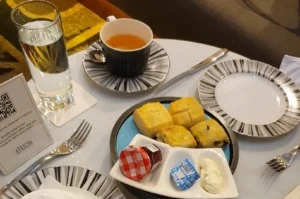
Penny University in Katong offers a unique halal high tea Singapore experience with dishes like Turkish eggs paired with fresh sourdough bread. The cafe also serves a variety of cakes, scones with cream, and pastries in a light, sophisticated setting. Alongside such modern spots, local favourites like mee siam—a spicy and tangy rice vermicelli—often feature in halal high tea menus. This blend of traditional Singaporean flavours with Western pastries and sweet treats caters to diverse palates for casual or corporate gatherings. Customizable catering menus are also available to plan ahead and ensure every guest can indulge fully.
Navigating Halal Cafés and High Tea Catering: Tips for a Memorable Experience
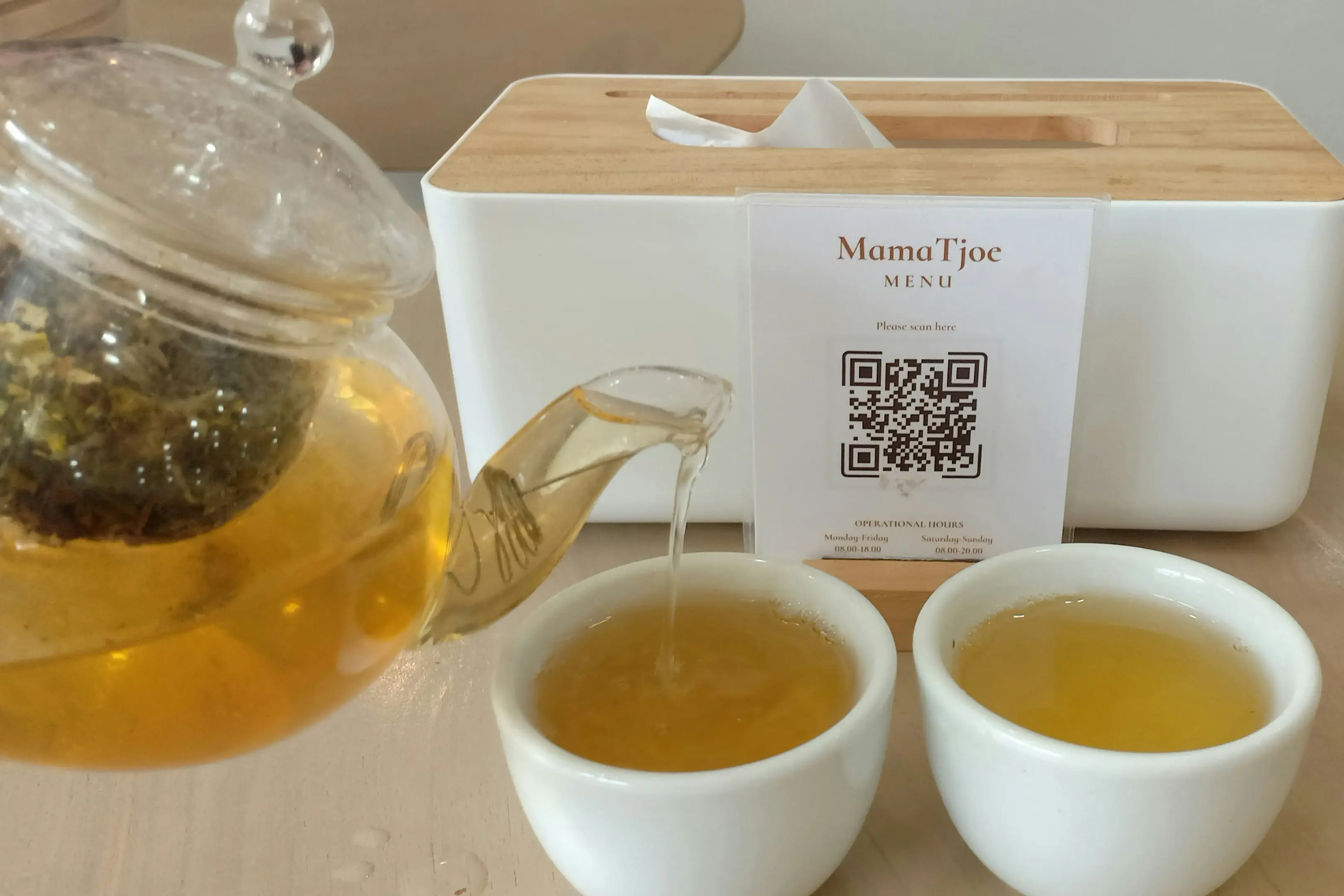
If you feel overwhelmed by the choices or unsure what to ask, here’s how to approach your next halal high tea experience in Singapore:
- Decide your comfort level with halal certification and dietary needs.
- Research by checking MUIS directories and the café’s website for commitment to halal standards.
- Ask confidently about syrups, gelatin, kitchen practices, and service.
- Book in advance, especially for popular locations and weekends.
- Consider catering services for events to enjoy a refined high tea reception with fresh, halal-certified dishes, pastries, and drinks.
The difference is not just in the food but also in the quality of service, the setting, and the peace of mind that halal standards provide. Guests can enjoy an array of sweet and savoury bites, from classic favourites to innovative creations, all covered under strict halal guidelines. Whether you crave a light bite or a full meal, the halal high tea experience in Singapore offers affordable options that satisfy every palate.
A Final Thought on Halal High Tea in Singapore
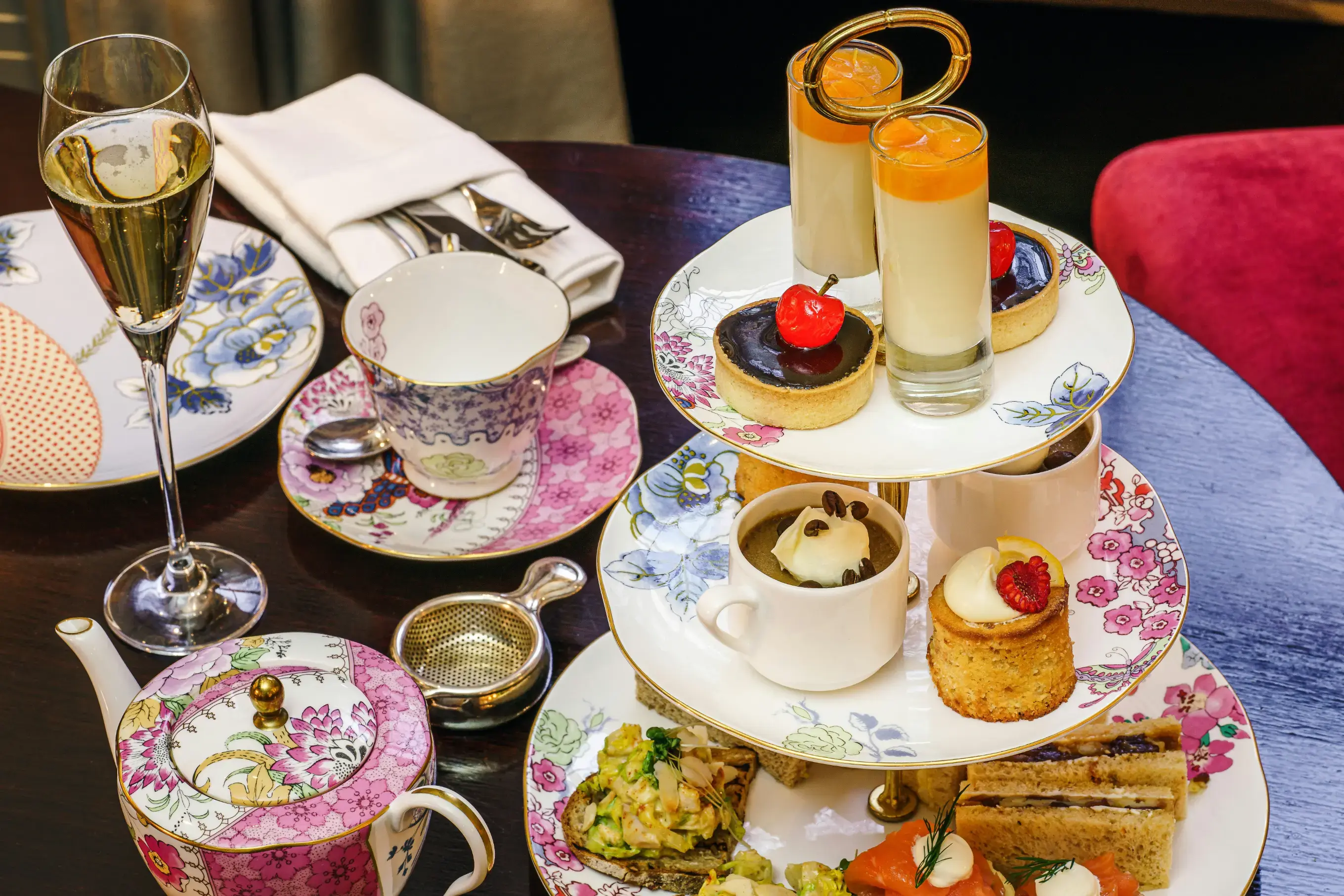
Halal tea culture in Singapore is more than just a culinary trend. It is a beautiful bridge between our rich traditions and our modern, fast-paced lives. The next time you visit and feel the craving for a light, sweet treat or a full high tea meal, I encourage you to explore the winding streets of Kampong Glam, Arab Street, or the quiet neighborhoods hosting these unique cafés.
Ask questions with confidence, respect the craft, and allow yourself to fully sink into the comfort of a space designed to welcome you entirely. Whether it’s a casual brunch, a sophisticated afternoon tea, or a corporate gathering with halal high tea catering, Singapore offers a wide range of options that combine quality, enjoyment, and commitment to halal standards across the island. From delicate pastries, scones, and cakes to savoury bites like meat pies, fish dishes, fries, and cheese selections, there’s something for everyone to eat and enjoy, making every visit a delightful treat for friends and loved ones alike.

To the Tea Lovers and the Tea That Holds Us
I want to write a letter, not to anyone in particular, but to the quiet ritual that has accompanied so many of our days. To the tea in our cups and to the people who take the time to notice it. Tea is patient. It waits for us when we are rushing. It sits quietly…
-
What Is Rooibos Tea: Red Gold in Your Cup, the Science and Benefits
There is a certain hour when the day loosens its grip. The coffee has long gone cold. Black tea feels like too much. And yet the kettle still calls, because the ritual matters more than the caffeine. This is where rooibos often arrives. A deep russet red pouring into the cup, warm and unhurried, carrying…
-
The Cup I Always Return To
There is one tea I always return to, even after tasting countless others. It is not rare. It is not expensive. The leaves are ordinary, the aroma familiar. And yet, it has a way of anchoring me, no matter the day or the mood. I first drank it years ago, during a week that felt…
-
Where to Buy Turkish Tea: Finding Authentic Çay for the True Turkish Tea Experience
The first time I understood Turkish tea, I was not drinking it in a café. I was standing in a small shop, watching a man refuse to sell me the wrong thing. I had pointed at a shiny box of flavoured black tea, and he shook his head, quietly, the way someone corrects a friend…
-
Why Tea Might Be the Break You Didn’t Know You Needed
Scrolling through my feed this morning, I realized how easy it is to forget what a quiet moment feels like. Notifications, stories, messages- they all seem to arrive at once, asking for attention I don’t always want to give. And yet, in the middle of it, I poured myself a cup of tea. It wasn’t…
-
A Golden Sip of Serenity chrysanthemum tea
There is a pot on many kitchen tables in Singapore that no one talks about much. Pale yellow gold in the glass, with a few small chrysanthemum flowers or flower buds drifting at the bottom. It appears after a heavy meal, at a grandmother’s house, or in a hawker centre when the weather turns unbearable….
-
Tea in a Scrollable World
I often think about how tea fits into a world that moves as fast as ours does. Every day, there are notifications, updates, trends, and posts competing for attention. Memes, videos, tweets, they all demand a response, a like, a share. It is a constant motion that leaves very little space for pause. And then…
-
Marriott High Tea 1 for 1: Indulge in Luxury at Singapore Marriott Tang Plaza Hotel
I almost didn’t go. Hotel afternoon tea always felt like something you did for a birthday or a special occasion with loved ones, or when a relative flew in and you wanted to seem like you had your life together. Expensive. A little performative. The kind of thing you photograph more than you eat. If…
-
Why Some Teas Feel Like Company
I’ve always thought of tea as a companion of sorts. Not a person, not a friend, but something that sits quietly beside you while the day moves forward. A cup of tea doesn’t interrupt your thoughts. It doesn’t demand attention. It simply exists, warm and steady, while you figure out what comes next. Some teas…
-
A Refined Afternoon Tea Experience at the Pan Pacific Atrium High Tea
Pan Pacific Atrium High Tea is the afternoon tea experience at the Atrium Lounge in Pan Pacific Singapore: a refined, unhurried sitting with TWG tea or Lavazza coffee, elegant seating pods above the reflection pool, and a menu that pairs classic English tea traditions with Peranakan flavours. For couples, friends, families, and tea lovers looking…