There is something I have noticed about tea culture.
We take tea very seriously.
Perhaps too seriously.
We discuss origins, processing methods, brewing temperatures, and the history behind every leaf. We debate whether a tea should be enjoyed in a certain way. We carefully consider the correct vessel, the right water, and the ideal environment.
And I understand why.
Tea deserves respect. Behind every cup are farmers, traditions, and generations of knowledge. There is beauty in understanding what we drink.
But hear me out.
What if tea does not always need to be a profound experience?
What if sometimes tea can simply be fun?
I think we sometimes forget that before tea became a subject of appreciation, it was a part of everyday life. People drank it while talking, working, resting, and spending time with others. It was not always a carefully planned ritual.
Sometimes it was just tea.
A comforting drink after a long day.
A cup offered to a guest who arrived unexpectedly.
A simple habit that became part of someone’s routine without them even noticing.
I find this especially interesting today because tea culture has become increasingly connected to identity. The teas we drink, the equipment we own, and the way we prepare them can sometimes feel like a reflection of who we are.
But perhaps we do not always need tea to say something about us.
Perhaps we can enjoy a sweet milk tea without questioning its authenticity. Perhaps we can appreciate a beautifully prepared matcha latte without needing to compare it to a traditional tea ceremony. Perhaps we can drink a simple tea bag on a busy morning without feeling that we have somehow failed as tea lovers.
Enjoyment does not always need permission.
Some of my favourite tea moments have not been the most refined ones. They were the unexpected cups. The ones shared during conversations. The ones made quickly because there was no time to think too much.
Those moments were not less meaningful because they were imperfect.
They were meaningful because they were real.
Maybe tea culture becomes more welcoming when we allow room for different ways of loving tea.
For those who enjoy studying every detail, there is beauty there.
For those who simply enjoy a warm cup at the end of a difficult day, there is beauty there too.
Tea has survived for centuries because it can be many things at once.
A tradition.
A craft.
A daily habit.
A small pleasure.
So perhaps the next time you make tea, do not ask whether you are doing it correctly.
Ask whether you are enjoying it.
Maybe that is the only rule that truly matters.
With quiet regard,
N. P. Lim

Ceylon High Grown Tea: The Bright, Crisp Profiles of Nuwara Eliya
Imagine standing amidst a sea of emerald green on the island of Sri Lanka, where manicured tea bushes climb rolling hills and disappear into a cool, persistent mist. This is the world of Ceylon high grown tea, centred in Nuwara Eliya – a region characterized by bright sunshine in the morning and cool, misty nights….
-
Masala Chai Origins: The Cultural Evolution of India’s Spiced Tea Tradition
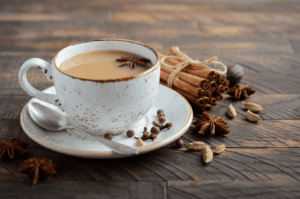
The rhythmic clanging of metal kettles echoes through narrow lanes as steam rises from countless chai stalls across India. The intoxicating aroma of cardamom, cinnamon, and fresh ginger mingles with robust black tea, creating an olfactory symphony that has captivated souls for centuries. This is masala chai-not merely a beverage, but a cultural phenomenon that…
-
Matcha Tea: The Versatile Japanese Green Tea Powder
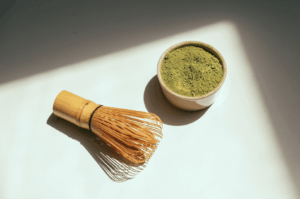
The vibrant green powder that transforms simple hot water into liquid jade has captivated tea enthusiasts worldwide. Matcha tea represents more than just a trendy beverage-it’s a bridge connecting ancient Japanese traditions with modern culinary innovation. This unique form of powdered green tea offers endless possibilities, from meditative ceremonial drinking to creative kitchen applications that…
-
The Dragon Well Legacy: Exploring China’s Legendary Longjing Tea
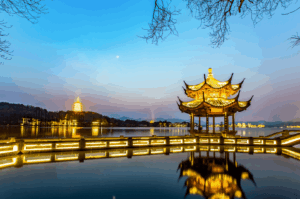
Among the world’s most revered green teas, few carry the prestige and cultural significance of China’s legendary Dragon Well. This premium tea has captivated tea enthusiasts for centuries, earning its place as an imperial favourite and modern icon alike. From its mystical origins at West Lake to its meticulous processing methods, Longjing represents the pinnacle…