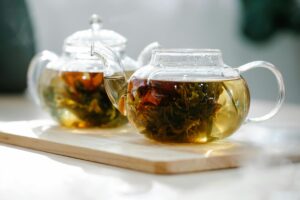
There is a jar on the top shelf of my refrigerator that I did not need this morning.
I filled it last night, before the kitchen went dark. Loose tea leaves, cool water, a lid resting loosely on top. Then I closed the door and left it alone, the way you leave bread to rise or a letter unsent overnight. By morning, perhaps, it will be ready. Tomorrow, perhaps. The tea is not in a hurry, and for once, neither am I.
Most of what we drink, we make in a rush. Water screaming in the kettle to boil water, a tea bag dropped in, a few impatient minutes, done. Learning how to make cold brew tea asks something different of you. It asks you to prepare a cup before you want it, and to trust that time will do the work you usually try to force with heat.
What Iced Tea and Cold Brew Tea Actually Are

Cold brew tea is simply tea steeped in cool or room-temperature water over a long stretch of time, rather than hot brewed tea over a short one. It differs from traditional brewed iced tea, which is usually hot brewed tea poured over ice cubes.
There is no boiling, no rush. You place tea leaves or tea bags in cold water, refrigerate the vessel, and wait. The leaves release their character slowly, hour by hour, into water that never once grows warm. What you draw out at the end is called a cold steeped tea, and it tastes noticeably different from the same tea brewed hot.
That difference is the whole point. It is not a shortcut. If anything, it is the long way round, chosen on purpose.
Cold brew iced tea is a refreshing drink perfect for summer long enjoyment, offering a smooth, naturally sweeter flavor profile without the bitterness often found in hot tea or sun tea.
Why Cold Water Changes Everything in Tea Cold Brewing
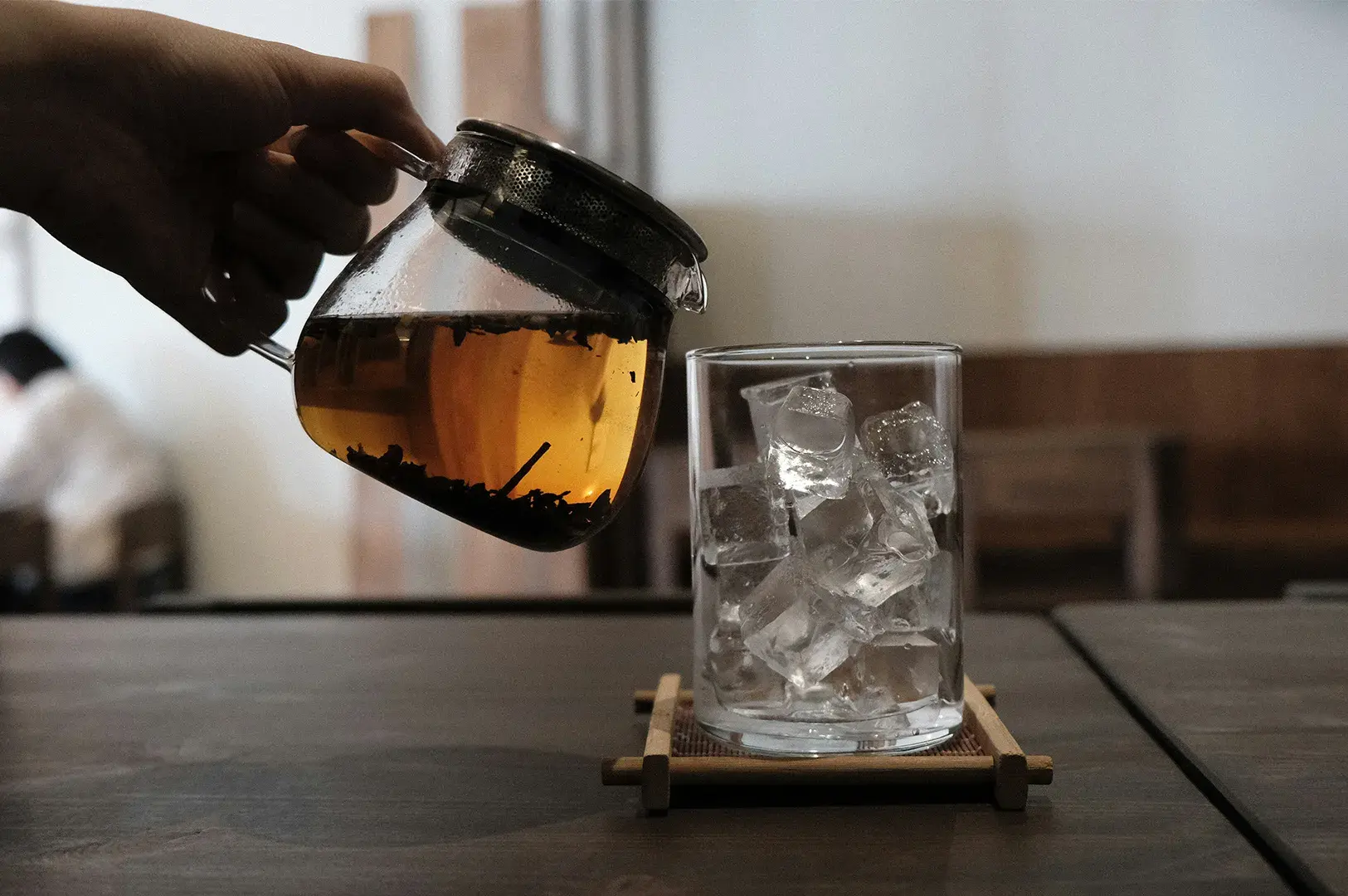
Cold water does not stop compounds such as catechins and caffeine from entering the cup. Instead, it generally extracts them more slowly than hot water.
Research has shown that temperature and steeping time both influence how much of these compounds move from the leaves into the infusion. This slower extraction helps explain why cold-brewed tea can develop a softer, less astringent sensory profile than the same tea prepared with hotter water.
When hot water meets tea, it extracts catechins and other compounds associated with bitterness and astringency more rapidly than cold water does, making brewed iced tea sometimes bitter. Food-science research on tea brewing has shown that higher temperatures and longer hot steeps increase the compounds tied to bitterness, while cooler water slows their release considerably.
Cold brewing changes the way compounds are extracted from tea, but it does not automatically make the finished drink more antioxidant-rich or nutritious than hot-brewed tea. The amounts of catechins, caffeine, and other compounds in the cup vary with the type of tea, water temperature, leaf-to-water ratio, and steeping time.
Cold brew coffee shares a similar slow extraction process and smooth flavor, but with coffee beans instead of tea leaves.
How to Make Cold Brew Tea at Home:
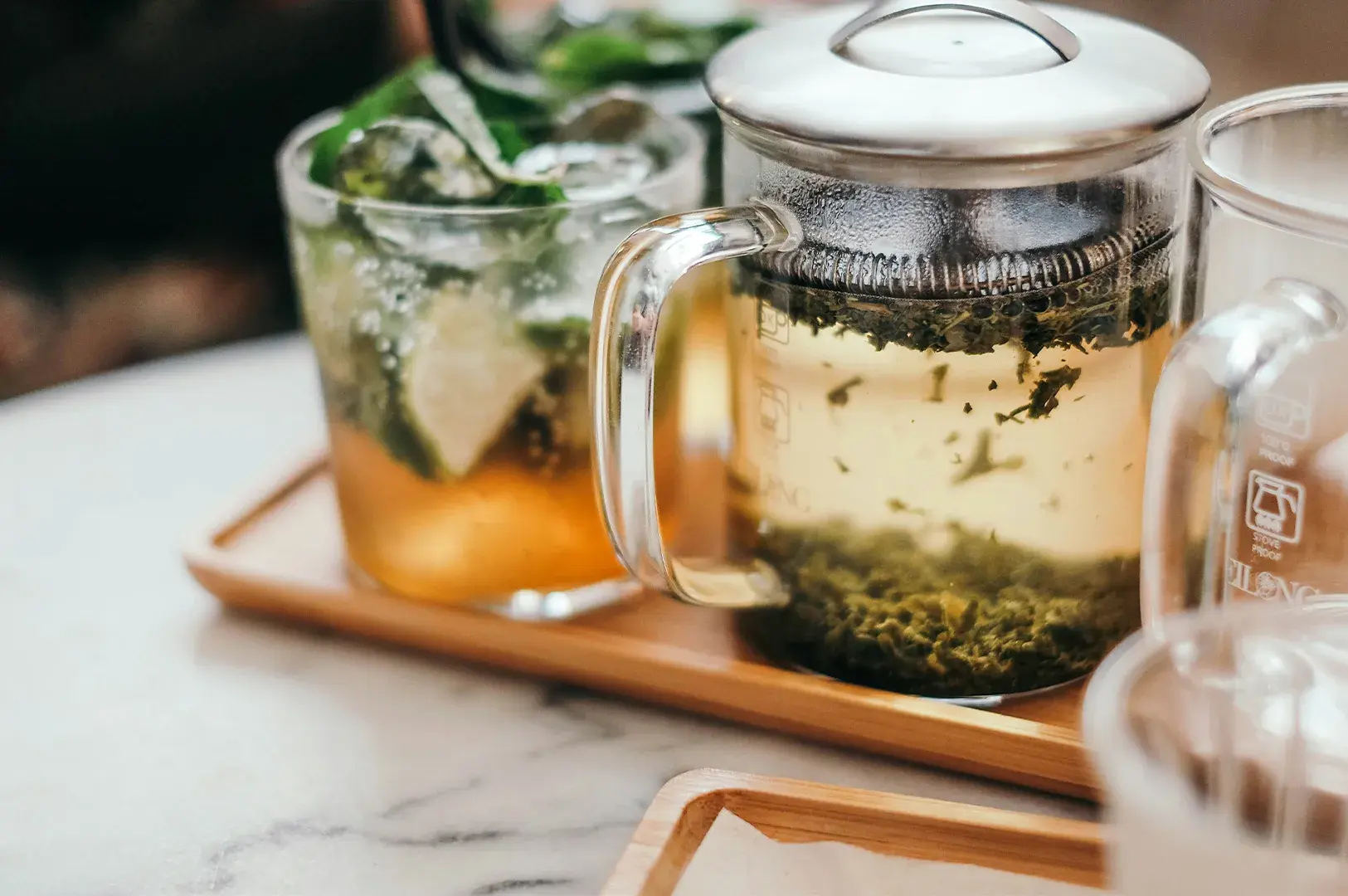
Step by Step Instructions
You need very little. A clean jar, cold water, loose tea leaves or tea bags, and patience you may not think you have.
Cold brewing loose tea rewards good leaves, so use tea you would absolutely love to drink hot. A useful water ratio to begin with is roughly one gram of tea per hundred millilitres of cold water. For a standard jar, that might mean around ten grams of leaves to a litre of cold water. Treat this as a starting point, not a rule carved in stone. Some leaves are generous, others shy, and your own palate is the final authority.
Here is the quiet method, held together in one place with simple syrup as an optional sweetener:
- Add your loose leaf tea leaves or tea bags to a clean jar or bottle.
- Pour in cold, fresh water, using about one gram of tea per hundred millilitres.
- Cover the jar loosely and place it straight into the fridge.
- Let it steep for several hours or fridge overnight, then strain out the leaves before drinking.
- Add ice cubes, fresh mint or sliced cucumber, and a squeeze of lemon for a refreshing twist.
- Sweeten with simple syrup or sugar to taste if desired.
If you are wondering about the best steep time, the honest answer is that it depends on the leaf and your taste, but a refrigerated steeping range of six to twelve hours suits most teas well. Lighter teas often find their voice sooner. Heavier, darker leaves may want the fuller stretch. Taste as you go, and stop when the cup pleases you rather than when a clock says so.
Refrigerated tea brewing matters here for more than flavour. Keeping the jar cold throughout is part of what keeps the drink safe, a point worth returning to before you begin.
Choosing the Best Tea Leaves and Tea Bags for Cold Brewing

Every tea tells a different story in cold water, and part of the pleasure is learning which different teas you love slow.
Green and White Teas
Cold brew green tea is where many people begin, and with reason. Hot water can render green tea sharp and grassy, but a cold steep coaxes out something softer, faintly sweet, almost vegetal in a calm way. White tea behaves with similar grace, giving a delicate, honeyed lightness that hot brewing can easily overwhelm.
These are gentle leaves. Cold water lets them speak without shouting.
Oolong and Black Teas
Cold brew oolong tea is a quiet marvel. Oolong sits between green and black in character, and slow extraction teases out its floral and roasted notes in careful layers, so the cup unfolds rather than announces itself.
Black tea, so often brisk and tannic when hot, mellows considerably in the cold. It keeps its depth but sheds much of its bite, arriving smoother and rounder than you might expect from a leaf you associate with a strong morning cup.
Herbal Infusions
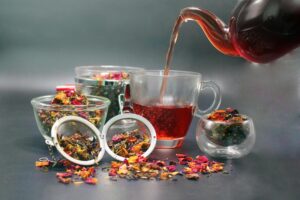
Herbal blends, which are not true tea but infusions of flowers, fruits, and herbs, take beautifully to cold steeping too. Hibiscus turns bright and tart, mint leaves stay crisp and cooling, dried fruit lends a natural sweetness.
Herbal blends, which are made from ingredients other than Camellia sinensis, can also work well with cold steeping. Hibiscus can produce a bright, tart infusion, while mint brings a cooling character and fruit-based blends can add sweetness and acidity. Steeping time still matters, however, since different herbs, flowers, fruits, roots, and spices extract at different rates.
There is no single best iced tea or best tea for cold brewing. There is only the one that suits the hour and your mood.
A Small Inheritance of Patience: The Art of Tea Cold Brewing
Waiting for tea is not a modern idea, even if the refrigerator is.
Cold brewing can feel connected to that broader idea of deliberate preparation, even though brewing tea for hours under refrigeration is a distinctly modern domestic method.
Cold brewing offers a similar experience of patience, only stretched across a longer, cooler span of several hours. You are not standing over it. You are letting it become, the way earlier generations let flavour develop in its own time. In a life measured in notifications, there is something steadying about a drink that answers only to the clock inside the leaf.
Adjusting the Cup to Your Own Taste with Simple Syrup and Lemon

No first attempt is ever quite the last word. Cold brewing invites gentle correction.
If your cup tastes thin or watery, add more leaves next time, or let it steep a few hours longer. If it leans too strong or edges toward bitterness, ease back on the quantity or shorten the steep time. A cold brew tea easy recipe is really just a conversation you keep having with your own preferences, adjusting by flavour rather than obeying a fixed number.
For clarity, strain thoroughly through a fine mesh, and let cloudy sediment settle if you prefer a cleaner glass. Small changes, tasted one at a time, teach you far more than any single instruction can.
Keeping It Safe and Clean in the Fridge
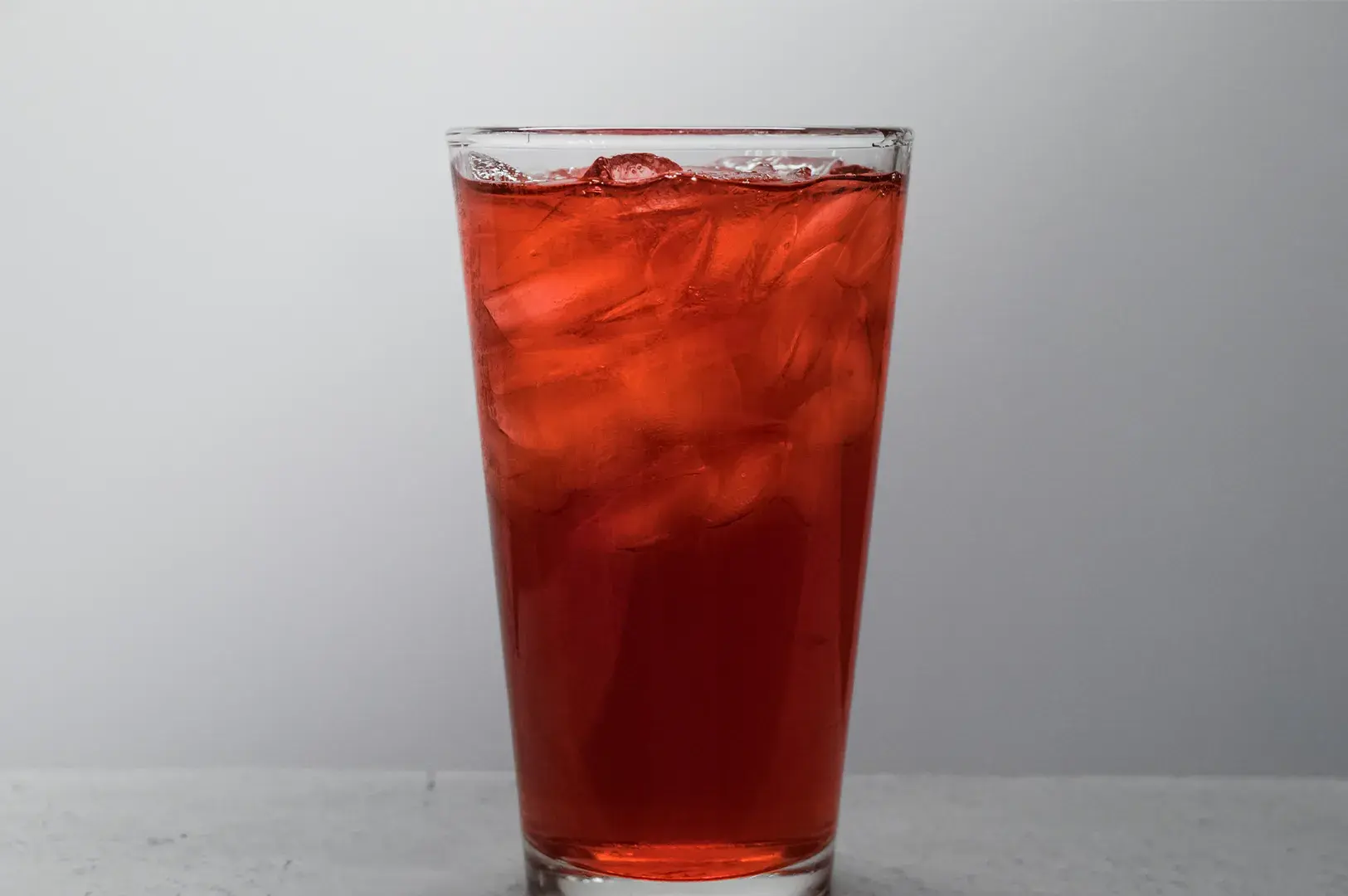
Cold brewing does not include the high-temperature step used in conventional hot brewing, so cleanliness and temperature control matter.
Start with a thoroughly cleaned jar or bottle and use fresh, potable water. Brew the tea under refrigeration rather than leaving it for hours at room temperature, and keep the finished tea refrigerated. Because homemade cold brew is not commercially pasteurised or otherwise processed for extended shelf life, prepare manageable quantities and drink it while fresh. Discard the tea if you notice unusual odours, flavours, visible growth, or other signs of spoilage.
A Word on Caffeine Compared to Cold Brew Coffee
It is often assumed that cold brew tea is gentler on caffeine. The truth is less tidy.
Cold brewing is not automatically lower in caffeine, nor is it caffeine-free. How much caffeine ends up in your glass depends on the type of tea, how many leaves you use, and how long you let it steep. A long cold soak with plenty of leaves can carry a meaningful amount. If caffeine matters to you, adjust your leaf quantity and steeping time with that in mind, and choose naturally caffeine-free herbal infusions when you want none at all.
Cold brew coffee shares the slow extraction and smooth flavor that makes cold brew tea so delicious, but of course with coffee beans instead of tea leaves.
For a perfect pair of coffee and tea in your cups, visit this article we published about Cafe Singapore Spots Worth Visiting for Their Tea
Let Time Make the Tea: Your Refreshing Summer Long Drink

By tomorrow, the jar on my top shelf will be ready. The water will have taken on colour without ever taking on heat, and the first sip will taste of patience more than anything else.
That, in the end, is what learning how to make cold brew tea really offers. Not speed, not novelty, but a different relationship with time. You give the tea several hours instead of minutes, and it gives you back a cup that is softer, sweeter, and quietly more itself.
So fill a clean jar tonight. Add your loose tea leaves or tea bags, pour the cold water, and set it in the fridge overnight before you go to sleep. Then leave it be. In the morning, or the one after, notice how the aroma has deepened, how the texture has rounded, how the sweetness arrives slowly and the finish lingers a little longer than you expected.
Some things you drink. This one, you wait for. And the waiting, it turns out, is part of the flavour.

Tea from Japan: A Journey Through Culture, History, and Varieties
In Japan, tea is not merely a drink; it is a cultural cornerstone, a spiritual discipline, and an integral part of daily life. Tea is an important part of Japanese food culture, traditional ceremonies, and daily routines, reflecting its deep-rooted presence in society. The simple act of preparing and drinking Japanese tea is imbued with…
-
Sobacha: Exploring the Japanese Tradition of Roasted Buckwheat Tea (Sobacha)
Beyond the celebrated world of Japanese green tea lies a treasure trove of comforting, traditional beverages. Among the most beloved is sobacha (そば茶), a nutty and wholesome roasted buckwheat tea. It’s a staple in Japanese households and restaurants, cherished not just for its delightful flavor but for its deep connection to Japanese culinary culture and…
-
Ginger Tea Singapore: A Practical Journey to Finding and Enjoying This Wellness Beverage
Ginger tea is more than just a comforting beverage in Singapore; it’s a staple of modern wellness, a go-to remedy for chasing away the chill of an air-conditioned office, and a familiar taste of home across many cultures. The gentle warmth of ginger tea provides a soothing and invigorating sensory experience, evoking feelings of coziness…
-
Beyond Coffee: Cafe Singapore Cafes Worth Visiting for Their Tea
Author’s Note: I made just a few tweaks here and there to smooth out the flow and make your reading experience as enjoyable as possible. Hope you enjoy the read as much as I enjoyed fine-tuning it for you! If you close your eyes and imagine a typical cafe Singapore scene, you’d likely hear the…
-
Green Tea in Japan: Exploring the Cultural and Social Dimensions of Green Tea in Japan
In Japan, green tea is more than just a beverage; it is a cultural cornerstone, deeply woven into the fabric of daily life, social customs, and national identity. It’s the welcoming drink offered to a guest, the quiet moment of reflection in a busy day, and the centerpiece of a centuries-old ceremony. While many are…

Singapore Ginger Tea: A Complete Guide to Traditional Wellness in the Lion City
In Singapore’s multicultural landscape, ginger tea is a beloved staple that transcends cultural boundaries. Known locally as teh halia, this warming brew embodies centuries of traditional wisdom adapted to modern Singapore life. Whether you seek relief from air-conditioned chill, digestive support after a big meal, or a refreshing sip on a rainy day, Singapore ginger…
-
Loose Tea Leaves: Elevate Your Singapore Tea Experience
In a city that moves as fast as Singapore, the simple act of brewing a cup of tea can feel like a small rebellion—a moment of intentional calm. More and more tea lovers are discovering that this moment is profoundly elevated when they make the switch from conventional tea bags to loose tea leaves. This…
-
Tea Leaf Singapore: An Exquisite Journey of Flavours, Traditions, and Moments
Singapore’s strategic position as a maritime trading hub has nurtured a rich tea culture where ancient traditions blend with modern innovation. The local love for tea runs deep, shaping Singapore’s unique tea culture and fostering a strong appreciation for every cup. Singapore continues to honor its tea traditions while embracing new innovations, ensuring that the…
-
Korean Barley Tea: A Journey into Boricha and Its Rich Traditions
Walk into any Korean restaurant, and before you glance at the menu, a glass of amber-colored boricha (보리차) arrives. This Korean barley tea is as fundamental as water in Korean culture—served hot or cold, a staple in everyday life and a gesture of hospitality. While roasted barley tea is popular across many East Asian countries,…
-
Mugicha Barley Tea: Japan’s Beloved Caffeine-Free Summer Drink Unveiled
Long before green tea became Japan’s iconic beverage, mugicha barley tea—a golden, nutty roasted barley tea—has refreshed Japanese families for centuries. Unlike traditional tea from Camellia sinensis leaves, mugicha is a naturally caffeine free herbal tea made by steeping roasted barley grains in hot water. This traditional barley tea has evolved from an imperial luxury…