Is green tea healthy? The short answer is a resounding yes. For thousands of years, this beverage from the Camellia sinensis plant has been celebrated not only for its soothing taste but also for its numerous health benefits. Modern research continues to validate what tradition long suggested: drinking green tea regularly offers powerful advantages for overall wellness. This article breaks down seven science-backed benefits of green tea and explains why incorporating it into your routine may improve multiple aspects of your health.
1. Powerful Antioxidant Protection — Advantages of Green Tea

Green tea is packed with beneficial polyphenols, particularly green tea catechins like EGCG (epigallocatechin gallate). The green tea polyphenol EGCG is especially notable for its antioxidant properties. These compounds act as potent antioxidants, defending your cells against oxidative stress caused by free radicals. Studies show that green tea contains higher antioxidant levels than most fruits and vegetables. By consuming green tea daily, you can support your body in protecting DNA, reducing inflammation, and potentially lowering the long-term risk of chronic diseases such as cancer and cardiovascular diseases. Some studies suggest that green tea consumption may help reduce cancer risk, particularly in populations with high green tea intake, but more research is needed to confirm these effects.
Whether you choose brewed green tea from fresh green tea leaves or tea bags, the antioxidant properties are a major reason why green tea may help maintain cellular health and promote longevity.
2. Brain Health — Drinking Green Tea for Cognitive Function
Looking for a natural way to boost focus and brain health? Drinking green tea provides a unique combination of caffeine (in moderate amounts) and the amino acid L-theanine, producing a state of calm alertness. Research shows this synergy improves working memory, attention, and cognitive performance without the jitters often associated with coffee consumption.
Some studies suggest that green tea's neuroprotective properties may even slow cognitive decline and reduce the risk of Alzheimer’s disease, particularly in middle-aged individuals. Regular green tea consumption has been linked to improved alpha-wave activity in the brain, supporting relaxed focus and mental clarity.
3. Metabolism Support and Weight Management
Green tea benefits for metabolism and weight management are among the most studied. Green tea catechins help increase thermogenesis, which can raise the number of calories burned during daily activities. Research indicates that three to five cups of green tea daily may enhance weight loss efforts and support healthy body composition. Consuming more green tea may further support weight management and metabolic health.
Consuming green tea before exercise may further optimize fat burning. While green tea may not be a magic solution for shedding pounds, it works best as part of a balanced diet and active lifestyle. Even decaf green tea retains some beneficial polyphenols, allowing non-tea drinkers or caffeine-sensitive individuals to reap many health benefits. Those looking to manage their caffeine intake can drink green tea for metabolism support, as it contains less caffeine than coffee.
4. Heart Health — Green Tea Backed by Science
Cardiovascular health is strongly supported by green tea consumption. Studies suggest moderate green tea consumption can improve blood vessels, reduce LDL cholesterol, and lower the risk of heart disease. Research suggests that four or more cups per day may reduce high blood pressure and major risk factors for cardiovascular diseases.
Heart disease remains a major risk factor worldwide, with high blood pressure, elevated cholesterol, and unhealthy lifestyle habits contributing to cardiovascular complications. Drinking green tea regularly can be a simple yet effective strategy to support heart health.
Green tea polyphenols help improve the function of blood vessels, reduce LDL (“bad”) cholesterol, and support healthy blood pressure levels. Long-term studies in populations with high green tea consumption show lower rates of cardiovascular diseases and reduced risk of heart attack or stroke.
Moderate green tea consumption, such as two to three cups daily, provides sufficient beneficial polyphenols to support arterial function, reduce inflammation, and maintain healthy blood vessels. Some research even suggests that four or more cups may further enhance cardiovascular protection, contributing to lower long-term risk of heart disease.
For optimal benefits, adding green tea to a balanced diet rich in fruits, vegetables, and whole grains can complement other lifestyle medicine strategies for heart health. Whether consumed as brewed green tea, tea bags, or high-quality green tea leaves, this ancient beverage is a heart-smart addition to your daily routine.
5. Blood Sugar Regulation
Managing blood sugar is critical for preventing diabetes risk and related diabetic complications. Green tea catechins improve insulin resistance and support stable glucose levels. Regular green tea consumption may reduce glycemic and lipidemic status, helping to prevent post-meal spikes.
Green tea supplementation or adding green tea to meals can be a useful lifestyle medicine approach for middle-aged adults or anyone looking to support metabolic health. Studies also show that tea contains caffeine in moderation, which may synergize with polyphenols for optimal blood sugar regulation.
6. Skin Health — Green Tea May Protect and Rejuvenate
Green tea may enhance skin health thanks to its antioxidant properties and anti-inflammatory effects. Green tea polyphenols combat oxidative stress, which contributes to premature aging and skin damage. Topical green tea extract has been shown to improve skin elasticity and reduce UV-induced damage, while drinking green tea internally supports hydration and cellular protection. Green tea extracts, both topical and supplemental, are being studied for their potential health benefits, including antioxidant effects, cancer prevention, weight loss, and skin protection, but should be used with attention to safety, possible side effects, and interactions with medications.
Regular green tea daily may complement a balanced diet to maintain youthful, radiant skin and defend against environmental stressors.
7. Oral Health — Supporting a Healthy Smile
Green tea contains natural compounds, including antibacterial tea polyphenols, that offer a range of oral health benefits. These compounds help reduce plaque formation, inhibit bacterial growth, and support gum health, making regular tea consumption an easy and effective way to maintain a healthier mouth.
Studies suggest that drinking green tea daily can lower the risk of dental cavities, reduce bad breath, and even protect against gum inflammation. The antioxidants in green tea catechins also help neutralize free radicals in the oral cavity, which may support tissue health and reduce long-term damage to gums and teeth.
Green tea may also enhance the oral microbiome, promoting a balance of good bacteria that help defend against infections and oral diseases. For those concerned with oral health, incorporating green tea leaves into your daily routine—whether as brewed green tea or tea bags—is a natural, preventative approach that complements brushing and flossing.
Some studies even indicate that green tea supplementation can provide concentrated tea polyphenols that boost these oral benefits, though traditional brewing is generally preferred for safety and overall wellness. Combined with a balanced diet and moderate green tea consumption, this ancient beverage is an easy and enjoyable way to protect your teeth and gums while supporting overall health.
Maximizing the Potential Health Benefits of Green Tea
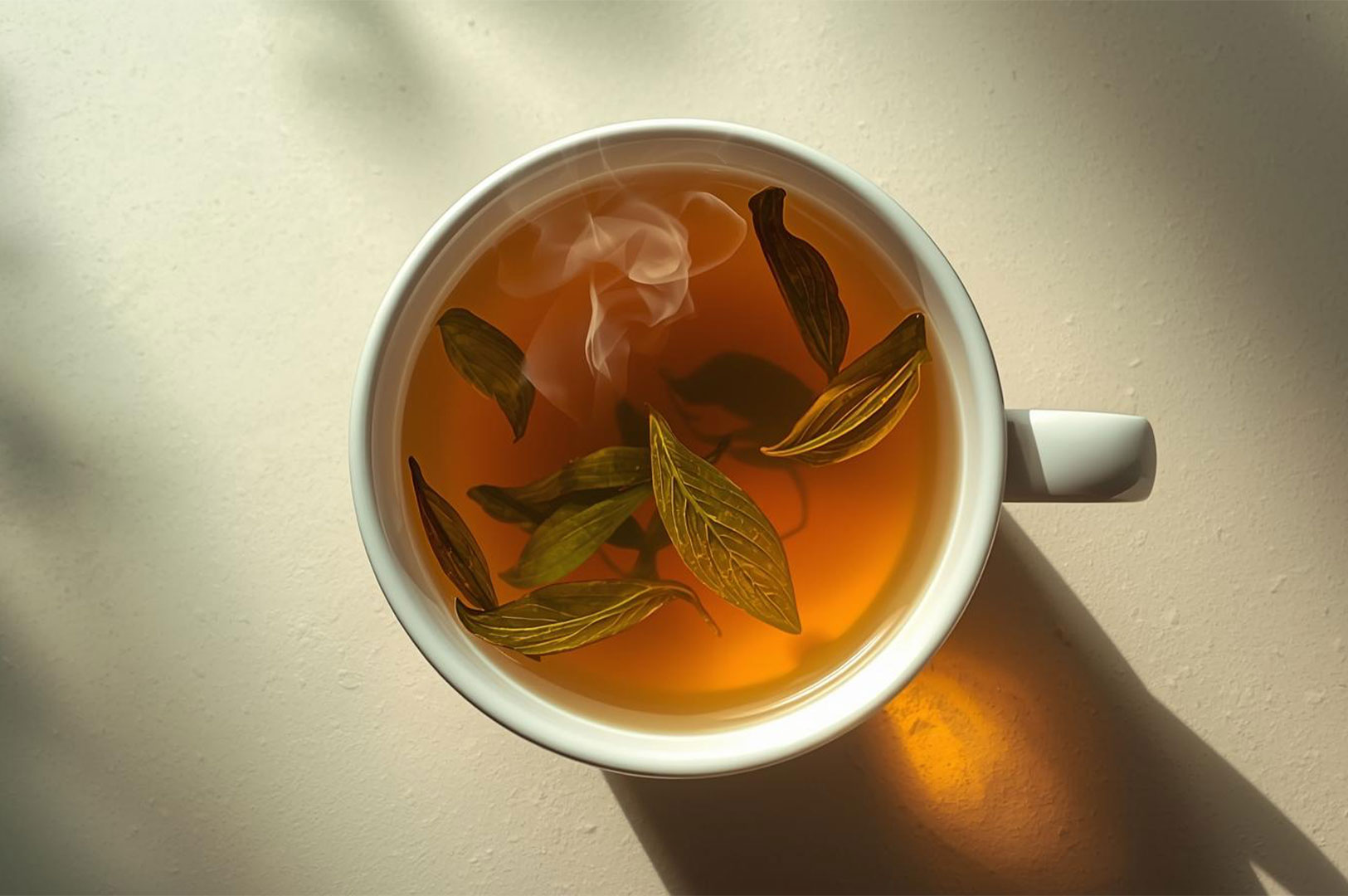
To fully enjoy the advantages of green tea, here are practical tips:
- Enjoy green tea as a morning or afternoon beverage instead of coffee to reduce too much caffeine.
- Drink three to five cups daily for optimal green tea backed benefits.
- Adding green tea to meals or workouts may aid weight loss and support metabolic health.
- Use high-quality green tea leaves or matcha for a higher concentration of green tea catechins and polyphenols.
- Opt for decaf green tea in the evening to maintain brain health and avoid sleep disruption.
- Rotate between hot tea and iced brewed green tea to make regular tea intake enjoyable.
- Consider drinking tea, especially green tea, to support bone health by improving bone density and possibly helping prevent osteoporosis.
Moderate green tea consumption fits seamlessly into a balanced diet, enhancing heart health, skin health, brain health, and overall vitality.
How Much Green Tea Is Safe and Effective?
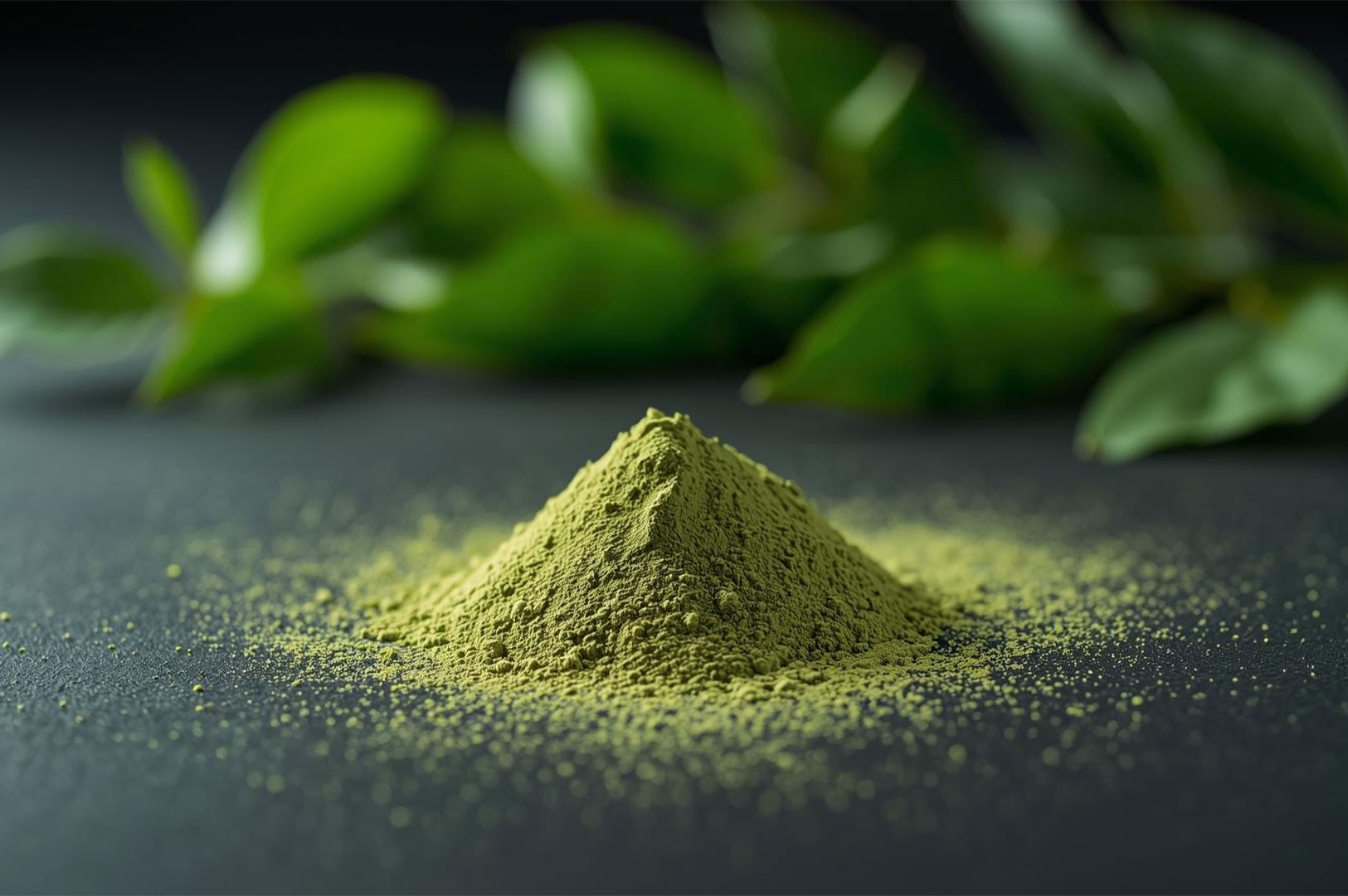
Most research recommends two to three cups of green tea daily for maximum potential health benefits. These are possible health benefits supported by current research, but individual results may vary. Some evidence shows four or more cups may improve cardiovascular health, blood sugar regulation, and weight management. Excessive consumption can lead to mild digestive upset or too much caffeine, so moderation is key. These recommendations are based on science green tea studies that examine the effects of green tea on health.
Even green tea extract supplements should be taken cautiously, as high doses may stress the liver. For holistic benefits, traditional brewed green tea or tea bags from fresh leaves remain the safest option.
The Verdict — Why You Should Enjoy Green Tea
Green tea is a powerhouse of health benefits, from enhancing brain health and heart health to supporting weight management, skin health, oral health, and potentially lowering Alzheimer’s disease risk. Research suggests that incorporating green tea daily into your balanced diet can improve long-term wellness, making it one of the healthiest beverages available.
Compared to black tea, which is oxidized and has a bolder flavor and higher caffeine content, green tea contains less caffeine and more antioxidants, making it a preferred choice for many seeking wellness advantages.
Ready to explore the world of green tea more deeply? Our Complete Guide to Drinking Green Tea covers brewing techniques, variety selection, and the rich traditions behind this ancient beverage.

Maybe Your Favourite Tea Is Not Your Best Tea
I have a tea sitting in my cupboard that I would never call my “best” tea. It is not the rarest. It is not the most expensive. It does not come with an impressive story about ancient tea trees, remote mountains, or a limited harvest. And yet, I drink it more often than almost anything…
-
Clipper Tea Review: Does the Packaging Match the Pour?
There’s a box of Clipper Tea that’s lived in my cupboard longer than most of my mugs. I didn’t plan to buy it. I was standing in the tea aisle, tired, half-decided on something familiar, when the colour caught me. Bright, cheerful, a little hand-drawn looking. So I brought it home. And I’ve been drinking…
-
Hear Me Out, Tea Does Not Need to Be Serious All the Time
There is something I have noticed about tea culture. We take tea very seriously. Perhaps too seriously. We discuss origins, processing methods, brewing temperatures, and the history behind every leaf. We debate whether a tea should be enjoyed in a certain way. We carefully consider the correct vessel, the right water, and the ideal environment….
-
Red Bush Tea: The Tea That Does Not Need to Shout
There is a red pot in my mother’s kitchen that only comes out in the evening. By then the coffee has done its work and gone quiet. The day has loosened. She fills the kettle, drops in a spoonful of something the colour of dried autumn, and lets it sit while she tidies the last…
-
Hear Me Out: High Tea Is Overrated
Hear me out: high tea is one of the most convincing ways we have found to make snacking feel important. I understand the appeal. The room is polished, the cups are delicate, and everything arrives in miniature. There is something satisfying about sitting down in the middle of the afternoon and behaving as though time…
-
Where Tea Is Given Time to Speak: Anteasocial Review
I almost walked past it. Owen Road Singapore doesn’t announce much. A quiet stretch, low buildings, the kind of road you pass through on the way to somewhere louder. Then there it was, unassuming, just numbers on a wall: 117. Anteasocial is a contemporary Oriental specialty teahouse in Singapore, and if you’re looking for a…
-
A Table Set for Stillness: Inside Antea Social’s Quiet Tea Ritual
Luxury usually announces itself before we have time to question it. It arrives through marble lobbies, silver stands and tiny sandwiches placed in strict formation. Antea Social offers a quieter argument. This is not afternoon tea in the familiar hotel sense. There is no grand procession of pastries or waiter lifting a polished lid. Instead,…
-
9 High Tea in Orchard Places for Scones, Tea, and a Quiet Afternoon
There is a particular kind of tiredness that comes from Orchard Road. Not the tiredness of a hard day, but the softer sort, the ache of too many shopfronts, too much bright glass, too many people moving faster than you feel like moving. And somewhere in the middle of all that, if you know where…
-
High Tea Orchard: Why the City Still Does It Best
It is easy to dismiss high tea in Orchard as an expensive pause between shopping bags. The tiered stands are photogenic, the hotel lounges polished, and the prices increasingly difficult to defend. ome scones arrive dry. Some savouries feel like banquet food made miniature. Some desserts are designed more for cameras than appetite. Still, Orchard…
-
McDonald’s Queensway Ridout Tea Garden Review: What It Is Like Dining in a Heritage Setting
I did not expect to find quiet at a McDonald’s Queensway Ridout Tea Garden outlet. But there I was, standing outside the McDonald’s outlet at 580 Queensway, listening to the water instead of the traffic. A much loved pond sat just beyond the glass, surrounded by stone lanterns and trees leaning over it. Somewhere behind…