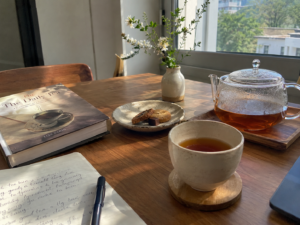
One of the most common questions among both new and experienced tea drinkers is surprisingly simple: is tea acidic?
The answer is yes, but the reality is far more nuanced than a simple yes or no. Most teas fall on the mildly acidic side of the pH scale, yet they are generally far less acidic than many other popular drinks. Compared to beverages such as coffee, soft drinks, or citrus juices, tea occupies a relatively moderate position.
For many people, this distinction matters. Concerns about acid reflux, stomach acidity, tooth enamel, and digestive comfort have led tea drinkers to examine the relationship between tea and acidity more closely.
The good news is that understanding tea acidity is less about avoiding tea altogether and more about learning how different teas, brewing methods, and personal sensitivities influence the experience.
Is Tea Acidic or Alkaline?
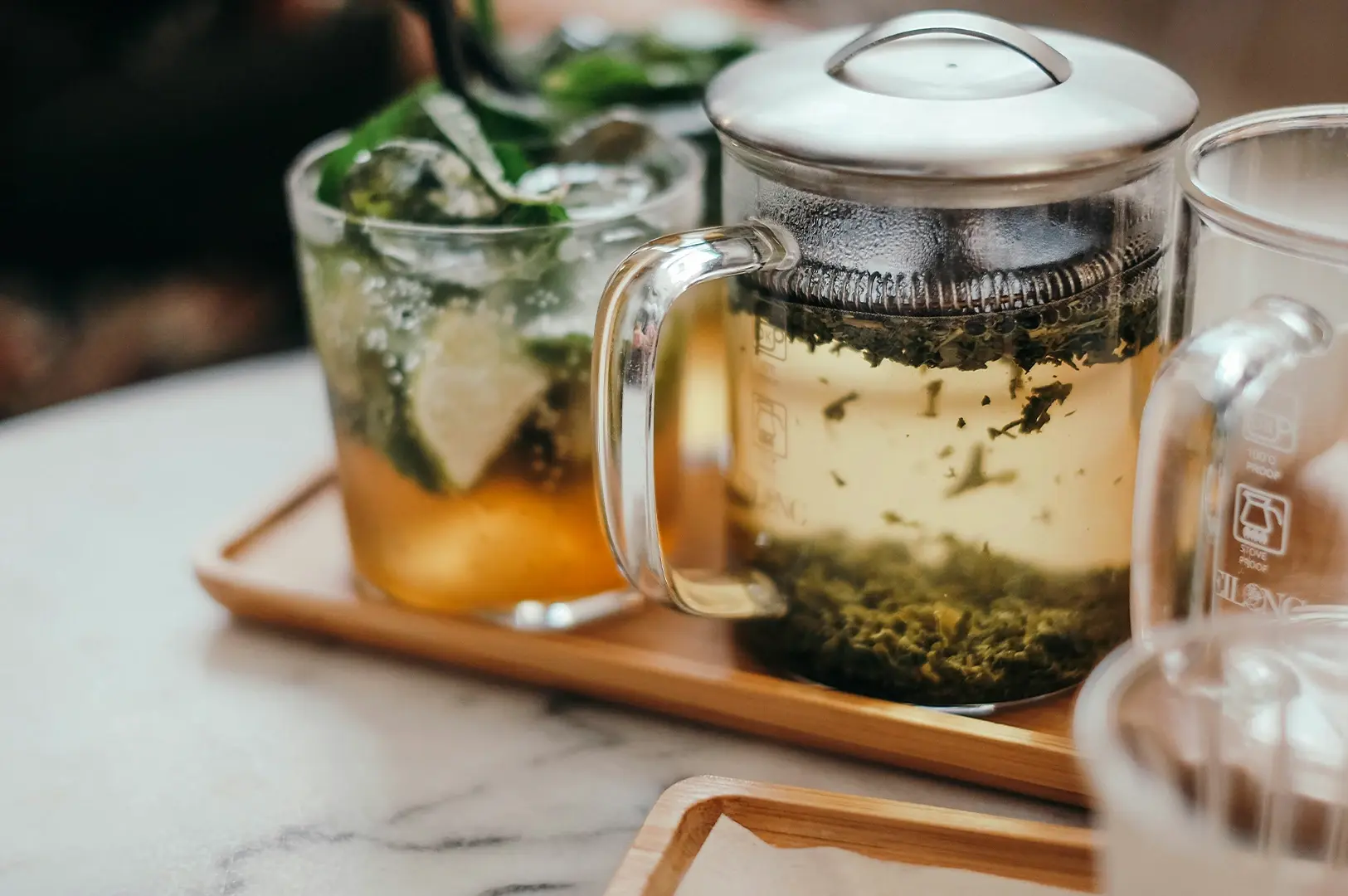
Understanding Tea's Place on the pH Scale
To understand whether tea is acidic, it helps to first understand the pH scale.
The pH scale ranges from 0 to 14:
- Below 7 is acidic
- 7 is considered a neutral pH
- Above 7 is alkaline
Most teas fall somewhere between pH 4.5 and pH 6.5, depending on the variety and brewing conditions. This places tea on the acidic side of the scale, but generally not in the category of highly acidic beverages.
For comparison:
| Beverage | Average pH |
|---|---|
| Orange Juice | 3.3–4.2 |
| Coffee | 4.8–5.1 |
| Black Tea | 4.9–5.5 |
| Green Tea | 6.0–7.0 |
| Water | 7.0 |
This means that while tea is technically acidic, its acidity level is often lower than many beverages people consume every day.
The question is not simply whether tea is acidic or alkaline, but how that mild acidity affects different individuals.
Green Tea and Black Tea Acidity Compared
Green Tea Typically Has Lower Acidity
When comparing green tea and black tea, there are noticeable differences in acidity.
Both originate from the same Camellia sinensis plant, but the processing methods differ significantly.
Green tea undergoes minimal oxidation. Manufacturers quickly heat the leaves to prevent oxidation, helping preserve many of the leaf's original compounds.
As a result, green tea acidic levels are often lower than black tea.
Many tea drinkers find green tea:
- lighter on the stomach
- less likely to cause irritation
- easier to enjoy throughout the day
Some research suggests that green tea acts differently within the digestive system because of its distinct chemical profile.
Is Black Tea Acidic?
Yes, black tea acidic levels are generally slightly higher.
During production, the leaves undergo full oxidation, creating the darker colour and robust flavor that many people enjoy.
This process can increase:
- tannin development
- complexity of flavour
- perceived acidity
Black tea also tends to contain:
- more tannins
- slightly higher caffeine levels
- a fuller body
For many tea lovers, this richness is precisely what makes black tea appealing. However, those with sensitive stomachs may find green tea or certain herbal alternatives easier to tolerate.
Acid Reflux and Drinking Tea
Can Tea Trigger Acid Reflux?
One of the most frequent concerns surrounding tea acidity involves acid reflux.
Acid reflux occurs when stomach acid flows upward into the esophagus. In some cases, frequent reflux may develop into gastroesophageal reflux disease.
Tea itself is not necessarily the direct cause. However, several factors may contribute:
- caffeine content
- individual sensitivity
- tea consumed on an empty stomach
- brewing strength
The relationship between tea and reflux often depends more on the person than the beverage itself.
Some individuals notice discomfort after drinking black tea, while others experience no symptoms at all.
Caffeine may temporarily relax the lower esophageal sphincter, making reflux more likely in sensitive individuals.
Tips for Sensitive Individuals
If tea occasionally causes discomfort, consider:
- choosing lower caffeine options
- avoiding tea on an empty stomach
- reducing brewing time
- trying cold brewing methods
- switching to gentler herbal varieties
These adjustments can significantly reduce discomfort without giving up tea entirely.
Herbal Teas and Acidity
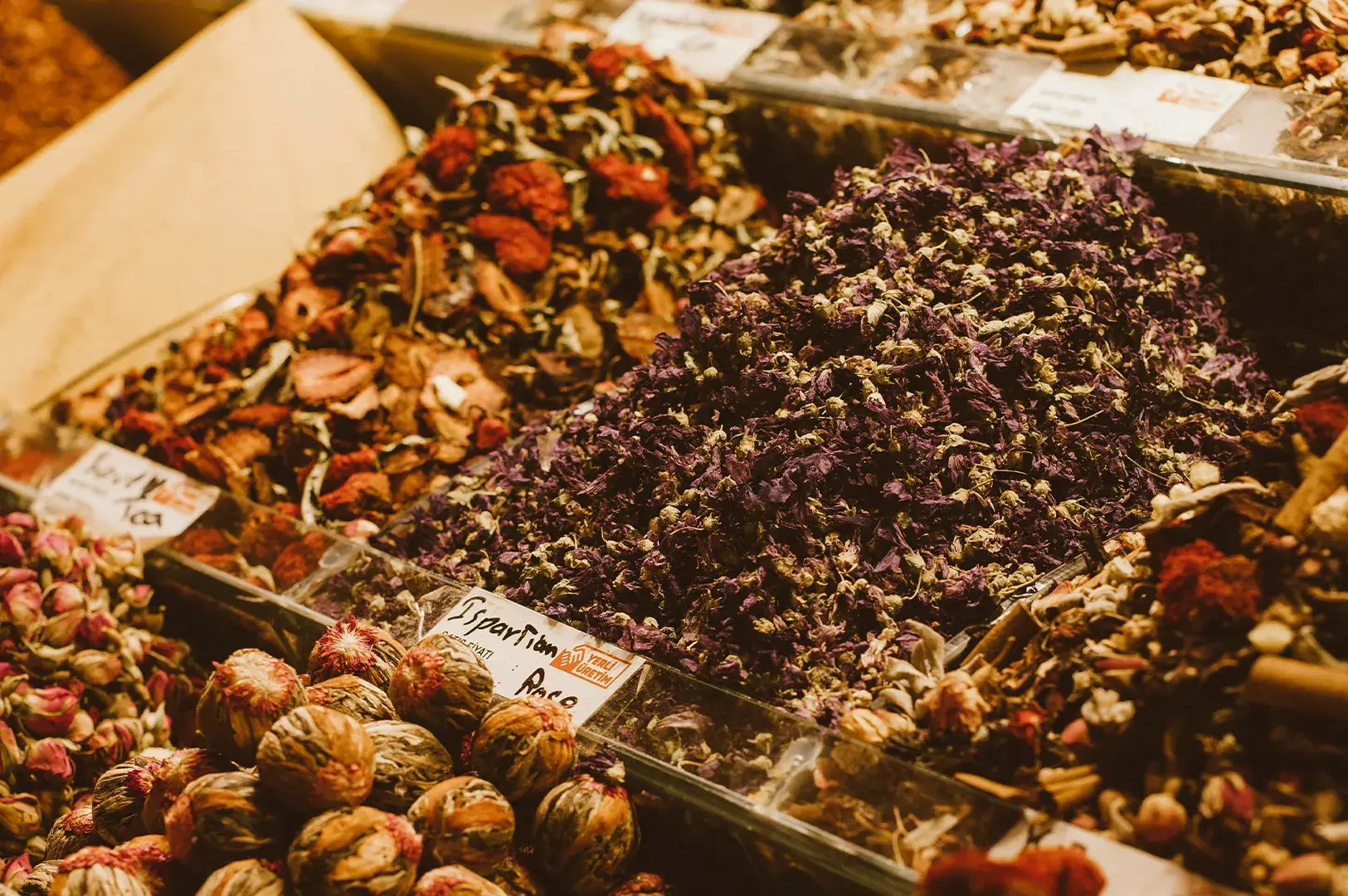
Not All Herbal Teas Are the Same
When discussing acidity, many people automatically assume all herbal teas behave similarly.
In reality, not all herbal teas have the same acidity level.
Some popular examples include:
| Herbal Tea | General Acidity |
|---|---|
| Chamomile Tea | Low |
| Ginger Tea | Low to moderate |
| Peppermint Tea | Low |
| Hibiscus Tea | Higher |
Chamomile tea is often chosen by those seeking a gentle, soothing beverage.
Ginger tea may help aid digestion and is commonly enjoyed after meals.
Meanwhile, certain fruit-based herbal blends containing ingredients like hibiscus may be more acidic because of naturally occurring acids.
This is why herbal teas should be evaluated individually rather than grouped together.
How Brewing Methods Affect Tea Acidity
Small Changes Can Make a Difference
Many tea drinkers are surprised to learn that brewing methods can influence tea's acidity.
Several factors affect the final cup:
- water temperature
- steeping time
- leaf quality
- tea-to-water ratio
For example, loose leaf tea often produces a cleaner and more balanced cup than lower-quality tea bags, which may contain smaller broken leaf particles.
Longer steeping times can also extract:
- more tannins
- more bitter compounds
- additional acids present within the leaves
Cold Brewing and Less Acidic Tea
Many people find that cold brewing produces a smoother cup.
Cold water extracts compounds differently than hot water, often resulting in:
- less bitterness
- lower perceived acidity
- a softer flavour profile
For individuals concerned about stomach irritation, cold brewed tea may be worth exploring.
Does Adding Milk Reduce Tea Acidity?
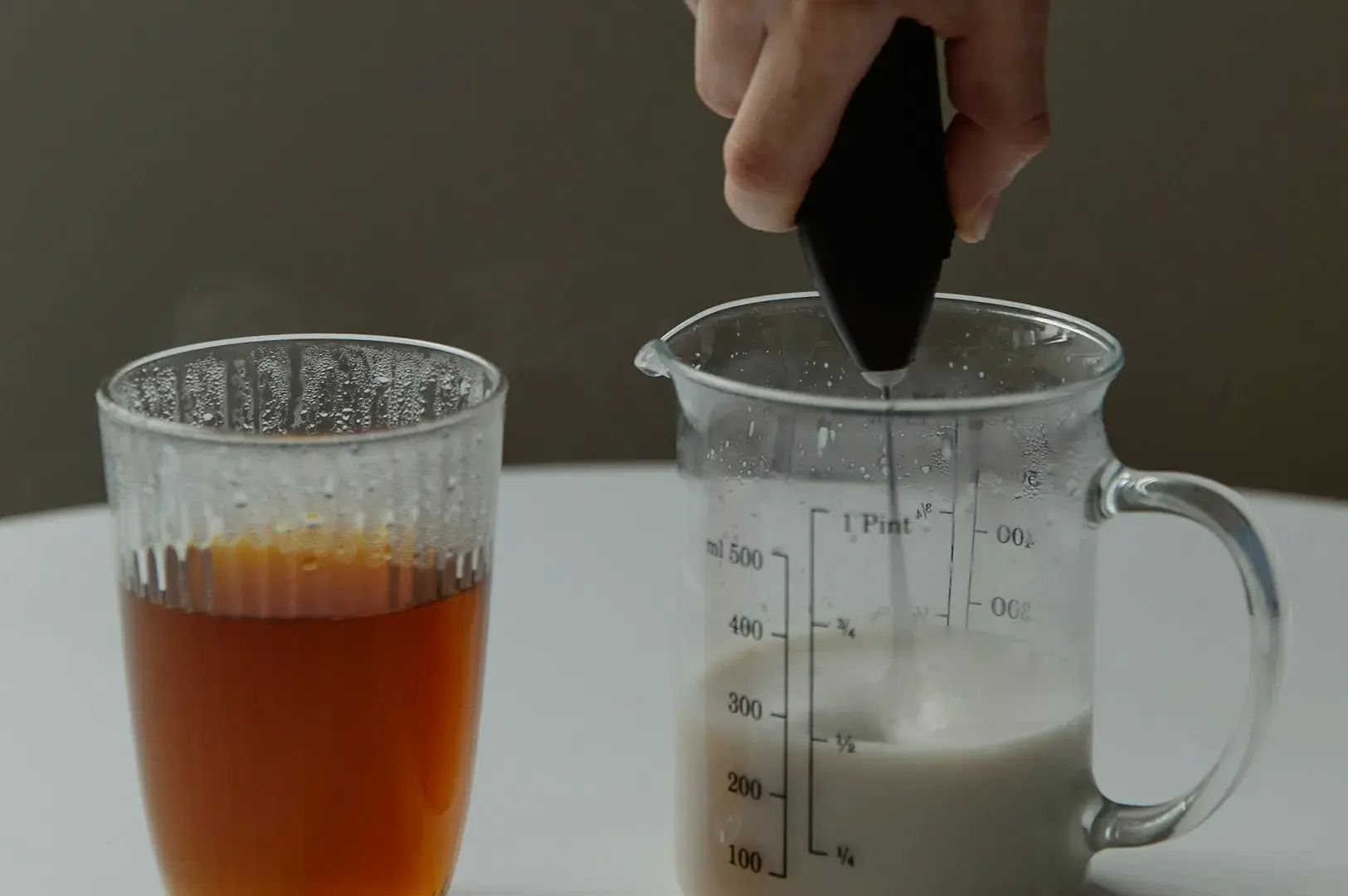
Adding Milk to Black Tea
Many tea drinkers naturally wonder whether adding milk changes acidity.
While milk does not completely alter tea's pH level, it may soften the overall experience.
Options include:
- traditional dairy milk
- almond or oat milk
- oat milk
- other plant-based alternatives
Milk can help balance:
- bitterness
- tannins
- stronger flavour notes
As a result, tea may feel gentler on the stomach for some individuals.
This is one reason why milk tea traditions remain popular in many parts of the world.
Potential Health Benefits Despite Mild Acidity
Tea Remains Generally Safe
The presence of mild acidity does not cancel out tea's many positive qualities.
Research continues to explore the potential health benefits associated with regular tea drinking.
Black, green, and white teas contain:
- antioxidants
- tea polyphenols
- amino acids
- other beneficial compounds
Studies have linked regular tea consumption to support for:
- bone health
- cardiovascular wellness
- cognitive performance
- immune system function
For most healthy adults, tea remains a generally safe beverage when consumed in moderation.
How Much Tea Is Too Much?
Questions about how much black tea, caffeine intake, and overall tea consumption are common.
For most people:
- one daily cup is unlikely to cause problems
- moderate tea consumption is considered safe
- excessive consumption may increase caffeine-related effects
As with many foods and beverages, balance matters more than perfection.
Conclusion
So, is tea acidic?
Technically, yes. Most teas are mildly acidic and fall below neutral on the pH scale. However, tea is generally far less acidic than many other popular drinks, including coffee and fruit juices.
For most people, this mild acidity presents little concern. Factors such as tea type, brewing methods, caffeine content, and individual sensitivity often play a much larger role in determining comfort.
Whether you prefer green tea, black tea, white tea, or carefully crafted herbal blends, tea remains one of the world's most widely enjoyed beverages for good reason.
Its acidity is only one small part of a much larger story. For many tea lovers, the flavour, ritual, and potential health benefits continue to make tea a welcome part of everyday life.

Temperature Rules Are Overblown: The Real Brewing Variable Nobody Mentions
I used to think making tea required a thermometer. Not literally, perhaps, but almost. Every tea seemed to have a number attached to it. Green tea at this temperature. Oolong at another. Black tea a little hotter. Too hot and you had apparently ruined everything. For a while, I took these rules quite seriously. Then…
-
Afternoon Tea at Prada Caffè ION Orchard: A Green Room, a Pale-Blue Cup
Afternoon tea has always been about the pause for me. Not the tiers or the silverware. Just the moment when the cup is set down, the steam rises, and everything outside seems to slow a little. So I wondered what a pause would feel like inside a fashion house. One floor above Orchard Road, past…
-
A Love Letter to Oolong: The In-Between That Changed My Mind
I did not understand oolong when I first encountered it. It seemed unnecessarily complicated. Green tea was green tea. Black tea was black tea. I understood where they stood. Oolong seemed determined to remain somewhere in between. Perhaps that was what initially kept me from appreciating it. Over time, however, I began to realise that…
-
Tea from Assam: The Geography, Craft, and Character Behind the Brew
The colour arrives first. A deep amber that darkens towards red as the tea leaves give up their strength. Then comes the aroma. It is warm and rounded, often compared to malt or the crust of fresh bread. The first sip has weight. It fills the mouth with a rich body and leaves a slight,…
-
Why “No Bitterness” Is a Terrible Goal (And Makes Tea Boring)
I used to think a good tea was supposed to be smooth. No bitterness. No sharp edges. Nothing that made me pause and wonder whether I was doing something wrong. It seemed logical. We naturally gravitate toward things that are easy to enjoy. A tea that is sweet, gentle, and immediately comforting feels like a…
-
Best Tea Brands Singapore: 10 Names Worth Knowing
There’s a small sound I’ve always liked. It’s the soft knock of a teapot lid settling back into place, just before the first pour. It happens at home. It happens in old shophouses and in bright mall boutiques like those in Suntec City. The setting changes, but the pause stays the same. This list is…
-
“Rare” Tea Is Often Manufactured Scarcity: Here’s How to Tell
There is a word in tea that carries unusual power. Rare. It immediately creates curiosity. A rare harvest. A rare batch. A rare tree. A tea that may never return. The suggestion is simple: if something is difficult to obtain, it must be more valuable. Sometimes, this is true. Some teas are genuinely limited because…
-
LiHO Tea Singapore: A Greeting You Can Drink
Some words carry a whole childhood inside them. Li ho. I heard it at kopitiam tables, across corridors, from uncles who never waited for a real answer. It meant “how are you,” but it also meant I see you. So when I saw that name on a tea shop sign, somewhere in the middle of…

The Myth of “Perfect” Tea: What I Stopped Chasing
For a long time, I thought I was looking for the perfect tea. I imagined there would be a moment when I found the one. The tea that made every other tea feel unnecessary. The tea I would recommend to everyone. The tea that would finally make me understand what true appreciation was supposed to…
-
Teh O: Understanding the Tea Order Behind the Name
There is a stall near where I grew up that has changed hands twice, but the tea has stayed the same. I still remember the first time I ordered teh o on my own, sometime in my early teens, mumbling the words at the counter and half-expecting to get them wrong. The uncle didn’t blink….