One of the most common questions among both new and experienced tea drinkers is surprisingly simple: is tea acidic?
The answer is yes, but the reality is far more nuanced than a simple yes or no. Most teas fall on the mildly acidic side of the pH scale, yet they are generally far less acidic than many other popular drinks. Compared to beverages such as coffee, soft drinks, or citrus juices, tea occupies a relatively moderate position.
For many people, this distinction matters. Concerns about acid reflux, stomach acidity, tooth enamel, and digestive comfort have led tea drinkers to examine the relationship between tea and acidity more closely.
The good news is that understanding tea acidity is less about avoiding tea altogether and more about learning how different teas, brewing methods, and personal sensitivities influence the experience.
Is Tea Acidic or Alkaline?
Understanding Tea's Place on the pH Scale
To understand whether tea is acidic, it helps to first understand the pH scale.
The pH scale ranges from 0 to 14:
- Below 7 is acidic
- 7 is considered a neutral pH
- Above 7 is alkaline
Most teas fall somewhere between pH 4.5 and pH 6.5, depending on the variety and brewing conditions. This places tea on the acidic side of the scale, but generally not in the category of highly acidic beverages.
For comparison:
| Beverage | Average pH |
|---|---|
| Orange Juice | 3.3–4.2 |
| Coffee | 4.8–5.1 |
| Black Tea | 4.9–5.5 |
| Green Tea | 6.0–7.0 |
| Water | 7.0 |
This means that while tea is technically acidic, its acidity level is often lower than many beverages people consume every day.
The question is not simply whether tea is acidic or alkaline, but how that mild acidity affects different individuals.
Green Tea and Black Tea Acidity Compared
Green Tea Typically Has Lower Acidity
When comparing green tea and black tea, there are noticeable differences in acidity.
Both originate from the same Camellia sinensis plant, but the processing methods differ significantly.
Green tea undergoes minimal oxidation. Manufacturers quickly heat the leaves to prevent oxidation, helping preserve many of the leaf's original compounds.
As a result, green tea acidic levels are often lower than black tea.
Many tea drinkers find green tea:
- lighter on the stomach
- less likely to cause irritation
- easier to enjoy throughout the day
Some research suggests that green tea acts differently within the digestive system because of its distinct chemical profile.
Is Black Tea Acidic?
Yes, black tea acidic levels are generally slightly higher.
During production, the leaves undergo full oxidation, creating the darker colour and robust flavor that many people enjoy.
This process can increase:
- tannin development
- complexity of flavour
- perceived acidity
Black tea also tends to contain:
- more tannins
- slightly higher caffeine levels
- a fuller body
For many tea lovers, this richness is precisely what makes black tea appealing. However, those with sensitive stomachs may find green tea or certain herbal alternatives easier to tolerate.
Acid Reflux and Drinking Tea
Can Tea Trigger Acid Reflux?
One of the most frequent concerns surrounding tea acidity involves acid reflux.
Acid reflux occurs when stomach acid flows upward into the esophagus. In some cases, frequent reflux may develop into gastroesophageal reflux disease.
Tea itself is not necessarily the direct cause. However, several factors may contribute:
- caffeine content
- individual sensitivity
- tea consumed on an empty stomach
- brewing strength
The relationship between tea and reflux often depends more on the person than the beverage itself.
Some individuals notice discomfort after drinking black tea, while others experience no symptoms at all.
Caffeine may temporarily relax the lower esophageal sphincter, making reflux more likely in sensitive individuals.
Tips for Sensitive Individuals
If tea occasionally causes discomfort, consider:
- choosing lower caffeine options
- avoiding tea on an empty stomach
- reducing brewing time
- trying cold brewing methods
- switching to gentler herbal varieties
These adjustments can significantly reduce discomfort without giving up tea entirely.
Herbal Teas and Acidity
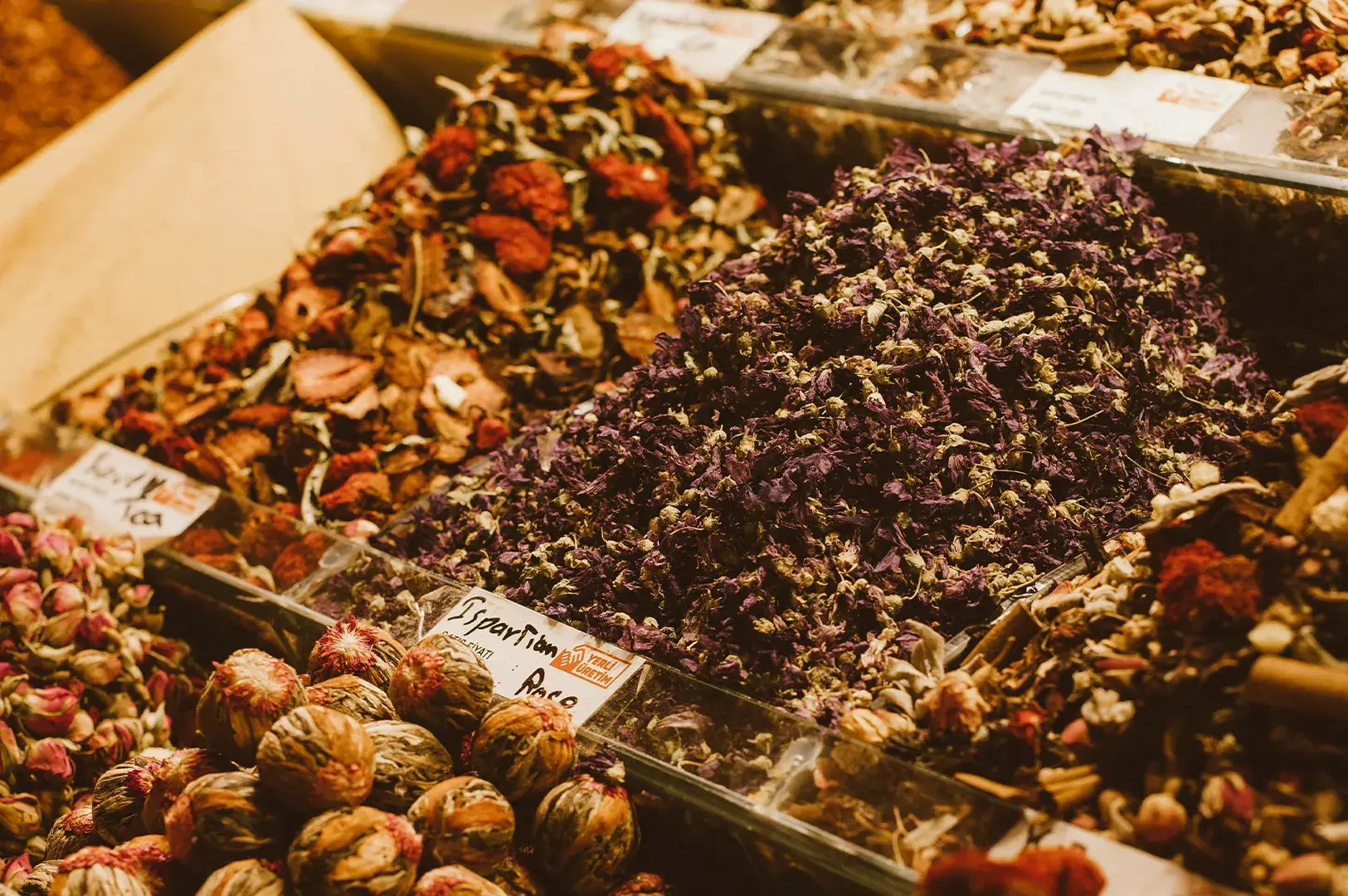
Not All Herbal Teas Are the Same
When discussing acidity, many people automatically assume all herbal teas behave similarly.
In reality, not all herbal teas have the same acidity level.
Some popular examples include:
| Herbal Tea | General Acidity |
|---|---|
| Chamomile Tea | Low |
| Ginger Tea | Low to moderate |
| Peppermint Tea | Low |
| Hibiscus Tea | Higher |
Chamomile tea is often chosen by those seeking a gentle, soothing beverage.
Ginger tea may help aid digestion and is commonly enjoyed after meals.
Meanwhile, certain fruit-based herbal blends containing ingredients like hibiscus may be more acidic because of naturally occurring acids.
This is why herbal teas should be evaluated individually rather than grouped together.
How Brewing Methods Affect Tea Acidity
Small Changes Can Make a Difference
Many tea drinkers are surprised to learn that brewing methods can influence tea's acidity.
Several factors affect the final cup:
- water temperature
- steeping time
- leaf quality
- tea-to-water ratio
For example, loose leaf tea often produces a cleaner and more balanced cup than lower-quality tea bags, which may contain smaller broken leaf particles.
Longer steeping times can also extract:
- more tannins
- more bitter compounds
- additional acids present within the leaves
Cold Brewing and Less Acidic Tea
Many people find that cold brewing produces a smoother cup.
Cold water extracts compounds differently than hot water, often resulting in:
- less bitterness
- lower perceived acidity
- a softer flavour profile
For individuals concerned about stomach irritation, cold brewed tea may be worth exploring.
Does Adding Milk Reduce Tea Acidity?
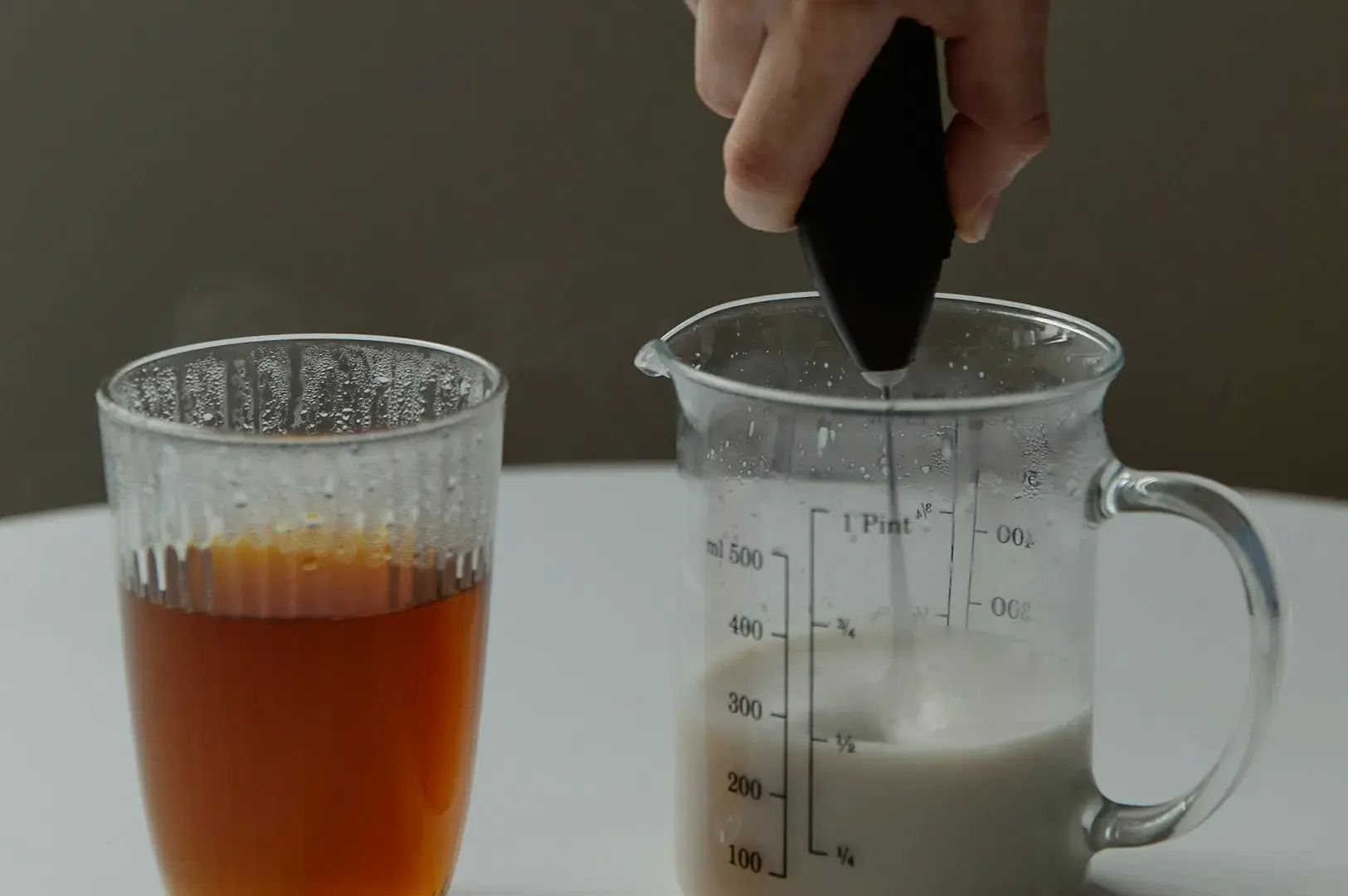
Adding Milk to Black Tea
Many tea drinkers naturally wonder whether adding milk changes acidity.
While milk does not completely alter tea's pH level, it may soften the overall experience.
Options include:
- traditional dairy milk
- almond or oat milk
- oat milk
- other plant-based alternatives
Milk can help balance:
- bitterness
- tannins
- stronger flavour notes
As a result, tea may feel gentler on the stomach for some individuals.
This is one reason why milk tea traditions remain popular in many parts of the world.
Potential Health Benefits Despite Mild Acidity

Tea Remains Generally Safe
The presence of mild acidity does not cancel out tea's many positive qualities.
Research continues to explore the potential health benefits associated with regular tea drinking.
Black, green, and white teas contain:
- antioxidants
- tea polyphenols
- amino acids
- other beneficial compounds
Studies have linked regular tea consumption to support for:
- bone health
- cardiovascular wellness
- cognitive performance
- immune system function
For most healthy adults, tea remains a generally safe beverage when consumed in moderation.
How Much Tea Is Too Much?
Questions about how much black tea, caffeine intake, and overall tea consumption are common.
For most people:
- one daily cup is unlikely to cause problems
- moderate tea consumption is considered safe
- excessive consumption may increase caffeine-related effects
As with many foods and beverages, balance matters more than perfection.
Conclusion
So, is tea acidic?
Technically, yes. Most teas are mildly acidic and fall below neutral on the pH scale. However, tea is generally far less acidic than many other popular drinks, including coffee and fruit juices.
For most people, this mild acidity presents little concern. Factors such as tea type, brewing methods, caffeine content, and individual sensitivity often play a much larger role in determining comfort.
Whether you prefer green tea, black tea, white tea, or carefully crafted herbal blends, tea remains one of the world's most widely enjoyed beverages for good reason.
Its acidity is only one small part of a much larger story. For many tea lovers, the flavour, ritual, and potential health benefits continue to make tea a welcome part of everyday life.

To the Tea Lovers and the Tea That Holds Us
I want to write a letter, not to anyone in particular, but to the quiet ritual that has accompanied so many of our days. To the tea in our cups and to the people who take the time to notice it. Tea is patient. It waits for us when we are rushing. It sits quietly…
-
What Is Rooibos Tea: Red Gold in Your Cup, the Science and Benefits
There is a certain hour when the day loosens its grip. The coffee has long gone cold. Black tea feels like too much. And yet the kettle still calls, because the ritual matters more than the caffeine. This is where rooibos often arrives. A deep russet red pouring into the cup, warm and unhurried, carrying…
-
The Cup I Always Return To
There is one tea I always return to, even after tasting countless others. It is not rare. It is not expensive. The leaves are ordinary, the aroma familiar. And yet, it has a way of anchoring me, no matter the day or the mood. I first drank it years ago, during a week that felt…
-
Where to Buy Turkish Tea: Finding Authentic Çay for the True Turkish Tea Experience
The first time I understood Turkish tea, I was not drinking it in a café. I was standing in a small shop, watching a man refuse to sell me the wrong thing. I had pointed at a shiny box of flavoured black tea, and he shook his head, quietly, the way someone corrects a friend…
-
Why Tea Might Be the Break You Didn’t Know You Needed
Scrolling through my feed this morning, I realized how easy it is to forget what a quiet moment feels like. Notifications, stories, messages- they all seem to arrive at once, asking for attention I don’t always want to give. And yet, in the middle of it, I poured myself a cup of tea. It wasn’t…
-
A Golden Sip of Serenity chrysanthemum tea
There is a pot on many kitchen tables in Singapore that no one talks about much. Pale yellow gold in the glass, with a few small chrysanthemum flowers or flower buds drifting at the bottom. It appears after a heavy meal, at a grandmother’s house, or in a hawker centre when the weather turns unbearable….
-
Tea in a Scrollable World
I often think about how tea fits into a world that moves as fast as ours does. Every day, there are notifications, updates, trends, and posts competing for attention. Memes, videos, tweets, they all demand a response, a like, a share. It is a constant motion that leaves very little space for pause. And then…
-
Marriott High Tea 1 for 1: Indulge in Luxury at Singapore Marriott Tang Plaza Hotel
I almost didn’t go. Hotel afternoon tea always felt like something you did for a birthday or a special occasion with loved ones, or when a relative flew in and you wanted to seem like you had your life together. Expensive. A little performative. The kind of thing you photograph more than you eat. If…
-
Why Some Teas Feel Like Company
I’ve always thought of tea as a companion of sorts. Not a person, not a friend, but something that sits quietly beside you while the day moves forward. A cup of tea doesn’t interrupt your thoughts. It doesn’t demand attention. It simply exists, warm and steady, while you figure out what comes next. Some teas…
-
A Refined Afternoon Tea Experience at the Pan Pacific Atrium High Tea
Pan Pacific Atrium High Tea is the afternoon tea experience at the Atrium Lounge in Pan Pacific Singapore: a refined, unhurried sitting with TWG tea or Lavazza coffee, elegant seating pods above the reflection pool, and a menu that pairs classic English tea traditions with Peranakan flavours. For couples, friends, families, and tea lovers looking…