Introduction
Tucked away in Cuppage Plaza, Izakaya Nijumaru stands as a testament to the charm of traditional Japanese dining with a relaxed, welcoming atmosphere. Known for its hearty, bold flavours and laid-back vibe, this Japanese restaurant isn’t just a place to enjoy good food—it’s where the experience of eating becomes about more than just what’s on your plate.
Though the menu offers rich dishes like chicken teriyaki, tempura soba, and braised pork, there’s an often-overlooked feature that enhances every meal: tea. The subtle role of tea at Izakaya Nijumaru quietly ties the entire experience together, allowing the bold flavours to settle and providing a soothing moment to reflect.
In this article, we’ll explore how tea complements the dining experience at Izakaya Nijumaru and why it’s the perfect companion to the rich, vibrant dishes served here, as featured by Tea Manor’s insights on Japanese cuisine and tea culture in Cuppage Plaza.
Izakaya Nijumaru at Cuppage Plaza: A Hidden Gem
A Lively Dining Experience
The first thing you’ll notice about Izakaya Nijumaru is how the restaurant manages to remain lively and crowded yet never feels rushed. Situated in Cuppage Plaza, it has become a go-to for anyone craving Japanese cuisine without the formality of more upscale places. The restaurant’s sushi bar offers a front-row seat to watch skilled chefs preparing fresh, hand-cut sushi.
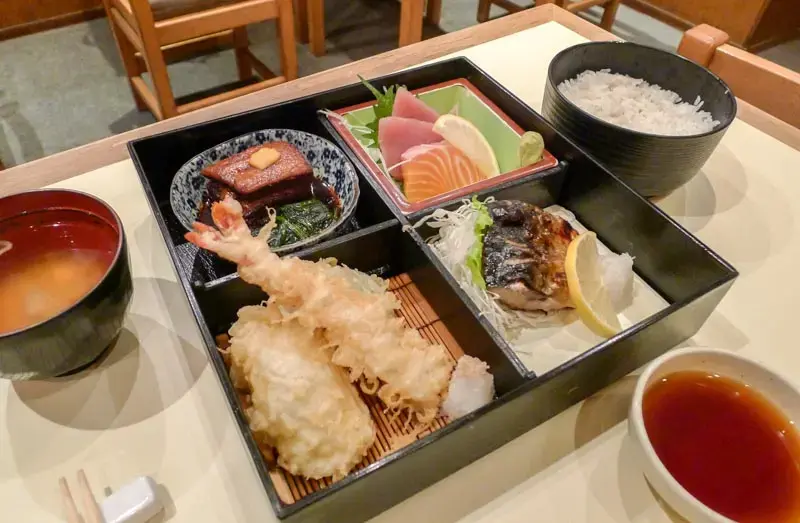
The set meals are a big draw here, giving diners a complete meal that combines several favourites into one hearty dish. The menu is extensive, offering everything from skewered meats to grilled fish, and there’s something for everyone—from those who crave comfort to those looking for something a bit more adventurous.
While the space may not boast luxury, its authenticity shines through. As you settle in, a more serene experience begins to unfold—this is where tea steps in.
Tea Pairings at Izakaya Nijumaru: Enhancing Every Bite
One of the understated highlights at Izakaya Nijumaru is the thoughtful tea pairings that complement its diverse menu. The restaurant offers a selection of traditional Japanese teas that perfectly balance the bold and savory flavours found in dishes like chicken teriyaki, braised pork, and tempura soba.
For instance, the earthy bitterness of matcha tea cuts through the richness of the braised pork, cleansing the palate between bites. Meanwhile, green tea’s subtle grassy notes harmonize beautifully with lighter dishes such as sushi and sashimi, enhancing their freshness. Oolong tea, with its floral and slightly roasted undertones, pairs exceptionally well with grilled items and skewers, such as the popular chicken teriyaki sticks.
These tea pairings not only elevate the dining experience but also reflect the traditional Japanese approach to meals, where tea serves as a bridge between flavours and courses. Whether dining with friends or enjoying a quiet meal alone, the service staff at Izakaya Nijumaru is attentive in recommending the ideal tea to accompany your order, ensuring each person finds the perfect match.
In this way, tea at Izakaya Nijumaru is more than just a beverage—it’s an integral part of the meal that adds depth and balance, leaving diners impressed and eager to return for another visit.
A Look at the Menu: From Set Meals to Other Dishes
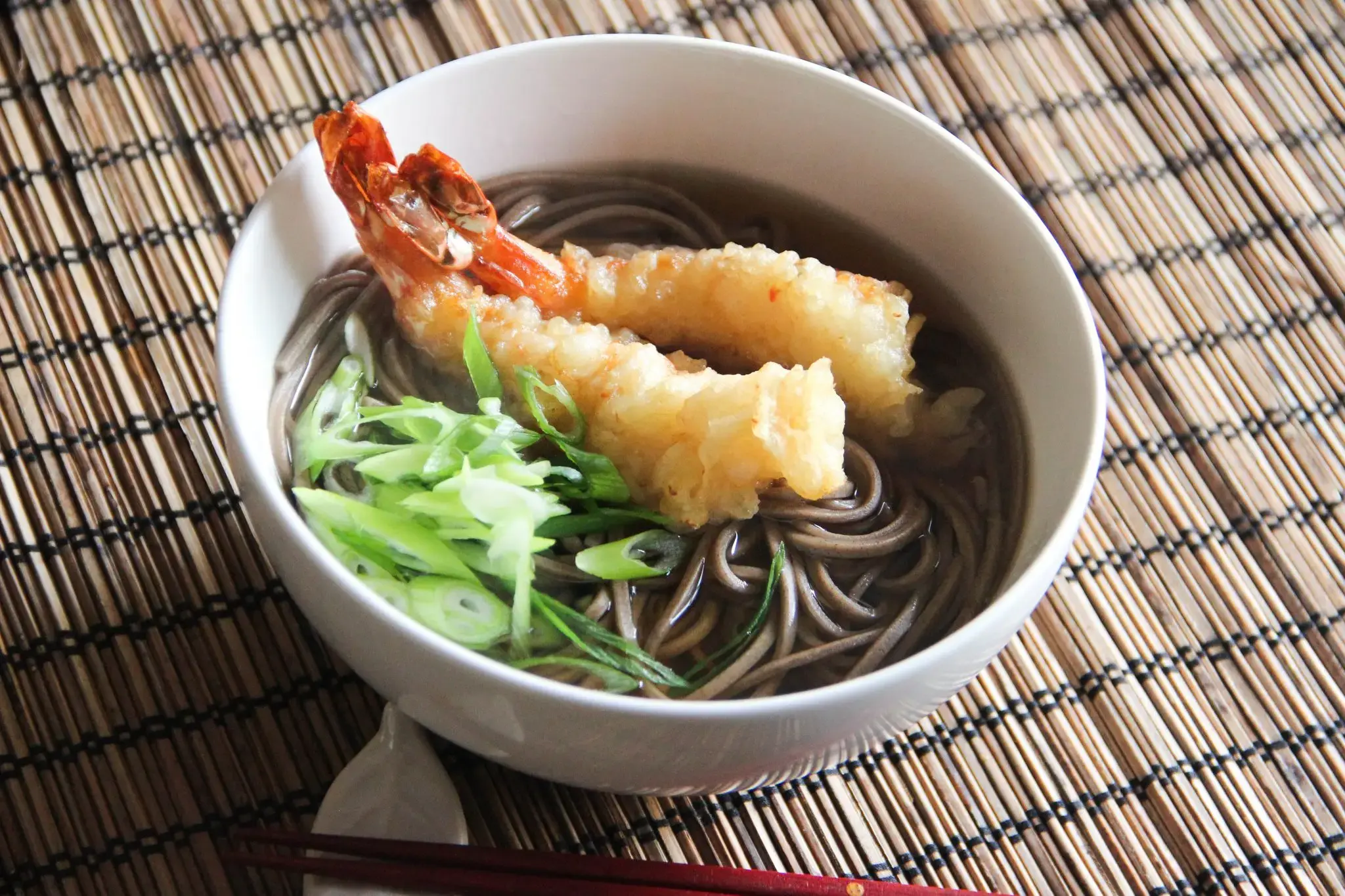
Flavorful Choices Across the Menu
At Izakaya Nijumaru, the menu is designed with variety in mind. Whether you’re in the mood for something light or hearty, there’s a dish to suit your needs.
- Tempura soba: Light and crispy tempura paired with a rich, warming broth
- Chicken teriyaki: Sweet, smoky, and perfectly grilled, it’s a fan favourite for good reason
- Braised pork: A hearty, satisfying dish that pairs wonderfully with a cup of green tea to balance the richness
- Barbecued beef short rib: Smoky and tender, perfect when paired with a refreshing cup of oolong tea
For a more complete experience, consider the set meals, which bring together some of the restaurant’s best offerings. These meals typically feature a selection of:
- Rice
- Soup
- A main dish like katsu or braised pork
- A side of vegetables or tofu
The set meals are a great way to sample a variety of flavours, and with an average bill that remains affordable, it’s no surprise that many diners return. But it’s the tea pairing that truly elevates the meal, giving you a chance to pause and appreciate the balance of flavours.
Tea Pairings: Where Tradition Meets Modern Japanese Dining
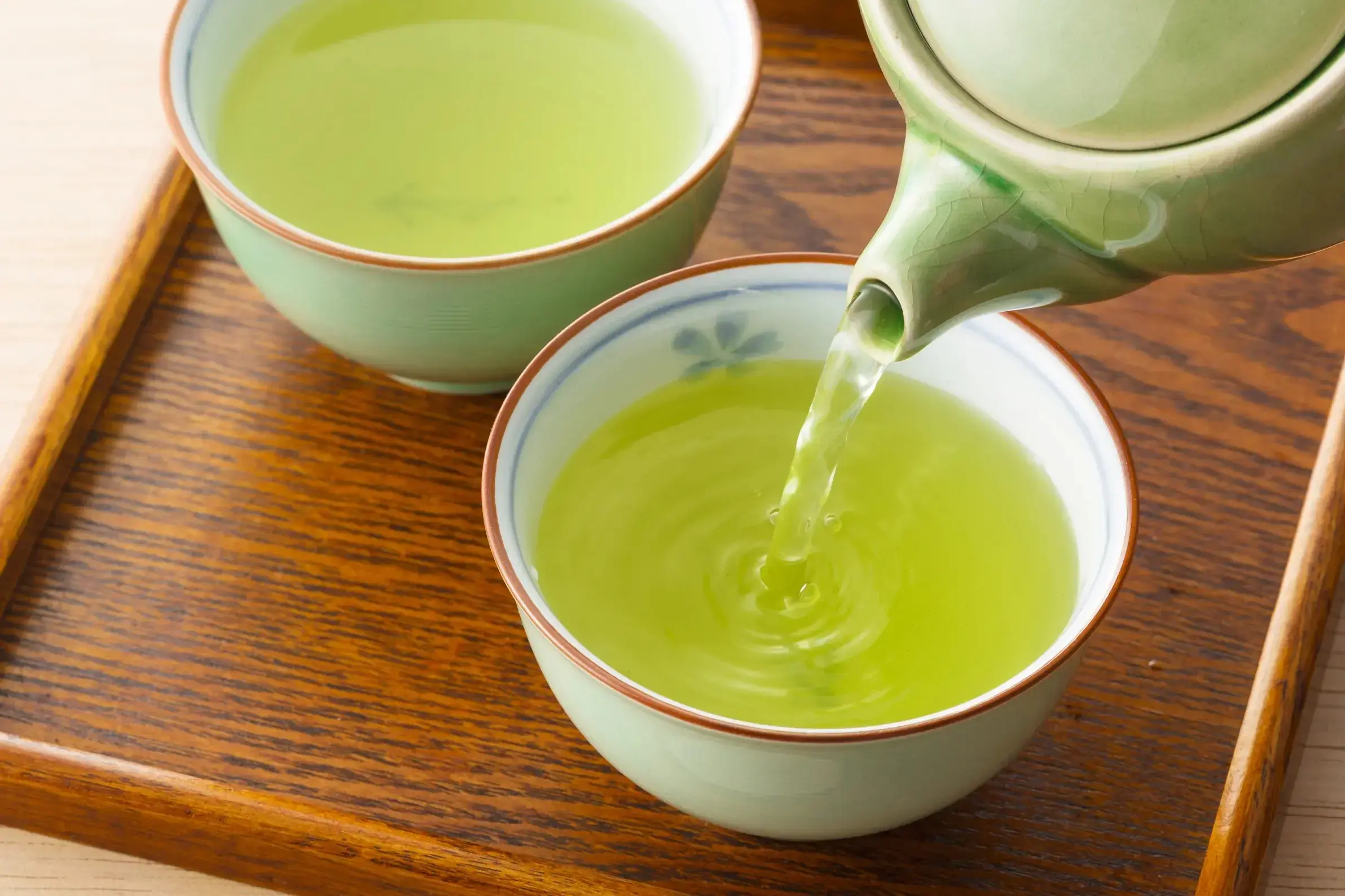
Why Tea Complements the Meal
Though not the main feature of the menu, tea plays a key role at Izakaya Nijumaru. After a meal of rich and comforting dishes, the act of sipping tea offers a moment of reflection.
Tea has long been a part of Japanese culture, often acting as a bridge between meal courses or the perfect way to cleanse the palate after heavy or richly seasoned food. At Izakaya Nijumaru, this tradition continues, though it might not immediately jump out as a central element of the experience.
Tea arrives after the meal has settled, often with little fanfare. But it’s this quiet moment where tea becomes essential. Whether you opt for a delicate green tea, a warm oolong, or something with a bit of sweetness like matcha, tea helps clear the richness of braised pork or the boldness of barbecued beef short rib. This pairing serves as a calming transition, allowing diners to enjoy the experience longer without feeling overwhelmed.
Why Izakaya Nijumaru Stands Out
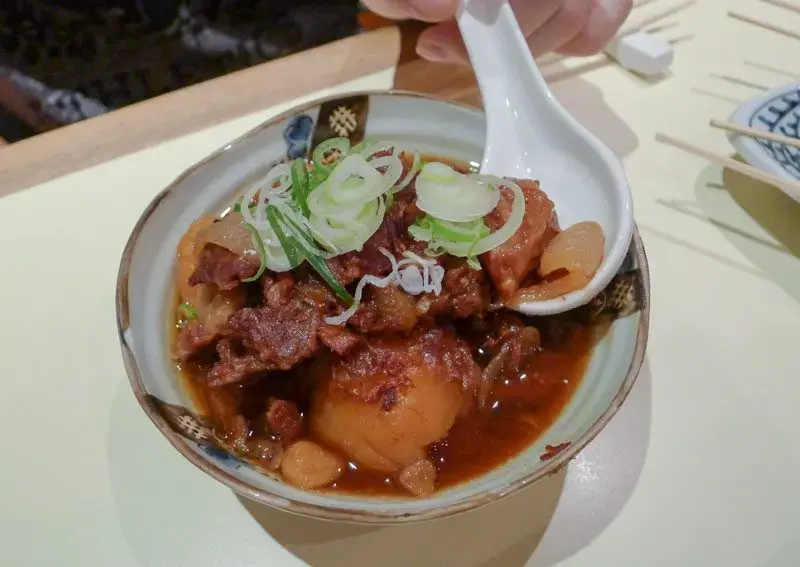
A Dining Experience Worth Returning For
The charm of Izakaya Nijumaru lies not just in the good food, but in the overall experience it offers. The restaurant doesn’t aim to impress with its décor, nor does it need to. Instead, it offers a casual, welcoming atmosphere where food is the focus, and the pacing of the meal allows for moments of pause—often introduced through the simple act of serving tea.
After enjoying tempura, katsu, and skewered delights, a cup of tea brings everything together. Many visitors have shared positive comments on various review pages, often accompanied by pictures that capture the rustic charm and hearty dishes. It's this balance that makes the meal feel more complete and satisfying. In a city like Singapore, where dining experiences often focus on instant gratification, Izakaya Nijumaru slows things down, allowing you to savour each bite and sip.
Conclusion: Tea as the Perfect End to the Meal
While Izakaya Nijumaru may not be famous for its tea list, it doesn’t have to be. In a restaurant that focuses on hearty, satisfying food, the presence of tea provides a necessary pause that completes the dining experience. From the bustling sushi bar to the set meals, the energy of the restaurant flows seamlessly into moments of quiet reflection with tea.
At Izakaya Nijumaru, the food is good, the atmosphere is casual, and the tea offers a calming finish that brings everything together. If you’re looking for a Japanese restaurant where you can experience good food and thoughtful tea pairings, this hidden gem in Cuppage Plaza might just be your next favourite spot.

Is Tea Acidic? Understanding Tea Acidity and What It Means for Tea Drinkers
One of the most common questions among both new and experienced tea drinkers is surprisingly simple: is tea acidic? The answer is yes, but the reality is far more nuanced than a simple yes or no. Most teas fall on the mildly acidic side of the pH scale, yet they are generally far less acidic…
-
The Best Tea Sessions Are Usually Unplanned
Some of the most memorable tea sessions begin without intention. No special occasion. No carefully selected tea ware. No plan to spend an afternoon appreciating tea. Someone simply puts water on to boil. A tea is chosen almost absentmindedly. Cups are found. The tea is poured. And somehow, those sessions often become the ones we…
-
A Guide to the Wedding Tea Ceremony in Singapore: Tradition, Family, and Meaning
I still remember the morning of my older sister’s wedding day. We were packed into my parents’ flat, and the sticky humidity in the air was intense, even with the air conditioning running on full blast. Amidst the loud laughter and the fun of the morning gatecrash, everything suddenly slowed down. I watched her kneel…
-
Why Tea Gifts Always Feel More Personal
There are easier gifts to buy than tea. Gift cards, flowers, candles. They require very little thought. Most people will appreciate them, and if they don’t, no real harm is done. Tea feels different. Giving someone tea involves a small act of interpretation. You are making a quiet guess about what they might enjoy. Something…
-
Wabi Sabi Meaning: Discovering Beauty in Imperfection
Singapore is famous for its spotless streets, impressive glass towers, and a culture that constantly celebrates the new-be it design trends, the latest matcha drinks, or the next “perfect place” for brunch. For a long time, I bought into this idea of curated perfection. My home had to be pristine, my days measured for maximum…
-
The Strange Pressure to Understand Every Tea Immediately
Tea drinkers do something interesting. When trying a new tea, many immediately begin searching for the “correct” tasting notes. Floral. Roasted. Fruity. Mineral. Someone takes a sip and suddenly feels pressure to identify every subtle characteristic as though there is a right answer hidden somewhere inside the cup. And if the tea feels confusing at…
-
Tea Ceremony: The Hidden Meaning Behind Small Gestures
My first tea ceremony singapore experience left me more worried about etiquette than soaking in the moment. Surrounded by seasoned guests, I focused on getting every gesture right, how to bow, how to hold the cup, afraid of missing some point that makes tea culture here so unique. Looking back, I missed how these small…
-
Why Tea Always Feels More Honest Than Coffee
This might be slightly controversial, but tea has always felt more honest to me than coffee. Coffee often arrives with ambition. Productivity. Hustle culture. The promise that after one cup, you will suddenly become more awake, more focused, more efficient. Tea asks for much less. It doesn’t demand transformation. It simply sits beside you quietly….

Wildseed Cafe Singapore: A Garden Escape for Tea Lovers
Sometimes, you just need to get out of the concrete city jungle and bask in nature. Last weekend, I was craving a quiet afternoon away from the chaotic mall crowds, so I made a reservation at Wildseed Cafe Singapore. Tucked away in the precincts of Seletar Aerospace Park within The Summerhouse, this multi concept restaurant…

Not Every Expensive Tea Is Actually Better
Tea drinkers rarely say this out loud. But many have probably thought it at least once. Sometimes an expensive tea tastes… fine. Not extraordinary. Not life-changing. Just fine. And yet modern tea culture often treats expensive tea as though it automatically deserves deeper admiration. A rare mountain harvest. Ancient tea trees. A tea produced in…