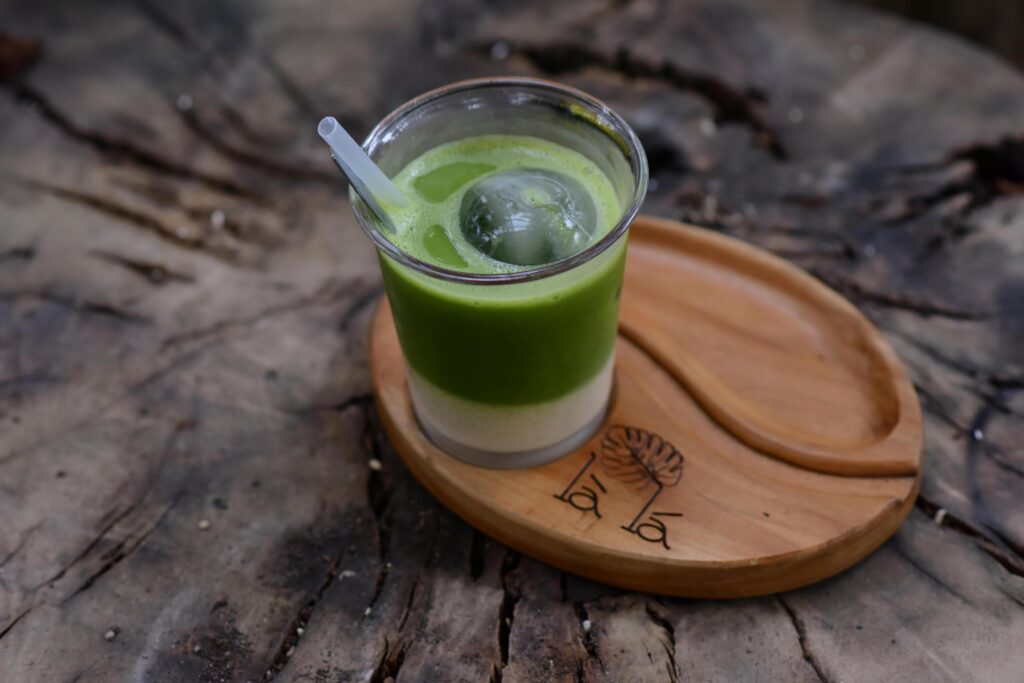
Matcha is everywhere. In smoothies, lattes, ice cream, even in brownies. It’s the trendiest ingredient right now, and it’s easy to get swept up in the hype.
But is it really as magical as they say?
When matcha first became popular, it was celebrated for its health benefits: antioxidants, boosting metabolism, improving focus. Suddenly, everyone had a matcha latte in hand. But here’s the thing—not all matcha is created equal.
The matcha used in Japanese tea ceremonies is carefully grown and processed to provide a rich, smooth taste. What you often find in your local café, however, is matcha that’s blended with sugar, milk, and flavorings, masking the real essence of the tea.
It’s easy to fall for the vibrant green color and trendy image, but let’s be real: matcha isn’t for everyone. Its earthy, slightly bitter taste can be an acquired one. And that’s okay.
Not every trend needs to be followed. Tea is about presence, not perfection. When made with care, matcha can offer unique health benefits, but its popularity shouldn’t overshadow its cultural significance.
So, the next time you enjoy a matcha latte, take a moment to appreciate its history. It’s not just a drink; it’s a cultural phenomenon wrapped in green powder.
— Maria Tan
On tea, culture, and everyday rituals.

To the Tea Lovers and the Tea That Holds Us
I want to write a letter, not to anyone in particular, but to the quiet ritual that has accompanied so many of our days. To the tea in our cups and to the people who take the time to notice it. Tea is patient. It waits for us when we are rushing. It sits quietly…
-
What Is Rooibos Tea: Red Gold in Your Cup, the Science and Benefits
There is a certain hour when the day loosens its grip. The coffee has long gone cold. Black tea feels like too much. And yet the kettle still calls, because the ritual matters more than the caffeine. This is where rooibos often arrives. A deep russet red pouring into the cup, warm and unhurried, carrying…
-
The Cup I Always Return To
There is one tea I always return to, even after tasting countless others. It is not rare. It is not expensive. The leaves are ordinary, the aroma familiar. And yet, it has a way of anchoring me, no matter the day or the mood. I first drank it years ago, during a week that felt…
-
Where to Buy Turkish Tea: Finding Authentic Çay for the True Turkish Tea Experience
The first time I understood Turkish tea, I was not drinking it in a café. I was standing in a small shop, watching a man refuse to sell me the wrong thing. I had pointed at a shiny box of flavoured black tea, and he shook his head, quietly, the way someone corrects a friend…
-
Why Tea Might Be the Break You Didn’t Know You Needed
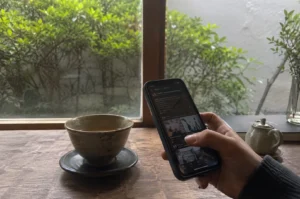
Scrolling through my feed this morning, I realized how easy it is to forget what a quiet moment feels like. Notifications, stories, messages- they all seem to arrive at once, asking for attention I don’t always want to give. And yet, in the middle of it, I poured myself a cup of tea. It wasn’t…
-
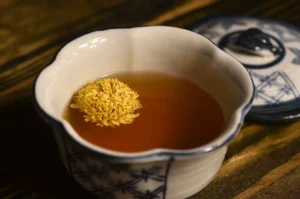
A Golden Sip of Serenity chrysanthemum tea
There is a pot on many kitchen tables in Singapore that no one talks about much. Pale yellow gold in the glass, with a few small chrysanthemum flowers or flower buds drifting at the bottom. It appears after a heavy meal, at a grandmother’s house, or in a hawker centre when the weather turns unbearable….
-
Tea in a Scrollable World
I often think about how tea fits into a world that moves as fast as ours does. Every day, there are notifications, updates, trends, and posts competing for attention. Memes, videos, tweets, they all demand a response, a like, a share. It is a constant motion that leaves very little space for pause. And then…
-
Marriott High Tea 1 for 1: Indulge in Luxury at Singapore Marriott Tang Plaza Hotel
I almost didn’t go. Hotel afternoon tea always felt like something you did for a birthday or a special occasion with loved ones, or when a relative flew in and you wanted to seem like you had your life together. Expensive. A little performative. The kind of thing you photograph more than you eat. If…
-
Why Some Teas Feel Like Company
I’ve always thought of tea as a companion of sorts. Not a person, not a friend, but something that sits quietly beside you while the day moves forward. A cup of tea doesn’t interrupt your thoughts. It doesn’t demand attention. It simply exists, warm and steady, while you figure out what comes next. Some teas…
-
A Refined Afternoon Tea Experience at the Pan Pacific Atrium High Tea
Pan Pacific Atrium High Tea is the afternoon tea experience at the Atrium Lounge in Pan Pacific Singapore: a refined, unhurried sitting with TWG tea or Lavazza coffee, elegant seating pods above the reflection pool, and a menu that pairs classic English tea traditions with Peranakan flavours. For couples, friends, families, and tea lovers looking…