I have a confession.
I am slightly tired of seeing matcha everywhere.
Not because I dislike matcha. In fact, I drink it quite often. But there is something amusing about watching a humble tea become the centre of every café menu, wellness conversation, and social media trend.
Matcha has gone from a traditional Japanese tea to a global personality.
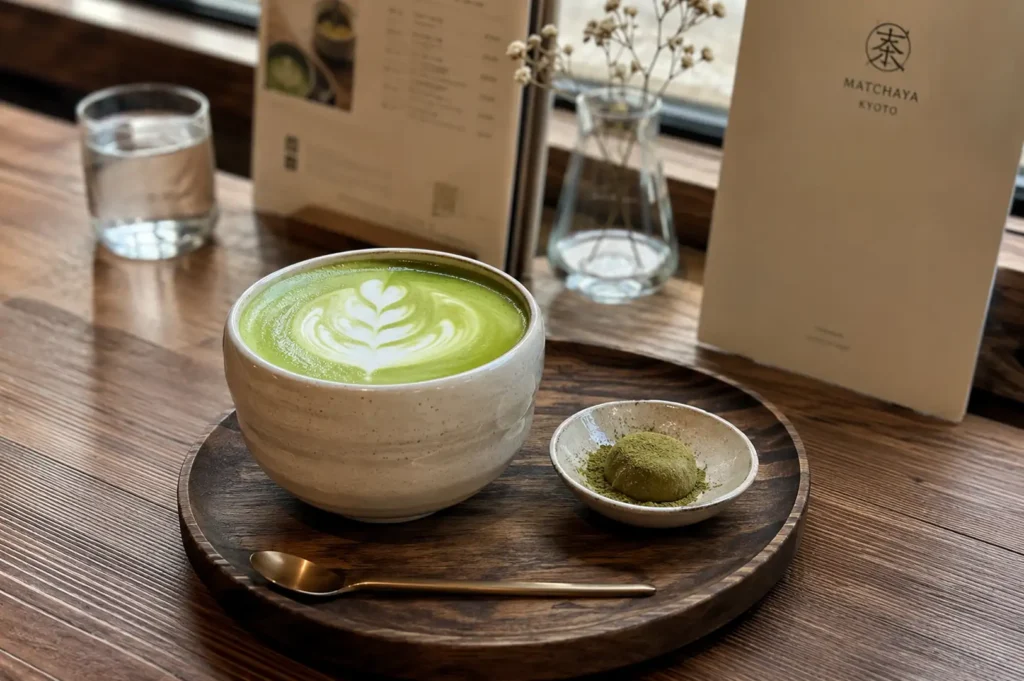
It is now a latte. A dessert. A smoothie. A soft serve flavour. A lifestyle choice.
Somewhere along the way, matcha stopped being just something we drink and became something we identify with.
And honestly, I understand why.
There is something beautiful about matcha. The colour alone draws you in. The preparation feels intentional. The taste is unlike most other teas, with its earthy bitterness, gentle sweetness, and unmistakable character.
But I sometimes wonder if we have taken the trend a little too far.
Today, matcha is often treated as though it can do everything. It is the drink for focus. The drink for wellness. The drink for productivity. The drink that somehow makes your morning routine look more put together.
Sometimes I think we have forgotten that matcha is still just tea.
A wonderful tea, but still tea.
I have had incredible matcha experiences. The kind where the flavour feels balanced and the preparation feels almost meditative. I have also had matcha drinks where the tea itself was buried under sugar, milk, and toppings until the original character disappeared completely.
And perhaps that is where the conversation becomes interesting.
Does enjoying modern matcha drinks take away from its tradition?
I don’t think so.
Tea has always changed as it travels. Different cultures have adapted tea to their own preferences. Adding milk, sugar, spices, or new preparation methods is not something new. It is part of how tea survives.
The concern is not that matcha has evolved.
The concern is whether we still remember where it came from.
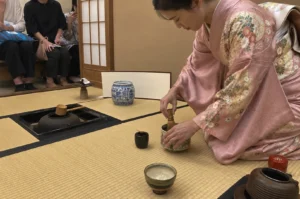
Behind every bright green latte is a tea with history. There are farmers who cultivate the leaves carefully. There are traditions that treat matcha preparation as an act of attention and respect.
Knowing that does not mean we cannot enjoy a matcha dessert or an iced matcha latte.
It simply means we can appreciate both versions.
The traditional and the modern.
The quiet tea room and the busy café counter.
The carefully whisked bowl of matcha and the drink we pick up on the way to work.
Maybe the real problem is not that matcha became popular.
Maybe the problem is when we stop being curious about why we loved it in the first place.
So yes, I think the matcha hype has gone a little too far.
And yes, I will probably still order a matcha latte tomorrow.
Because sometimes enjoying tea also means accepting that we are allowed to love it in imperfect ways.
— Maria Tan
On tea, culture, and everyday rituals.

A Guide to the Wedding Tea Ceremony in Singapore: Tradition, Family, and Meaning
I still remember the morning of my older sister’s wedding day. We were packed into my parents’ flat, and the sticky humidity in the air was intense, even with the air conditioning running on full blast. Amidst the loud laughter and the fun of the morning gatecrash, everything suddenly slowed down. I watched her kneel…
-
Why Tea Gifts Always Feel More Personal
There are easier gifts to buy than tea. Gift cards, flowers, candles. They require very little thought. Most people will appreciate them, and if they don’t, no real harm is done. Tea feels different. Giving someone tea involves a small act of interpretation. You are making a quiet guess about what they might enjoy. Something…
-
Wabi Sabi Meaning: Discovering Beauty in Imperfection
Singapore is famous for its spotless streets, impressive glass towers, and a culture that constantly celebrates the new-be it design trends, the latest matcha drinks, or the next “perfect place” for brunch. For a long time, I bought into this idea of curated perfection. My home had to be pristine, my days measured for maximum…
-
The Strange Pressure to Understand Every Tea Immediately
Tea drinkers do something interesting. When trying a new tea, many immediately begin searching for the “correct” tasting notes. Floral. Roasted. Fruity. Mineral. Someone takes a sip and suddenly feels pressure to identify every subtle characteristic as though there is a right answer hidden somewhere inside the cup. And if the tea feels confusing at…
-
Tea Ceremony: The Hidden Meaning Behind Small Gestures
My first tea ceremony singapore experience left me more worried about etiquette than soaking in the moment. Surrounded by seasoned guests, I focused on getting every gesture right, how to bow, how to hold the cup, afraid of missing some point that makes tea culture here so unique. Looking back, I missed how these small…
-
Why Tea Always Feels More Honest Than Coffee
This might be slightly controversial, but tea has always felt more honest to me than coffee. Coffee often arrives with ambition. Productivity. Hustle culture. The promise that after one cup, you will suddenly become more awake, more focused, more efficient. Tea asks for much less. It doesn’t demand transformation. It simply sits beside you quietly….

Wildseed Cafe Singapore: A Garden Escape for Tea Lovers
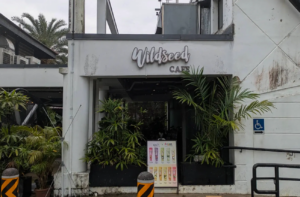
Sometimes, you just need to get out of the concrete city jungle and bask in nature. Last weekend, I was craving a quiet afternoon away from the chaotic mall crowds, so I made a reservation at Wildseed Cafe Singapore. Tucked away in the precincts of Seletar Aerospace Park within The Summerhouse, this multi concept restaurant…

Not Every Expensive Tea Is Actually Better
Tea drinkers rarely say this out loud. But many have probably thought it at least once. Sometimes an expensive tea tastes… fine. Not extraordinary. Not life-changing. Just fine. And yet modern tea culture often treats expensive tea as though it automatically deserves deeper admiration. A rare mountain harvest. Ancient tea trees. A tea produced in…

The Quiet Difference Between Muslim-Owned Cafés and MUIS-Certified Halal High Tea Spots in Singapore
I remember wandering down Arab Street years ago, searching for a quiet café where I could settle into an afternoon of coffee, tea, and conversation. I found a minimalist little space filled with delicate pastries and beautiful dessert displays, but hesitation quietly crept in as I began wondering about alcohol-based syrups, gelatin, and whether the…
-
Why Tea Shops Always Feel Slightly Different From Cafés
I’ve noticed something interesting over the years. People behave differently in tea shops. Not dramatically different, of course. No one suddenly becomes wiser the moment tea is poured. But the atmosphere tends to shift in subtle ways. Conversations slow down. Phones appear less often. Even silence feels more comfortable somehow. Tea shops carry a different…