I have a confession.
I am slightly tired of seeing matcha everywhere.
Not because I dislike matcha. In fact, I drink it quite often. But there is something amusing about watching a humble tea become the centre of every café menu, wellness conversation, and social media trend.
Matcha has gone from a traditional Japanese tea to a global personality.
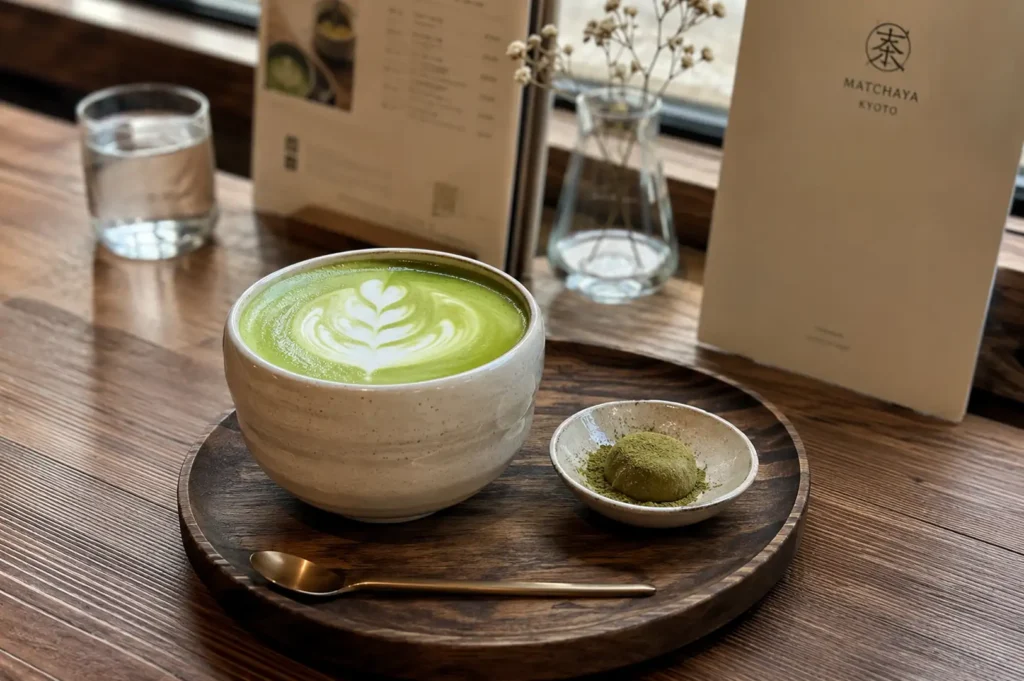
It is now a latte. A dessert. A smoothie. A soft serve flavour. A lifestyle choice.
Somewhere along the way, matcha stopped being just something we drink and became something we identify with.
And honestly, I understand why.
There is something beautiful about matcha. The colour alone draws you in. The preparation feels intentional. The taste is unlike most other teas, with its earthy bitterness, gentle sweetness, and unmistakable character.
But I sometimes wonder if we have taken the trend a little too far.
Today, matcha is often treated as though it can do everything. It is the drink for focus. The drink for wellness. The drink for productivity. The drink that somehow makes your morning routine look more put together.
Sometimes I think we have forgotten that matcha is still just tea.
A wonderful tea, but still tea.
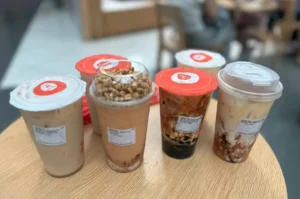
I have had incredible matcha experiences. The kind where the flavour feels balanced and the preparation feels almost meditative. I have also had matcha drinks where the tea itself was buried under sugar, milk, and toppings until the original character disappeared completely.
And perhaps that is where the conversation becomes interesting.
Does enjoying modern matcha drinks take away from its tradition?
I don’t think so.
Tea has always changed as it travels. Different cultures have adapted tea to their own preferences. Adding milk, sugar, spices, or new preparation methods is not something new. It is part of how tea survives.
The concern is not that matcha has evolved.
The concern is whether we still remember where it came from.
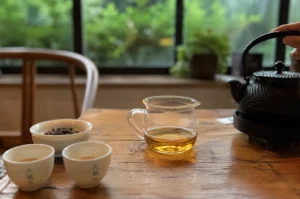
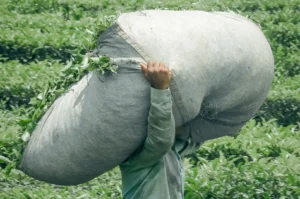
Behind every bright green latte is a tea with history. There are farmers who cultivate the leaves carefully. There are traditions that treat matcha preparation as an act of attention and respect.
Knowing that does not mean we cannot enjoy a matcha dessert or an iced matcha latte.
It simply means we can appreciate both versions.
The traditional and the modern.
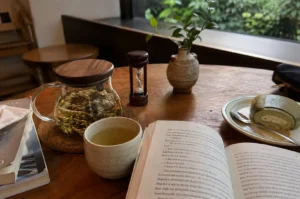
The quiet tea room and the busy café counter.
The carefully whisked bowl of matcha and the drink we pick up on the way to work.
Maybe the real problem is not that matcha became popular.
Maybe the problem is when we stop being curious about why we loved it in the first place.
So yes, I think the matcha hype has gone a little too far.
And yes, I will probably still order a matcha latte tomorrow.
Because sometimes enjoying tea also means accepting that we are allowed to love it in imperfect ways.
— Maria Tan
On tea, culture, and everyday rituals.

The Quiet Lessons a Cup of Tea Can Teach
I have often found that the simplest cup of tea carries the most subtle lessons. Not every tea moment is dramatic, ceremonial, or picturesque. Some are ordinary, even fleeting, yet they manage to teach something quietly about patience, observation, and care. Take the leaves themselves. Watching them unfurl in hot water is a small, deliberate…
-
A Journey Through Popular Bubble Tea Brands and Shops: Bubble Tea Singapore
The first time I really tasted bubble tea, I mean actually tasted it, I was standing outside a shoppers mall in the rain, waiting for a friend who was late. I had ordered something on autopilot from one of the many bubble tea shops in Singapore. But that day, without distraction, I noticed the tea…
-
Tea in a World That Never Pauses
Scrolling through my feed this morning, I realized something. We live in a world that barely stops. Notifications pile up. Videos play automatically. Messages arrive faster than we can read them. Every surface seems to demand attention. And then there is tea. A cup of tea does not ping. It does not scroll. It does…
-
From Plantation to Cup: The Journey of Sri Lanka’s Black Tea Pekoe
Black tea pekoe is all about whole-leaf black tea made from those long leaves and buds, usually the youngest ones right near the shoot tips. And when you hear Orange Pekoe, it’s not about orange flavor at all; it’s actually the name of that grade. For tea lovers or anyone curious about quality Sri Lankan…
-
To the Tea Lovers and the Tea That Holds Us
I want to write a letter, not to anyone in particular, but to the quiet ritual that has accompanied so many of our days. To the tea in our cups and to the people who take the time to notice it. Tea is patient. It waits for us when we are rushing. It sits quietly…
-
What Is Rooibos Tea: Red Gold in Your Cup, the Science and Benefits
There is a certain hour when the day loosens its grip. The coffee has long gone cold. Black tea feels like too much. And yet the kettle still calls, because the ritual matters more than the caffeine. This is where rooibos often arrives. A deep russet red pouring into the cup, warm and unhurried, carrying…
-
The Cup I Always Return To
There is one tea I always return to, even after tasting countless others. It is not rare. It is not expensive. The leaves are ordinary, the aroma familiar. And yet, it has a way of anchoring me, no matter the day or the mood. I first drank it years ago, during a week that felt…
-
Where to Buy Turkish Tea: Finding Authentic Çay for the True Turkish Tea Experience
The first time I understood Turkish tea, I was not drinking it in a café. I was standing in a small shop, watching a man refuse to sell me the wrong thing. I had pointed at a shiny box of flavoured black tea, and he shook his head, quietly, the way someone corrects a friend…
-
Why Tea Might Be the Break You Didn’t Know You Needed
Scrolling through my feed this morning, I realized how easy it is to forget what a quiet moment feels like. Notifications, stories, messages- they all seem to arrive at once, asking for attention I don’t always want to give. And yet, in the middle of it, I poured myself a cup of tea. It wasn’t…
-
A Golden Sip of Serenity chrysanthemum tea
There is a pot on many kitchen tables in Singapore that no one talks about much. Pale yellow gold in the glass, with a few small chrysanthemum flowers or flower buds drifting at the bottom. It appears after a heavy meal, at a grandmother’s house, or in a hawker centre when the weather turns unbearable….