I think milk tea deserves a little more respect.
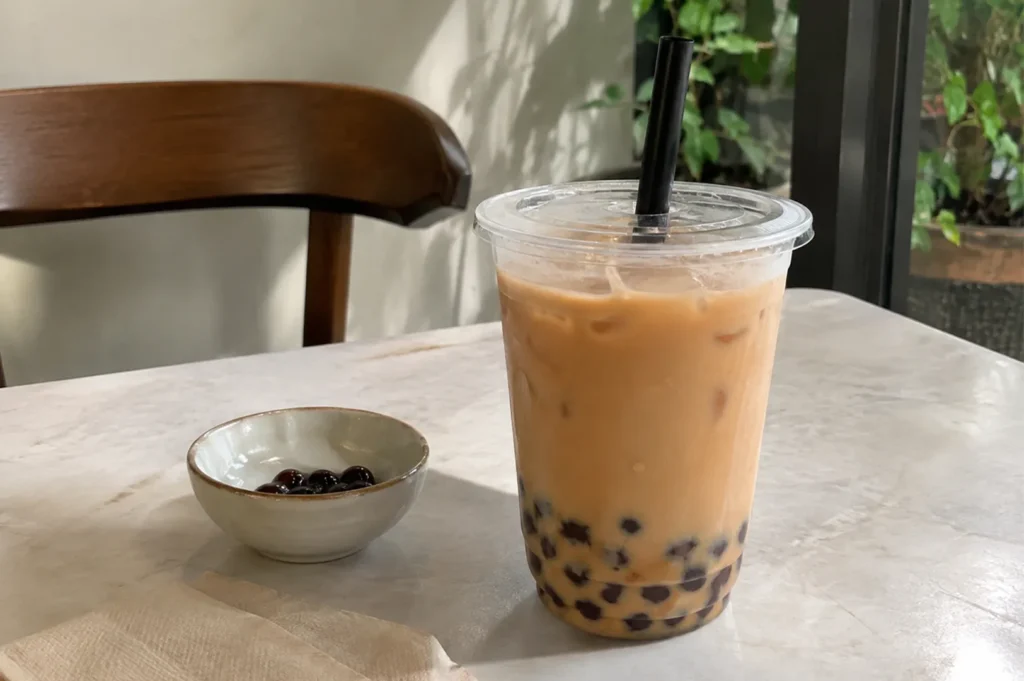
Not because it needs to become expensive or sophisticated, but because we’ve somehow accepted that milk tea is supposed to be sweet, colourful, and filled with enough toppings to qualify as dessert.
And honestly, I enjoy a good bubble tea.
There’s something fun about choosing your sweetness level, adding pearls, and walking around with a drink that feels more like a treat than an afternoon refreshment.
But sometimes I wonder whether we’ve forgotten about the tea itself.
Because milk tea can be genuinely beautiful when someone pays attention to what goes into it.
A strong Assam with milk can have a wonderful malty richness. A carefully prepared Hong Kong-style milk tea balances robust tea with a smooth, creamy texture. Even a simple cup of milk tea at home can feel surprisingly satisfying when neither the milk nor the sweetness overwhelms everything else.
None of these needs an elaborate presentation.
Just a little thought.
What bothers me about some modern milk tea shops is how much effort seems to go into creating the next exciting flavour, while the actual tea becomes almost an afterthought.
More toppings. More syrups. More combinations that sound impressive on a menu.
But what if the most interesting thing a milk tea shop could offer was simply a really good cup of milk tea?
I don’t think elegance has to mean fine china, expensive ingredients, or a café that takes itself too seriously.
Sometimes elegance is knowing when to stop adding things.
Of course, there’s room for playful drinks. Fruit jellies, brown sugar pearls, and creamy toppings have their own appeal, and I wouldn’t want milk tea culture to lose that creativity.
I just wish more shops treated the tea base with the same enthusiasm they give everything else.
After all, milk tea has a rich place in everyday drinking traditions, from Hong Kong cafés to South Asian households and Singapore’s own kopi tiam culture.
It doesn’t need to borrow sophistication from somewhere else.
Maybe it simply needs us to notice what was already there.
A good tea. The right balance. A cup worth enjoying even without the extras.
That sounds pretty elegant to me.
— Maria Tan
On tea, culture, and everyday rituals.

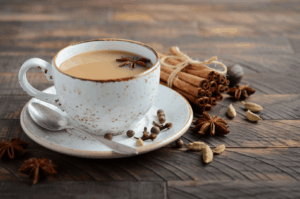
Masala Chai Origins: The Cultural Evolution of India’s Spiced Tea Tradition
The rhythmic clanging of metal kettles echoes through narrow lanes as steam rises from countless chai stalls across India. The intoxicating aroma of cardamom, cinnamon, and fresh ginger mingles with robust black tea, creating an olfactory symphony that has captivated souls for centuries. This is masala chai-not merely a beverage, but a cultural phenomenon that…
-
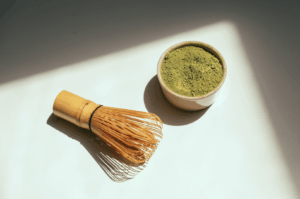
Matcha Tea: The Versatile Japanese Green Tea Powder
The vibrant green powder that transforms simple hot water into liquid jade has captivated tea enthusiasts worldwide. Matcha tea represents more than just a trendy beverage-it’s a bridge connecting ancient Japanese traditions with modern culinary innovation. This unique form of powdered green tea offers endless possibilities, from meditative ceremonial drinking to creative kitchen applications that…
-
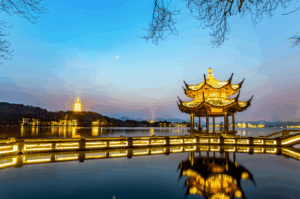
The Dragon Well Legacy: Exploring China’s Legendary Longjing Tea
Among the world’s most revered green teas, few carry the prestige and cultural significance of China’s legendary Dragon Well. This premium tea has captivated tea enthusiasts for centuries, earning its place as an imperial favourite and modern icon alike. From its mystical origins at West Lake to its meticulous processing methods, Longjing represents the pinnacle…