This is not an argument about preference.
It is a question about naming.
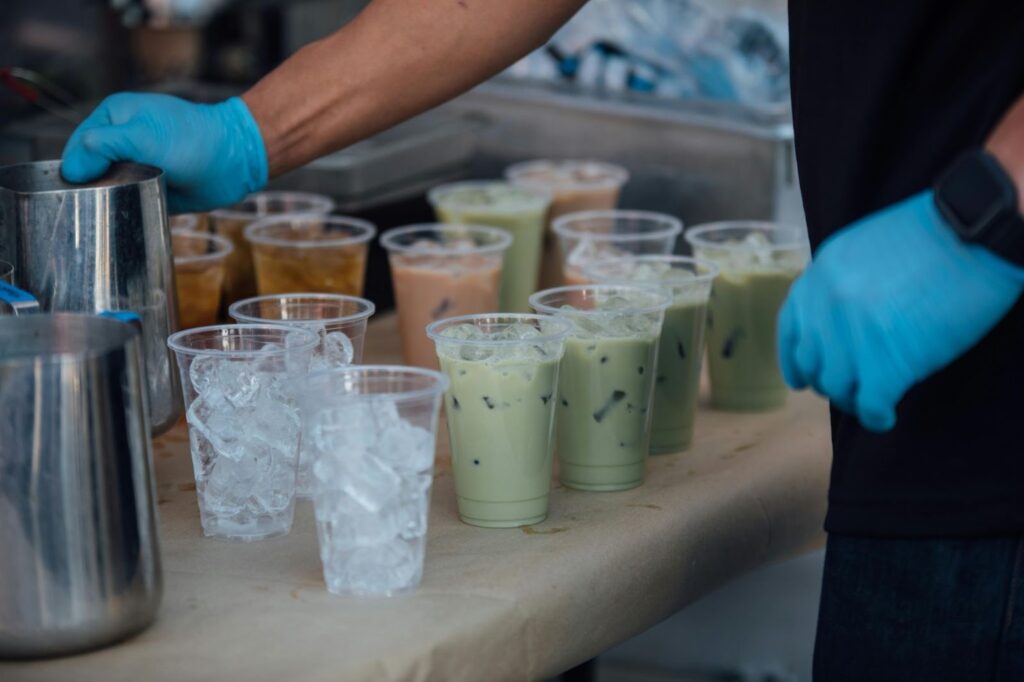
Milk tea is everywhere now. It travels in oversized cups, sealed with plastic film. It arrives layered with foam, syrup, pearls, jelly, whipped cream. It is photographed before it is tasted. It is queued for. It is branded.
It is loved.
But it is not tea in the way tea has long been understood.
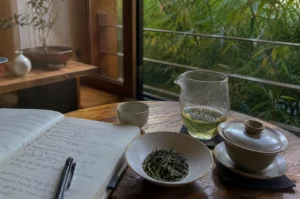
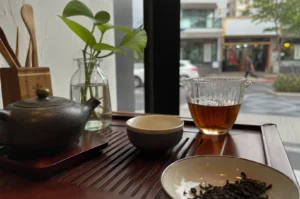
Tea, at its core, is leaf and water.
It is an interaction between temperature, timing, and attention. It asks for patience. It changes subtly between infusions. It rewards stillness. The leaf is central. Everything else is secondary.
Milk tea shifts that hierarchy.
Sugar becomes dominant. Texture becomes spectacle. Toppings become personality. The leaf recedes into background function, present but no longer leading. The drink becomes assembled rather than brewed.
There is nothing wrong with sweetness. There is nothing wrong with invention. Culinary cultures evolve. New forms emerge.
But not every derivative needs to inherit the original name without examination.
When tea becomes a carrier for syrup and starch, it moves away from ritual and toward product. It prioritises customization over contemplation. The experience becomes about choice and volume rather than infusion and restraint.
The distinction matters.
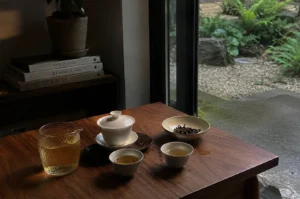
Historically, tea carried structure. Whether in a Japanese tea room or a Chinese Gongfu gathering, the focus remained on the leaf. Milk, when added in certain traditions, supported the tea. It did not eclipse it.
Modern milk tea often reverses this balance.
The flavour of tea is frequently muted to accommodate sugar. Ice dilutes what remains. The drink is consumed quickly, through a wide straw, designed for speed rather than aroma.
Tea was never meant to be rushed.
This is not nostalgia. It is clarification.
Milk tea is a beverage inspired by tea. It borrows its name, its colour, its base. But culturally and experientially, it operates differently. It belongs to convenience, to customization, to movement.
Tea belongs to pause.
Both can exist. Both can be enjoyed. But they are not interchangeable.
When everything is called tea, the meaning of tea thins.
And perhaps the quiet leaf deserves its own space again.
With quiet regard,
N. P. Lim

Why We Secretly Judge Tea Shops by Their Music
I never thought much about music in tea shops, until I started noticing patterns. The tea is brewed, the cups are warm, and the aroma drifts through the room. But then the music starts, and suddenly, the entire experience changes. Some shops play classical or soft jazz. Conversations linger. Sips are slow. Even the tea…
-
The Best Everyday and Gift-Worthy Blends from Gryphon Tea Singapore
I have a small confession. For the longest time, I treated tea like a background character in my day. It was just the thing I gulped between meetings, barely tasting it. Then a friend handed me a proper cup one quiet afternoon, and I finally slowed down enough to notice the aroma, the warmth, the…
-
We Talk Too Much About Tea and Not Enough About Drinking It
Tea culture has become remarkably good at talking about tea. We discuss origins. Elevation. Harvest seasons. Processing methods. Water temperatures. Brewing vessels. There are endless conversations about tea. And yet I sometimes wonder whether we spend enough time simply drinking it. This may sound like an odd criticism coming from someone who enjoys learning about…
-
High Tea St Regis: A Grand Afternoon Ritual at Regis Singapore
The light in the late afternoon does something quiet to a room. It softens. It lingers on the rim of a porcelain cup in the elegant Tea Room, slides along the curve of a silver pot, and settles into the folds of a linen napkin without asking for attention. There is a stillness here, the…
-
Why We Keep Looking for the Perfect Tea
I used to think there would be a moment when my tea journey felt complete. A tea so good that I would stop searching. A tea that would make every other tea feel unnecessary. Years later, I can confidently say that moment has never arrived. And I’m starting to think that’s the point. Tea drinkers…
-
Darjeeling First Flush: Capturing the Himalayan Spring in a Teacup
I still remember the first time someone handed me a cup of Darjeeling First Flush, a prized form of black tea, and asked me, quite seriously, not to add milk. I almost laughed. Tea without milk felt like toast without butter. But I humored my friend, took a sip, and paused. The liquid was pale…
-
What Kopi and Tea Say About Singapore
One of the things I love most about Singapore is that we never really chose between kopi and tea. We kept both. Walk into almost any hawker centre or coffee shop and you’ll see it immediately. One person orders kopi-o. Another asks for teh-c. Someone else is drinking Chinese tea from a flask they brought…
-
The Tea We Keep Saving for Later
Many tea drinkers have a tea they are saving. A special oolong purchased during a memorable trip. A rare tea gifted by a friend. A tea that feels too valuable, too limited, or too meaningful to drink casually. So it waits. Days become weeks. Weeks become months. The tea remains carefully stored while more ordinary…
-
Earl Grey Tea Benefits: What Is Earl Grey Tea and Why Has It Endured for Centuries?
Introduction Few teas are as instantly recognisable as Earl Grey tea. Even among people who do not regularly drink tea, the distinctive citrus aroma of Earl Grey often feels familiar. It appears in tea shops, cafés, afternoon tea menus, and kitchen cupboards around the world, yet many people still ask the same question: what is…
-
Can You Call Yourself a Tea Lover If You Don’t Like Matcha?
I have a confession. I don’t think every tea lover needs to love every tea. That sounds obvious when written down, but spend enough time around tea enthusiasts and you may start to think otherwise. Someone discovers that you enjoy tea. The questions begin. Do you drink green tea? What about pu-erh? Have you tried…