I have noticed that few things can start an argument among tea drinkers quite as quickly as milk.
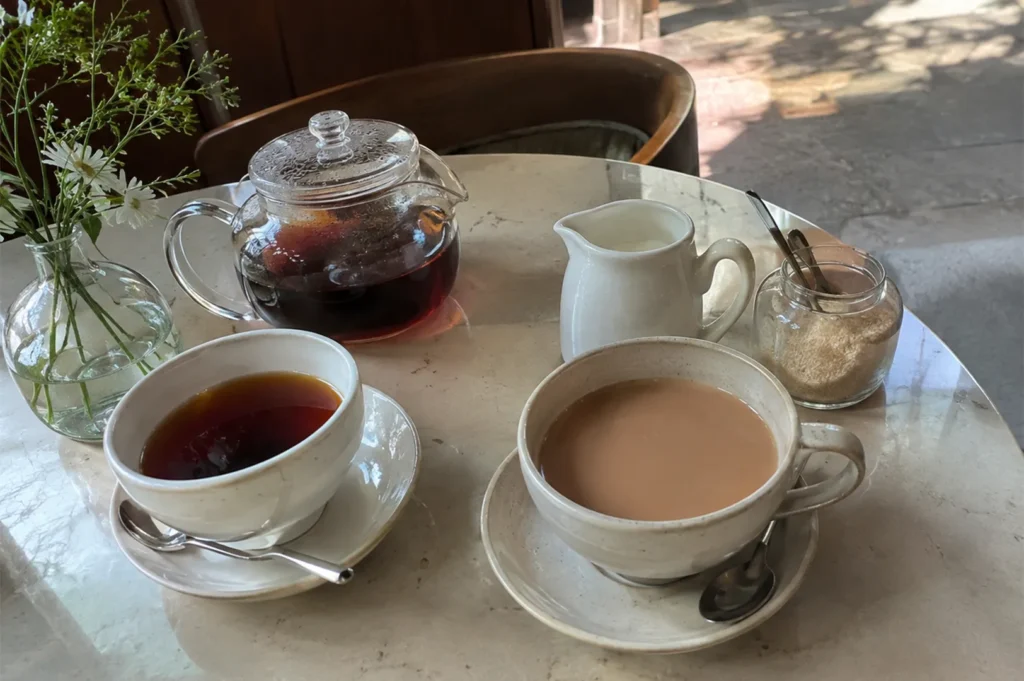
Mention adding milk to a good tea and suddenly everyone has an opinion. Some insist that milk covers the flavour of the leaves. Others will tell you that certain teas were practically made for it.
I have been on both sides of this conversation.
There are teas I would never put milk into. Not because I think it is wrong, but because I enjoy tasting what the tea is actually doing. A delicate tea can be surprisingly easy to overwhelm.
But then there are teas that seem almost happier with a little milk.
A strong black tea, for example, can become rounder and softer. A malty Assam can take milk beautifully. Even a simple breakfast tea can feel more comforting when there is a little sweetness and creaminess involved.
So why do we sometimes treat this as though one side must be right?
Tea has never belonged to one culture or one way of drinking. People have been adapting it to local tastes for centuries. Milk, sugar, spices, herbs and different brewing methods have all become part of tea traditions around the world.
Perhaps the real problem is not milk in tea.
Perhaps it is the idea that there is only one proper way to enjoy tea.
I think about this whenever someone tells me that adding milk means you do not really appreciate tea. That has always seemed strange to me.
If you enjoy your tea, surely that matters too.
Of course, there is a difference between understanding a tea and covering it up. If you spend a small fortune on a delicate tea and drown it in milk and sugar, you may not get much sense of what made those leaves interesting in the first place.
But that does not mean milk tea is somehow inferior.
Sometimes we are not trying to taste every detail.
Sometimes we just want a comforting cup.
And perhaps that is something tea lovers could agree on. Tea can be serious when we want it to be. It can also be simple, sweet, creamy, cold, hot, traditional or completely adapted to our own tastes.
The leaves do not seem particularly offended by any of this.
So, is milk ruining tea?
I suppose it depends on the tea.
And perhaps more importantly, it depends on the person drinking it.
— Maria Tan
On tea, culture, and everyday rituals.
Is milk really ruining tea? A thoughtful look at milk tea, tradition, personal taste, and why there may be more than one right way to enjoy tea.

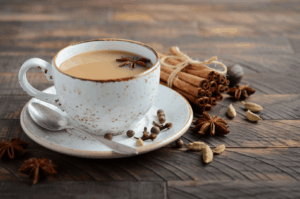
Masala Chai Origins: The Cultural Evolution of India’s Spiced Tea Tradition
The rhythmic clanging of metal kettles echoes through narrow lanes as steam rises from countless chai stalls across India. The intoxicating aroma of cardamom, cinnamon, and fresh ginger mingles with robust black tea, creating an olfactory symphony that has captivated souls for centuries. This is masala chai-not merely a beverage, but a cultural phenomenon that…
-
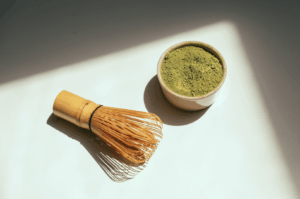
Matcha Tea: The Versatile Japanese Green Tea Powder
The vibrant green powder that transforms simple hot water into liquid jade has captivated tea enthusiasts worldwide. Matcha tea represents more than just a trendy beverage-it’s a bridge connecting ancient Japanese traditions with modern culinary innovation. This unique form of powdered green tea offers endless possibilities, from meditative ceremonial drinking to creative kitchen applications that…
-
The Dragon Well Legacy: Exploring China’s Legendary Longjing Tea
Among the world’s most revered green teas, few carry the prestige and cultural significance of China’s legendary Dragon Well. This premium tea has captivated tea enthusiasts for centuries, earning its place as an imperial favourite and modern icon alike. From its mystical origins at West Lake to its meticulous processing methods, Longjing represents the pinnacle…