There is a certain irony about tea.
The more we learn about it, the easier it becomes to complicate it.
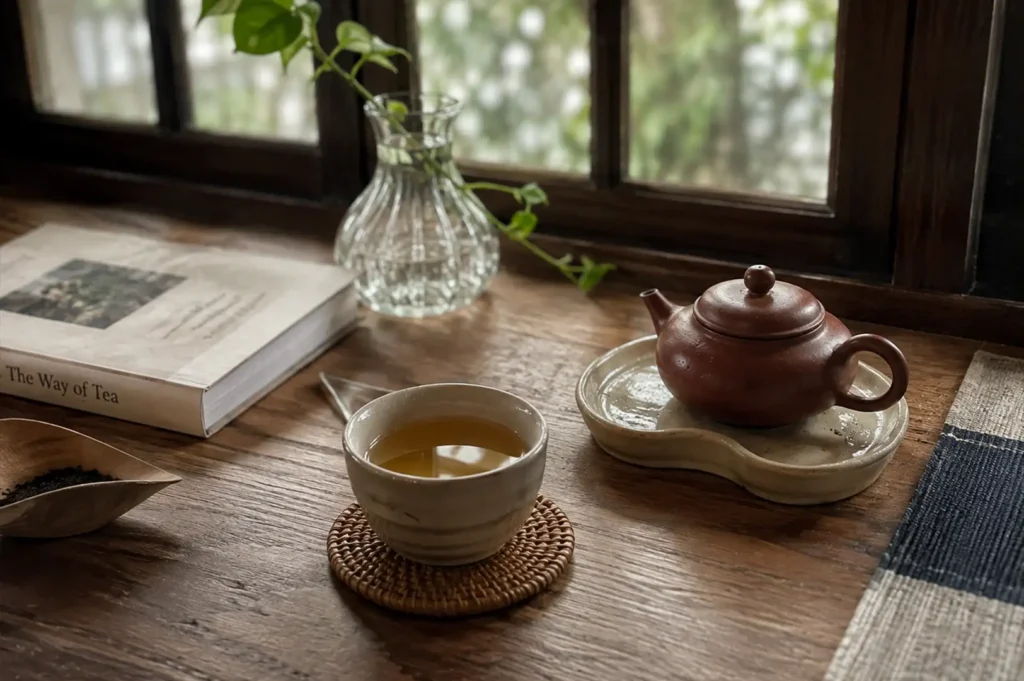
A simple cup of leaves and water slowly becomes surrounded by equipment, measurements, techniques, and expectations. We begin collecting teapots, comparing brewing methods, and searching for the perfect setup.
None of these things are wrong.
Care has always been part of tea. Attention to detail can deepen appreciation. The right vessel, the right temperature, and the right preparation can reveal something beautiful in the leaves.
But I sometimes wonder if we have forgotten that tea was never dependent on any of these things.
Before there were carefully designed tea rooms and specialised equipment, there was simply tea.
Water.
Time.
I have found that some of my most meaningful tea moments have been the simplest ones. A familiar cup in the morning. A quiet brew after a long day. A tea prepared without much thought, yet somehow arriving at exactly the right moment.
There was no perfect setup.
No elaborate ritual.
Just tea.
Perhaps this is why minimalism has always felt naturally connected to tea. Not because we need fewer things, but because we begin to notice more when there is less competing for our attention.
A simple cup allows us to focus on what is already there.
The aroma before the first sip.
The warmth of the cup in our hands.
The subtle changes in flavour as the tea cools.
These small details have always existed. We simply become better at noticing them when we stop searching for something more.
Modern tea culture sometimes encourages us to believe that better tea requires better tools. A better teapot. A better collection. A better understanding.
But perhaps better tea begins somewhere much quieter.
With better attention.
A modest tea brewed with patience can offer more satisfaction than a complicated preparation done without presence. The value of tea has never been only in the objects surrounding it. It has always been in the relationship between the drinker and the cup.
This does not mean we should abandon the beauty of tea wares or the knowledge passed down through generations. These things matter.
But they should serve the experience, not replace it.
Maybe the simplest way to drink better tea is not to add more.
Maybe it is to notice more.
With quiet regard,
N. P. Lim

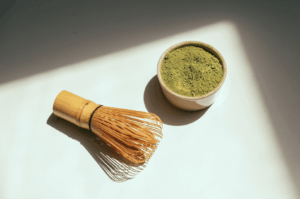
Matcha Tea: The Versatile Japanese Green Tea Powder
The vibrant green powder that transforms simple hot water into liquid jade has captivated tea enthusiasts worldwide. Matcha tea represents more than just a trendy beverage-it’s a bridge connecting ancient Japanese traditions with modern culinary innovation. This unique form of powdered green tea offers endless possibilities, from meditative ceremonial drinking to creative kitchen applications that…
-
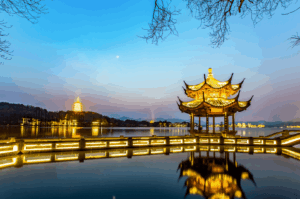
The Dragon Well Legacy: Exploring China’s Legendary Longjing Tea
Among the world’s most revered green teas, few carry the prestige and cultural significance of China’s legendary Dragon Well. This premium tea has captivated tea enthusiasts for centuries, earning its place as an imperial favourite and modern icon alike. From its mystical origins at West Lake to its meticulous processing methods, Longjing represents the pinnacle…