For a long time, I thought I was looking for the perfect tea.
I imagined there would be a moment when I found the one. The tea that made every other tea feel unnecessary. The tea I would recommend to everyone. The tea that would finally make me understand what true appreciation was supposed to feel like.
So I kept searching.
I tried different origins. Different varieties. Different brewing methods. I read descriptions, listened to recommendations, and followed the advice of people who seemed to know far more about tea than I did.
And yet, something strange happened.
The closer I got to finding the “perfect” tea, the more I realised I was enjoying the search less.
Because perfection creates pressure.
A tea arrives with a beautiful story, a rare origin, and a reputation for being exceptional. Suddenly, you feel like you should love it. You look for the reasons it is special. You try to understand what everyone else seems to notice.
Sometimes, you forget to simply ask yourself a simpler question.
Do I actually enjoy this?
I think many tea lovers experience this at some point.
We become so interested in learning that we forget to listen to our own preferences.
There is nothing wrong with exploring tea. In fact, that is one of the most exciting parts of it. Every tea has a story, and every cup offers something new to discover.
But over time, I have started to appreciate something different.
The teas I return to are not always the most impressive ones.
They are the ones that fit into my life.
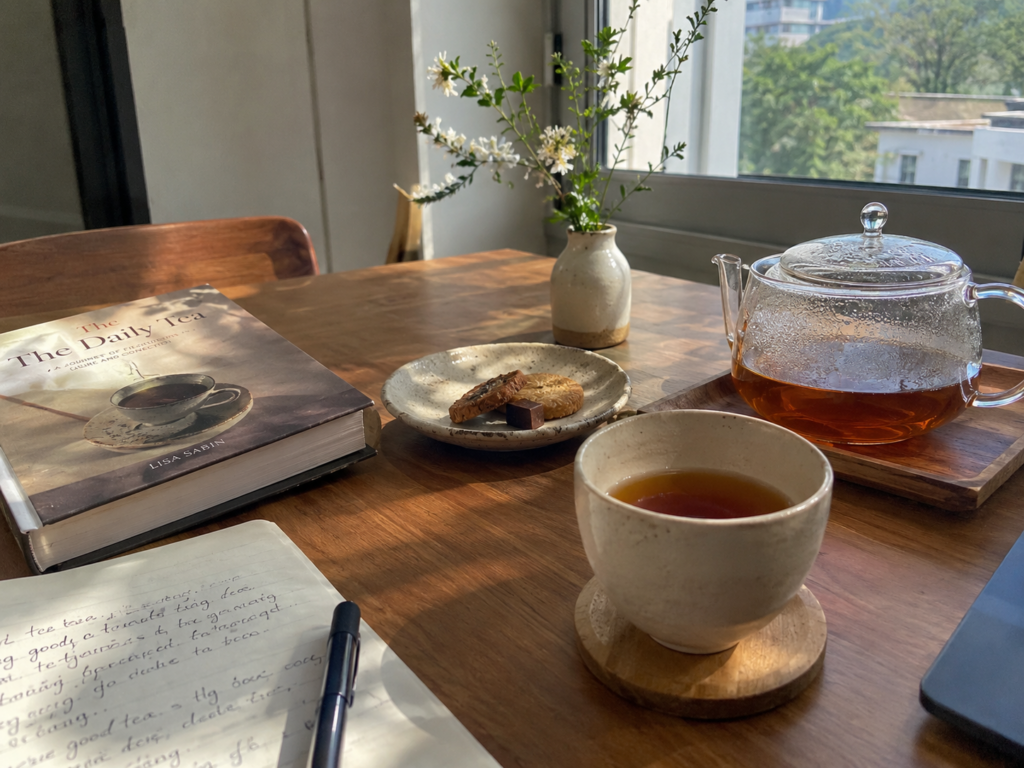
The tea I make when I wake up early.
The tea I drink while thinking through a difficult day.
The tea I share when someone comes over and we end up talking longer than expected.
These teas may not be perfect.
But they are familiar.
And perhaps familiarity is something we underestimate.
A perfect tea sounds like a destination. Something we find once and never need to search again.
But tea has never really worked that way.
Our tastes change. Our routines change. The moments we need tea for change.
The tea that feels perfect today may not be the tea we reach for next year.
And maybe that is not a problem.
Maybe the beauty of tea is that it grows with us.
So I no longer search for the perfect tea.
I look for the tea that feels right in that particular moment.
And honestly, that has been a much more enjoyable journey.
— Maria Tan
On tea, culture, and everyday rituals.

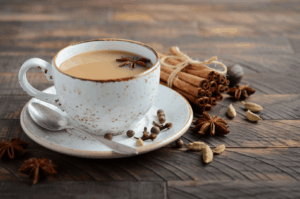
Masala Chai Origins: The Cultural Evolution of India’s Spiced Tea Tradition
The rhythmic clanging of metal kettles echoes through narrow lanes as steam rises from countless chai stalls across India. The intoxicating aroma of cardamom, cinnamon, and fresh ginger mingles with robust black tea, creating an olfactory symphony that has captivated souls for centuries. This is masala chai-not merely a beverage, but a cultural phenomenon that…
-
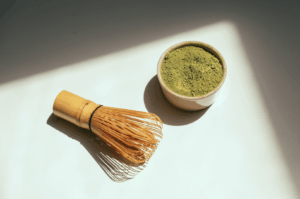
Matcha Tea: The Versatile Japanese Green Tea Powder
The vibrant green powder that transforms simple hot water into liquid jade has captivated tea enthusiasts worldwide. Matcha tea represents more than just a trendy beverage-it’s a bridge connecting ancient Japanese traditions with modern culinary innovation. This unique form of powdered green tea offers endless possibilities, from meditative ceremonial drinking to creative kitchen applications that…
-
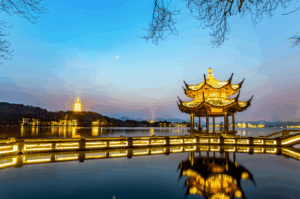
The Dragon Well Legacy: Exploring China’s Legendary Longjing Tea
Among the world’s most revered green teas, few carry the prestige and cultural significance of China’s legendary Dragon Well. This premium tea has captivated tea enthusiasts for centuries, earning its place as an imperial favourite and modern icon alike. From its mystical origins at West Lake to its meticulous processing methods, Longjing represents the pinnacle…