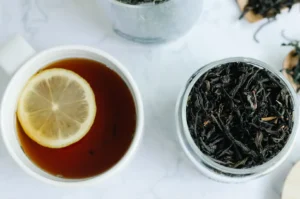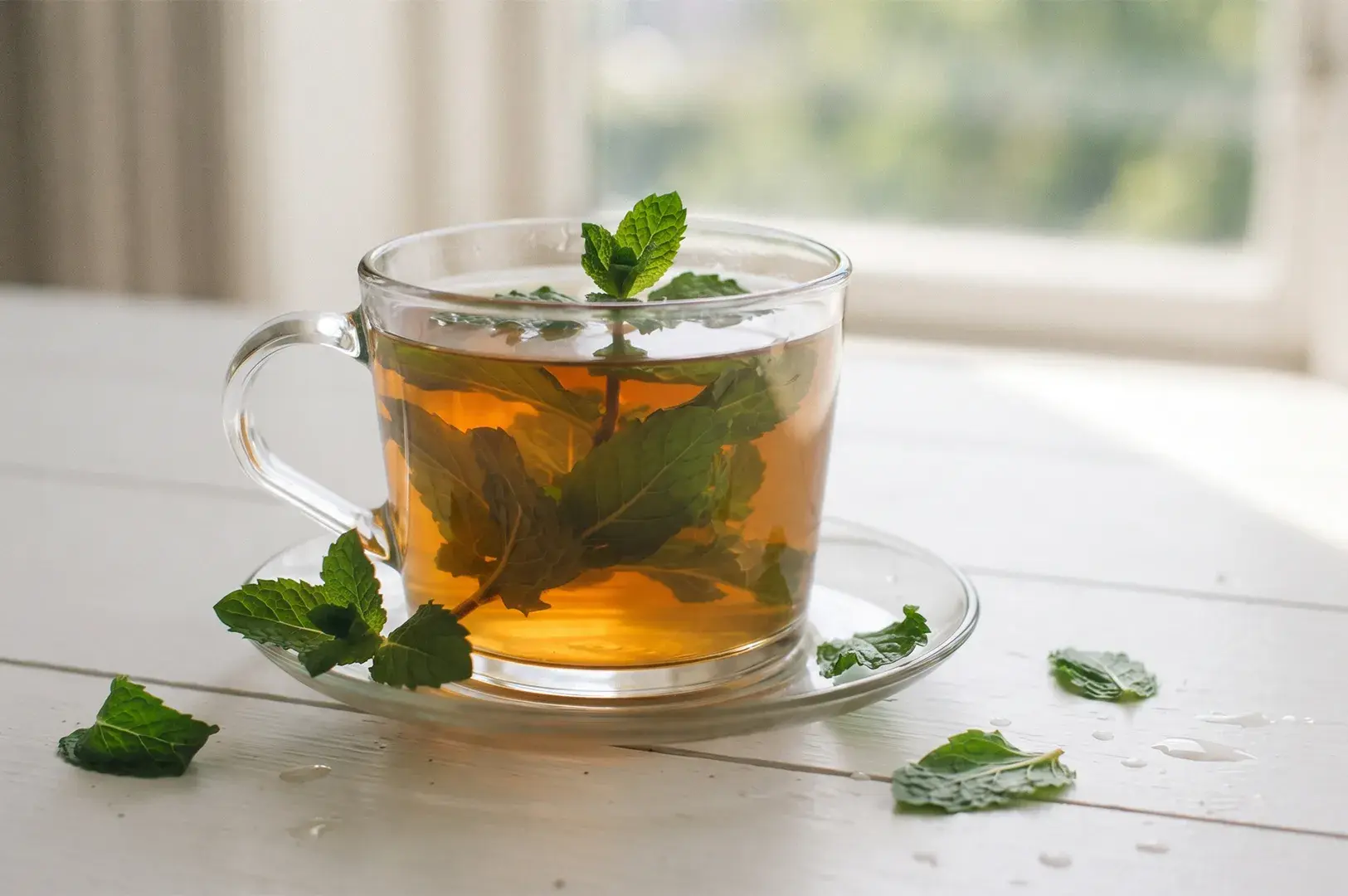
There is a moment, just after the hot water meets the fresh peppermint leaves, when the whole room seems to change. A sharp, green coolness lifts from the cup and settles somewhere behind your eyes. Drinking peppermint tea does this quietly, without fuss. It asks for nothing and offers a great deal.
Most of us have met peppermint tea at some point. In a pot after a heavy meal, perhaps, or in a mug on a tired evening. Yet for something so familiar, peppermint tea carries a story that many of us have never paused to hear. It begins not in a kitchen, but in a garden, with the peppermint plant that is stranger and more accidental than you might expect.
Peppermint Tea: A Herb, Not a Tea Leaf
Let us clear up one gentle confusion first. Peppermint tea is not, strictly speaking, tea at all.
True tea comes from a single plant: Camellia sinensis. Black tea, green tea, oolong, white, and pu-erh all trace back to those same leaves. Peppermint has no relation to it. What we call peppermint tea is really a herbal tea, an infusion, or tisane, made by steeping peppermint leaves in hot water.
The distinction matters more than it sounds. Because peppermint holds no Camellia sinensis, pure peppermint tea is naturally caffeine free. There is nothing in it to keep you awake, which is part of why it has become such a trusted companion for the later hours of the day. A caffeine-free herbal tea that still tastes vivid and alive is a rare, quiet gift.
The Accidental Peppermint Plant: Mentha x Piperita
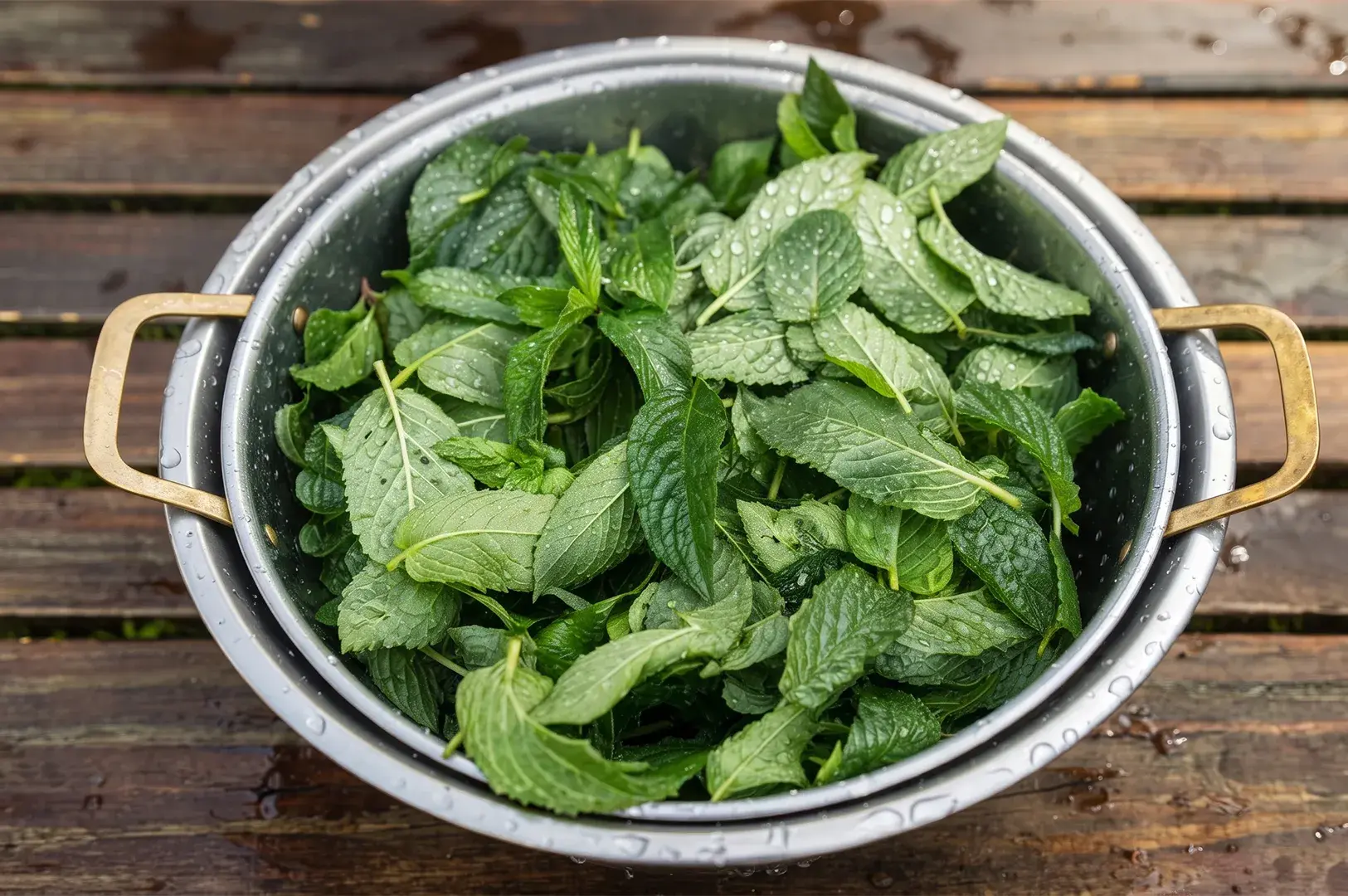
Peppermint, known botanically as Mentha x piperita or Mentha piperita, is a hybrid. It is the result of a cross between two other mints: watermint and spearmint. That small multiplication sign in its name is a botanist's way of telling you this plant is a blend of two parents rather than a species that arose on its own.
This matters because peppermint inherited the best of both. From its lineage it draws a stronger, sharper character than gentle spearmint, and a higher concentration of menthol, the compound that gives it that unmistakable bite and cooling sensation.
Native to Europe and the Middle East, peppermint spread easily, as mints tend to do. Anyone who has grown it in a pot knows how enthusiastically it takes over, sending runners in every direction. It is a hardy, generous plant, and that generosity is written into its long relationship with people.
Menthol and the Puzzle of Cooling Heat in Peppermint Tea
Here is one of the small wonders of peppermint tea. You can drink it piping hot and still feel a cool breath spreading through your mouth. The tea is warm. The sensation is not. How can both be true at once?
The answer lies in several essential oils found in peppermint leaves, especially menthol. Peppermint acts on the nerve receptors in your mouth and skin that are responsible for detecting cold.
When menthol touches these receptors, it activates them as though something genuinely cool has arrived. Your body reads the signal and reports back: this is refreshing, this is cold. The tea itself may be steaming, yet the message your senses receive is one of coolness.
It is a lovely reminder that flavour and sensation are not always about what is physically there. Sometimes they are about how the body chooses to listen. The menthol and essential oils in peppermint tea simply whisper convincingly.
The Health Benefits of Peppermint Tea: What the Cup Actually Offers
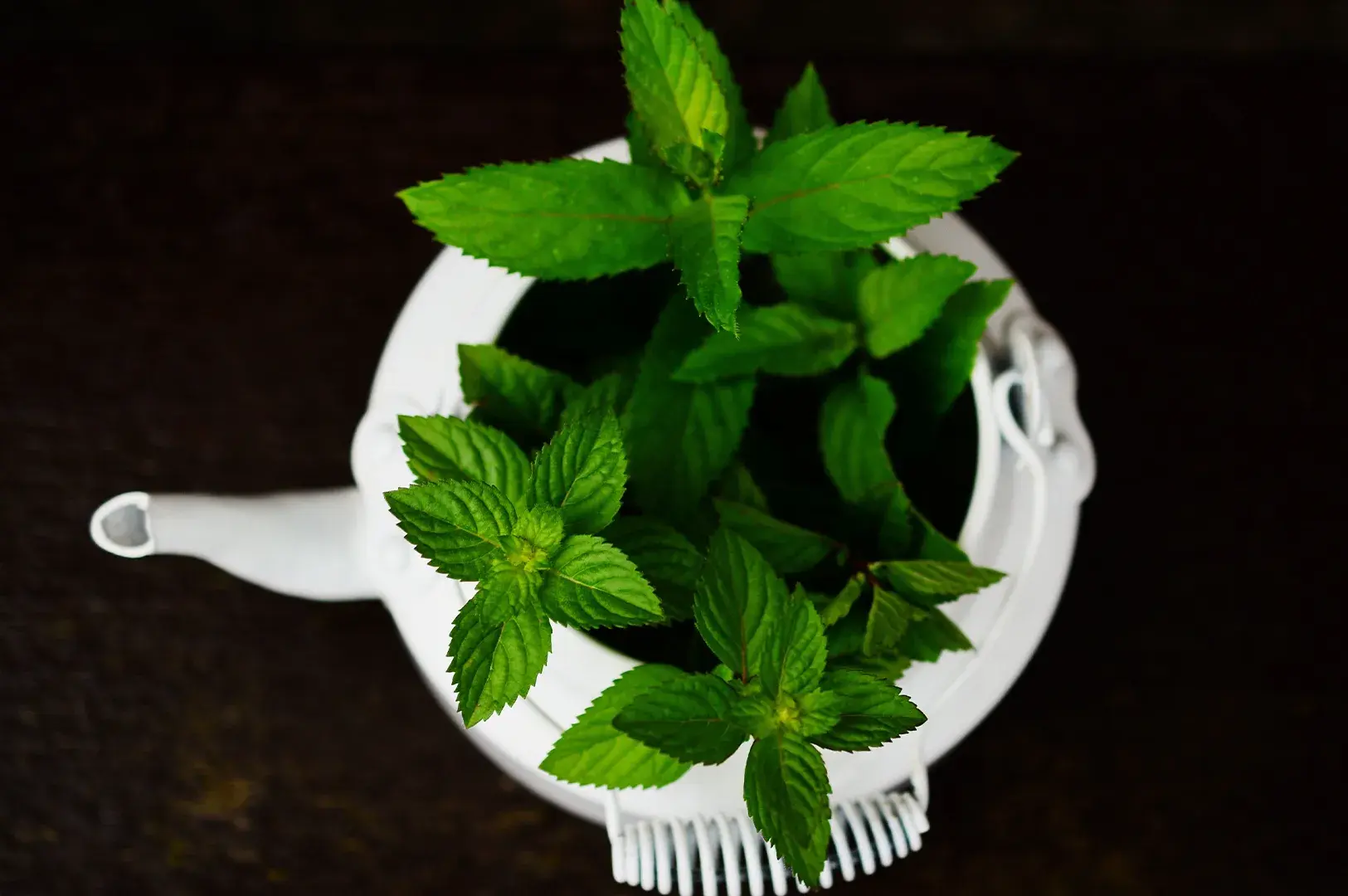
Set the history aside for a moment and simply look at what is in front of you. A good cup of peppermint tea has a clarity to it that is easy to underestimate.
The aroma arrives first, clean and green with a pleasant smell and immediate freshness. There is nothing shy about it. The flavour follows in the same direction: bright, faintly sweet at the edges, naturally sweet and with that signature cool finish that lingers pleasantly after each sip.
The liquor itself is usually a pale gold, sometimes tinged with green depending on the fresh leaves and how long they steep. Left too long, peppermint tea can turn a little sharp and grassy, so many drinkers keep the steep fairly short and let the natural brightness lead.
It is a forgiving, uncomplicated infusion. No milk, no sugar required, though some enjoy a touch of honey. On its own, it is complete.
Benefits of Peppermint Tea for the Digestive System and Relief from Indigestion
Peppermint tea is widely known for its benefits to digestion. Research suggests that peppermint acts as a muscle relaxant in the digestive system, helping to relieve symptoms such as gas, bloating, and indigestion.
Consuming peppermint tea after meals is a smart choice for those seeking relief from digestive discomfort. The peppermint oil capsules studied in animal studies show promise in easing irritable bowel syndrome (IBS) symptoms, although more research is needed to confirm the effects of drinking peppermint tea itself.
It is worth noting that peppermint tea may worsen symptoms of acid reflux or GERD in some individuals, as it can relax the lower esophageal sphincter, potentially allowing stomach acid to escape upward and cause heartburn. Those with acid reflux should consult a healthcare professional before regularly drinking peppermint tea.
Menstrual Cramps and Peppermint Tea: A Natural Muscle Relaxant
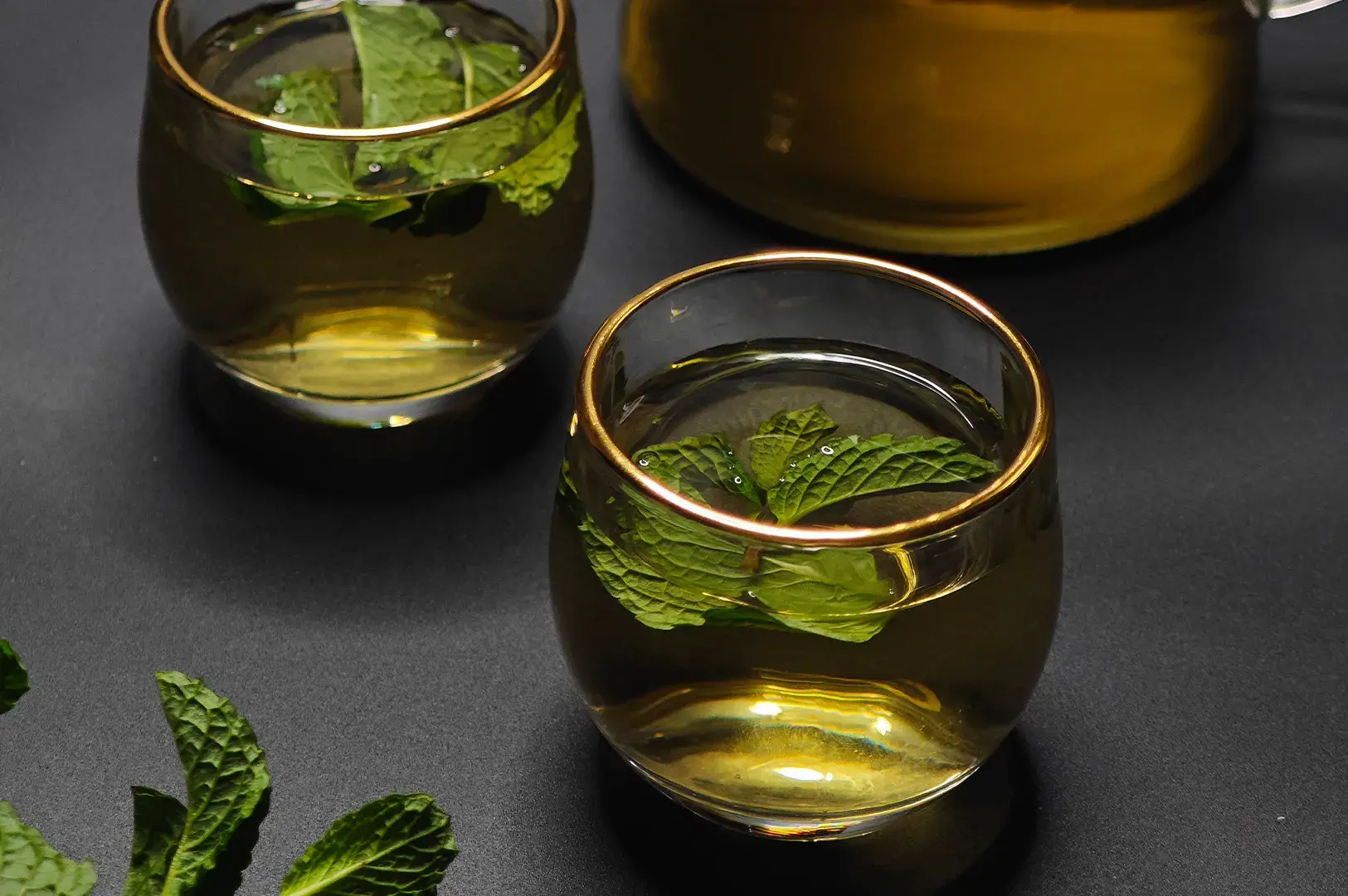
One of the lesser-known perks of peppermint tea is how it can help ease menstrual cramps. Thanks to the muscle-relaxing properties of peppermint, which come from its essential oils, it can really help calm those muscle contractions that cause cramping.
So, when you're dealing with your period, sipping on a warm cup of peppermint tea might just bring some relief from cramps, tension headaches, and that general discomfort that often comes along with it. Plus, since it's naturally caffeine free, it’s a gentle, soothing option to have on hand during that time of the month.
Antibacterial Properties and Freshening Breath: Peppermint Tea for Bad Breath and Immune System Support
Peppermint tea's antibacterial properties make it effective in fighting harmful bacteria that cause bad breath. Drinking peppermint tea can freshen breath and promote fresher breath throughout the day.
The antibacterial and antioxidant compounds in peppermint tea, including rosmarinic acid, also support the immune system by helping to combat infections and reduce inflammation.
For those concerned about bad breath, peppermint tea offers a naturally sweet, minty taste and pleasant smell that can be a refreshing alternative to artificial flavoring found in many products.
Headache Relief and Brain Function: Peppermint Tea for Tension Headaches and Cognitive Health
Peppermint tea is known for its headache relief properties. The menthol in peppermint oil increases blood flow and provides a cooling sensation that can ease tension headaches. This natural muscle relaxant effect helps soothe the tight muscles around the head and neck, offering a gentle and effective way to reduce headache pain without the need for medication.
Research suggests that drinking peppermint tea may also improve brain function and cognitive performance, enhancing alertness and memory. Studies indicate that the aroma and compounds in peppermint can stimulate the brain, helping to reduce daytime sleepiness and boost mental clarity. While more research is needed to fully understand these effects, the potential health benefits of peppermint tea extend beyond physical relief to mental clarity and improved focus.
Additionally, the essential oil concentration in peppermint leaves peaks just before flowering, which means that tea made from freshly harvested leaves may offer the most potent benefits. This peak in essential oils contributes not only to the tea's vibrant flavor but also to its therapeutic properties.
Many people enjoy peppermint tea as a natural way to refresh their mind during busy workdays or before important meetings, appreciating its calming yet invigorating qualities. Whether you're seeking relief from a headache or a mental boost, a warm cup of peppermint tea can be a soothing and healthful choice.
Choosing the Best Peppermint Tea: Organic Peppermint Tea, Loose Leaf Tea, and Tea Bags
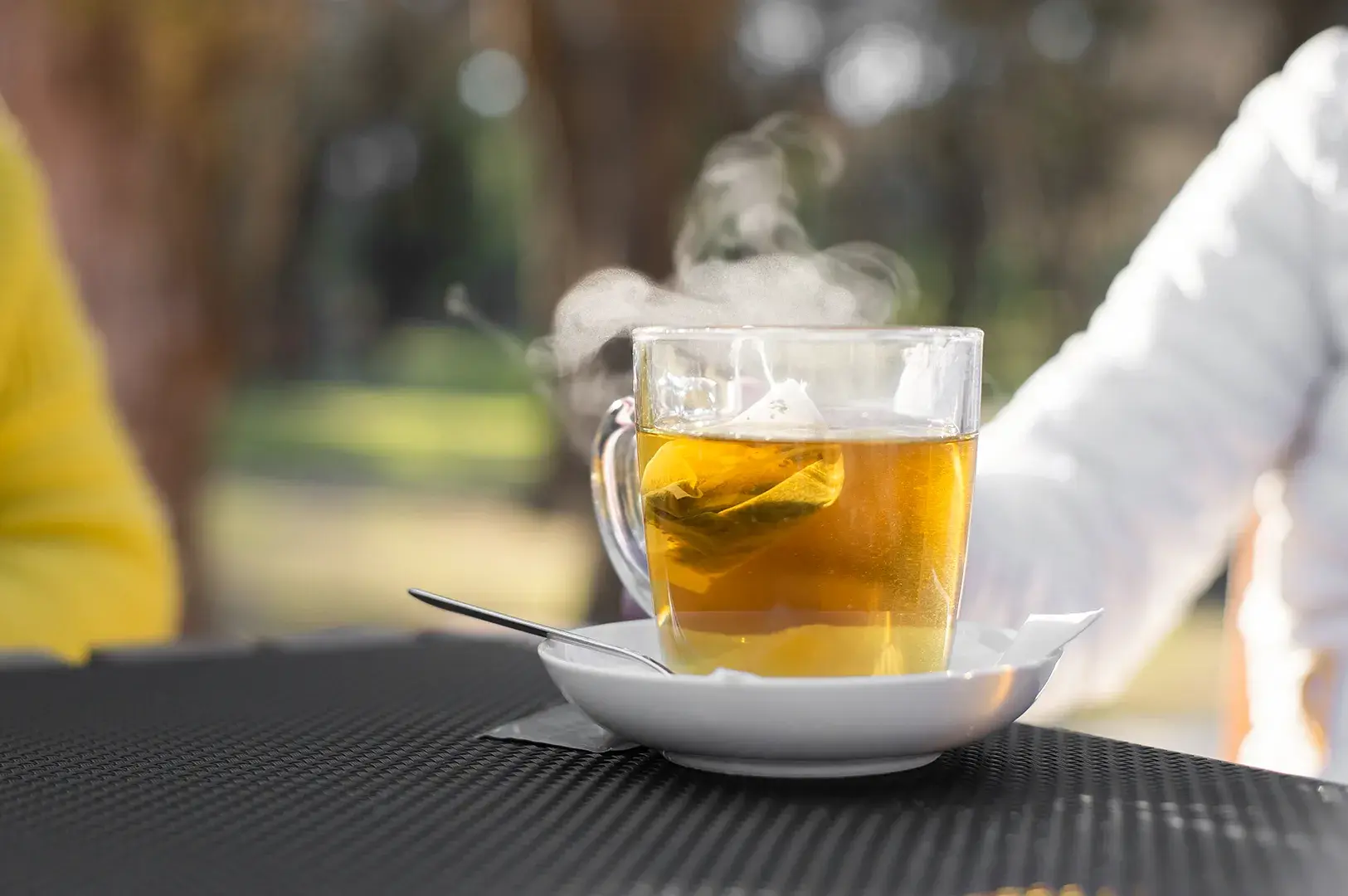
Peppermint tea is available in several forms: fresh leaves, loose leaf tea, and peppermint tea bags. Organic peppermint tea options are increasingly popular for those seeking a pure and natural experience.
Loose leaf tea offers a fresher taste and allows you to control steeping time, while tea bags provide convenience and are widely available in grocery stores. When buying dried peppermint tea, it is best to store it in an airtight container to maintain freshness and preserve the essential oils.
Drinking Peppermint Tea: How to Enjoy Your Cup
Making peppermint tea is simple. Steep fresh peppermint leaves, loose leaf tea, or peppermint tea bags in hot water for 5 to 10 minutes. Adjust steeping time to taste, but avoid steeping too long to prevent a sharp, grassy flavor.
Drinking peppermint tea regularly can be a smart choice for those seeking a caffeine free, naturally caffeine free beverage that offers a refreshing minty taste and several potential health benefits.
Potential Adverse Reactions and Safety Considerations
While peppermint tea is generally safe, consuming too much peppermint tea may lead to adverse reactions such as heartburn or allergic reactions in rare cases. Some people may experience increased bathroom trips or worsen symptoms of acid reflux.
Those with kidney stones or taking certain medications should consult a doctor or healthcare professional before consuming peppermint tea or peppermint oil capsules.
Peppermint Tea: A Smart Choice for Health and Enjoyment
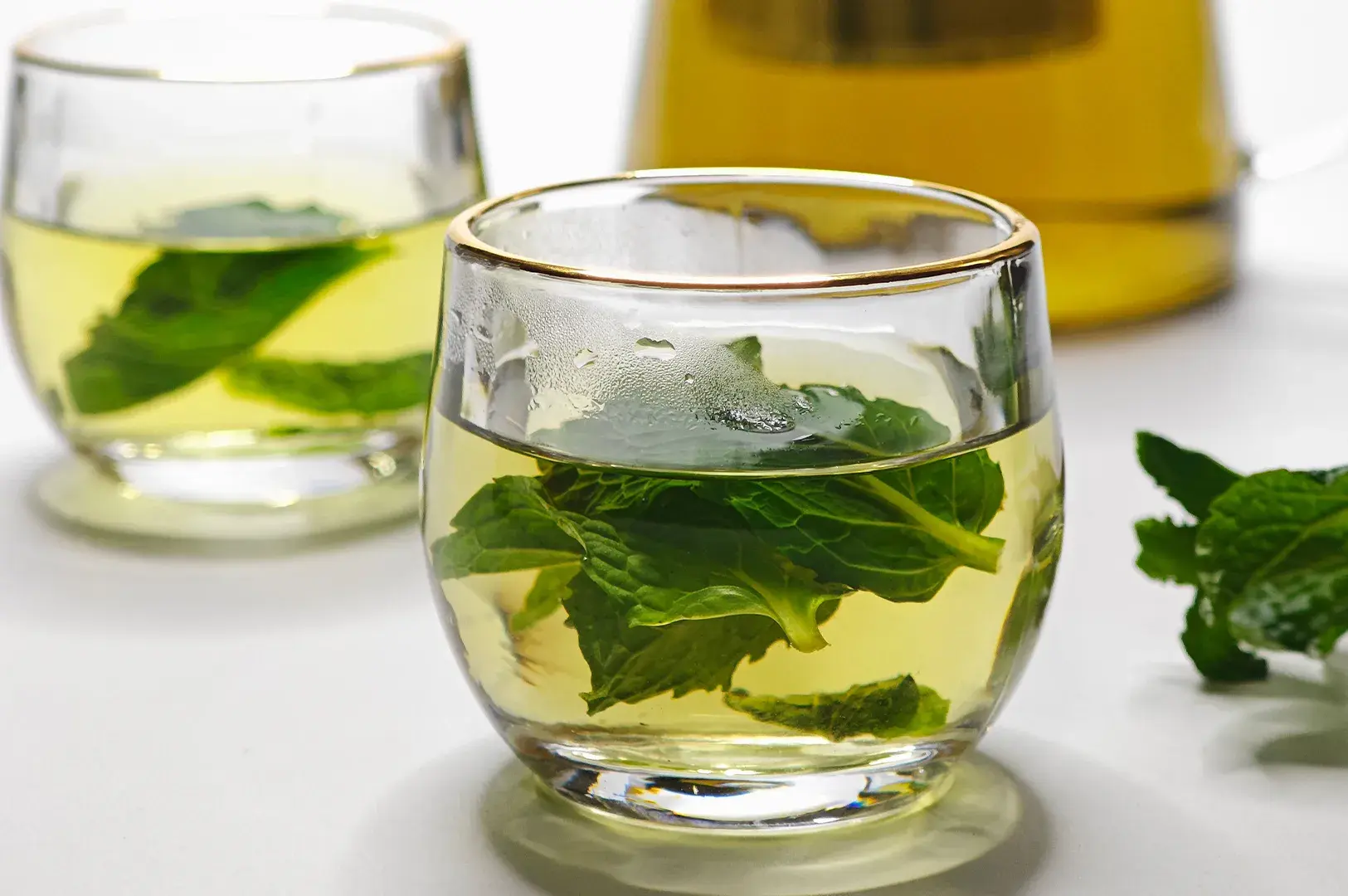
The health benefits of peppermint tea, combined with its refreshing flavor and calming properties, make it a smart choice for anyone looking to enjoy a naturally caffeine free, herbal tea.
Whether you prefer fresh leaves, loose leaf tea, or convenient peppermint tea bags, the benefits of peppermint tea are accessible and enjoyable. Sipping peppermint tea offers relief, refreshment, and a pleasant break in the day, all wrapped in the legacy of the peppermint plant, Mentha x piperita.
Drink peppermint tea mindfully, enjoy the flavoring, and appreciate the health benefits it may bring. Remember to consult your doctor if you have specific health concerns or conditions.

The Tea I Keep Drinking When I Don’t Feel Like Myself
There are days when tea feels unnecessary. Not because I stop liking it, but because I don’t feel like the version of myself who usually drinks it slowly, thoughtfully, and with attention. On those days, I still make tea anyway. Not out of ritual, but out of habit. It is never the elaborate kind of…
-
Tea Ceremony Kyoto: A Slow Dance of Bowls and Breath
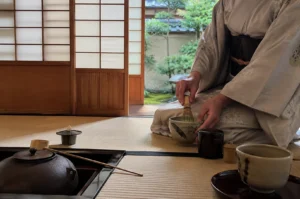
The room is quiet enough to hear water. Somewhere beyond the paper screens of this traditional tea ceremony venue, a garden drips after morning rain. Inside a tea house on a tatami mat worn soft by years of kneeling, a tea master lifts a bamboo whisk and begins tea making. There is no rush in…
-
Why We Keep Romanticising Tea Moments That Never Happened
I sometimes wonder if we are drinking tea or remembering something that never really happened. A quiet morning that feels softer in memory than it ever was in real life. A perfect cup by the window that somehow always looks better in hindsight. A tea moment that feels cinematic, even though it probably lasted only…
-
Masala Chai Tea Origins: The Cultural Evolution of India’s Spiced Tea Tradition
There is a sound that belongs to mornings across India: the hiss of milk rising in a battered pot, the clink of a spoon against metal, the low murmur of a tea seller calling out to passing crowds. Before the first sip, there is the scent. Cardamom pods, fresh ginger, and cinnamon stick curling into…
-
We Are Turning Tea Into Something It Was Never Meant to Be
There is something quietly strange happening in tea culture. The more popular the tea becomes, the more it starts to resemble everything it once stood apart from. Speed. Branding. Productivity. Performance. Tea, which once belonged to unhurried moments, is increasingly being asked to do more. To energize. To optimize focus. To replace coffee. To support…
-
Sencha Green Tea vs. Matcha Powder: Understanding the Differences in Japanese Green Tea
Two tins of tea powder sit side by side on a shelf. Both hold a fine green powder. Both promise the taste of authentic Japanese tea. To the eye, they look almost identical, and that is precisely where the confusion begins. One is matcha powder, often used in matcha lattes and desserts. The other is…
-
Discovering Gryphon Tea Company’s Earl Grey in Singapore
I recently tried the Earl Grey from Gryphon Tea Company Singapore, and I have to admit, it surprised me. Not because it was flawless-it wasn’t, but because it felt like a tea that knew exactly what it wanted to be. The aroma is the first thing that hits you. Bergamot is present but subtle, not…
-
Hojicha: The Roasted Japanese Green Tea With A Mellow Twist
There is a moment, just after the hot water meets the hojicha tea leaves, when the kitchen fills with the aroma of something toasted. Not grassy. Not sharp. Warm, like roasted nuts or the edge of a freshly baked loaf. That moment is where hojicha begins. Hojicha (sometimes spelled houjicha) is a roasted green tea…
-
A Quiet Afternoon at Yixing Xuan Teahouse
I recently spent a quiet afternoon at Yixing Xuan Teahouse, a place that feels like a pause in the city. The moment you step inside, the world seems slower. The air carries the gentle aroma of steeped leaves, and the staff move with quiet precision. I chose an oolong, simple yet familiar. Watching the leaves…
-
The Controversial Smoky Tea That Divides Enthusiasts: Lapsang Souchong Black Tea
There is a tea that empties rooms and fills them in equal measure. Open a box of loose leaf lapsang souchong black tea, and someone nearby will lean in with delight while another quietly steps away. Few teas provoke such immediate, honest reactions. That divide is part of its story. This smoked lapsang souchong smells…