There is a certain hour when the day loosens its grip.
The coffee has long gone cold. Black tea feels like too much. And yet the kettle still calls, because the ritual matters more than the caffeine.
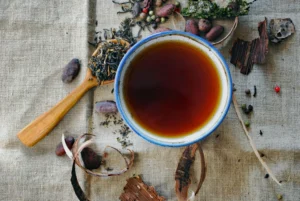
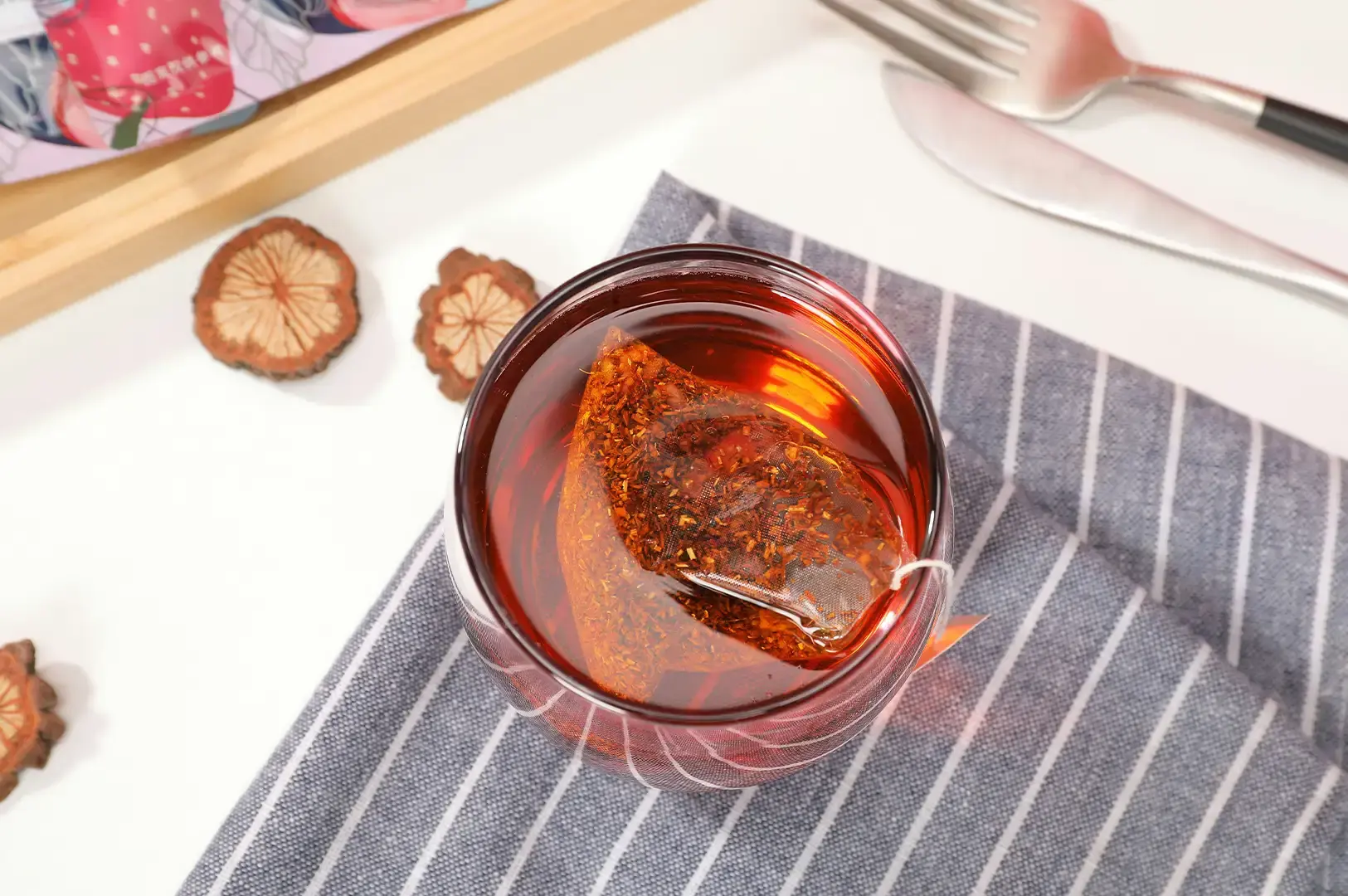
This is where rooibos often arrives. A deep russet red pouring into the cup, warm and unhurried, carrying the quiet weight of a place most drinkers will never see.
It comes from a narrow stretch of South African mountains, and it has travelled far to become an evening companion in kitchens across the world. To understand why, it helps to look at both what is rooibos tea and what is actually happening inside the cup.
What Is Rooibos Tea? Understanding This South African Herbal Infusion
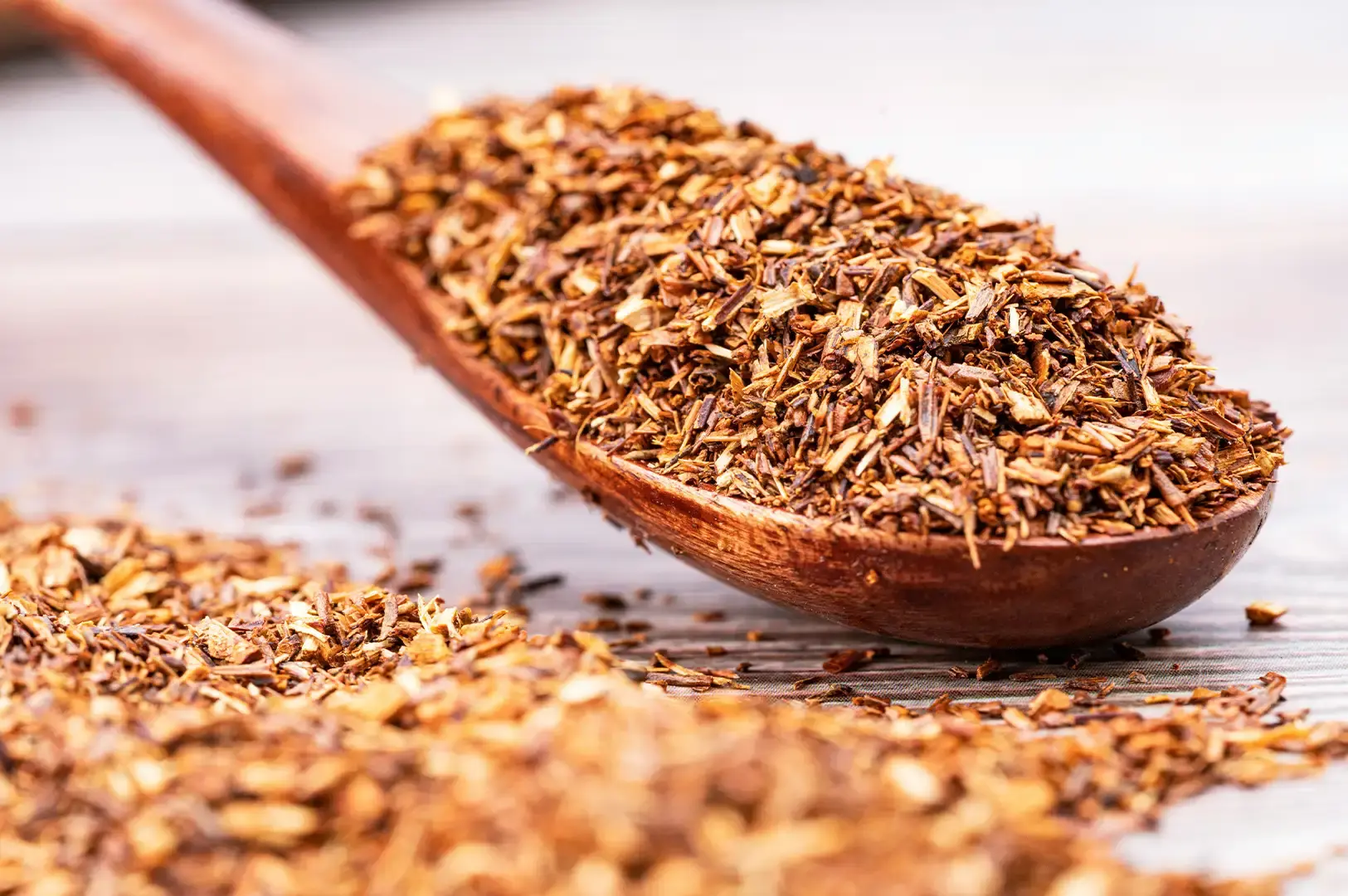
Rooibos tea, often called red bush tea or red tea, is a caffeine-free herbal infusion made from the rooibos plant, scientifically known as Aspalathus linearis, rather than from Camellia sinensis like green tea or black tea.
Native and exclusive to southern Africa, specifically the Cederberg region of South Africa, rooibos is known for its reddish color, natural sweetness, and low tannin profile, which is why it appeals to tea lovers looking for a gentler alternative to traditional tea, anyone exploring herbal infusions and antioxidants, and readers curious about South African plant drinks and their potential health benefits.
This guide explains where rooibos comes from, how red and green rooibos differ, how to prepare it, how its caffeine-free nature compares with black and green tea, and why many people choose it for flavor, relaxation, sleep quality, and support for heart, metabolic, and iron-related health.
There are two main types of rooibos: traditional rooibos, or red rooibos, which is fermented rooibos with a rich reddish color and earthy flavor, and green rooibos tea, which is unfermented and retains a greener color and a lighter, grassier flavor. Both varieties are rich in antioxidants present in the leaves, but green rooibos often contains a higher concentration of certain nutrients.
Green Tea, Black Tea, and Herbal Teas: How Rooibos Stands Apart
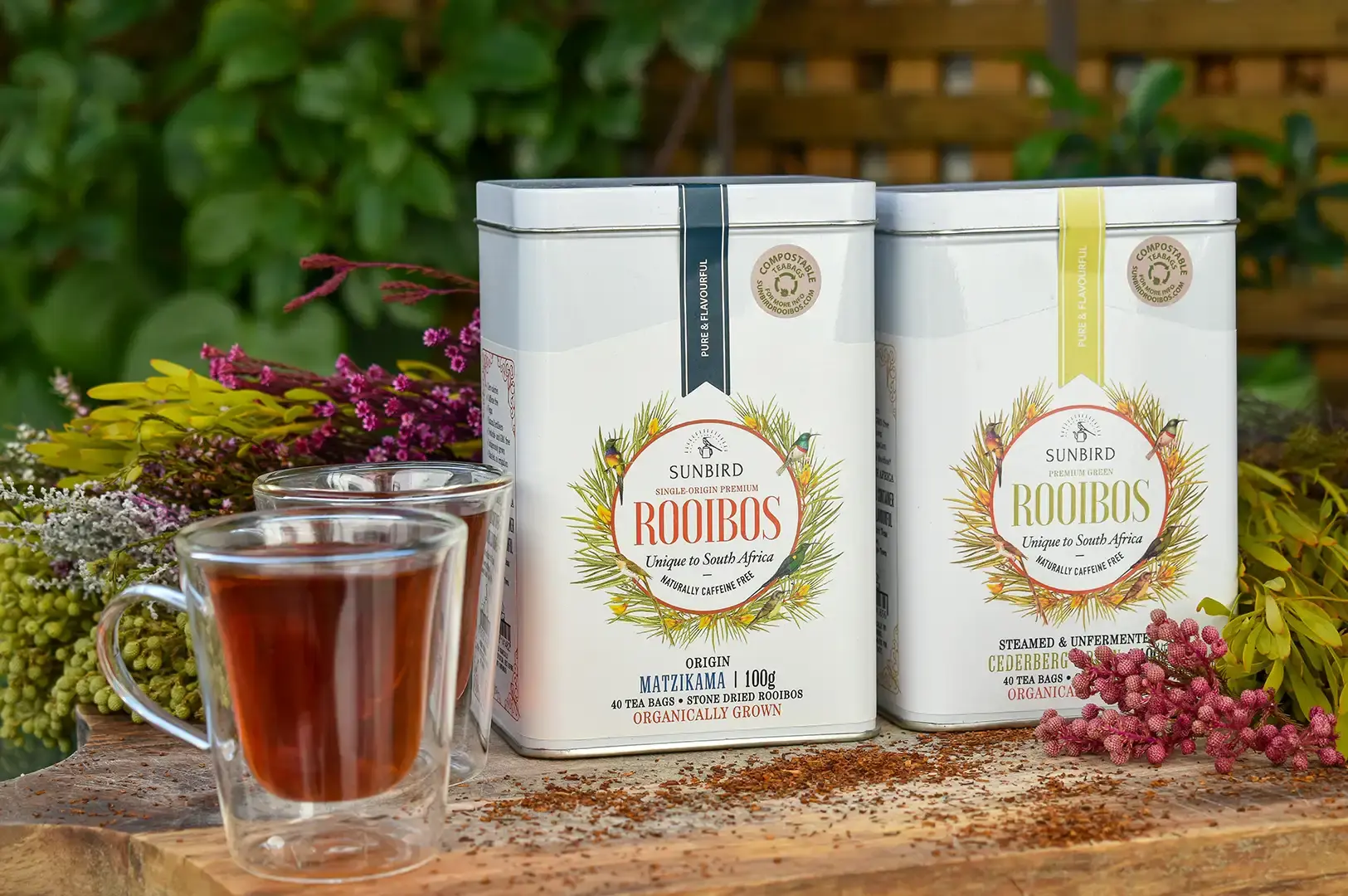
Unlike black or green teas, which come from the tea plant and contain caffeine, rooibos tea is naturally caffeine free and low in tannins, which means it does not interfere with iron absorption as some traditional teas can. This unique composition makes rooibos an appealing choice for those looking to reduce their caffeine intake or avoid the bitterness often found in black or green tea.
Herbal teas like rooibos, chamomile, or peppermint are herbal infusions derived from plants other than the tea plant. Rooibos proves to be a uniquely versatile herbal infusion enjoyed hot or as iced tea, fitting well into a daily routine or evening routine without disrupting sleep.
Health Benefits of Rooibos Tea: Scientific Studies and Traditional Wisdom
Drinking rooibos tea daily has become popular not only for its flavor but also for its potential health benefits. Rooibos is rich in antioxidants such as aspalathin and nothofagin, compounds unique to the Aspalathus linearis shrub, which may reduce inflammation and support the immune system.
Scientific studies have explored the benefits of rooibos in managing blood pressure and improving heart health by reducing risk factors associated with cardiovascular disease. Rooibos tea may also help lower blood sugar levels, making it a supportive beverage for metabolic health when combined with a balanced diet.
Its low tannin content means rooibos does not inhibit iron absorption, a beneficial effect for people concerned about maintaining adequate iron levels. Additionally, rooibos is naturally sweet without added sugar, making it a low-calorie drink that can aid those who want to lose weight or manage their weight effectively.
Green Rooibos: A Rich Source of Antioxidants and Beneficial Effects

Green rooibos tea, the unfermented version of rooibos, retains more of the plant’s natural antioxidants and certain nutrients. This green rooibos offers slightly different health benefits and a more herbaceous flavor compared to traditional rooibos. Both forms are caffeine free and provide soothing qualities that support stress management and well being.
Rooibos as a Herbal Infusion: Preparation and Steeping Time
To best enjoy rooibos, use about 2 grams of loose rooibos per 8 ounces of boiling water. The steeping time can range from 5 to 10 minutes, and unlike black or green tea, rooibos does not turn bitter with longer steeping. This allows for a higher concentration of antioxidants to be extracted, enhancing the benefits of rooibos.
Rooibos can be brewed strong for various recipes, including lattes or even espresso-style drinks, or enjoyed simply with milk or without any additives.
Caffeine Free and Naturally Sweet: Why Rooibos Appeals to Tea Lovers
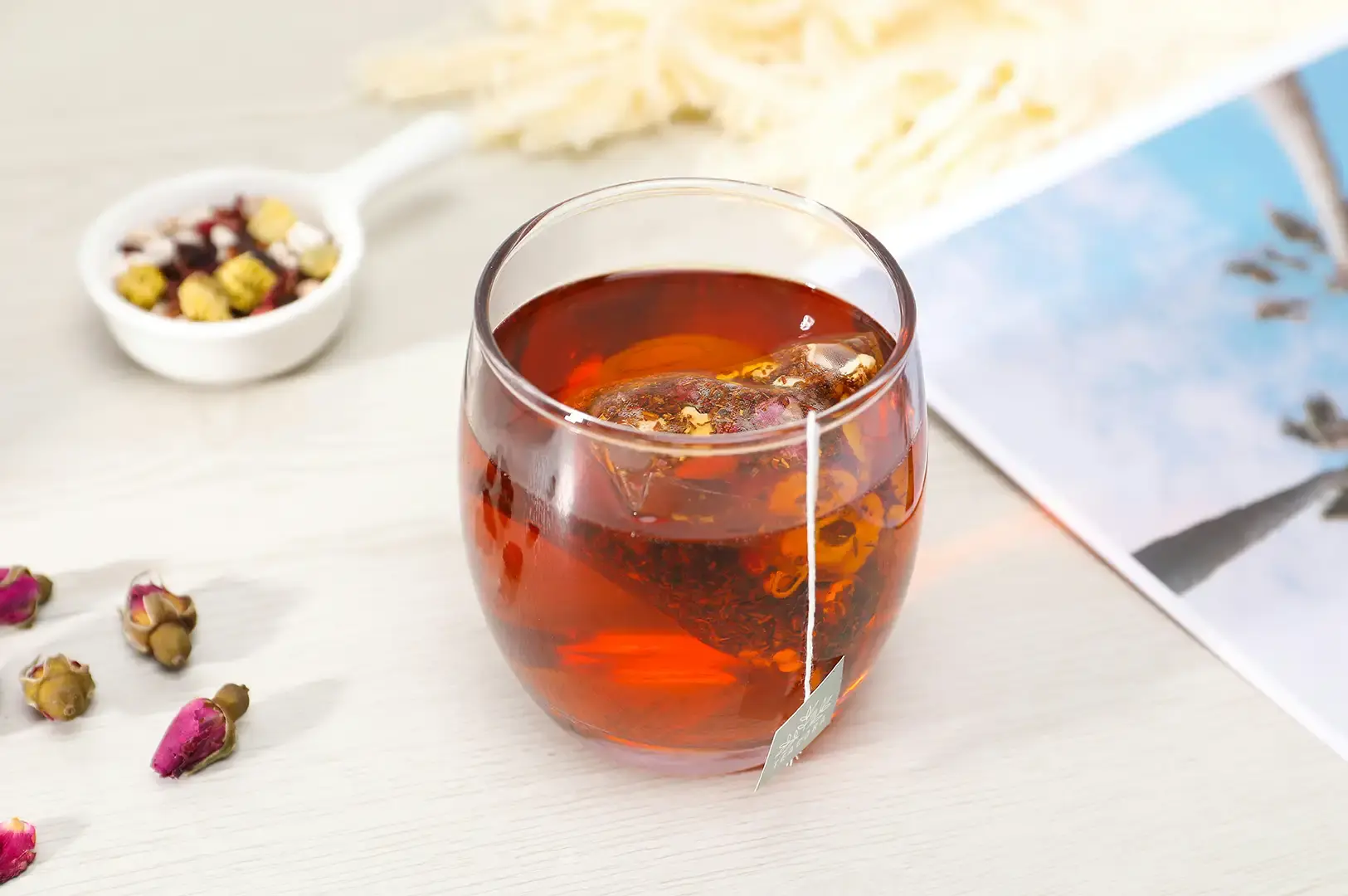
For tea lovers seeking a caffeine free alternative, rooibos offers a naturally sweet and smooth alternative to black or green teas. It fits well into an evening routine, helping people fall asleep without the stimulating effects of caffeine.
Its unique composition as a low tannin beverage means it is gentle on the stomach and suitable for people of all ages, including pregnant women, making rooibos a versatile and inclusive choice.
Benefits of Rooibos: Blood Pressure, Iron Absorption, and More
The benefits of rooibos extend to cardiovascular health by helping to maintain healthy blood pressure and cholesterol levels, as suggested by scientific studies. Rooibos contains antioxidants such as aspalathin and quercetin, which may reduce inflammation and oxidative stress, contributing to improved heart health and overall well-being.
Its low tannin content supports better iron absorption compared to many traditional teas like black and green tea, which have higher tannin levels that can inhibit iron uptake.
Additionally, rooibos’s anti-inflammatory properties may enhance immune function and aid in managing oxidative damage in the body. These combined effects make rooibos a valuable herbal infusion for supporting cardiovascular and metabolic health while being gentle on the digestive system.
Health Claims and Responsible Use: Consult Your Healthcare Professional
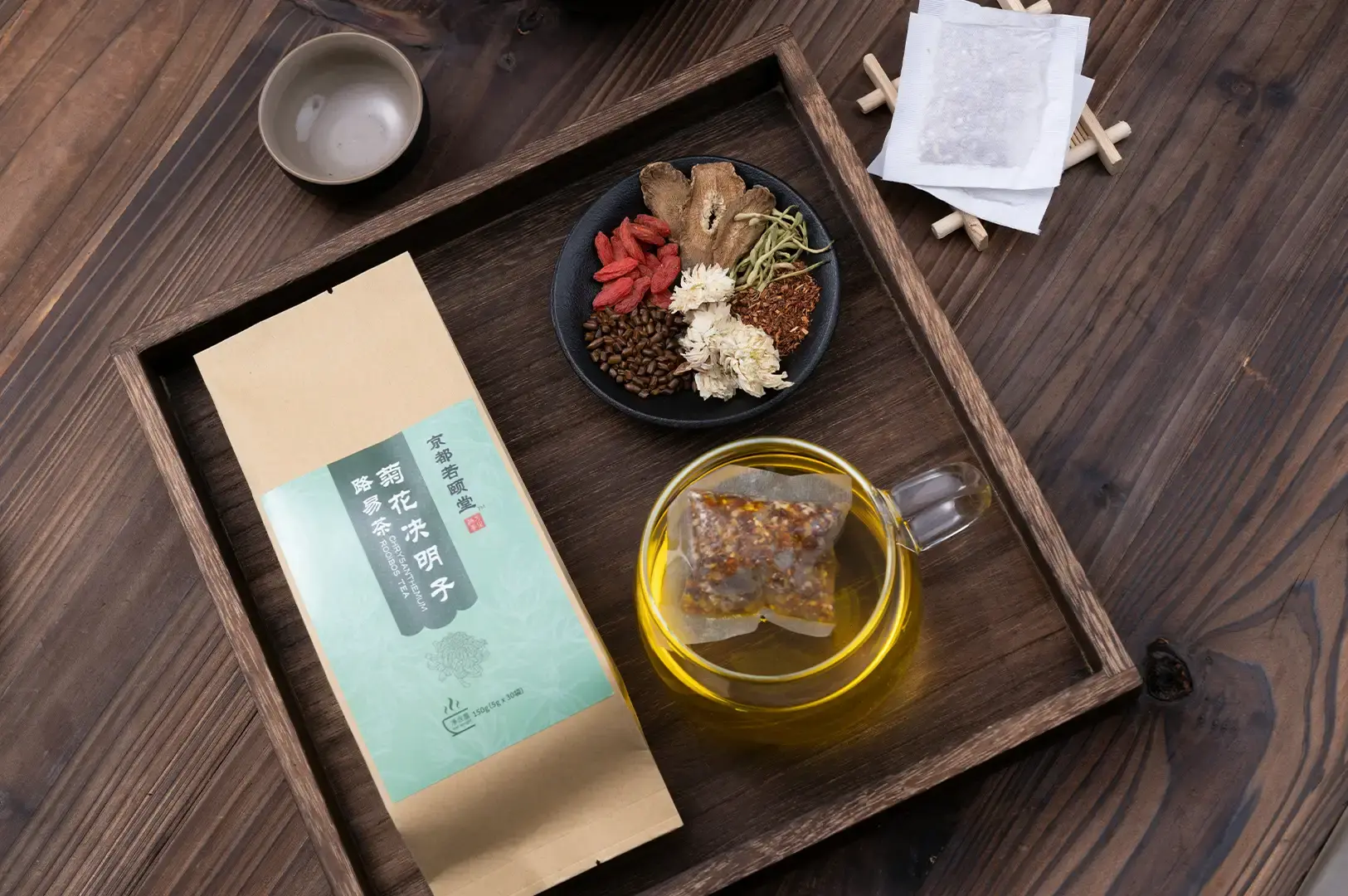
While rooibos tea is packed with antioxidants and offers many potential health benefits, it’s important to keep things realistic. Rooibos isn’t a magic cure or medicine but rather a nourishing herbal infusion that can nicely complement a balanced diet and healthy lifestyle.
If you have any specific health concerns or conditions, it’s always a good idea to chat with a healthcare professional before making rooibos a regular part of your routine. That way, you can enjoy its benefits safely and confidently.
Lose Weight and Manage Stress with Rooibos Tea
Rooibos tea is low in calories and contains no caffeine, making it an excellent choice for those looking to lose weight or manage stress naturally. Its antioxidant content may support metabolism and help reduce stress, helping people maintain a calm and balanced state.
Beneficial Effects of Rooibos: Economic Botany and Cultural Importance

The rooibos plant is an important part of South Africa’s economic botany and cultural heritage. The indigenous Khoisan people of South Africa have a long history of using rooibos. Rooibos tea was first brewed by Dutch settlers in the 1700s. Known as the national drink of South Africa, growing rooibos depends on the Cederberg region’s specific environmental conditions.
People drink rooibos not only for its health benefits but also for its unique taste and connection to a place and tradition. Its growing popularity worldwide reflects both its beneficial effects and its role as a symbol of South African heritage.
Conclusion: The Answer Lies in Rooibos’s Unique Composition
The answer lies in rooibos’s unique composition, a naturally caffeine free, antioxidant-rich herbal infusion with a pleasant taste and natural sweetness. Whether you choose red rooibos or green rooibos, drinking rooibos tea daily can be a comforting and healthful part of your balanced diet and daily routine.
Explore various recipes, steeping times, and serving styles to find your perfect cup of this red bush tea, a drink that combines tradition, science, and well being in every sip.
To discover more tea in restaurants that really serve well, click and visit our article: Where Tea Meets Cuppage Plaza Food: Restaurants That Serve Both Well

Tea Ceremony: The Hidden Meaning Behind Small Gestures
My first tea ceremony singapore experience left me more worried about etiquette than soaking in the moment. Surrounded by seasoned guests, I focused on getting every gesture right, how to bow, how to hold the cup, afraid of missing some point that makes tea culture here so unique. Looking back, I missed how these small…
-
Why Tea Always Feels More Honest Than Coffee
This might be slightly controversial, but tea has always felt more honest to me than coffee. Coffee often arrives with ambition. Productivity. Hustle culture. The promise that after one cup, you will suddenly become more awake, more focused, more efficient. Tea asks for much less. It doesn’t demand transformation. It simply sits beside you quietly….

Wildseed Cafe Singapore: A Garden Escape for Tea Lovers
Sometimes, you just need to get out of the concrete city jungle and bask in nature. Last weekend, I was craving a quiet afternoon away from the chaotic mall crowds, so I made a reservation at Wildseed Cafe Singapore. Tucked away in the precincts of Seletar Aerospace Park within The Summerhouse, this multi concept restaurant…

Not Every Expensive Tea Is Actually Better
Tea drinkers rarely say this out loud. But many have probably thought it at least once. Sometimes an expensive tea tastes… fine. Not extraordinary. Not life-changing. Just fine. And yet modern tea culture often treats expensive tea as though it automatically deserves deeper admiration. A rare mountain harvest. Ancient tea trees. A tea produced in…

The Quiet Difference Between Muslim-Owned Cafés and MUIS-Certified Halal High Tea Spots in Singapore
I remember wandering down Arab Street years ago, searching for a quiet café where I could settle into an afternoon of coffee, tea, and conversation. I found a minimalist little space filled with delicate pastries and beautiful dessert displays, but hesitation quietly crept in as I began wondering about alcohol-based syrups, gelatin, and whether the…
-
Why Tea Shops Always Feel Slightly Different From Cafés
I’ve noticed something interesting over the years. People behave differently in tea shops. Not dramatically different, of course. No one suddenly becomes wiser the moment tea is poured. But the atmosphere tends to shift in subtle ways. Conversations slow down. Phones appear less often. Even silence feels more comfortable somehow. Tea shops carry a different…
-
High Tea Halal Singapore: Elegant and Inclusive Dining Experiences
A tiered stand arrives. A pot of tea follows, still too hot to pour. For many of my Muslim friends, there’s usually a quiet moment before anyone reaches for a scone. Someone asks whether the kitchen is halal certified. Only then does the high tea afternoon properly begin. This list tries to take care of…

Why Oolong Tea Always Feels Slightly Mysterious
Oolong tea never feels entirely straightforward. Green tea usually introduces itself immediately. Black tea does the same. You understand them quickly. One feels fresh and bright. The other feels deep and familiar. But oolong tends to sit somewhere in between. Not fully green. Not fully black. Not always easy to describe. Perhaps that is part…
-
Benefits of Black Tea: Why This Everyday Drink Still Matters
For many people, black tea is simply part of a routine. It is the first thing brewed in the morning, poured during afternoon tea, or enjoyed quietly at the end of a long day. Familiarity often makes it easy to overlook, but the benefits of black tea extend far beyond comfort or habit. In the…
-
Why Tea Somehow Tastes Better on Rainy Days
I don’t know when I first started believing this, but tea genuinely feels different when it rains. Not scientifically different, of course. The leaves do not magically change because of the weather. And yet somehow, a cup of tea on a rainy afternoon feels softer, warmer, maybe even a little more comforting than usual. Just…