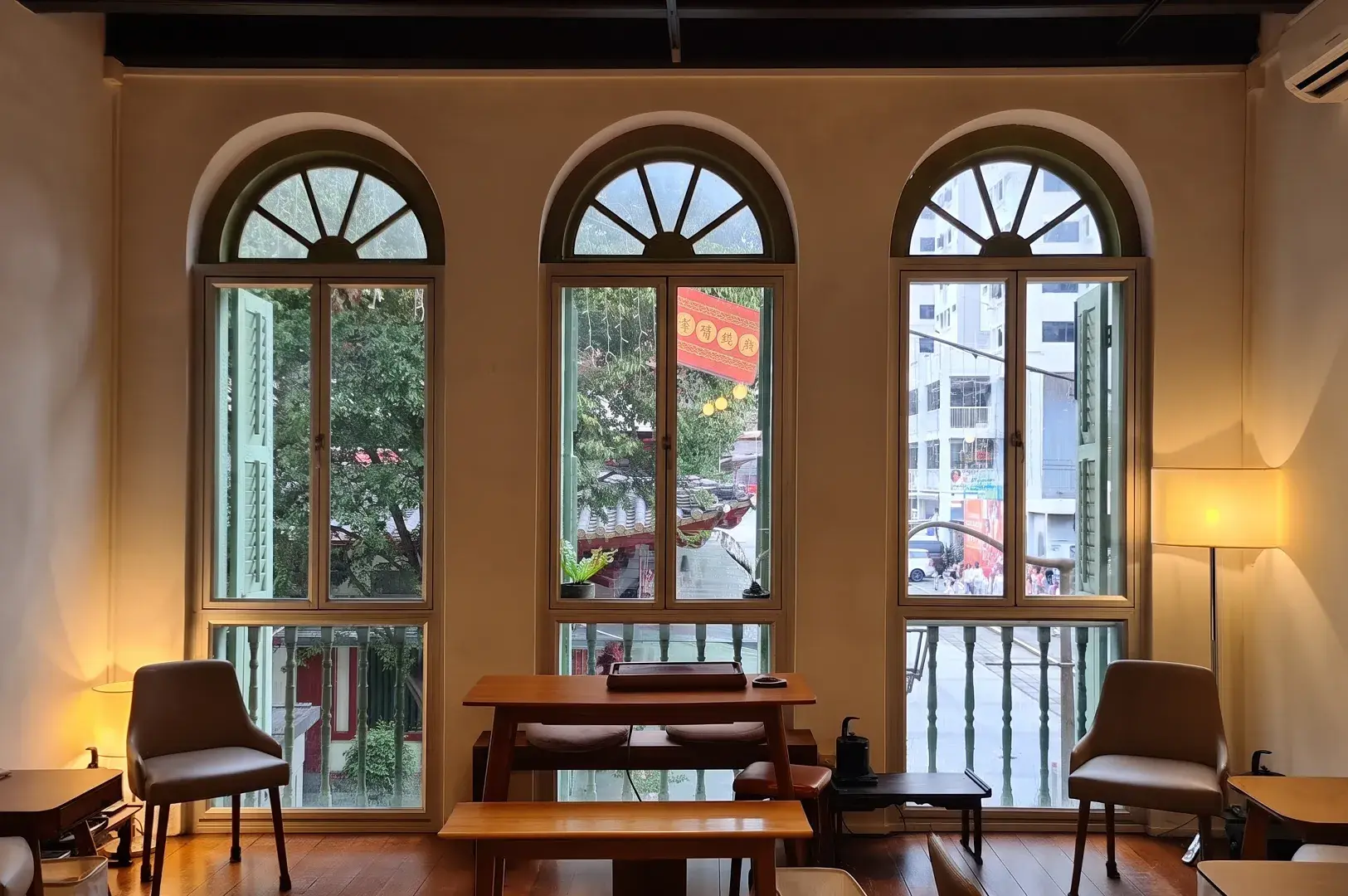
I almost walked past it.
Sago Street was loud that afternoon, the way Chinatown often is. Voices, footsteps, the clatter of a hundred small transactions. I was looking for a door and nearly missed the narrow one that led upstairs.
Then I climbed. And somewhere between the ground floor and the second, the noise fell away.
A Chinese Tea Teahouse You Have to Look For
SILK Tea Bar sits on the second floor of a shophouse at 26A Sago Street, tucked above the street rather than beside it. That small climb does something. By the time you reach the top, you've already left the rush behind.
This is not the SILK Tea Bar some people expect. It isn't inside Chinatown Point. It's here, on Sago Street, folded into the older bones of the neighbourhood, a short walk from Chinatown MRT.
I liked that it made me work a little to find it. The best rooms often do.
First Impressions From the Second Floor: A Warm, Present Moment
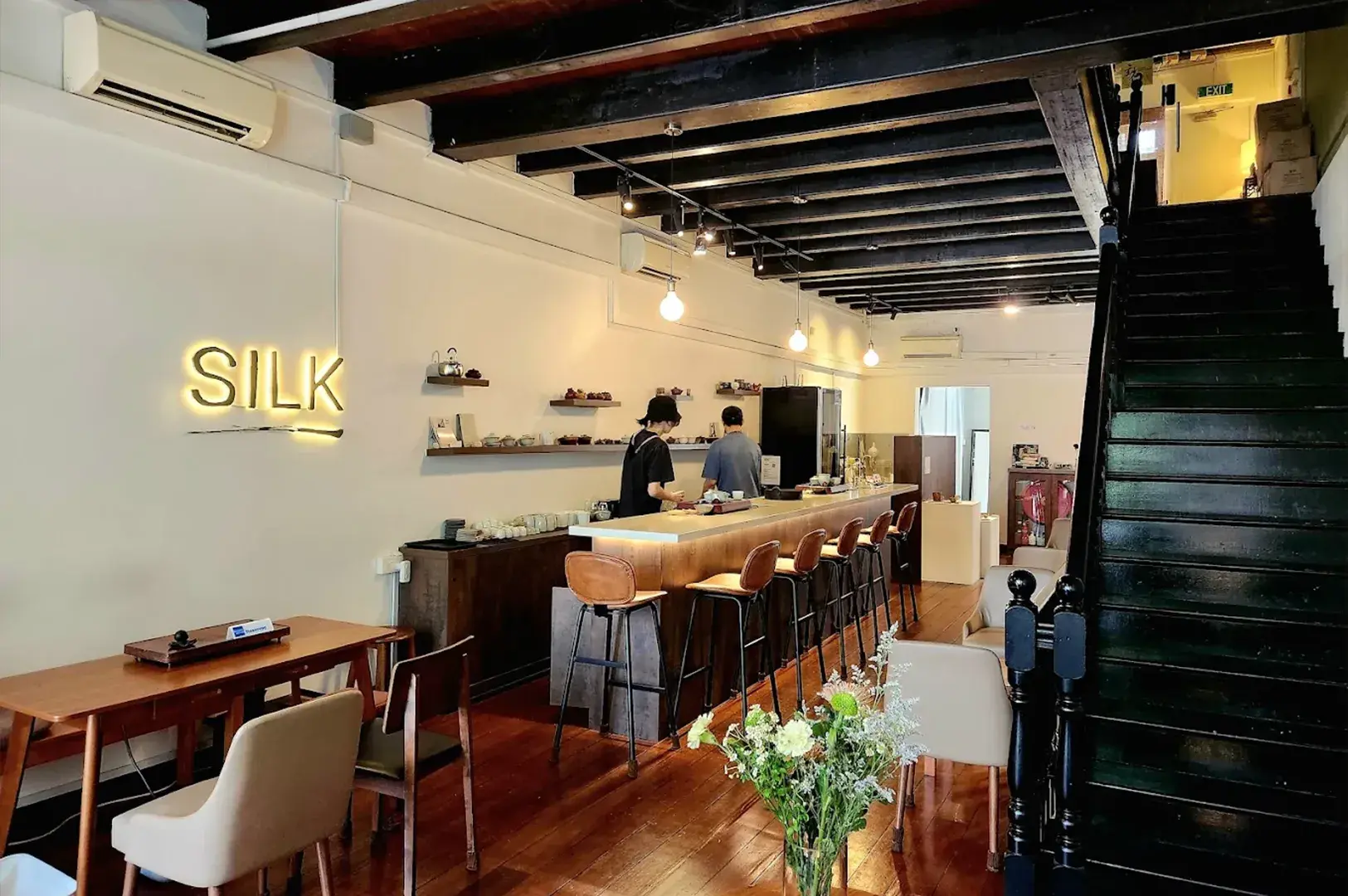
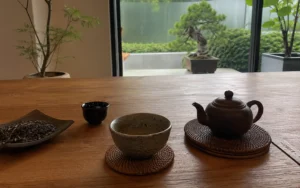
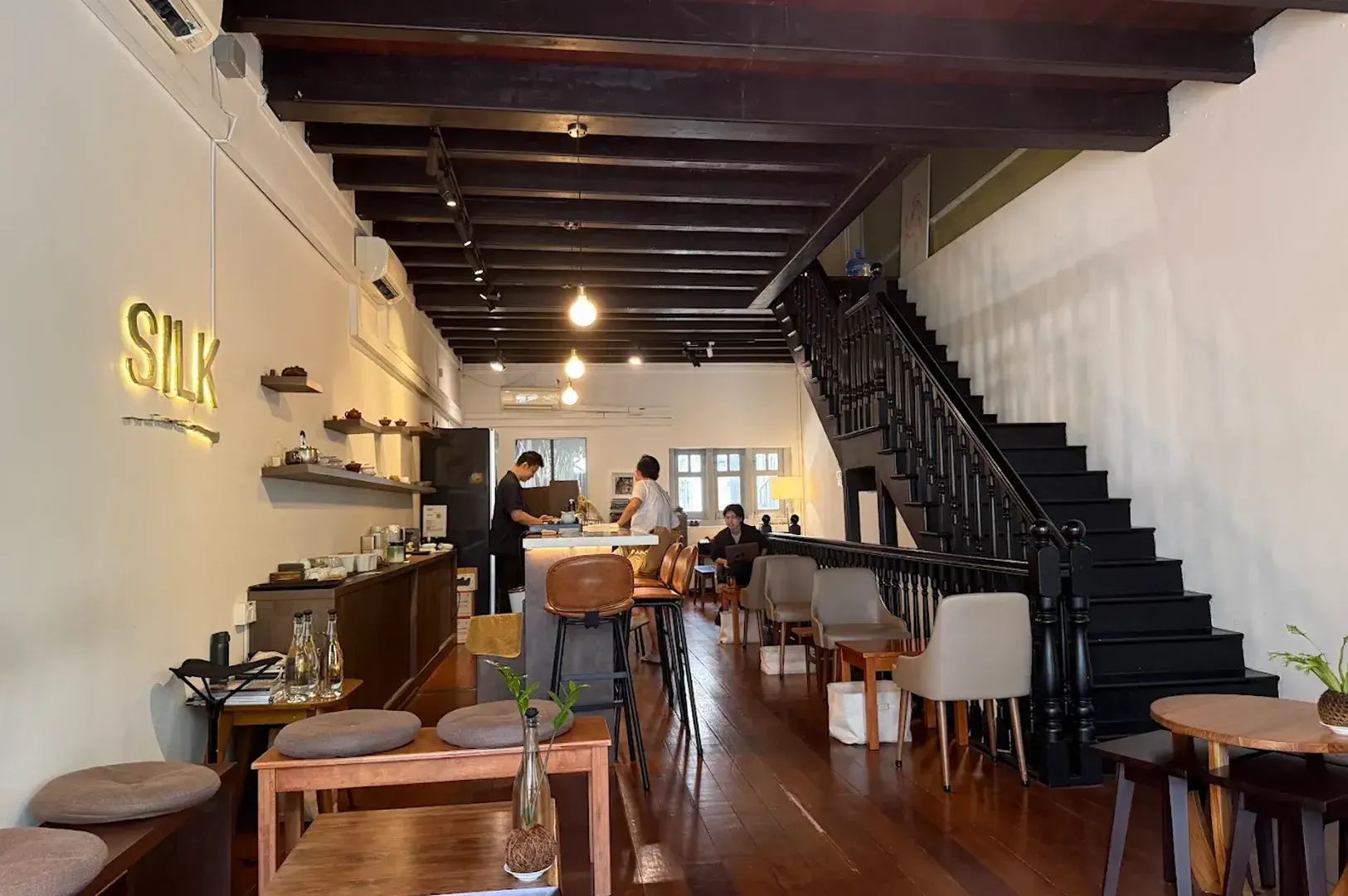
The space upstairs is calm in a way that feels intentional, not empty. Light comes in soft. Sound stays low. You lower your voice without being asked to.
I found a seat at a table and let my shoulders drop. There's a particular stillness to a teahouse that takes its tea seriously, and I felt it here before I'd ordered anything.
What struck me most was the honesty of the place. Nothing was styled to be photographed. It was simply a room for tea and conversation, and it seemed content to be exactly that.
The Tea: Where SILK Actually Speaks in Flavours and Philosophy
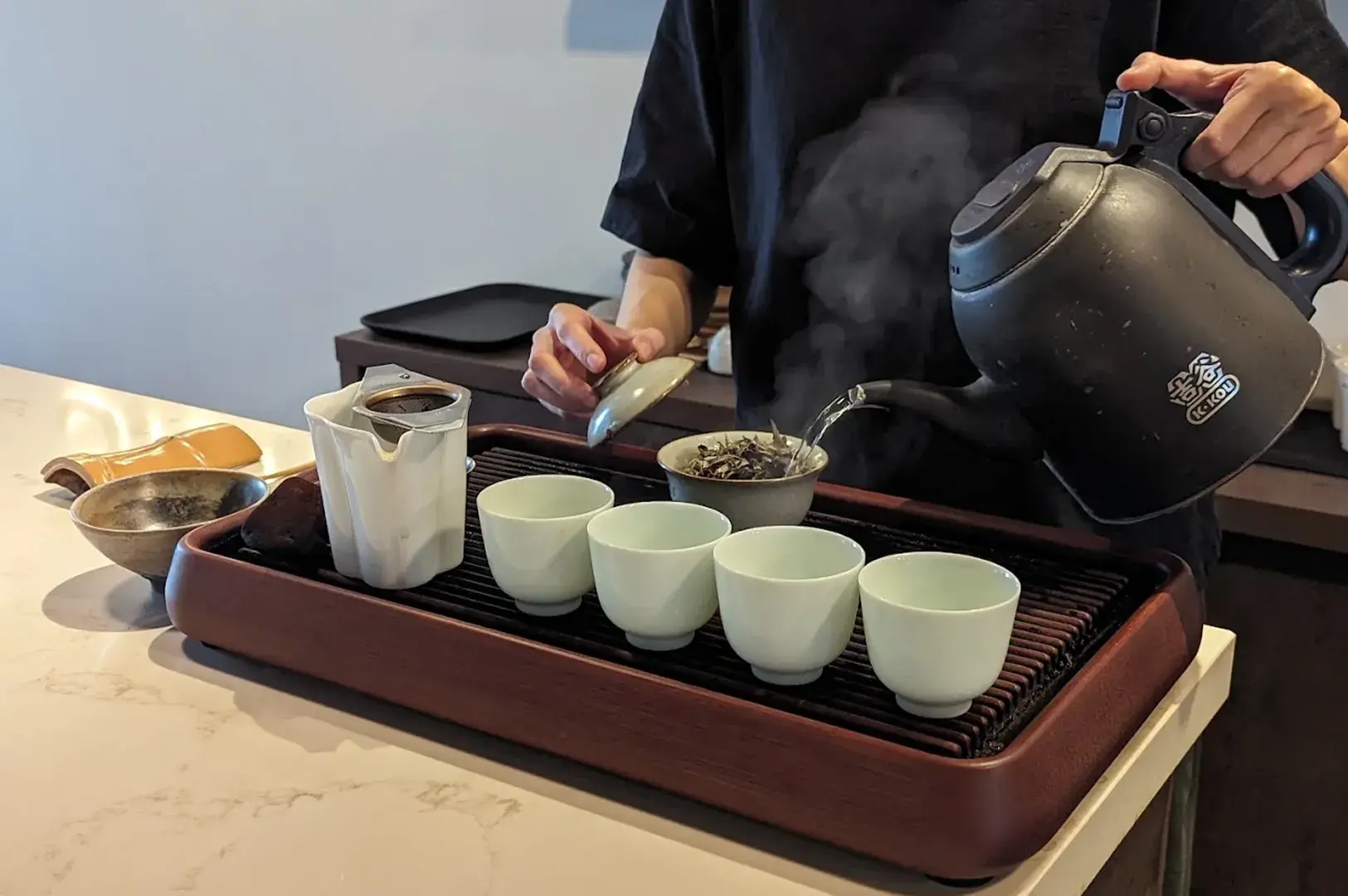
Because this is a tea bar first, I let the tea lead.
SILK offers both single-serving teas and multi-steep tea sessions, alongside reservation-based hosted tea flights. SILK uses natural spring water for its tea service, which sounds like a small detail until you taste what it does. Softer water, cleaner tea. The leaf comes through without anything muddying it.
I appreciated that you can choose your depth. Some afternoons you want to sit with one leaf and follow it. Other days you want the arc of a session, watching a tea change as it opens.
Multi-Steep Teas and the Process of the Second Steep
The multi-steep teas are where the tea bar shows its patience.
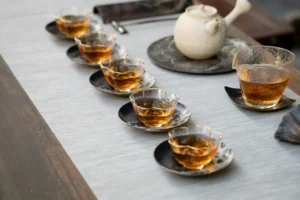
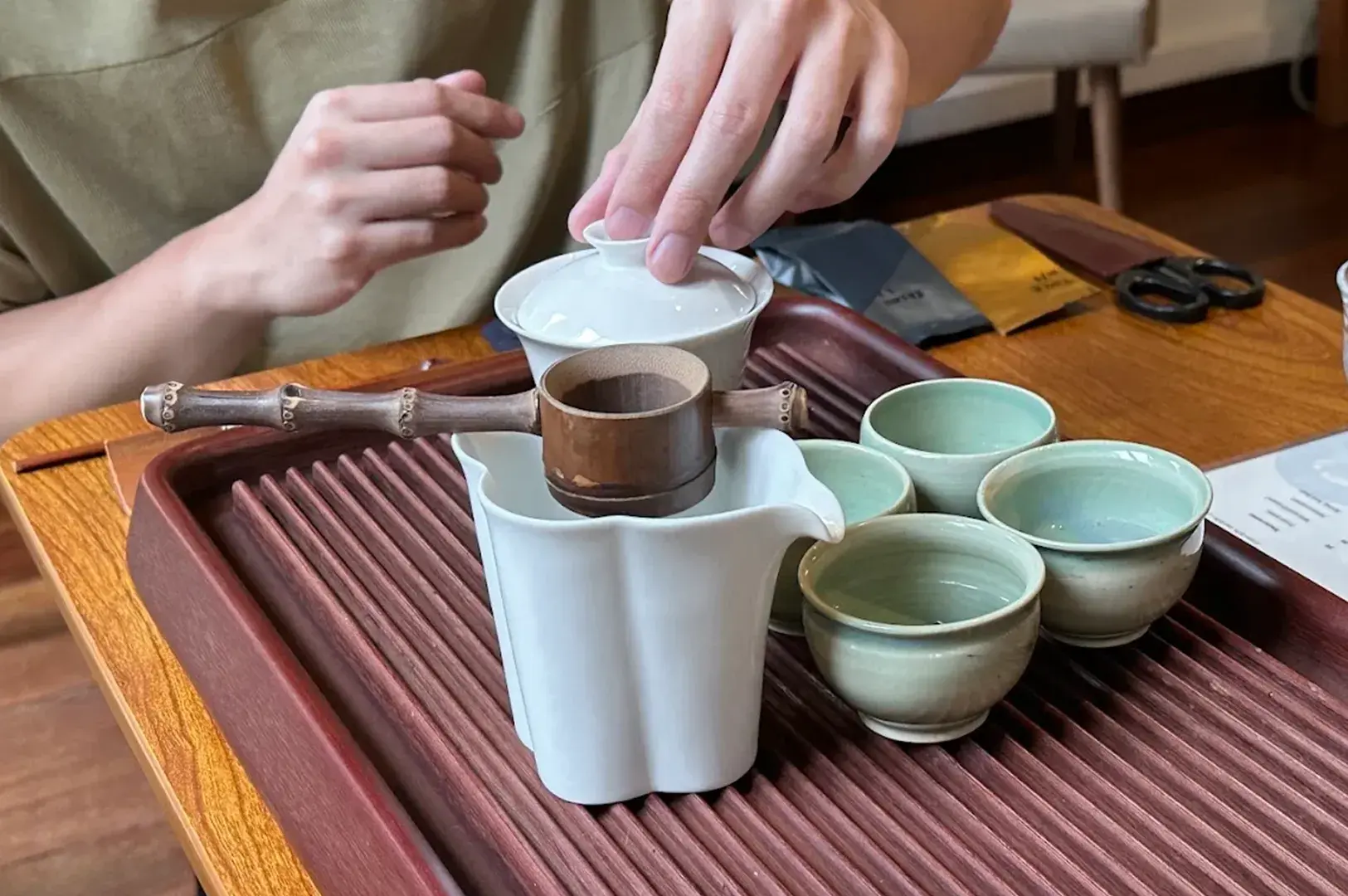
A progressive brew asks you to stay a while. The first steep tells you one thing. The second steep tells you something else, often quieter, sometimes deeper. You start to notice how a tea shifts, how it rounds out or softens as the leaves give more of themselves.
I've always thought the second steep is where a Chinese tea stops performing and starts confiding. Here, you're given room to notice that. No rush. No one clearing your cup before it's had its say.
Single-Serving Teas, Hot or Cold
If a full flight feels like too much, the single-serving teas are a gentler entry.
A hot brew on a grey day. A cold brew when Chinatown turns humid and close. It's the kind of choice that meets you where you are rather than asking you to arrive somewhere first.
For anyone newer to Chinese tea, this is an easy, welcoming way in. You don't need to know the language of it. You just need to be willing to sit and taste.
Oolong Tea, White Tea, and Learning to Slow Down in Life
The range leans into the teas worth lingering over. An oolong tea, with its long, folded character. A white tea, lighter, more whispered. These aren't drinks to gulp.
What I valued was how unintimidating it all felt. Tea culture can sometimes wear its knowledge heavily, as if you need to earn your seat. SILK didn't do that. It simply set good tea in front of me and let it speak for itself.
That's rarer than it sounds. A place can be serious about its craft and still leave the door open. This one does.
The Tea Wares, Quietly on Display: A Sign of Tradition and Business
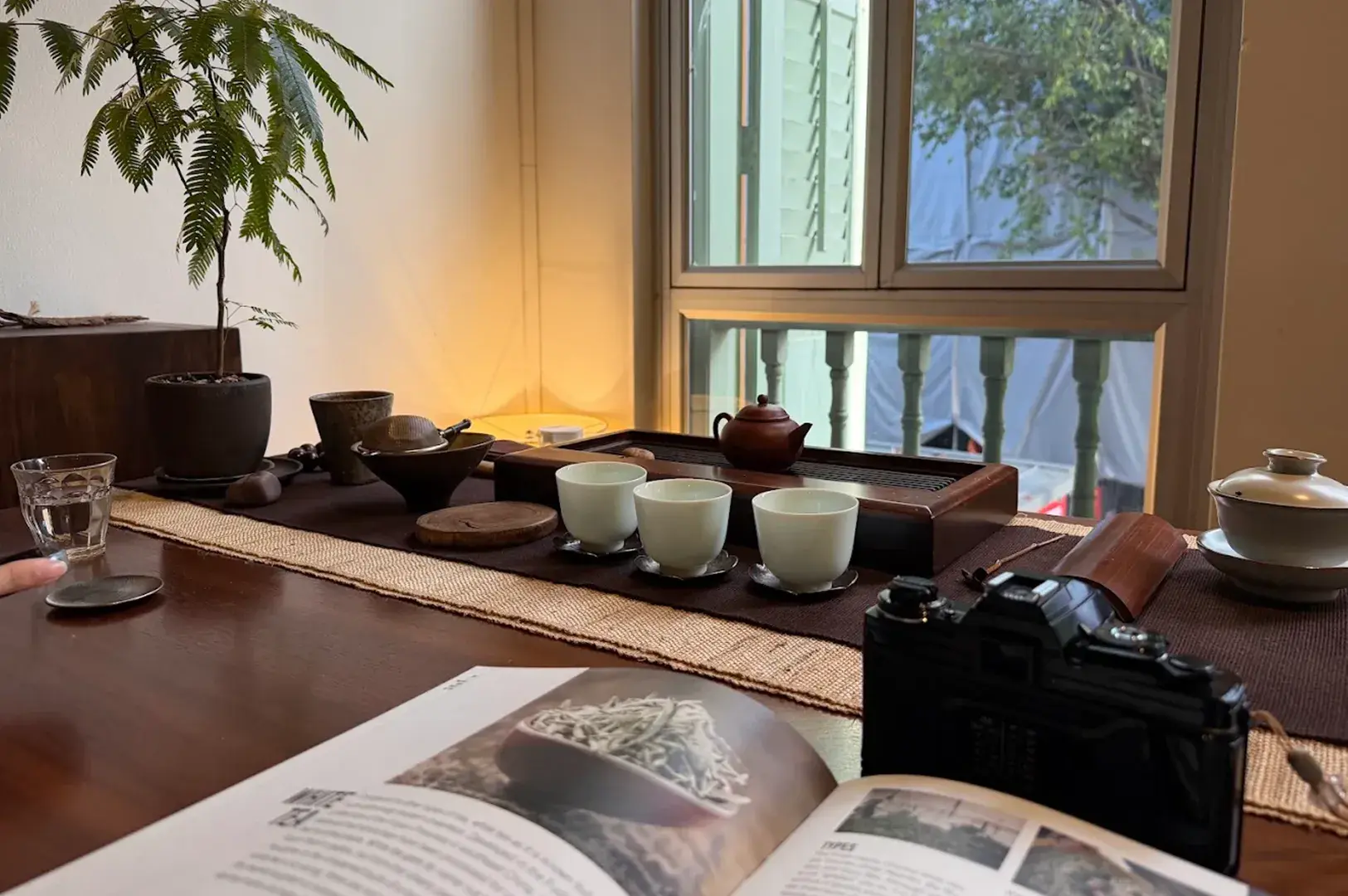
SILK also keeps a small collection of tea wares, and they're worth a slow look even if you came only to drink.
There's a certain kind of object made for actual use rather than display, and these lean that way. The Purion "Prosperity" Teapot, for instance, starts from SGD 275. Not an impulse buy, and it doesn't pretend to be. It's the sort of piece you'd choose once and keep for years, letting it season with the teas you return to.
I didn't leave with one. But I understood the pull. When tea becomes part of your rhythm, the vessel starts to matter too.
Service That Trusts the Tea and Invites You to Join
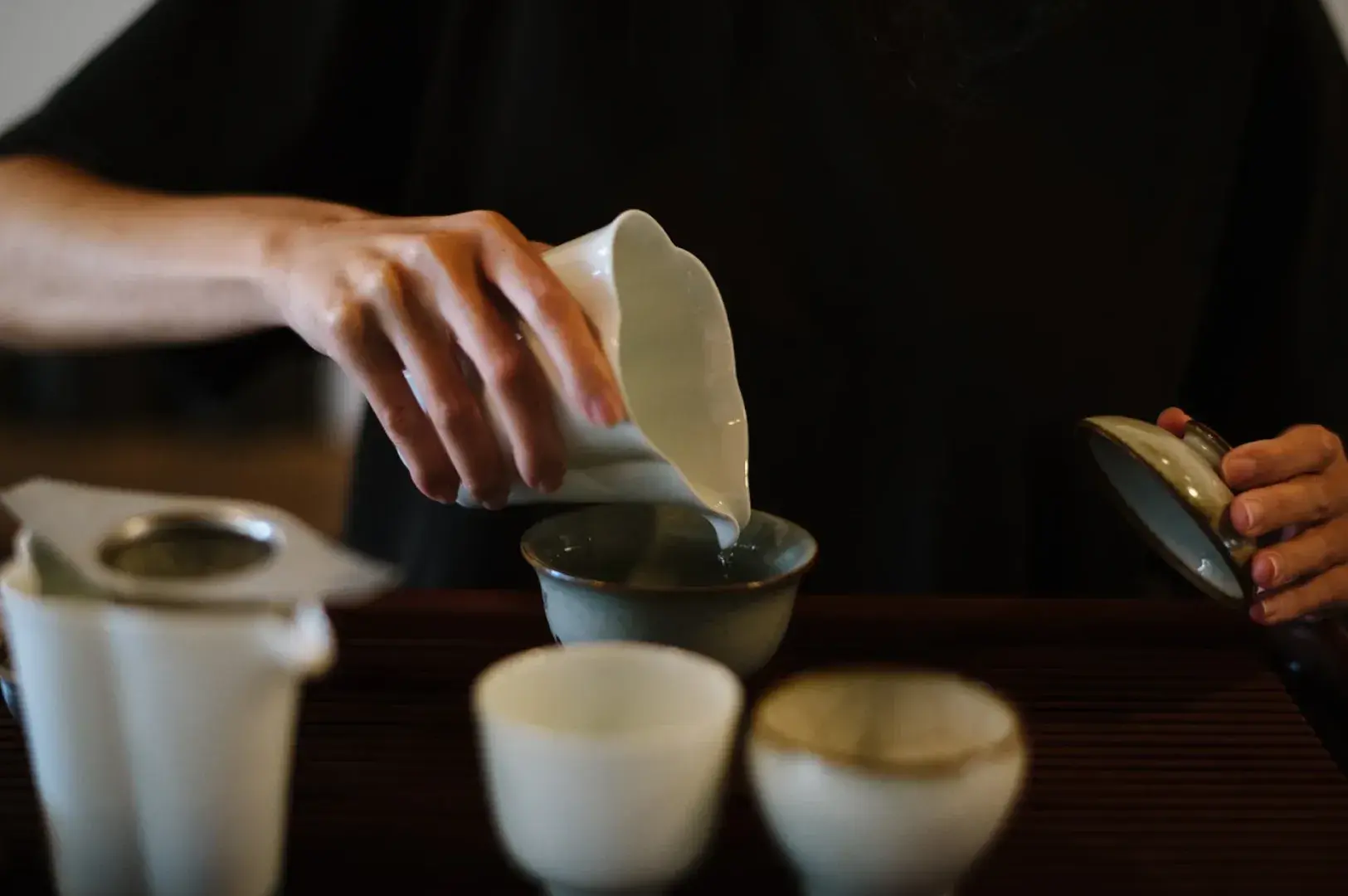
The service here doesn't hover, and I mean that as praise.
Tea was set down with care and then given space. No one performed the ceremony at me. No one narrated every note I was supposed to find. I was trusted to taste for myself, and that trust is its own kind of hospitality.
If you have questions, there's clearly knowledge to draw on from the owners, Melody and Xian, the duo behind the business. But it's offered, not imposed. That balance is hard to strike, and SILK strikes it quietly.
Practical Things Worth Knowing: Check the Ala Carte Menu and Plan Your Visit
A few notes before you go, because the hours here take a little planning.
- Where: 26A Sago Street, #02-01, Singapore 059021, on the second floor. Nearest MRT is Chinatown.
- Walk-ins: Available Tuesday to Sunday. Current daily hours should be checked before visiting, as SILK directs guests to its latest Google listing.
Reservations: Required for hosted tea flights and guided experiences, but Not for an ordinary walk-in tea session. Reservations are required for hosted tea flights and other guided tea experiences - Closed Mondays, so plan around that.
- Hosted tea flights are available by reservation if you want a guided session rather than a casual drop-in.
If it's your first visit, I'd come as a walk-in on a weekday afternoon. The room is calmer then, and there's no better way to meet a tea bar than unhurried.
What I'd Be Honest About: Not a Meal Spot, But Perfect for Rest and Light Snacks
It isn't a place for everyone, and I don't think it wants to be.
If you're hungry for a meal, look elsewhere first. This is a tea bar, not a kitchen. The food, where it appears, sits gently in the background as light snacks rather than the reason you came.
In a world today bombarded by fast food and sugary beverages, SILK Tea Bar offers a quiet alternative where tea is not an afterthought or merely a companion to dessert but a main event to be savoured.
The menu pairs well with simple snacks, and the experience is perfect for catching up with friends or enjoying a moment alone.
The younger crowd, often intimidated by traditional tea culture, might find SILK a welcoming place where their interest in quality beverages can grow without pressure.
The hours can also catch you out. SILK accepts walk-ins from Tuesday to Sunday. Daily hours vary, so check the latest Google listing before visiting. Reservations are required for hosted tea flights and guided experiences
And the second-floor setting, lovely as it is, means it won't call out to you from the street. You have to want to find it. For some, that's a barrier. For me, it was part of the charm.
Would I Climb Those Stairs Again? Yes, to Enjoy the Warm Flavours and Philosophy of SILK
By the time I left, the light had shifted and my cup had long gone cool.
I'd sat far longer than I meant to, which is usually how I know a place has reached me. SILK Tea Bar didn't try to impress me. It just poured carefully, using water it had thought about, and let me find my own way into the leaf.
I'd return for the multi-steep teas, for that unhurried second steep where the tea finally softens and tells you something true. But more than any single cup, I'd return for the quiet. For a room that asks you to climb a little, then rewards you by slowing everything down.
Some places serve tea. This one makes room for it. And in the middle of Sago Street's noise, that felt like a small, welcome kind of grace.
FAQ
Where is SILK Tea Bar located?
On the second floor of a shophouse at 26A Sago Street, #02-01, Singapore 059021. It's on Sago Street itself, not inside Chinatown Point, and the nearest MRT is Chinatown.
What are the opening hours?
SILK accepts walk-ins Tuesday to Sunday. Daily hours can vary, so check its latest Google listing before visiting. It is closed on Mondays.
Do I need a reservation?
For casual walk-ins during weekday hours, no. Ordinary tea sessions are available for walk-ins. Reservations are required for hosted tea flights and other guided tea experiences.
Can I buy tea wares there?
You can. SILK keeps a selection of tea wares made for real use, including pieces like the Purion "Prosperity" Teapot, which starts from SGD 275.
Is it beginner-friendly?
Yes. The tea is treated seriously but shared without pretension. A single-serving tea is an easy introduction, while SILK's multi-steep selections and hosted tea flights suit those who want to explore more deeply.

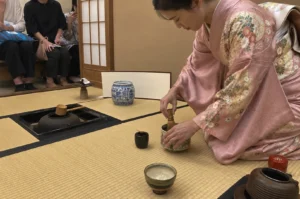
A Guide to the Wedding Tea Ceremony in Singapore: Tradition, Family, and Meaning
I still remember the morning of my older sister’s wedding day. We were packed into my parents’ flat, and the sticky humidity in the air was intense, even with the air conditioning running on full blast. Amidst the loud laughter and the fun of the morning gatecrash, everything suddenly slowed down. I watched her kneel…
-
Why Tea Gifts Always Feel More Personal
There are easier gifts to buy than tea. Gift cards, flowers, candles. They require very little thought. Most people will appreciate them, and if they don’t, no real harm is done. Tea feels different. Giving someone tea involves a small act of interpretation. You are making a quiet guess about what they might enjoy. Something…
-
Wabi Sabi Meaning: Discovering Beauty in Imperfection
Singapore is famous for its spotless streets, impressive glass towers, and a culture that constantly celebrates the new-be it design trends, the latest matcha drinks, or the next “perfect place” for brunch. For a long time, I bought into this idea of curated perfection. My home had to be pristine, my days measured for maximum…
-
The Strange Pressure to Understand Every Tea Immediately
Tea drinkers do something interesting. When trying a new tea, many immediately begin searching for the “correct” tasting notes. Floral. Roasted. Fruity. Mineral. Someone takes a sip and suddenly feels pressure to identify every subtle characteristic as though there is a right answer hidden somewhere inside the cup. And if the tea feels confusing at…
-
Tea Ceremony: The Hidden Meaning Behind Small Gestures
My first tea ceremony singapore experience left me more worried about etiquette than soaking in the moment. Surrounded by seasoned guests, I focused on getting every gesture right, how to bow, how to hold the cup, afraid of missing some point that makes tea culture here so unique. Looking back, I missed how these small…
-
Why Tea Always Feels More Honest Than Coffee
This might be slightly controversial, but tea has always felt more honest to me than coffee. Coffee often arrives with ambition. Productivity. Hustle culture. The promise that after one cup, you will suddenly become more awake, more focused, more efficient. Tea asks for much less. It doesn’t demand transformation. It simply sits beside you quietly….

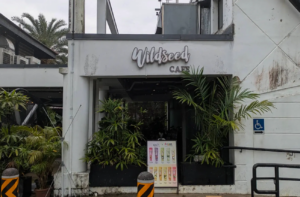
Wildseed Cafe Singapore: A Garden Escape for Tea Lovers
Sometimes, you just need to get out of the concrete city jungle and bask in nature. Last weekend, I was craving a quiet afternoon away from the chaotic mall crowds, so I made a reservation at Wildseed Cafe Singapore. Tucked away in the precincts of Seletar Aerospace Park within The Summerhouse, this multi concept restaurant…

Not Every Expensive Tea Is Actually Better
Tea drinkers rarely say this out loud. But many have probably thought it at least once. Sometimes an expensive tea tastes… fine. Not extraordinary. Not life-changing. Just fine. And yet modern tea culture often treats expensive tea as though it automatically deserves deeper admiration. A rare mountain harvest. Ancient tea trees. A tea produced in…

The Quiet Difference Between Muslim-Owned Cafés and MUIS-Certified Halal High Tea Spots in Singapore
I remember wandering down Arab Street years ago, searching for a quiet café where I could settle into an afternoon of coffee, tea, and conversation. I found a minimalist little space filled with delicate pastries and beautiful dessert displays, but hesitation quietly crept in as I began wondering about alcohol-based syrups, gelatin, and whether the…
-
Why Tea Shops Always Feel Slightly Different From Cafés
I’ve noticed something interesting over the years. People behave differently in tea shops. Not dramatically different, of course. No one suddenly becomes wiser the moment tea is poured. But the atmosphere tends to shift in subtle ways. Conversations slow down. Phones appear less often. Even silence feels more comfortable somehow. Tea shops carry a different…