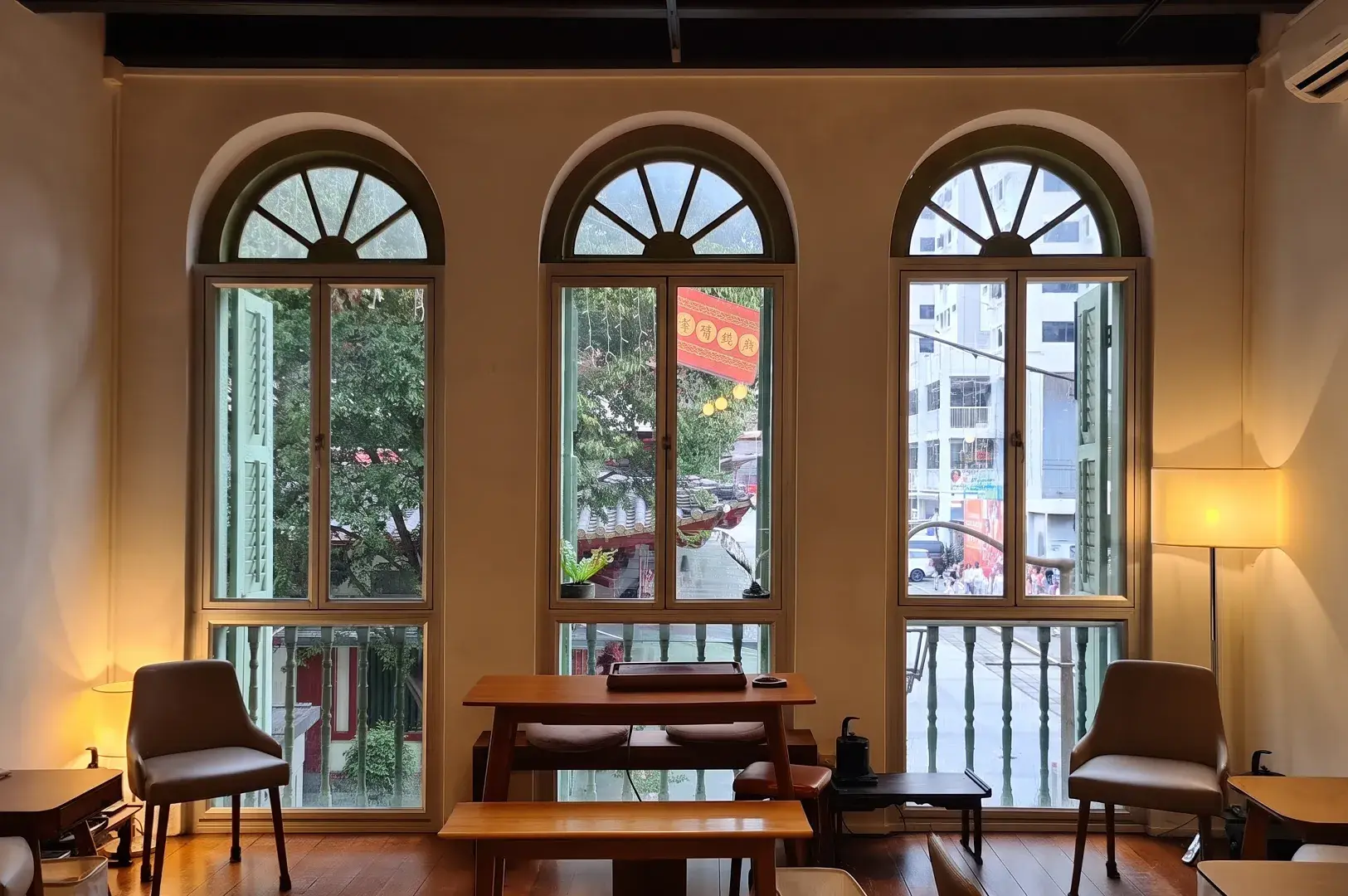
I almost walked past it.
Sago Street was loud that afternoon, the way Chinatown often is. Voices, footsteps, the clatter of a hundred small transactions. I was looking for a door and nearly missed the narrow one that led upstairs.
Then I climbed. And somewhere between the ground floor and the second, the noise fell away.
A Chinese Tea Teahouse You Have to Look For
SILK Tea Bar sits on the second floor of a shophouse at 26A Sago Street, tucked above the street rather than beside it. That small climb does something. By the time you reach the top, you've already left the rush behind.
This is not the SILK Tea Bar some people expect. It isn't inside Chinatown Point. It's here, on Sago Street, folded into the older bones of the neighbourhood, a short walk from Chinatown MRT.
I liked that it made me work a little to find it. The best rooms often do.
First Impressions From the Second Floor: A Warm, Present Moment
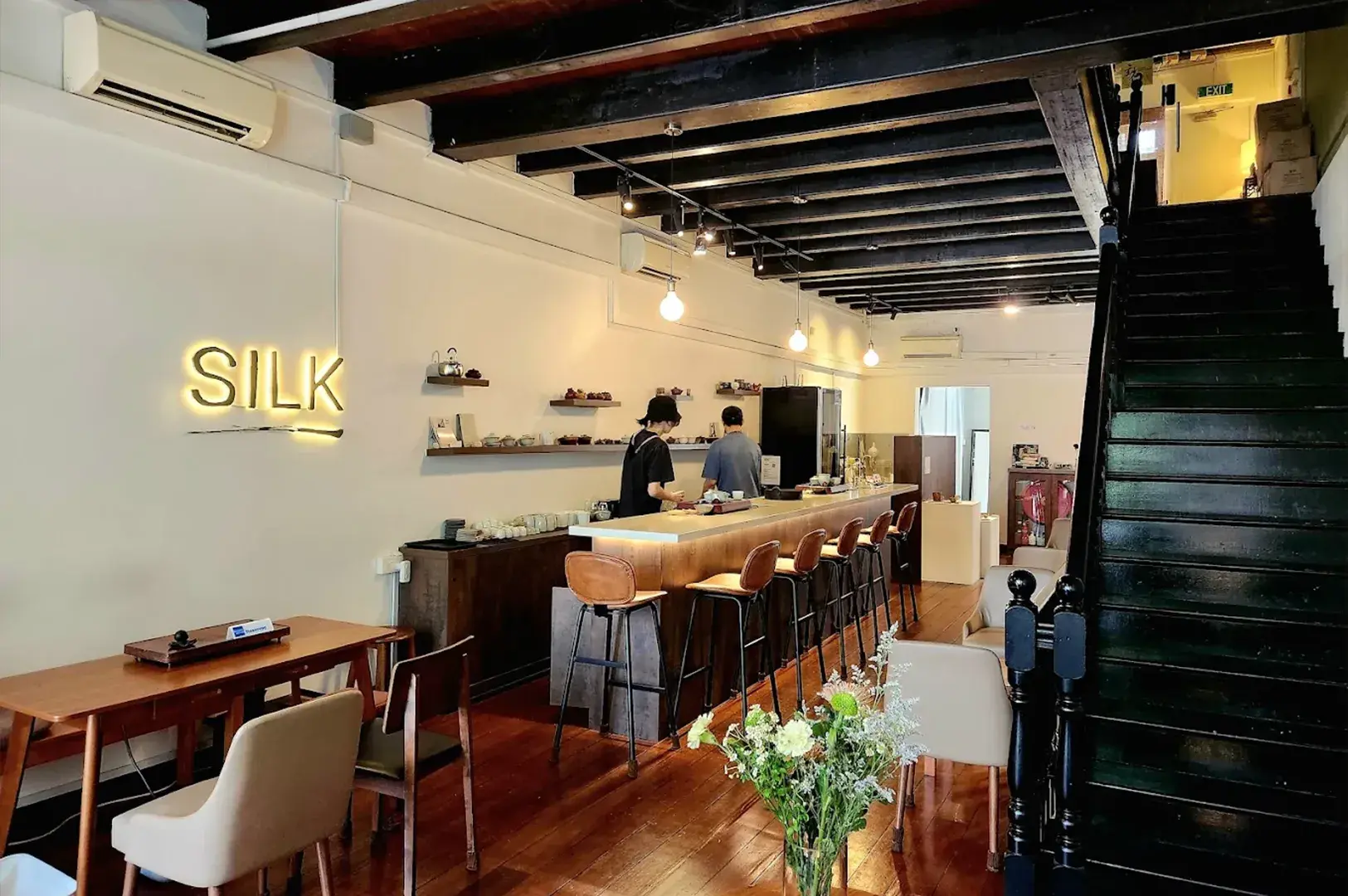
The space upstairs is calm in a way that feels intentional, not empty. Light comes in soft. Sound stays low. You lower your voice without being asked to.
I found a seat at a table and let my shoulders drop. There's a particular stillness to a teahouse that takes its tea seriously, and I felt it here before I'd ordered anything.
What struck me most was the honesty of the place. Nothing was styled to be photographed. It was simply a room for tea and conversation, and it seemed content to be exactly that.
The Tea: Where SILK Actually Speaks in Flavours and Philosophy
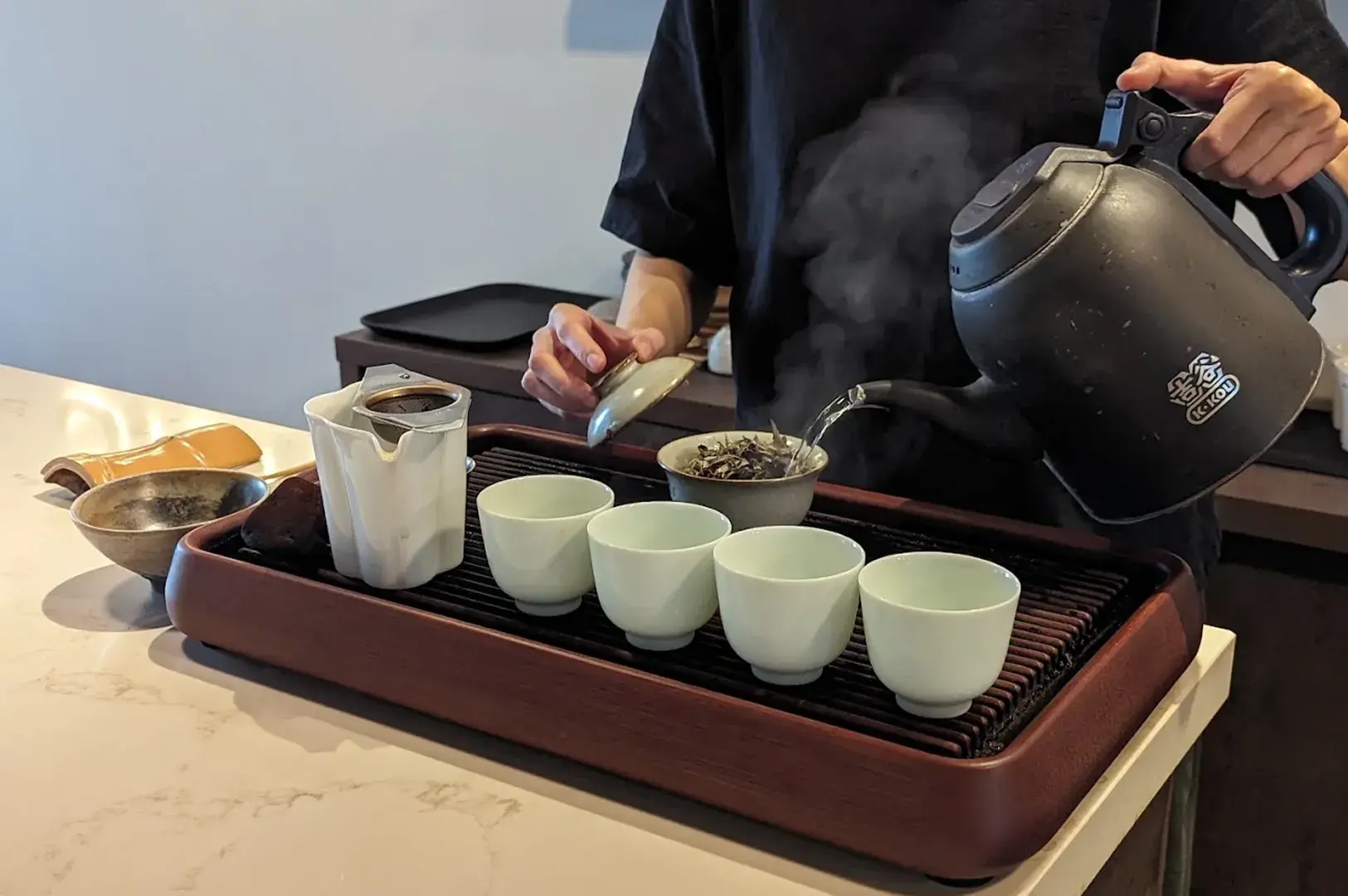
Because this is a tea bar first, I let the tea lead.
SILK offers both single-serving teas and multi-steep tea sessions, alongside reservation-based hosted tea flights. SILK uses natural spring water for its tea service, which sounds like a small detail until you taste what it does. Softer water, cleaner tea. The leaf comes through without anything muddying it.
I appreciated that you can choose your depth. Some afternoons you want to sit with one leaf and follow it. Other days you want the arc of a session, watching a tea change as it opens.
Multi-Steep Teas and the Process of the Second Steep
The multi-steep teas are where the tea bar shows its patience.
A progressive brew asks you to stay a while. The first steep tells you one thing. The second steep tells you something else, often quieter, sometimes deeper. You start to notice how a tea shifts, how it rounds out or softens as the leaves give more of themselves.
I've always thought the second steep is where a Chinese tea stops performing and starts confiding. Here, you're given room to notice that. No rush. No one clearing your cup before it's had its say.
Single-Serving Teas, Hot or Cold
If a full flight feels like too much, the single-serving teas are a gentler entry.
A hot brew on a grey day. A cold brew when Chinatown turns humid and close. It's the kind of choice that meets you where you are rather than asking you to arrive somewhere first.
For anyone newer to Chinese tea, this is an easy, welcoming way in. You don't need to know the language of it. You just need to be willing to sit and taste.
Oolong Tea, White Tea, and Learning to Slow Down in Life
The range leans into the teas worth lingering over. An oolong tea, with its long, folded character. A white tea, lighter, more whispered. These aren't drinks to gulp.
What I valued was how unintimidating it all felt. Tea culture can sometimes wear its knowledge heavily, as if you need to earn your seat. SILK didn't do that. It simply set good tea in front of me and let it speak for itself.
That's rarer than it sounds. A place can be serious about its craft and still leave the door open. This one does.
The Tea Wares, Quietly on Display: A Sign of Tradition and Business
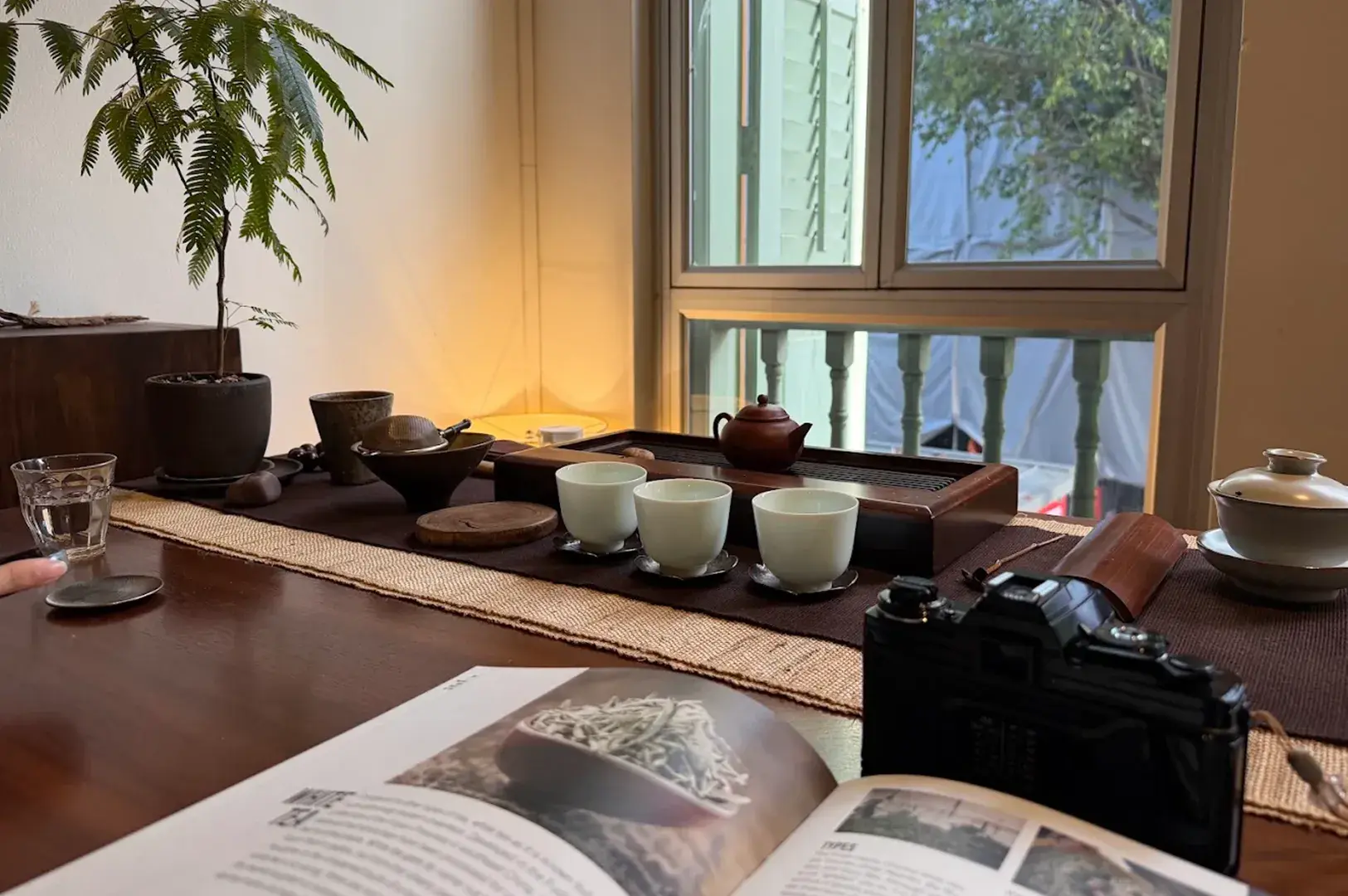
SILK also keeps a small collection of tea wares, and they're worth a slow look even if you came only to drink.
There's a certain kind of object made for actual use rather than display, and these lean that way. The Purion "Prosperity" Teapot, for instance, starts from SGD 275. Not an impulse buy, and it doesn't pretend to be. It's the sort of piece you'd choose once and keep for years, letting it season with the teas you return to.
I didn't leave with one. But I understood the pull. When tea becomes part of your rhythm, the vessel starts to matter too.
Service That Trusts the Tea and Invites You to Join
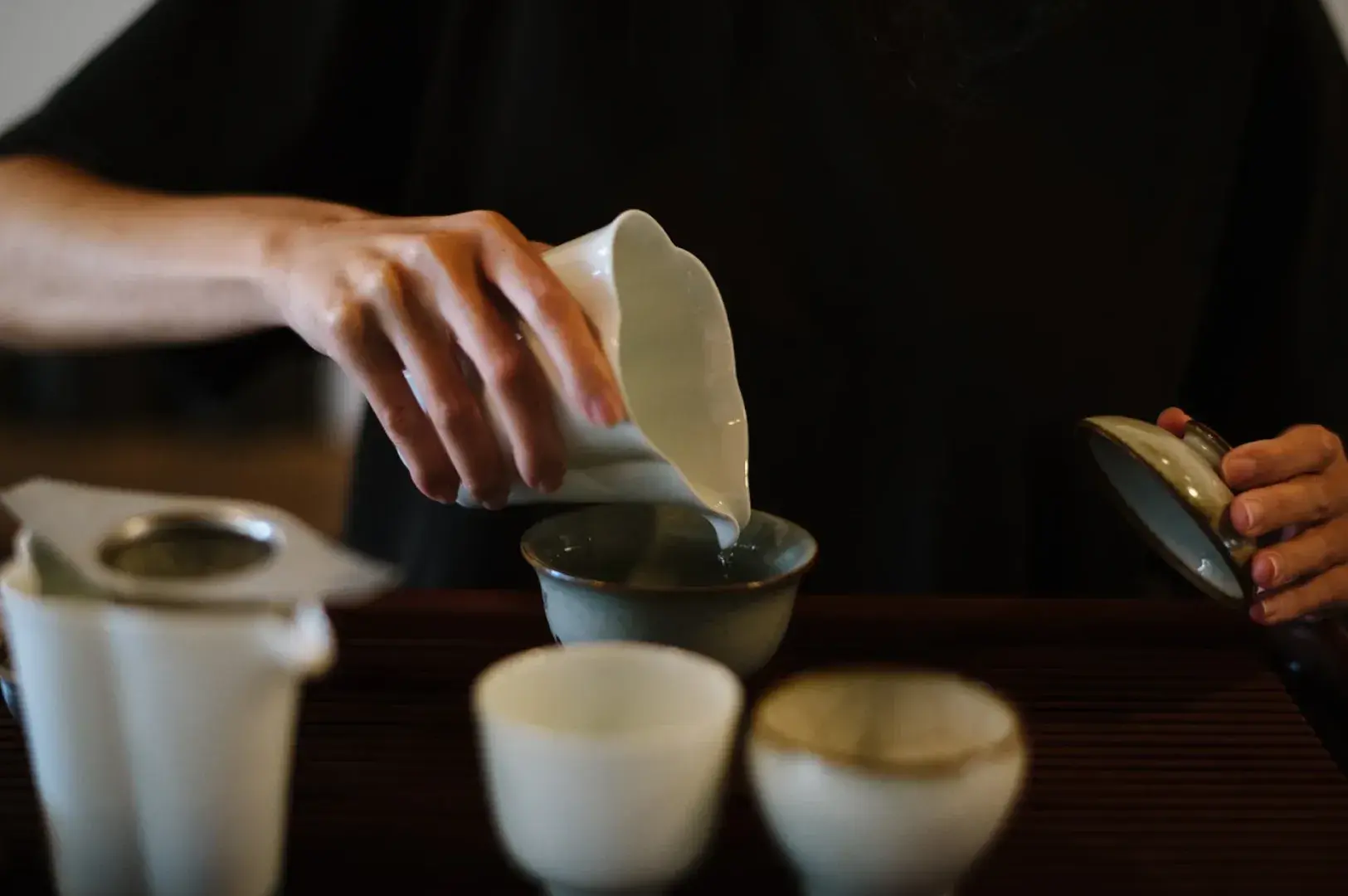
The service here doesn't hover, and I mean that as praise.
Tea was set down with care and then given space. No one performed the ceremony at me. No one narrated every note I was supposed to find. I was trusted to taste for myself, and that trust is its own kind of hospitality.
If you have questions, there's clearly knowledge to draw on from the owners, Melody and Xian, the duo behind the business. But it's offered, not imposed. That balance is hard to strike, and SILK strikes it quietly.
Practical Things Worth Knowing: Check the Ala Carte Menu and Plan Your Visit
A few notes before you go, because the hours here take a little planning.
- Where: 26A Sago Street, #02-01, Singapore 059021, on the second floor. Nearest MRT is Chinatown.
- Walk-ins: Available Tuesday to Sunday. Current daily hours should be checked before visiting, as SILK directs guests to its latest Google listing.
Reservations: Required for hosted tea flights and guided experiences, but Not for an ordinary walk-in tea session. Reservations are required for hosted tea flights and other guided tea experiences - Closed Mondays, so plan around that.
- Hosted tea flights are available by reservation if you want a guided session rather than a casual drop-in.
If it's your first visit, I'd come as a walk-in on a weekday afternoon. The room is calmer then, and there's no better way to meet a tea bar than unhurried.
What I'd Be Honest About: Not a Meal Spot, But Perfect for Rest and Light Snacks
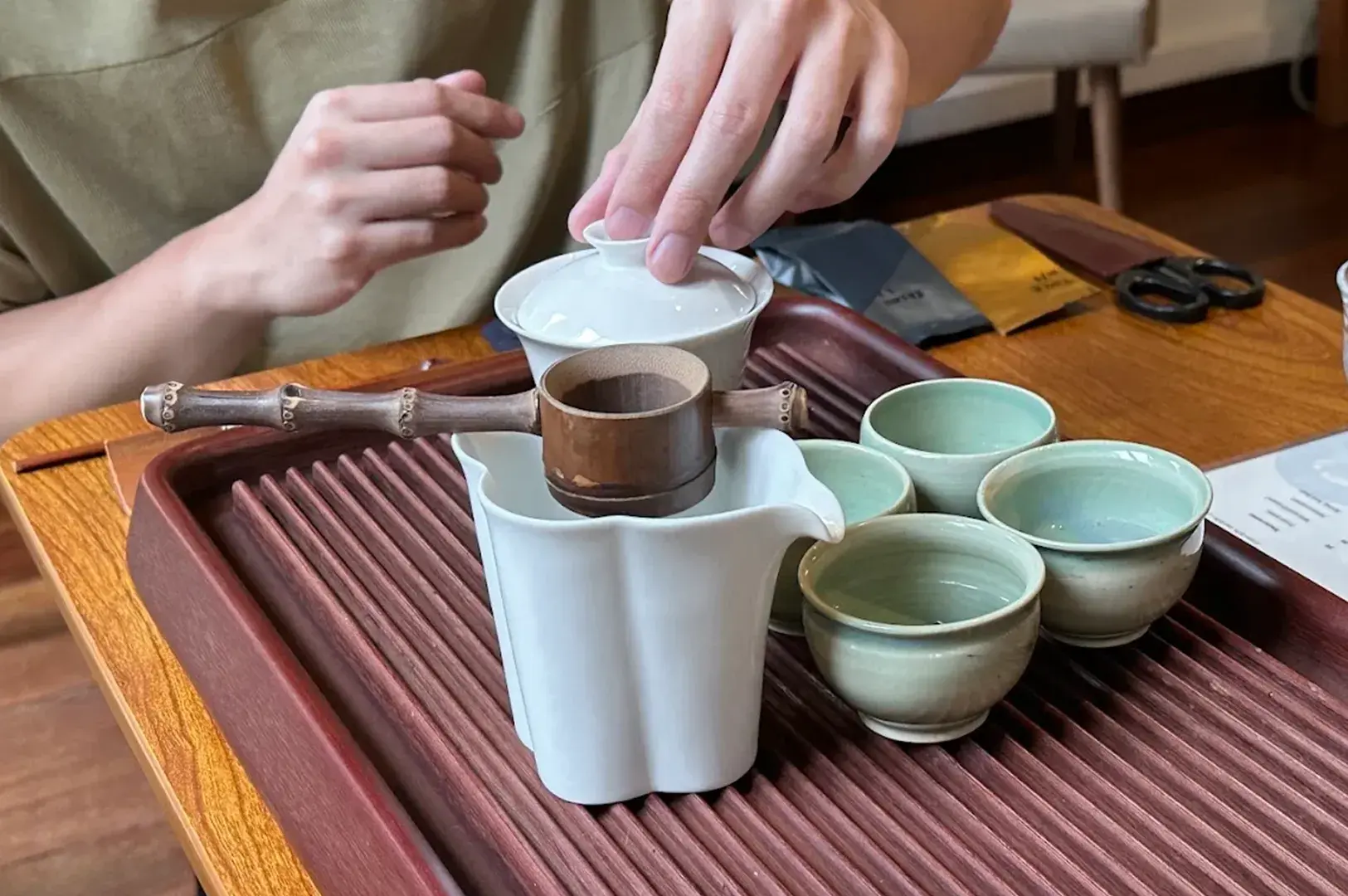
It isn't a place for everyone, and I don't think it wants to be.
If you're hungry for a meal, look elsewhere first. This is a tea bar, not a kitchen. The food, where it appears, sits gently in the background as light snacks rather than the reason you came.
In a world today bombarded by fast food and sugary beverages, SILK Tea Bar offers a quiet alternative where tea is not an afterthought or merely a companion to dessert but a main event to be savoured.
The menu pairs well with simple snacks, and the experience is perfect for catching up with friends or enjoying a moment alone.
The younger crowd, often intimidated by traditional tea culture, might find SILK a welcoming place where their interest in quality beverages can grow without pressure.
The hours can also catch you out. SILK accepts walk-ins from Tuesday to Sunday. Daily hours vary, so check the latest Google listing before visiting. Reservations are required for hosted tea flights and guided experiences
And the second-floor setting, lovely as it is, means it won't call out to you from the street. You have to want to find it. For some, that's a barrier. For me, it was part of the charm.
Would I Climb Those Stairs Again? Yes, to Enjoy the Warm Flavours and Philosophy of SILK
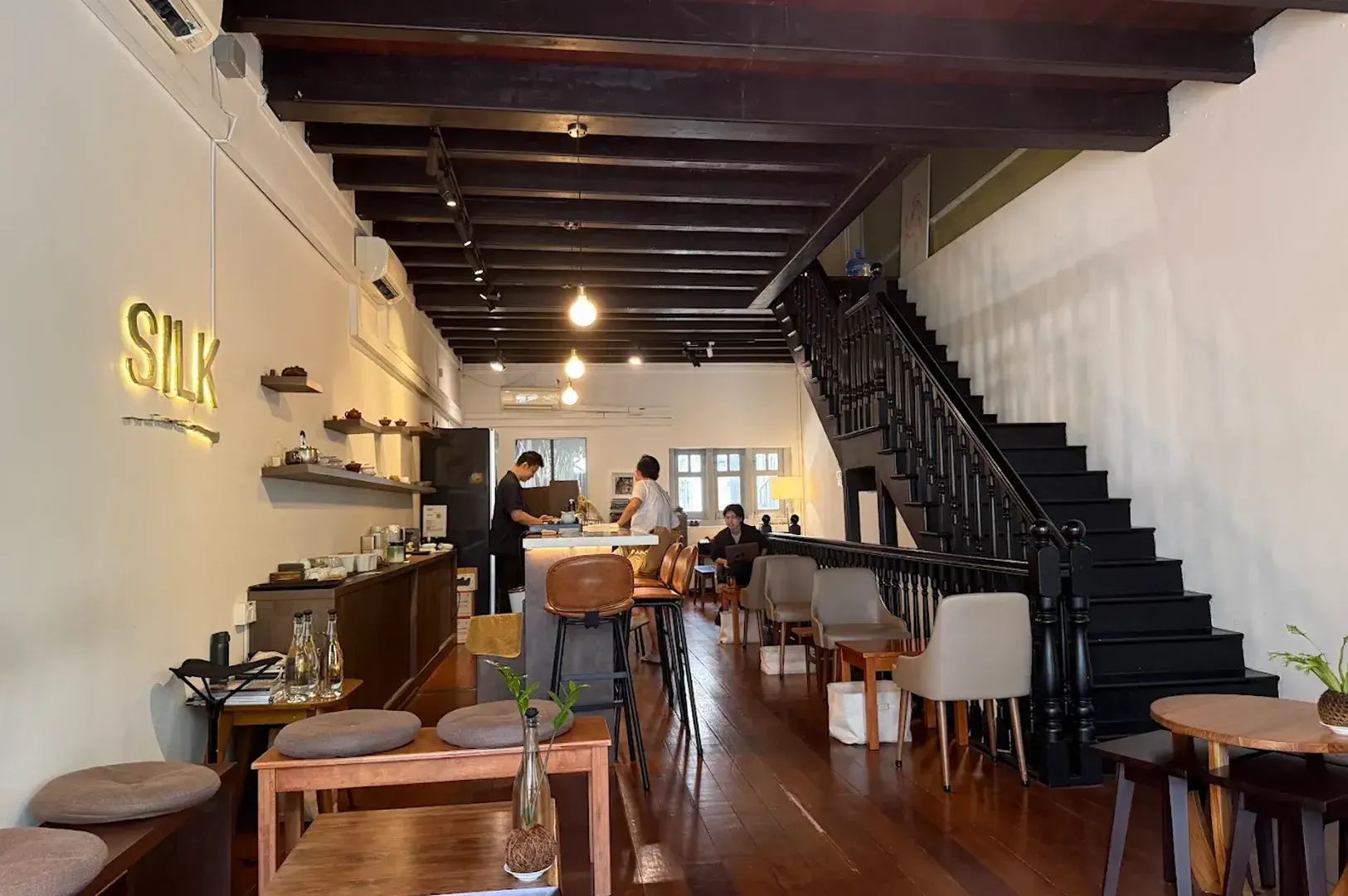
By the time I left, the light had shifted and my cup had long gone cool.
I'd sat far longer than I meant to, which is usually how I know a place has reached me. SILK Tea Bar didn't try to impress me. It just poured carefully, using water it had thought about, and let me find my own way into the leaf.
I'd return for the multi-steep teas, for that unhurried second steep where the tea finally softens and tells you something true. But more than any single cup, I'd return for the quiet. For a room that asks you to climb a little, then rewards you by slowing everything down.
Some places serve tea. This one makes room for it. And in the middle of Sago Street's noise, that felt like a small, welcome kind of grace.
FAQ
Where is SILK Tea Bar located?
On the second floor of a shophouse at 26A Sago Street, #02-01, Singapore 059021. It's on Sago Street itself, not inside Chinatown Point, and the nearest MRT is Chinatown.
What are the opening hours?
SILK accepts walk-ins Tuesday to Sunday. Daily hours can vary, so check its latest Google listing before visiting. It is closed on Mondays.
Do I need a reservation?
For casual walk-ins during weekday hours, no. Ordinary tea sessions are available for walk-ins. Reservations are required for hosted tea flights and other guided tea experiences.
Can I buy tea wares there?
You can. SILK keeps a selection of tea wares made for real use, including pieces like the Purion "Prosperity" Teapot, which starts from SGD 275.
Is it beginner-friendly?
Yes. The tea is treated seriously but shared without pretension. A single-serving tea is an easy introduction, while SILK's multi-steep selections and hosted tea flights suit those who want to explore more deeply.

A Tea Lover’s Guide to the Best Japanese Restaurant Singapore Dining Experiences
Searching for the best Japanese restaurant Singapore offers usually leads people toward sushi counters, omakase menus, or beautifully plated sashimi. Those elements certainly define much of the appeal of Japanese cuisine, but anyone who has spent time dining in Japan knows that the experience rarely ends with the food alone. Tea quietly accompanies the meal….

Why Tea Conversations Always Last Longer Than Expected
There is a small pattern I have started to notice about tea. Whenever tea is involved, conversations tend to last longer than planned. Someone says they will only stay for a short while. A kettle is placed on the stove. Tea is poured into a few cups, and suddenly the conversation begins to stretch in…
-
White Tea: The Most Delicate Expression of Chinese Tea
Introduction Among the many tea types that have emerged from centuries of tea cultivation, white tea often stands apart for its quiet character. It is light in colour, gentle in aroma, and remarkably simple in its making. Yet behind this softness lies a long tradition of craftsmanship that has shaped some of the most refined…
-
The Quiet Discipline of Brewing Tea
There is a quiet discipline that lives inside the act of brewing tea. It is not something that announces itself loudly. There are no strict rules written on the wall, no visible signs that something significant is taking place. From the outside, the process appears simple enough. Water is heated. Leaves are placed into a…
-
Understanding the Six Types of Chinese Tea and What Makes Each Unique
Introduction Across centuries of Chinese culture, tea has held a place of quiet importance. It appears in homes, markets, and tea houses across China, where the simple act of sharing a cup reflects patience, hospitality, and tradition. For many people, Chinese tea is not only a beverage. It is a moment of reflection and a…
-
Stepping Into a Tea Shop Singapore: A World of Leaves, Craft, and Calm
Introduction A good tea shop Singapore offers is not simply a place to buy tea. It is a place where flavour, craft, and tradition meet. In a city known for speed and convenience, a proper tea house offers something different. It invites people to slow down, pay attention, and actually taste what is in their…
-
When Tea Becomes Too Beautiful to Drink
I recently saw a photograph of a tea session online that looked almost too perfect. The teapot sat neatly on a polished tray. The cups were aligned in a way that suggested someone had carefully adjusted them, perhaps more than once. A small branch of flowers leaned gently toward the tea set as if it…

How Tea in Singapore Traveled From Colonial Tables to Modern Teahouses
Tea in Singapore moves quietly through the day, carrying within its steam the gentle convergence of traditions that have found their way to this island over generations. In the soft morning light of hawker centers, the rhythmic pour of teh tarik creates small moments of pause, while afternoon finds its way into tranquil tea rooms…

Are We Drinking Tea or Just Collecting It?
There was a time when buying tea meant something simple. You chose a tea you liked, brought it home, and brewed it. The leaves were meant for hot water, not long-term storage. Yet something has quietly changed. Today it is not unusual to meet tea drinkers with shelves filled with sealed cakes, tins, and packets…

The Soul of Tea: Unveiling the Beauty of Traditional Tea Ceremonies
Tea is more than just a drink, isn’t it? It is a quiet moment in the middle of a busy day, a small ritual that grounds us. We are not just drinking tea; we are experiencing something far more profound, a glimpse into the centuries-old traditions of cultures that revere this simple beverage. Whether in…