There is a habit I have noticed among tea drinkers.
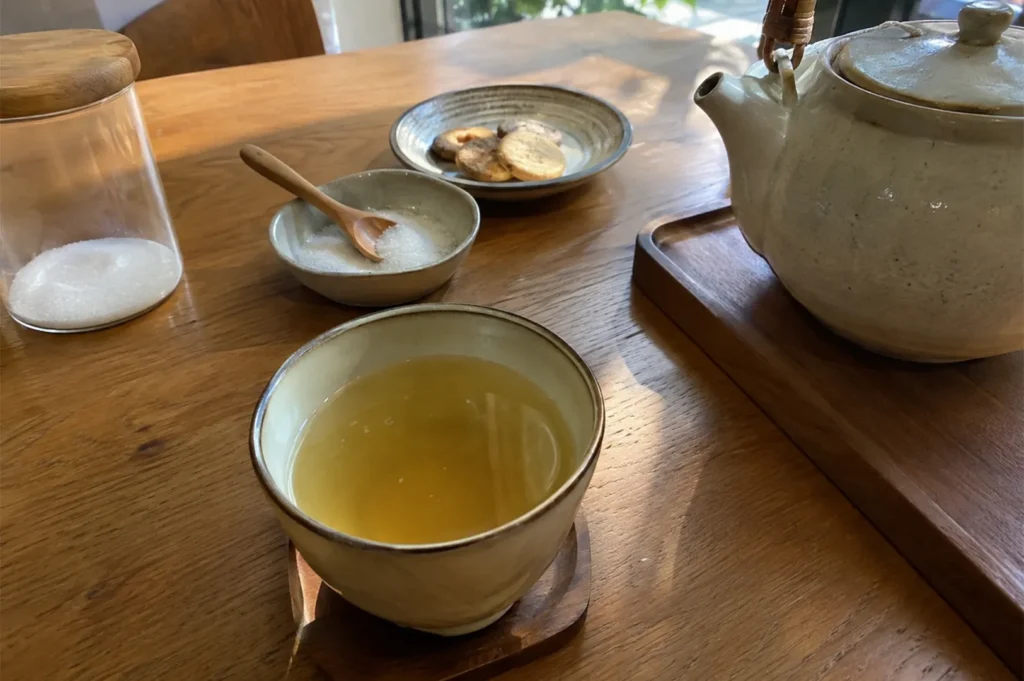
Sugar goes in before the first sip.
Perhaps it is only a small spoonful. Perhaps two. But the tea is sweetened before it has been given a chance to introduce itself.
I used to do this too.
It seemed harmless. Tea was bitter, sugar made it pleasant, and there was little reason to question the habit.
But eventually I began wondering what I was missing.
Tea has a remarkable range of flavours. Some are naturally sweet. Others are floral, roasted, earthy, fruity, or slightly astringent. These qualities can be subtle, particularly when we are accustomed to sweetness.
If sugar arrives first, those details become harder to notice.
This does not mean sugar has no place in tea. It certainly does. Milk tea, sweet tea, and many traditional preparations around the world have been enjoyed with sweetness for generations.
The problem is not adding sugar.
It is adding it before deciding whether the tea needs it.
There is a difference.
I have found that drinking tea without sweetener, at least initially, changes the way I experience it. A tea that once seemed bitter may reveal a gentle sweetness after a few sips. A roasted oolong may show more depth. A green tea may reveal a fresh, almost vegetal character that sweetness would have hidden.
The palate adjusts.
Perhaps this is what we mean when we talk about developing a taste for tea. It is not necessarily about becoming more sophisticated. It is simply about becoming more attentive.
We train ourselves to notice what is already there.
Modern tea culture sometimes encourages us to chase stronger flavours, sweeter drinks, and immediate pleasure. There is nothing wrong with enjoying those things.
But if every cup begins with sugar, we may never discover what the leaves were trying to say.
So I have adopted a small rule for myself.
Taste first.
Sweeten later, if necessary.
Sometimes the tea is better without sugar.
Sometimes it is better with it.
The important part is knowing the difference.
With quiet regard,
N. P. Lim

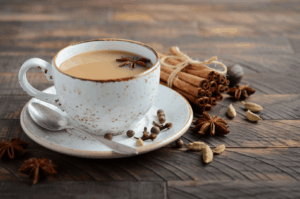
Masala Chai Origins: The Cultural Evolution of India’s Spiced Tea Tradition
The rhythmic clanging of metal kettles echoes through narrow lanes as steam rises from countless chai stalls across India. The intoxicating aroma of cardamom, cinnamon, and fresh ginger mingles with robust black tea, creating an olfactory symphony that has captivated souls for centuries. This is masala chai-not merely a beverage, but a cultural phenomenon that…
-
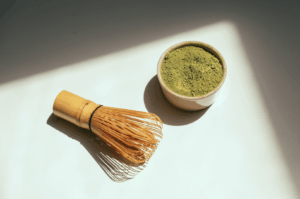
Matcha Tea: The Versatile Japanese Green Tea Powder
The vibrant green powder that transforms simple hot water into liquid jade has captivated tea enthusiasts worldwide. Matcha tea represents more than just a trendy beverage-it’s a bridge connecting ancient Japanese traditions with modern culinary innovation. This unique form of powdered green tea offers endless possibilities, from meditative ceremonial drinking to creative kitchen applications that…
-
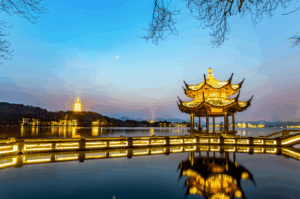
The Dragon Well Legacy: Exploring China’s Legendary Longjing Tea
Among the world’s most revered green teas, few carry the prestige and cultural significance of China’s legendary Dragon Well. This premium tea has captivated tea enthusiasts for centuries, earning its place as an imperial favourite and modern icon alike. From its mystical origins at West Lake to its meticulous processing methods, Longjing represents the pinnacle…