There is a curious tendency among tea enthusiasts to speak more carefully about leaves that are difficult to obtain.
A limited harvest. An ageing Pu-erh cake. A Long Jing from a particularly celebrated growing area.
The language changes almost immediately.
We become more attentive to provenance, more patient with preparation, and more willing to search for qualities that might otherwise escape us.
I understand this instinct.
Scarcity can make something interesting. A tea produced in small quantities may reflect particular growing conditions or skills that deserve recognition.
But I have never been entirely comfortable with the idea that rarity should determine how much attention a tea receives.
Consider an ordinary Tie Guan Yin.
Not an exceptional competition-grade example, nor a particularly expensive harvest. Simply a well-made oolong that can be enjoyed regularly.
Its floral character, gentle sweetness, and changing expression across infusions are no less real because the tea is widely available.
Yet we sometimes approach familiar teas with less curiosity.
We assume we already understand them.
I think this is where appreciation quietly becomes confused with prestige.
There is a difference between recognising exceptional craftsmanship and believing that only exceptional things deserve careful attention.
A modest black tea can reveal considerable complexity. An everyday roasted oolong can offer warmth and familiarity that a rare tea, however impressive, may not provide.
Neither experience needs to compete with the other.
I have also come to question what we mean when we describe a tea as valuable.
Price can reflect genuine factors such as labour, production costs, quality, and limited supply. But it can also reflect reputation, demand, and the desire to possess something uncommon.
Those are not necessarily measures of enjoyment.
Perhaps the more revealing question is whether we would still appreciate a tea if we knew nothing about its price or reputation.
Would we give it the same patience?
Would we notice the same details?
There is nothing wrong with seeking rare leaves. Discovery remains one of tea’s enduring pleasures.
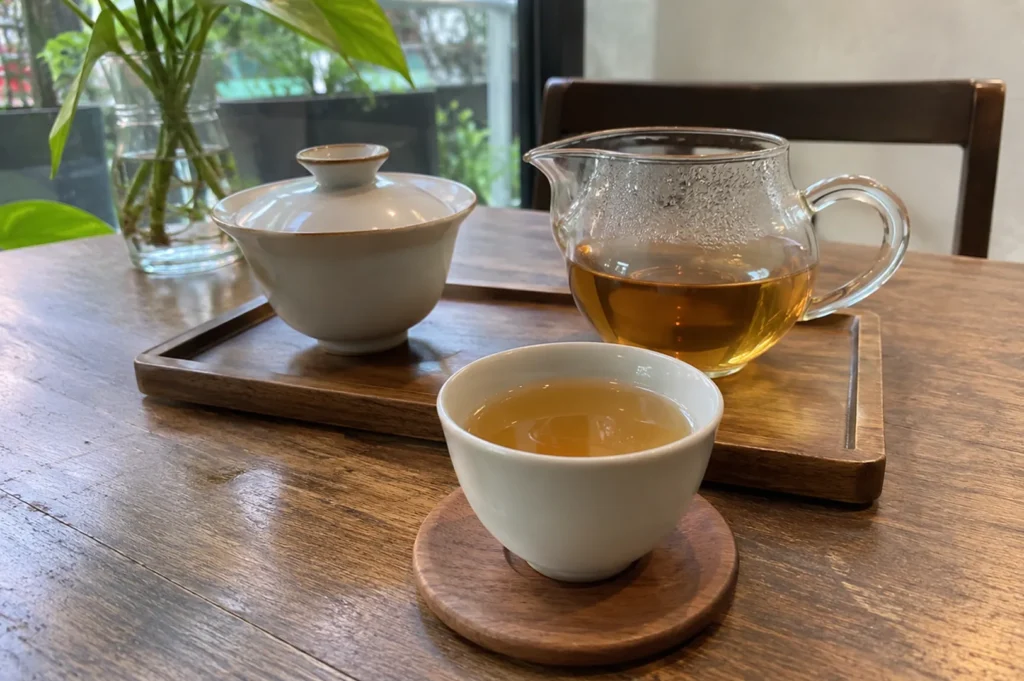
But I would rather not become so occupied with finding extraordinary tea that I overlook the ordinary cup already before me.
Attention, after all, is something we choose to give.
And a tea does not need to be rare to deserve it.
With quiet regard,
N. P. Lim

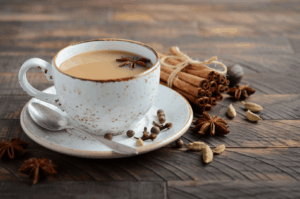
Masala Chai Origins: The Cultural Evolution of India’s Spiced Tea Tradition
The rhythmic clanging of metal kettles echoes through narrow lanes as steam rises from countless chai stalls across India. The intoxicating aroma of cardamom, cinnamon, and fresh ginger mingles with robust black tea, creating an olfactory symphony that has captivated souls for centuries. This is masala chai-not merely a beverage, but a cultural phenomenon that…
-
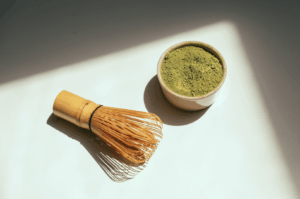
Matcha Tea: The Versatile Japanese Green Tea Powder
The vibrant green powder that transforms simple hot water into liquid jade has captivated tea enthusiasts worldwide. Matcha tea represents more than just a trendy beverage-it’s a bridge connecting ancient Japanese traditions with modern culinary innovation. This unique form of powdered green tea offers endless possibilities, from meditative ceremonial drinking to creative kitchen applications that…
-
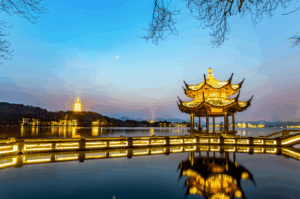
The Dragon Well Legacy: Exploring China’s Legendary Longjing Tea
Among the world’s most revered green teas, few carry the prestige and cultural significance of China’s legendary Dragon Well. This premium tea has captivated tea enthusiasts for centuries, earning its place as an imperial favourite and modern icon alike. From its mystical origins at West Lake to its meticulous processing methods, Longjing represents the pinnacle…