I used to believe that discovering better tea meant gradually leaving ordinary preferences behind.
The more I learned, the more refined my tastes were supposed to become. I would move towards rarer leaves, more complicated flavours, and teas that demanded greater attention.
But taste does not always develop in a straight line.
Some teas remain with us. Others gradually lose their appeal.
And I have come to think there is nothing unfortunate about that.
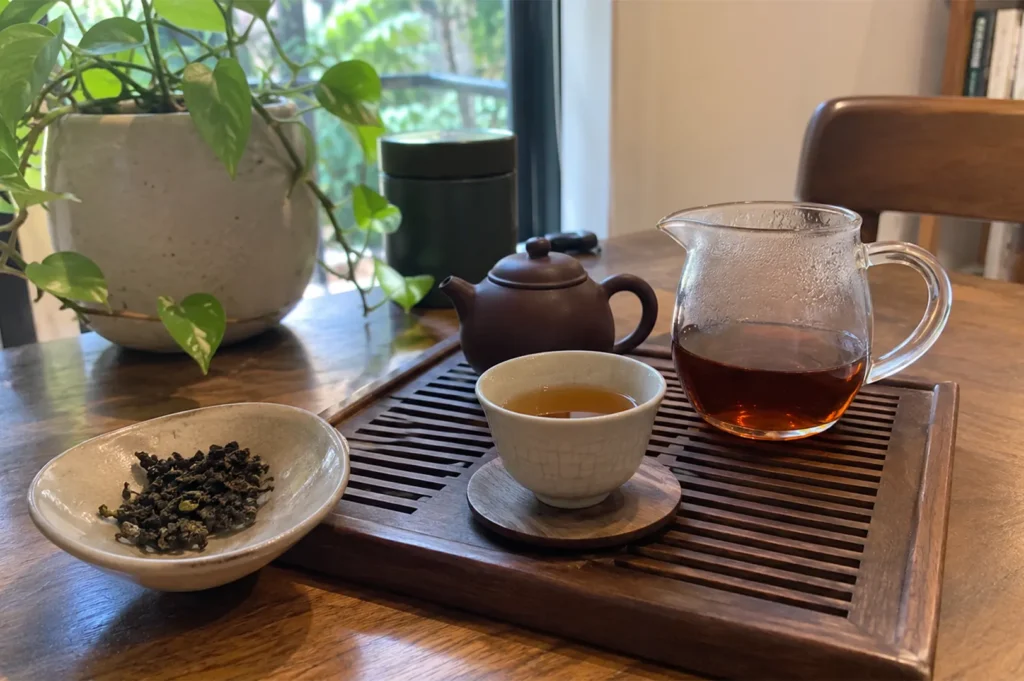
Dong Ding oolong is the kind of tea I find myself returning to. Particularly the traditionally roasted styles from Taiwan, where the warmth of the roast sits alongside a gentle sweetness.
It offers complexity without demanding that I analyse every infusion.
There is comfort in that familiarity.
I feel something similar about ripe Pu-erh, or shou Pu-erh. Its earthy, mellow character can seem unremarkable to those searching for bright aromas and dramatic flavours.
But I increasingly appreciate teas that do not need to announce themselves.
Not every cup needs to surprise me.
Then there are teas I have gradually outgrown.
Japanese sencha once represented much of what I admired about tea. Its grassy freshness, savoury character, and sometimes sharp finish seemed to reward careful preparation.
I still recognise those qualities.
Yet I no longer reach for that particular flavour as often. What once felt exciting can now feel less suited to the way I prefer to drink tea.
That does not make sencha inferior.
It simply means my preferences have changed.
I think tea enthusiasts sometimes struggle with this distinction. We become attached to the idea that our taste should continuously advance towards something more sophisticated.
But perhaps developing a palate is not about climbing a hierarchy.
Perhaps it is about becoming more honest with ourselves.
A tea we once loved can remain excellent even when we no longer desire it. And a familiar, inexpensive tea can continue to offer pleasure long after we have encountered supposedly finer alternatives.
There is no need to defend either choice.
I no longer want my tea collection to represent how much I have learned.
I want it to reflect what I genuinely enjoy drinking.
The difference, I think, is worth keeping.
With quiet regard,
N. P. Lim

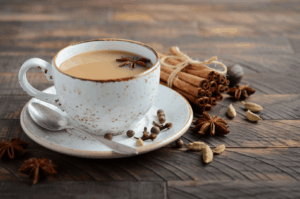
Masala Chai Origins: The Cultural Evolution of India’s Spiced Tea Tradition
The rhythmic clanging of metal kettles echoes through narrow lanes as steam rises from countless chai stalls across India. The intoxicating aroma of cardamom, cinnamon, and fresh ginger mingles with robust black tea, creating an olfactory symphony that has captivated souls for centuries. This is masala chai-not merely a beverage, but a cultural phenomenon that…
-
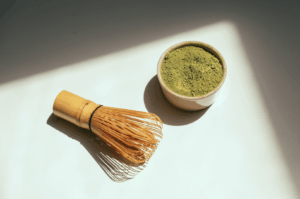
Matcha Tea: The Versatile Japanese Green Tea Powder
The vibrant green powder that transforms simple hot water into liquid jade has captivated tea enthusiasts worldwide. Matcha tea represents more than just a trendy beverage-it’s a bridge connecting ancient Japanese traditions with modern culinary innovation. This unique form of powdered green tea offers endless possibilities, from meditative ceremonial drinking to creative kitchen applications that…
-
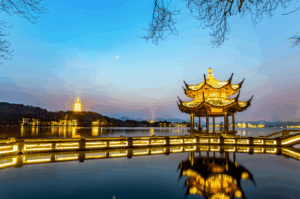
The Dragon Well Legacy: Exploring China’s Legendary Longjing Tea
Among the world’s most revered green teas, few carry the prestige and cultural significance of China’s legendary Dragon Well. This premium tea has captivated tea enthusiasts for centuries, earning its place as an imperial favourite and modern icon alike. From its mystical origins at West Lake to its meticulous processing methods, Longjing represents the pinnacle…