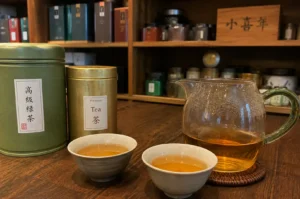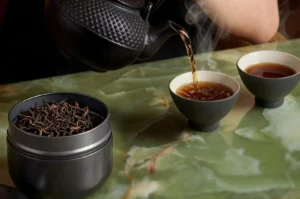
There is a stall near where I grew up that has changed hands twice, but the tea has stayed the same.
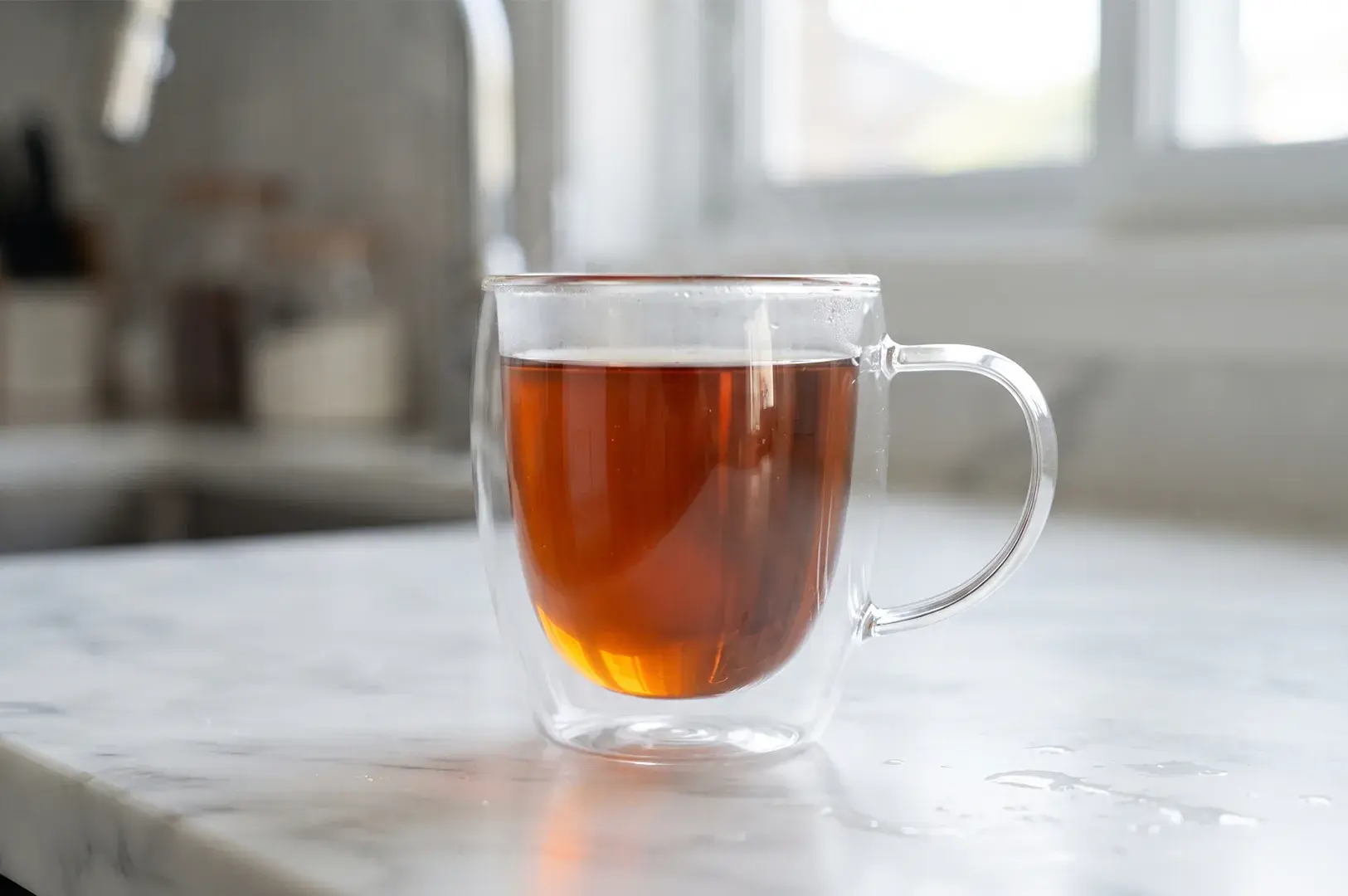
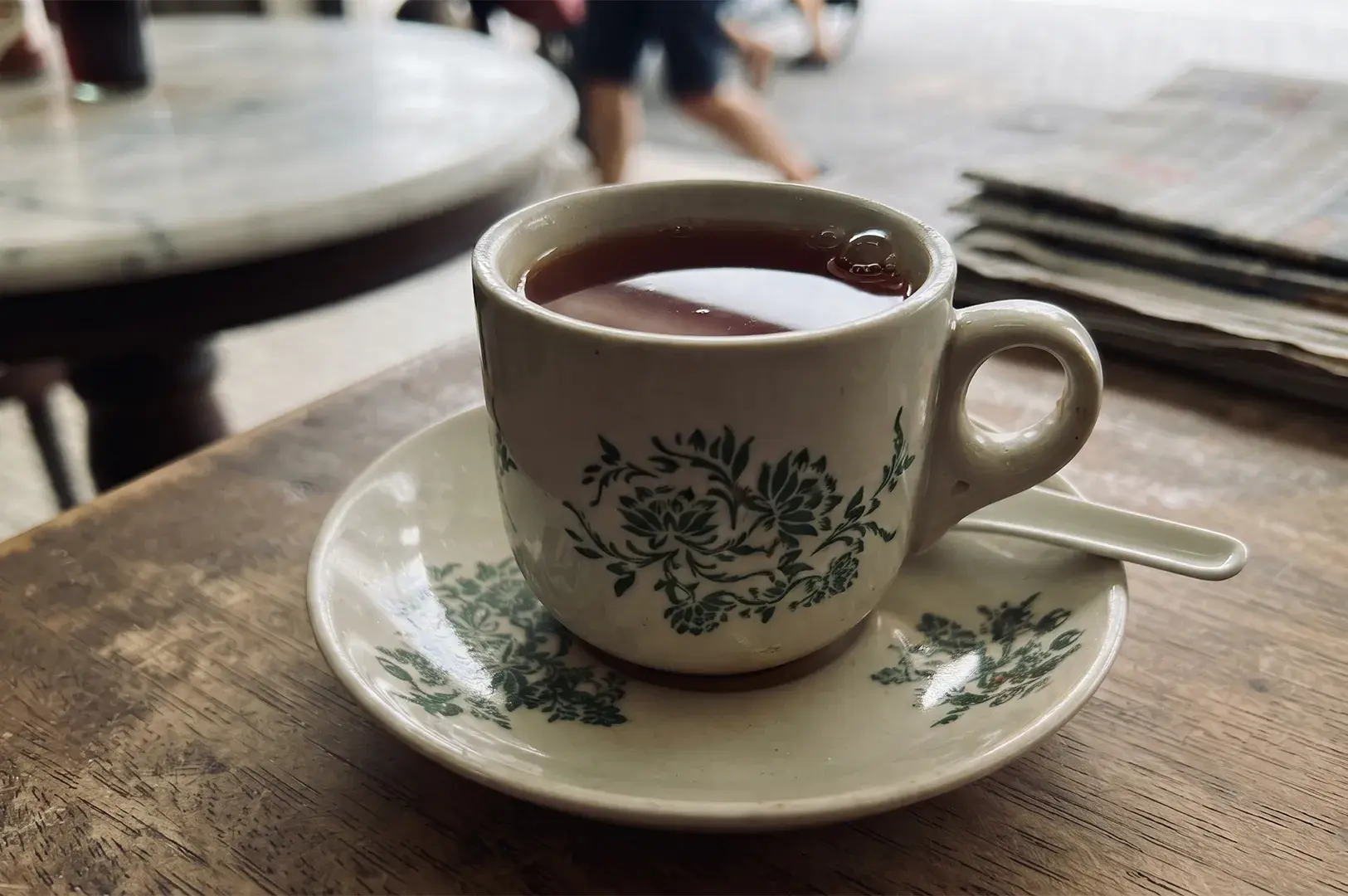
I still remember the first time I ordered teh o on my own, sometime in my early teens, mumbling the words at the counter and half-expecting to get them wrong. The uncle didn't blink. He just reached for the tea, and a moment later there it was: a small glass or mug of amber, clear enough to see the light through, no milk clouding it. Just tea, a little sugar, and hot water.
I have drunk more elaborate things since. But teh o has stayed with me the way plain things often do, quietly, without needing to be remembered on purpose. It is the drink I return to when I want the tea itself, unadorned. And in Singapore, that plainness is not a lack. It is the point.
Let me walk you through it, the way I wish someone had walked me through it years ago.
What Is Teh O, Really? (Refers to Black Tea)
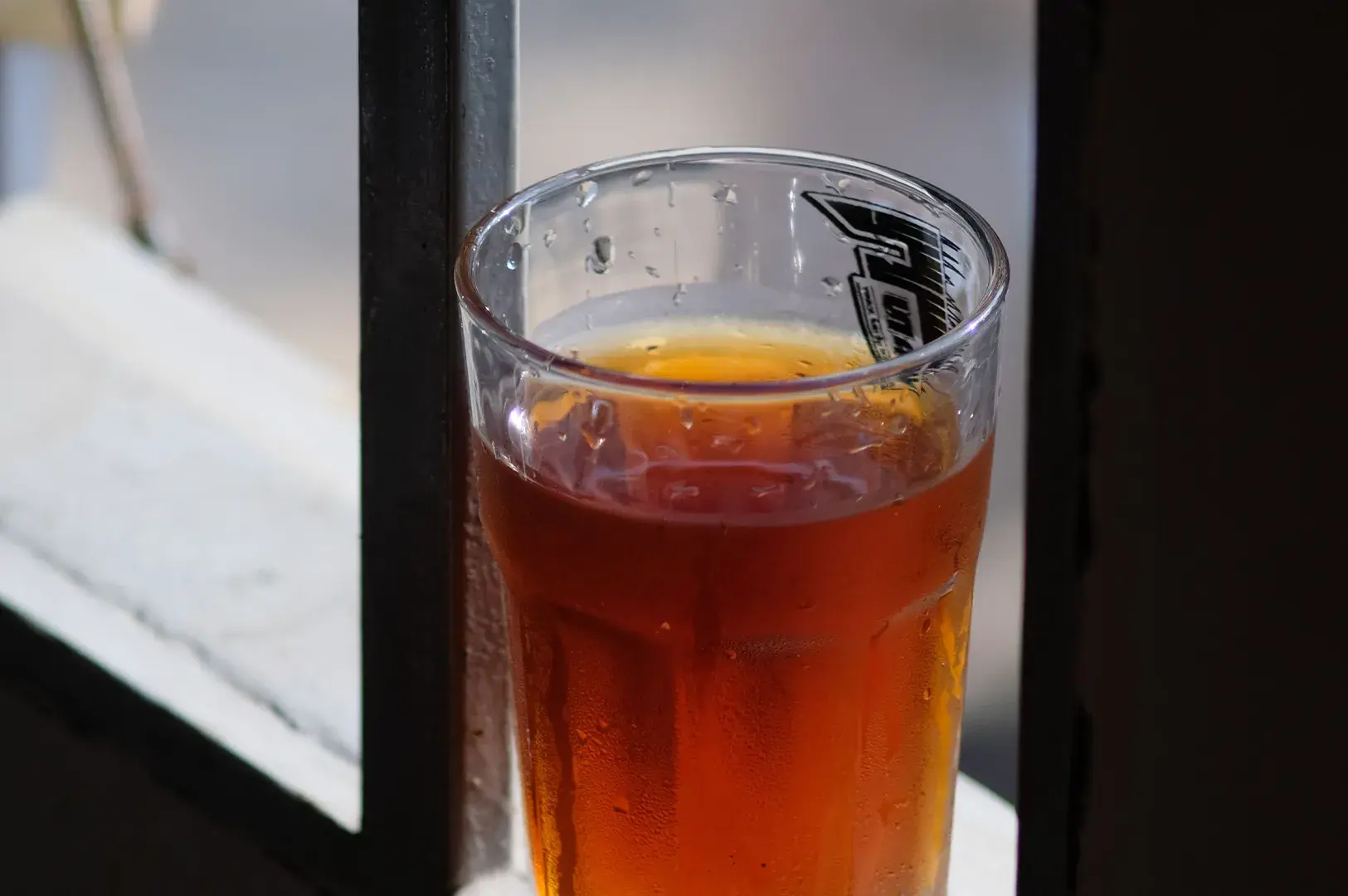
The name says most of what you need to know.n Singapore's multilingual kopitiam vocabulary, ‘teh’ means tea, while the ‘O’ comes from the Hokkien word for black. So teh O is the kopitiam's black, milk-free tea: brewed tea with sugar, but no milk.
That is the whole of it. Traditionally, Ceylon tea is commonly used, often in a fine tea powder or tea-dust form that produces the strong brew associated with kopitiam tea. What you get is smooth, clean, and honest, with none of the richness that milk brings to other cups.
This is where teh o quietly parts ways with its cousins. Teh tarik, the famous pulled tea, leans on both condensed milk and evaporated milk for its sweet, creamy body. Teh C uses evaporated milk and sugar. Over on the coffee side, kopi o is black coffee with sugar and no milk, its bitter counterpart, while kopi c takes evaporated milk. Plain kopi, ordered on its own, usually comes with condensed milk.
I have found that once you understand teh o, the rest of the menu unlocks itself. It is the base note against which everything else is measured. Strip away the milk, keep the tea, and you are holding the plainest, most legible version of the whole tradition.
One more thing worth saying plainly. Because it contains no milk, teh O is generally lighter than milk-based versions, although a standard teh O still contains added sugar. That is not why I drink it, but it is a fair reason to reach for it if the creamier cups sit heavy with you.
How to Order Teh O Correctly: Follow These Tips
Here is where newcomers freeze, and I understand why. The ordering language at a local kopitiam moves fast, and the uncle behind the counter is rarely in a mood to explain.
The base is easy. You just say "teh o." But the real fluency lies in the modifiers, and this is where I made my early mistakes.
Getting the Sweetness Right with Siew Dai
The most useful word to learn is siew dai. It means "less sweet," and it will change your teh o more than anything else. When I first started drinking it, I took whatever sweetness came, and often the cup was cloying enough to hide the tea underneath. The day I learned to say "teh o siew dai" was the day I actually started tasting the tea.
If you want it entirely unsweetened, ask for teh o kosong. "Kosong’ means empty or zero, so teh O kosong is tea without milk or added sugar. It is bracing at first. Give it a week, and you may find it is the truest cup of the lot.
Cold, and With Warmth: Teh Halia and Teh O Peng
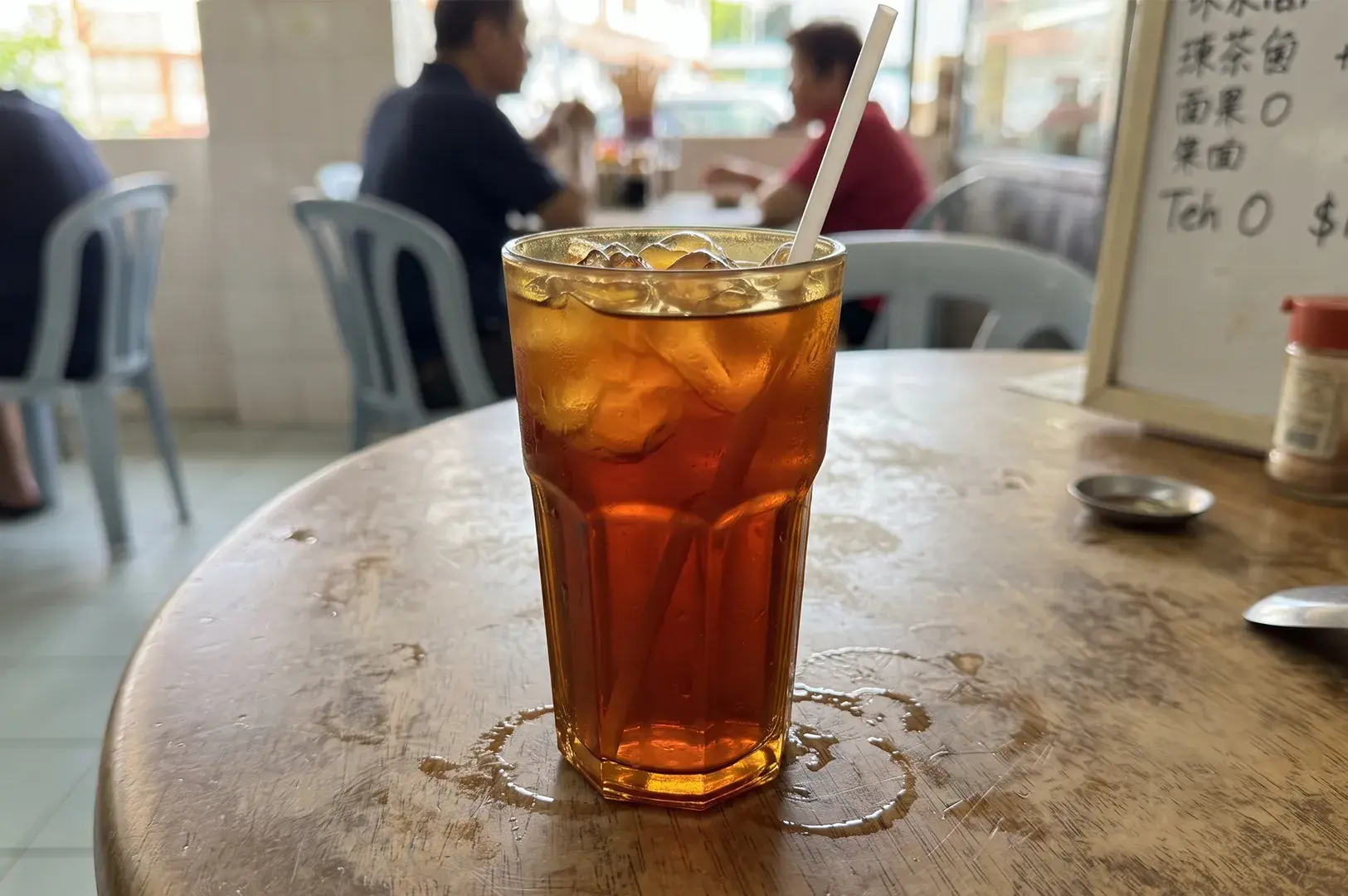
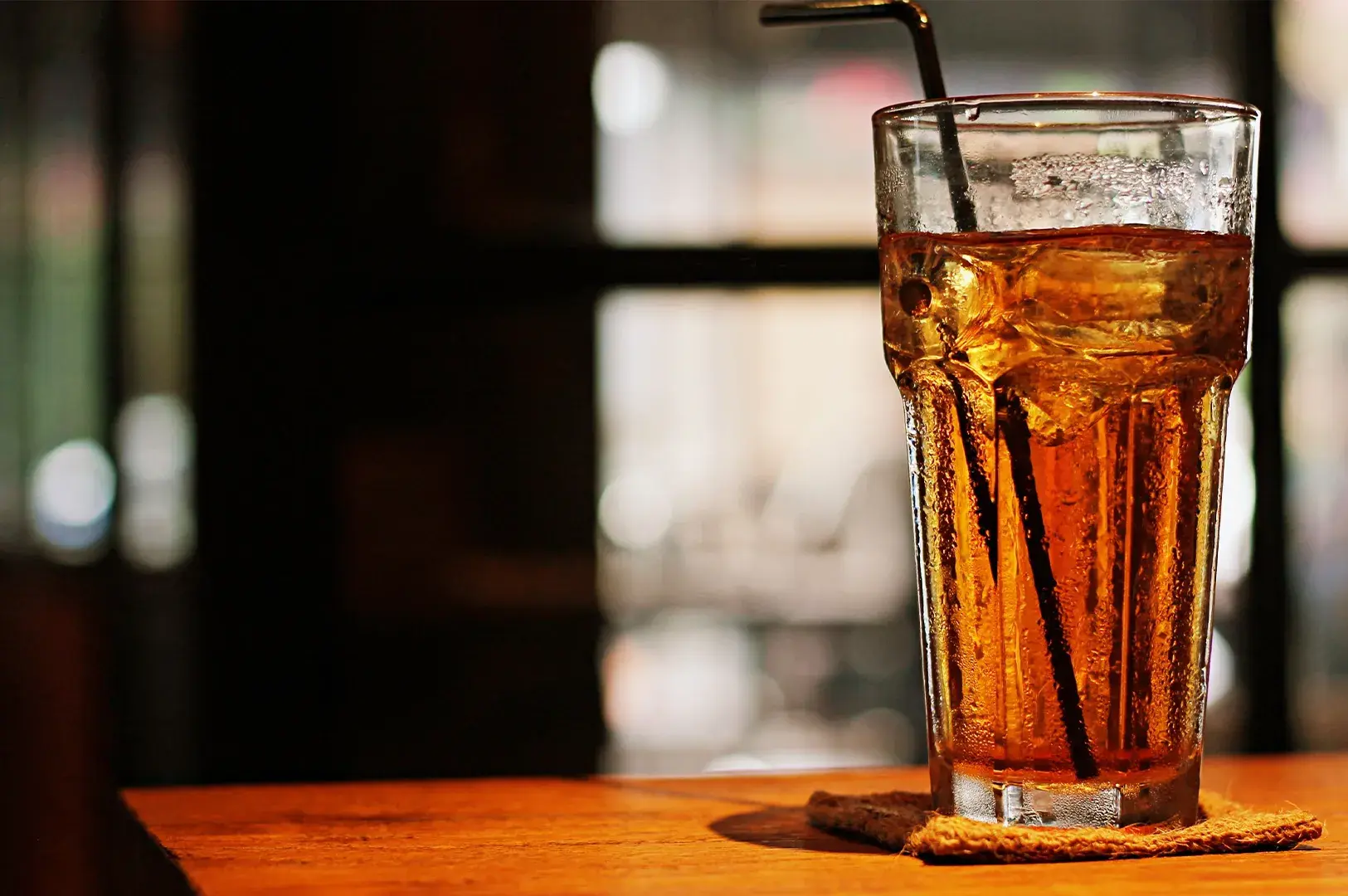
For the iced version, add peng, from the Hokkien for ice. Teh o peng is a glass of iced black tea, and on a heavy, humid afternoon it is one of the more sensible things you can drink in this country.
Then there is teh halia, a ginger tea typically prepared in the milky pulled-tea tradition, with ginger bringing a sharper warmth to the cup. It is more commonly made with milk, but the ginger's warmth is worth knowing about as you explore. Once you can order kopi and teh with confidence, these small variations become a quiet pleasure rather than a puzzle.
Insider knowledge: A common way to string the modifiers together is drink first, then sweetness, then temperature. Drink first, then sweetness, then temperature. "Teh o siew dai peng" is less sweet iced black tea. Say it in one breath and nobody will guess you ever hesitated.
Teh O Versus the Other Drinks: Teh Tarik, Kopi O, and Kopi C
I think the best way to appreciate teh o is to hold it beside its neighbours and notice what is missing, because what is missing is exactly what defines it.
Set it next to teh tarik, and the difference is richness. Teh tarik is pulled between two vessels until it froths, made round and sweet with condensed milk and evaporated milk. It is a small indulgence, almost a dessert. Teh o, by contrast, is lean. It asks nothing of dairy and hides nothing behind foam.
Move to the coffee side, and the mirror becomes clear. Kopi o is to coffee what teh o is to tea: black, lightly sweetened, no milk. Kopi c adds evaporated milk, the way teh C does. If you enjoy black coffee for its clarity, its lack of anything getting in the way, teh O is its tea counterpart, typically containing less caffeine than a comparable cup of coffee.
That difference in caffeine matters to me. A cup of teh o carries some, as all real tea does, but it sits lighter than a strong black coffee. In my experience it is the drink you can have with breakfast and again in the afternoon without feeling wound too tight.
There is no ranking here, no better or worse. Only different honesties. Teh tarik gives you comfort. Teh o gives you clarity.
Making Teh O at Home: No Cart Needed, Just a Mug

This is my home-friendly version rather than an exact recreation of the traditional kopitiam brewing method, which commonly uses a stronger Ceylon tea brew filtered through a cloth bag.
You do not need a hawker's practised hands or an account with a tea supplier to make a good cup at home. I have done it on many quiet mornings, and the method is forgiving.
Start with loose black tea leaves. Local names are easy to find, and a strong, plain black tea works best. Filtered water genuinely helps here, since with no milk to mask anything, the water's own taste comes through in the cup.
- Bring your water to a rolling boil. For a single generous pot, around 500ml is a good starting point.
- Add the tea. About two tablespoons of loose black tea leaves into a teapot or heatproof jug. If you like a whisper of fragrance, a small knot of pandan leaf belongs here too.
- Pour the boiling water over the leaves and let it steep for five to eight minutes. Shorter for a lighter brew, longer if you want it bold.
- Strain it clean into your mug or glass, discarding the leaves and any pandan.
- Sweeten while it is hot. Rock sugar dissolves into a smooth, rounded sweetness, and brown sugar lends a deeper, faintly caramel note. Start with less than you think you need. You can always add more.
For teh o peng, simply pour the finished tea over a glass of ice. A slice of lemon, if you are in the mood, turns it into something bright and a little different.
Pro tip: Sweeten the hot tea, not the iced version, even when you plan to drink it cold. Sugar dissolves properly in heat. Stir it into a cold glass and you will find a gritty layer waiting sullenly at the bottom.
Common Ordering Mistakes to Avoid When You Order Kopi or Teh
A few missteps I have either made myself or watched others make at the counter.
- Confusing teh o with teh C. They sound close, but teh C carries evaporated milk. If you wanted no milk and got a cloudy cup, this is usually why.
- Forgetting siew dai. The default sweetness at many stalls is generous. If you prefer the tea to speak, say siew dai from the start rather than regretting it after the first sip.
- Ordering slowly and second-guessing. The queue moves fast. Know your order before you reach the front. Hesitation invites a rushed guess from the uncle, and you may not get what you meant.
- Assuming teh o is caffeine-free. It is not. It is lighter than strong black coffee, but it is real tea, and it carries caffeine. Worth remembering if you are ordering one late in the evening.
Frequently Asked Questions
Is teh o healthier than teh tarik?
It is lower in calories and free of dairy, since it skips the condensed milk and evaporated milk that give teh tarik its richness. Whether that makes it "healthier" for you depends on your own needs, but it is certainly the lighter cup.
Does teh o have caffeine?
Yes. It is brewed from real black tea, so it contains caffeine, though generally less than a strong black coffee. If you are sensitive, keep that in mind for afternoon and evening cups.
What does the "o" in teh o actually mean?
It comes from the Hokkien word for black, one of many Hokkien-derived terms woven through kopitiam ordering. Teh o simply means black tea.
Can I make teh o without sugar?
Absolutely. Order it as teh o kosong at a stall, or leave the sugar out at home. It takes a little getting used to, but the tea's own character comes through beautifully.
Is teh o a Singaporean or Malaysian drink?
Both, honestly. Like so much of kopitiam culture, teh o belongs to a shared heritage across Singapore and Malaysia, poured in coffee shops on both sides of the causeway.
The Cup Worth Coming Back To: Follow Your Taste
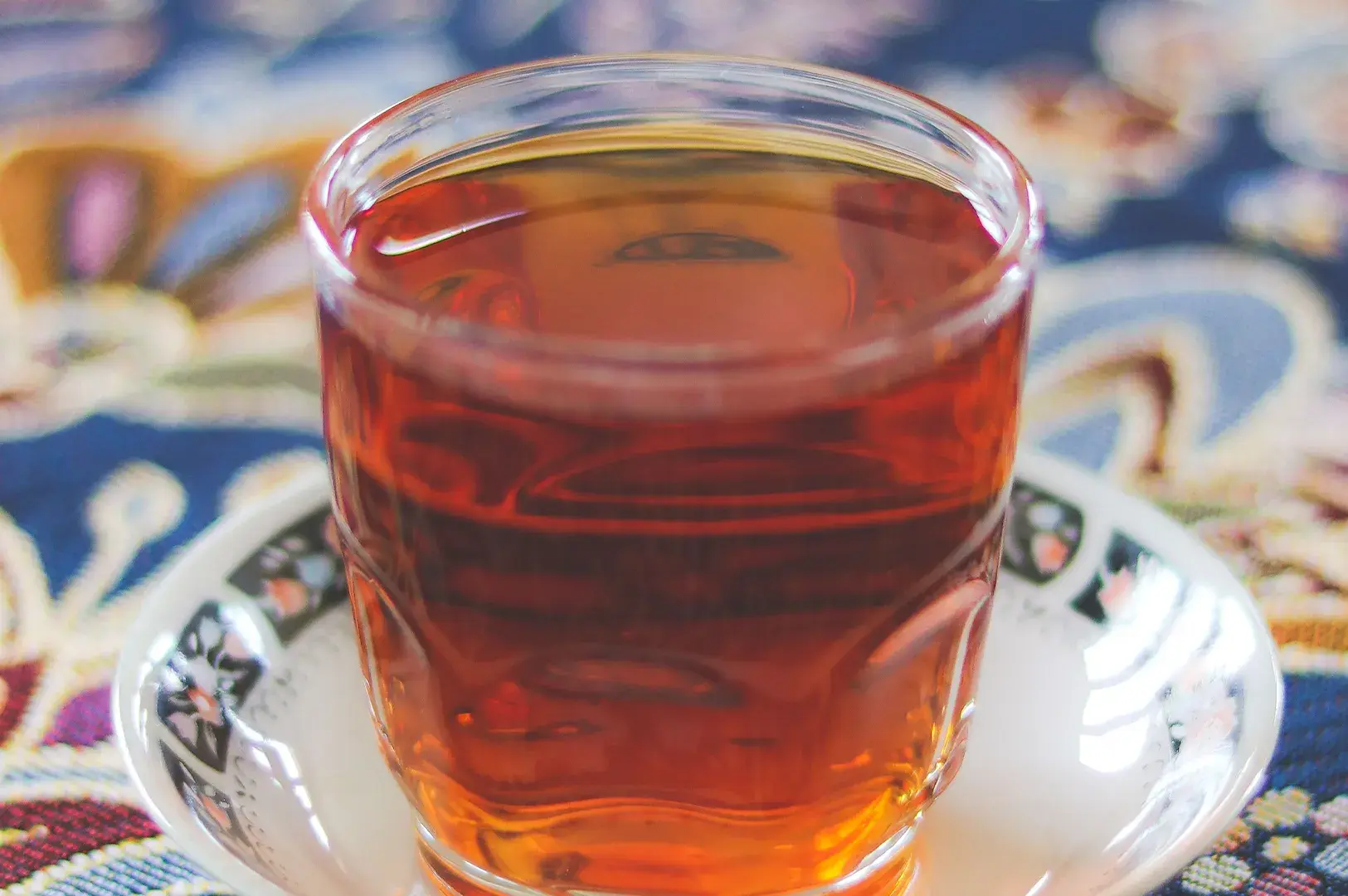
I have come to think teh o rewards you slowly.
It does not announce itself the way a frothy, milky drink does. There is no drama in the pour, no sweet richness to win you over on the first sip. It simply offers you the tea, clearly, and trusts you to meet it there.
So if you are new to this, my gentle suggestion is to start plain. Order a teh o siew dai at your nearest local kopitiam, sit with it a while, and taste what is actually there. Then try it kosong, then peng, and let your own preference find you. There is no wrong way, only your way.
Some drinks are made to impress. This one is made to keep you company. And after all these years, it still does.

Expensive Tea Doesn’t Guarantee a Better Cup, Here’s Why
There is a belief in tea that we rarely question. If something costs more, it must be better. It is an understandable assumption. A rare tea from a respected region, carefully harvested and beautifully packaged, naturally creates expectations. We associate price with effort, craftsmanship, and quality. And often, that connection is justified. But not always….
-
SUN with MOON Singapore at Wheelock Place: A Unique Tea Dining Cafe Experience on Orchard Road
The lunch crowd had gone. Dinner hadn’t arrived yet. I came in during that strange, in-between hour, a little after three on a weekday, when the escalators at Wheelock Place hum quietly and Orchard Road feels almost gentle. Most people were still at their desks. I wasn’t. I wanted tea, and I wanted to sit…
-
Cold Brew Tea Is Underrated (And Hot Purists Are Missing Out)
I used to think tea had to be hot. There was something about the ritual of it. Boiling water, warming the pot, watching the leaves open. A proper cup of tea seemed to require steam. Then I tried cold brew tea, and I had to admit something slightly uncomfortable. I liked it. More than I…
-
All Things Delicious Review: The Quiet Pleasure of Tea and Cake.
There’s a particular kind of afternoon that asks for tea, and All Things Delicious answers it with a quiet, comforting tea-and-cake experience on Arab Street: handmade sweet treats, warm approachable teas, and a room that makes simple pleasures feel like enough. Not coffee, with its urgency. Tea. The slow kind, poured while the conversation drifts…
-
Wellness Tea Is a Scam, but Tea Can Still Be Good for You
There is a strange contradiction in the way we talk about tea today. For centuries, tea was appreciated for its taste, its rituals, and the moments it created. Today, it is often sold as something else entirely. A solution. A promise. A shortcut. The language surrounding wellness tea has become increasingly familiar. Detox tea. Cleansing…
-
Camellia Tea: A Blossom, A Leaf, A Legacy Rooted in Camellia Sinensis
My grandmother kept her camellia tea in a battered tin that had once held biscuits. She never called it anything fancy. It was just cha, brewed strong in the mornings using fresh tea leaves from the tea plant, poured into small cups that had lost their matching saucers years ago. I didn’t know then that…
-
Why “Caffeine-Free Tea” Marketing Should Be Regulated (Seriously)
Hear me out: we have become far too comfortable with the phrase “caffeine-free tea.” It appears on beautiful packaging, wellness websites, and café menus with the confidence of a health guarantee. The words suggest calm evenings, better sleep, and a gentler relationship with what we drink. But there is a problem. The phrase sounds clearer…
-
The Forgotten Luxury of Sitting Still at Japanese Tea House
You stoop to enter the traditional japanese tea house. That is the first thing the tea house asks of you, before the tea, before the talk, before anything at all. The doorway is low, deliberately so, and even the tall must bow to pass through it. In that small act of folding the body, something…
-
Stop Calling It “Premium”: Why Most Luxury Tea Branding Is Empty
There is a word I have become increasingly cautious of in the tea world. Premium. It appears everywhere. Premium leaves. Premium harvests. Premium collections. Premium experiences. The word sounds reassuring. It suggests care, quality, and something worth paying attention to. But after seeing it attached to almost everything, I sometimes wonder whether it has started…
-
Pryce Tea: A Modern Pour with Old Tea-Room Ambitions
I visited on a weekday afternoon, around three, when the city had quieted into that particular lull between lunch and the evening rush. I’d been curious about Pryce Tea for a while, mostly because the brand keeps surfacing among people who talk about teas the way some people talk about wine. With a reputation built…