It starts with a sound.
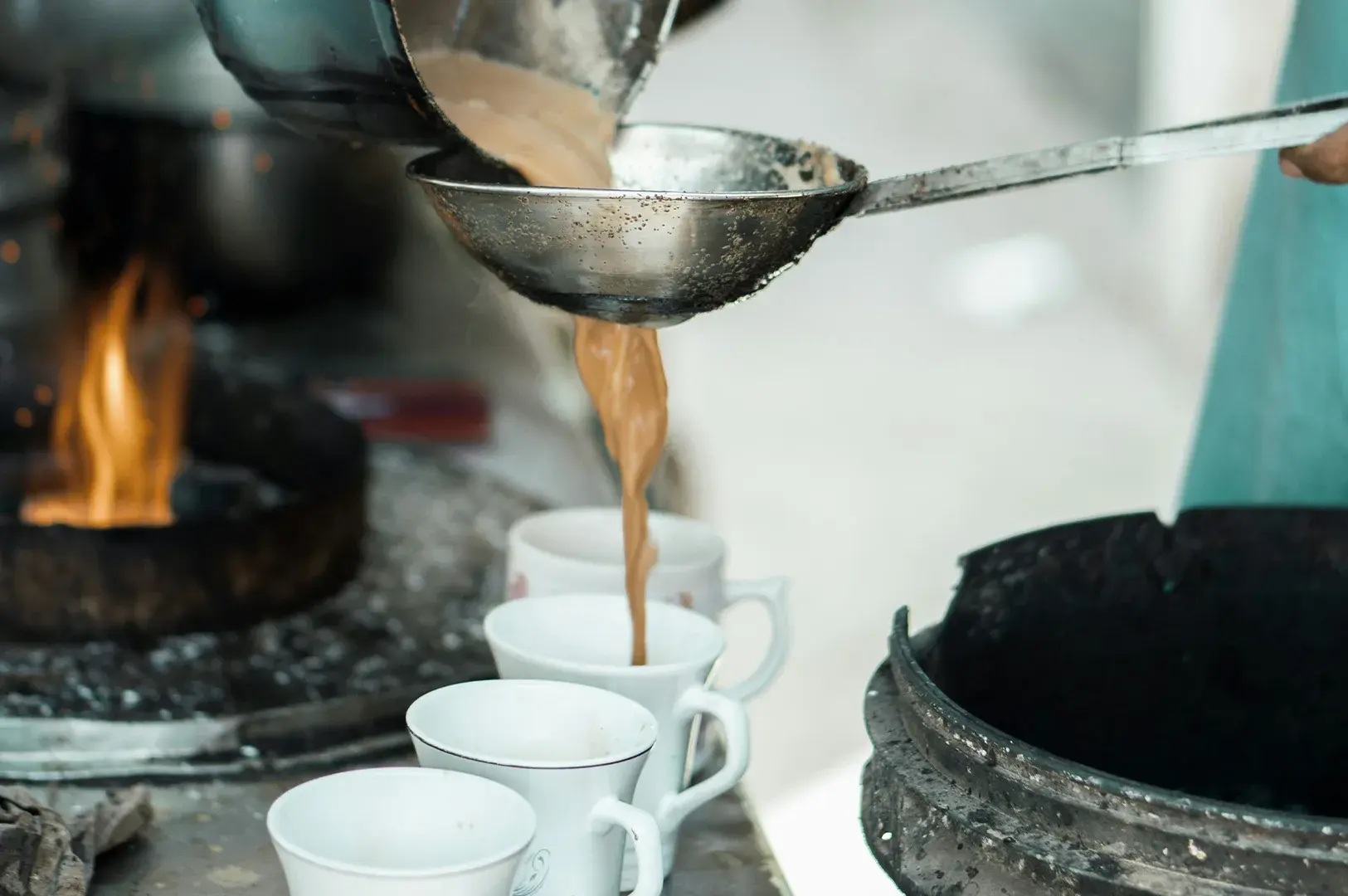
A long ribbon of tea, arcing from one metal mug held high to another held low. The stream catches the light. Then the froth rises, pale and soft, and the whole thing gets poured back and lifted again. Nobody at the stall looks up. This happens a hundred times a day here, and still, there is something in it worth watching.
I have seen this pour in the early morning, when the coffee shop is quiet except for a radio. I have seen it late at night, when the mamak stall is the only place still awake. The tea is the same. The hour changes everything.
We call it teh tarik. And in Singapore, it is less a beverage than a small daily habit, poured out over and over until it became part of who we are.
What Is Teh Tarik? The Pulled Tea with Condensed Milk
The name tells you almost everything. In Malay, teh tarik literally translated means "pulled tea," and the pulling is exactly what it sounds like.
At its heart, the drink is simple. Strong black tea, often Ceylon tea, brewed from tea dust or tea leaves, condensed milk, and often evaporated hot milk too, mixed hot and then poured back and forth between two cups from a height. That pouring, that stretch of tea through the air, is the "tarik," or pulling the tea.
Most stalls use tea dust rather than whole tea leaves or tea bags. Most stalls traditionally use finely ground or broken black tea rather than whole loose leaves. These small tea particles brew quickly and strongly, producing the robust base needed to stand up to condensed milk. Ceylon-style black tea is also commonly associated with teh tarik. Sri Lankan Ceylon tea dust is commonly found.
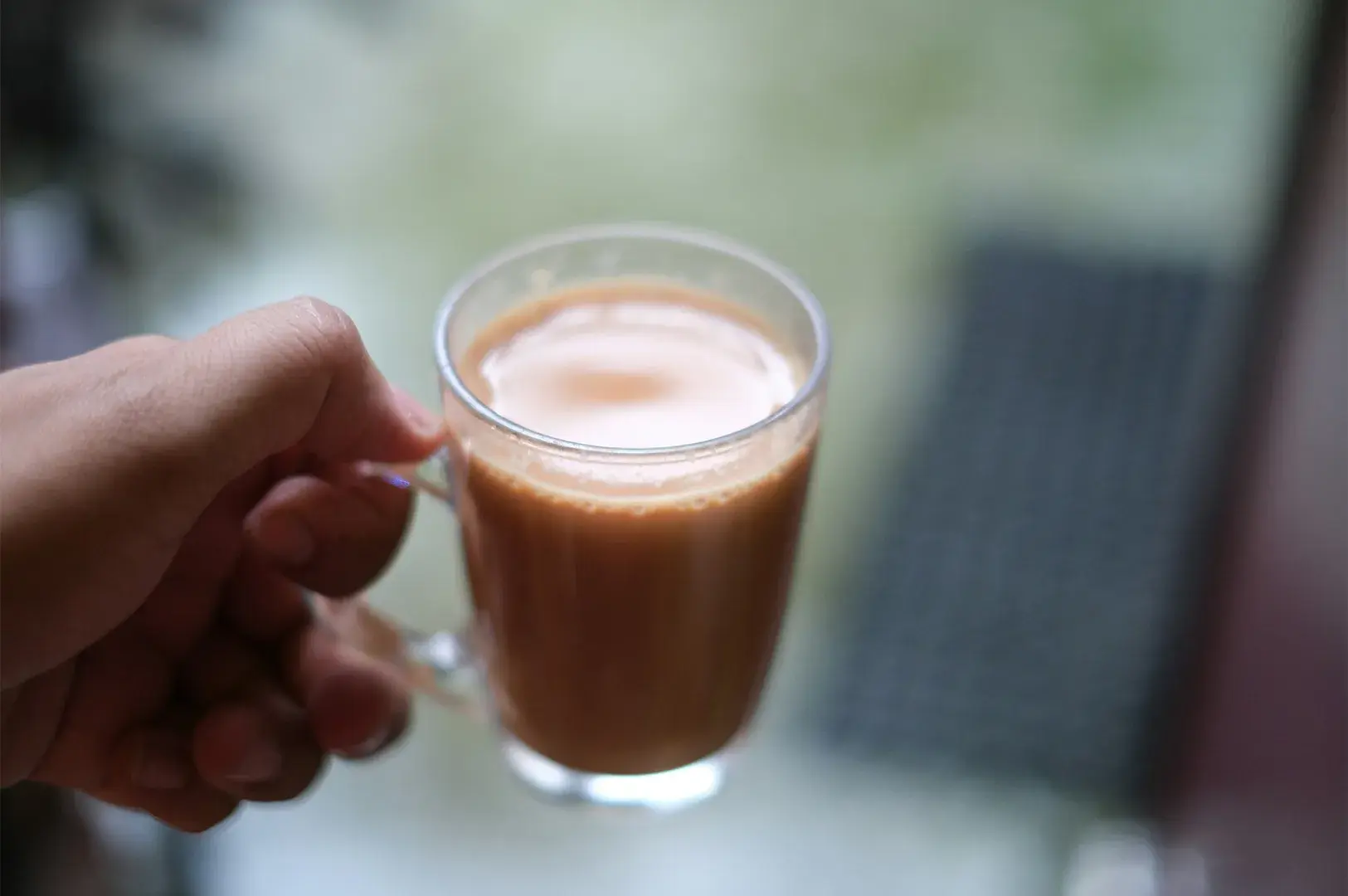
The pulling does more than look good. The process cools the hot tea to a drinkable temperature and folds air into it, which is where that signature layer of froth comes from. By the time it reaches you, it is warm, sweet, and topped with foam.
The Indian-Muslim Roots Behind the Drink: From Masala Tea to Teh Tarik
Before teh tarik belonged to hawker centres, it belonged to the roadside.
Its origins trace back to Indian-Muslim immigrants in the Malay Peninsula, who set up sarabat stalls, drink stalls, to serve workers. After the Second World War, many of these stalls appeared at the entrances to rubber plantations, pouring tea for the people who laboured there.
This is why teh tarik is sometimes called a mamak concoction. "Mamak," from a Tamil word meaning "uncle," became a local term used for the Indian-Muslim stallholders and communities behind so much of this everyday food. Indian tea traditions also include masala chai, made with black tea, milk and spices.
In the Malay Peninsula, Indian-Muslim tea sellers adapted their tea-making practices to local conditions, with condensed milk becoming central to the sweet, strong drink now recognised as teh tarik. Here, the recipe shifted to condensed and evaporated milk, richer and sweeter, suited to what was available and what people came to love.
It is worth saying this part plainly and with care. Teh tarik did not appear from nowhere. It was carried, adapted, and shared by a specific community, and the drink we sip so casually today still holds their story inside it.
From Sarabat Stalls to Singapore's Hawker Centres: A Hot Drink for Every Tea Time
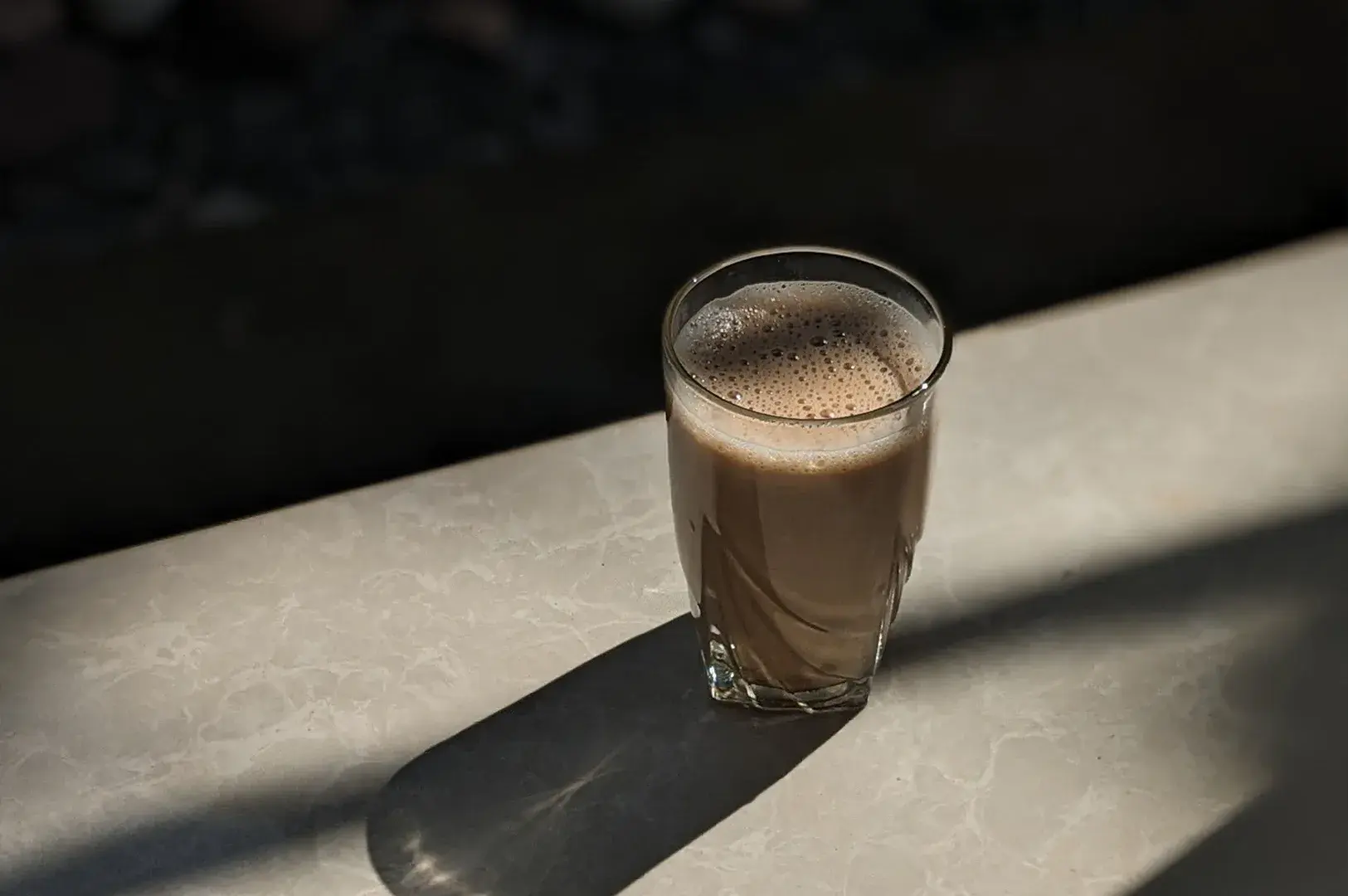
Food rarely stays where it begins. It moves, and in moving, it changes.
As Singapore moved street hawkers into purpose-built markets and hawker centres during its wider hawker resettlement efforts, pulled tea became increasingly familiar within the food centres and coffeeshops where it remains widely available today, part of the wider effort to bring the island's street hawkers under proper roofs. In Malaysia, sarabat stalls stayed common at factories and construction sites. Same drink, two slightly different paths.
And here is where the honest complication sits. There is a long, friendly, sometimes not-so-friendly debate over whether teh tarik "belongs" to Singapore or Malaysia. The truthful answer is that it belongs to both. It grew across a shared peninsula, among shared communities, long before the borders we now take for granted meant very much at all. Perhaps the more useful question is not who owns it, but how many people it has fed.
Inside our hawker centres and kopi tiams, teh tarik settled into the wider mix of Singapore's food and hot drinks. It sits beside kopi and roti prata, beside noodle stalls and rice stalls, part of a place where different communities eat at the same tables. These are not tourist attractions first. They are where an office worker grabs breakfast, where families gather on a Sunday, where you sit shoulder to shoulder with strangers and think nothing of it.
Interest in the drink was renewed, in part, by the rise of 24-hour Indian-Muslim eateries, the places you go when you want teh tarik and roti canai at two in the morning. The tradition kept moving, kept adapting, generation after generation.
Why the Pull Matters: The Only Difference That Makes Teh Tarik Special
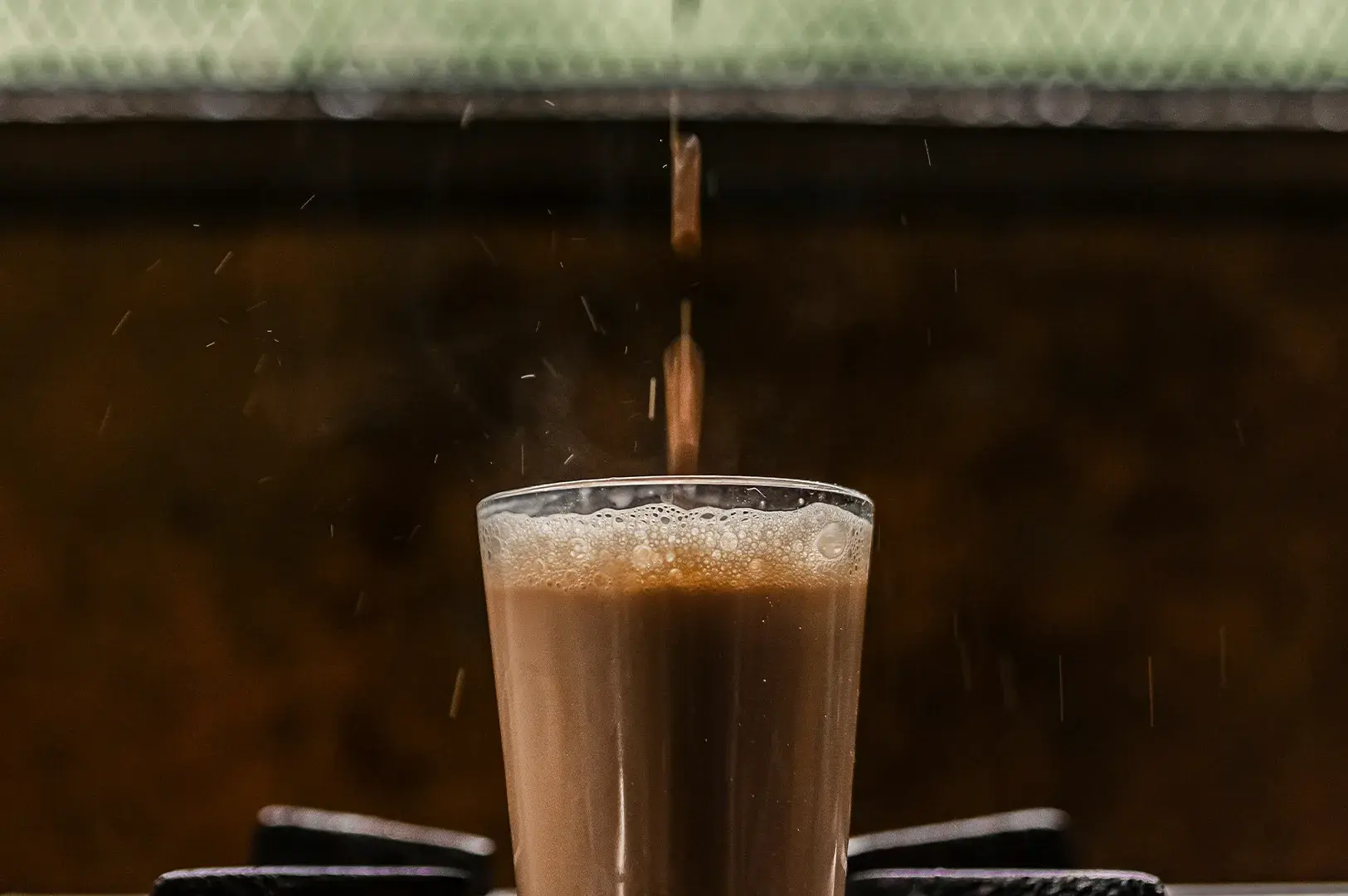
You could, in theory, make this tea without the drama. Stir the milk in, skip the pouring, serve it flat. It would still be tea. It would not be teh tarik.
The pull is not showing off, though a skilled pour is a pleasure to watch. It does real work. Stretching the tea through the air cools it down from scalding boiling water to something you can actually drink. It also aerates the brew, whipping in that froth and softening the texture so the tea feels lighter on the tongue than its strength would suggest.
A good cup depends on many small things: the tea used, how it is mixed, how long and how high it is pulled, how much sugar goes in, the balance of evaporated and condensed milk. Some celebrated stalls are said to blend several types of tea leaves into one cup. There is real craft here, held quietly in the hands of people who have done it ten thousand times.
The froth on top is not decoration either. It carries aroma and flavour. It changes the first sip. Lean in, and you catch the warm, malty smell before the tea even touches your lips.
The Taste of a Familiar Ritual: Milky, Sweet, and Delicious
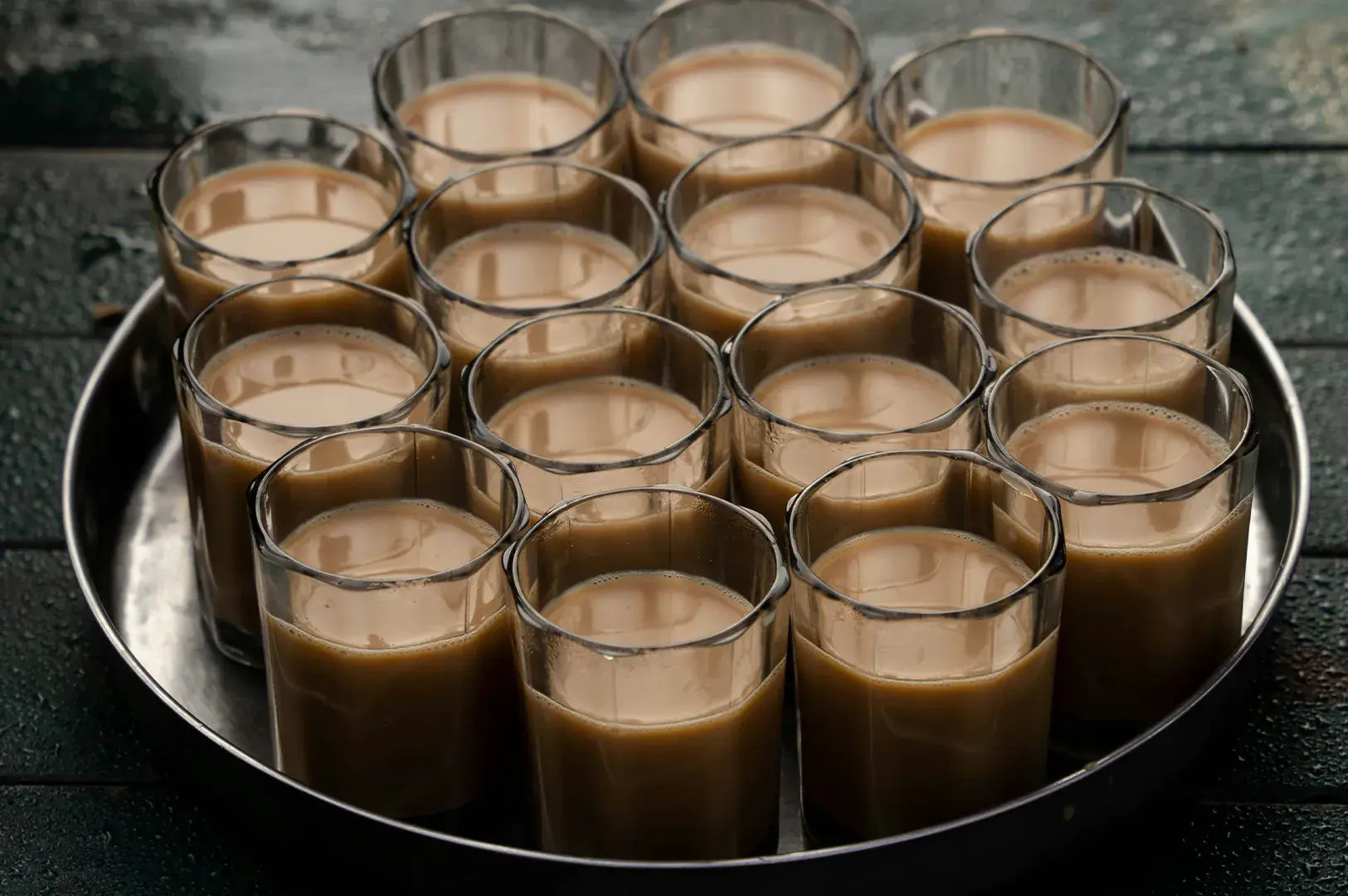
So what does it actually taste like?
Strong tea first, that slightly astringent, roasted backbone from the tea dust or tea leaves. Then sweetness, from the condensed milk, generous but not cloying when it is done well. Then creaminess, rounding the edges, softening the tannins into something comforting. The froth adds a lightness on top that the body of the drink alone would not have.
It is not delicate. It is not meant to be. Teh tarik is a drink with weight to it, sweet and full, the kind of cup that feels like a small meal on a tired afternoon.
And no, not every cup tastes the same. That is part of the pleasure. The Chinese drinker who prefers less condensed milk and the person next door who has a sweet tooth and wants it richer will get two different teh tarik from the same stall, and both are correct. The drink bends to the hand that makes it and the mouth that drinks it. There is teh O without milk, teh C with evaporated milk and sugar, teh O kosong without milk or sugar, teh halia with ginger, and teh peng served over ice. A whole small language of tea can be ordered in a few clipped words at the counter.
Here is the thing I keep coming back to.
Nobody talks about teh tarik as though it were special. You order it without thinking. You drink it while doing something else, reading the Straits Times, arguing about football, waiting for a friend who is late again. It is background. It is ordinary.
But maybe that is exactly why it matters.
The meals we remember most are not always the grand ones. Sometimes they are the ones that were simply there, cup after cup, year after year, until they became stitched into the fabric of our days. Teh tarik is one of those. It has sat on the table through first jobs and long shifts, through late-night conversations and quiet mornings alone. It asks for nothing. It just keeps you company.
That, to me, is what the drink reveals about our food culture. We are a house that treasures the humble as much as the fine. A place where a drink carried in by one community becomes something the whole island claims as its own, poured across every race and every neighbourhood. Food here has always been a shared table. Teh tarik is proof of it, one frothy cup at a time.
The Last Pour: How to Find Teh Tarik and Make It at Home (Recipe Card Included)
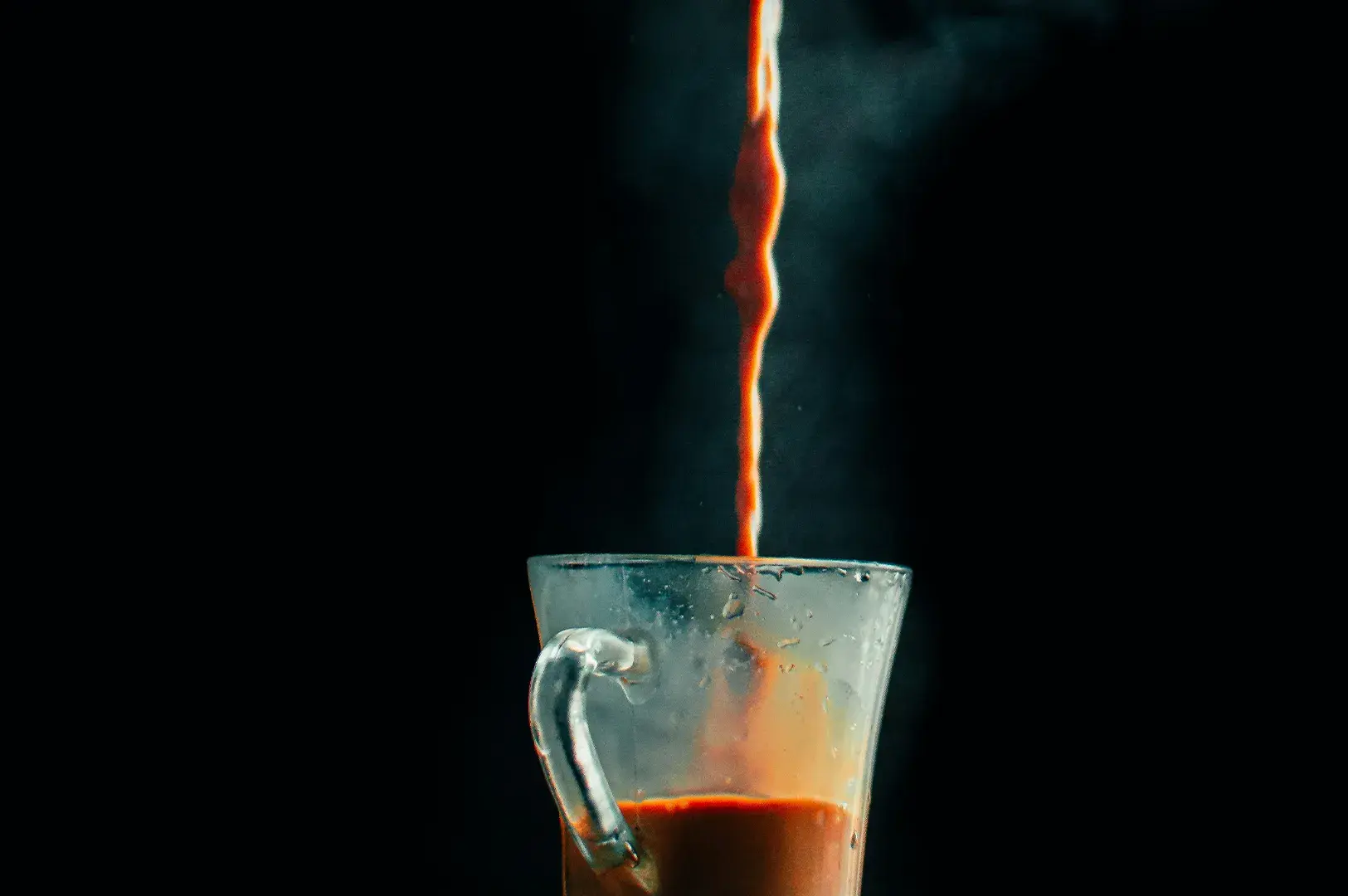
Come back, for a moment, to that arc of tea through the air.
It is such a small thing. A pour, a lift, a pour again. But inside that motion sits a whole history: the sarabat stalls, the rubber plantations, the communities who brought it and the country that took it to heart. All of it, still happening, right now, at a stall somewhere near you.
Singapore moves fast. We reach for convenience, for the quick order and the faster queue. The pulled tea, though, refuses to be rushed. It takes the pouring it takes. And there is something worth holding onto in a drink that still insists on being made by hand, in the open, the old way.
So the next time you want to find teh tarik, slow down. Order one glass or two cups. Watch the pull. Let the froth settle, then taste it properly, not as content, not as a photo, but as something people have been sharing across this region for generations.
If you want to try making it yourself, here is a simple recipe card to review recipe and follow:
- Boiling water: Use about 250 ml of boiling water to brew 1½ teaspoons of strong black tea leaves or tea dust, preferably Ceylon tea.
- Steep for 4-5 minutes, then strain.
- Add about 2 tablespoons of condensed milk and 1 tablespoon of evaporated hot milk, adjusting sweetness to taste for your sweet tooth.
- Carefully pour the tea mixture back and forth between two heat-safe cups or pitchers, gradually increasing the distance as you become comfortable, to aerate the tea and create its characteristic froth.
- Serve hot in a glass or over ice cubes for a cold version.
Unlike other hot drinks, teh tarik’s pulling process cools the tea and enhances its milky flavour, making it delicious whether enjoyed hot or cold.
And if you're curious about related beverages, try teh O for tea without milk, teh C for tea with evaporated milk and sugar, teh halia for ginger tea, or Milo Dinosaur for a rich chocolate-malt treat.
The next time you sip your teh tarik, remember: it’s more than just milk tea. It’s a ritual, a history, and a shared moment, all in one glass.
Looking for a mixture of your favorite tea? Why not click this comprehensive list of tea worth visiting in their cafe spots

High Tea Halal Singapore: Elegant and Inclusive Dining Experiences
A tiered stand arrives. A pot of tea follows, still too hot to pour. For many of my Muslim friends, there’s usually a quiet moment before anyone reaches for a scone. Someone asks whether the kitchen is halal certified. Only then does the high tea afternoon properly begin. This list tries to take care of…

Why Oolong Tea Always Feels Slightly Mysterious
Oolong tea never feels entirely straightforward. Green tea usually introduces itself immediately. Black tea does the same. You understand them quickly. One feels fresh and bright. The other feels deep and familiar. But oolong tends to sit somewhere in between. Not fully green. Not fully black. Not always easy to describe. Perhaps that is part…
-
Benefits of Black Tea: Why This Everyday Drink Still Matters
For many people, black tea is simply part of a routine. It is the first thing brewed in the morning, poured during afternoon tea, or enjoyed quietly at the end of a long day. Familiarity often makes it easy to overlook, but the benefits of black tea extend far beyond comfort or habit. In the…
-
Why Tea Somehow Tastes Better on Rainy Days
I don’t know when I first started believing this, but tea genuinely feels different when it rains. Not scientifically different, of course. The leaves do not magically change because of the weather. And yet somehow, a cup of tea on a rainy afternoon feels softer, warmer, maybe even a little more comforting than usual. Just…

Brew, Sip, Heal: The Powerful Chamomile Tea Benefits Explained
Singapore is a city that rarely stops moving. Between the hum of the MRT, the endless glow of screens, and the heavy humidity that clings to the air, finding a moment to genuinely wind down can feel like a luxury. For the longest time, my evening routine consisted of scrolling through my phone while finishing…
-
Why Tea Feels Different at Night
Tea changes after dark. The same leaves, brewed in the same pot, somehow feel quieter in the evening. The aroma lingers longer. The warmth of the cup feels more noticeable in the hands. Even conversation seems to soften slightly around tea at night. Perhaps it is because the world itself becomes quieter. During the day,…

Tea Health Benefits: Best Teas for Relaxation, Focus, and Sleep
Tea is one of the world’s most beloved drinks, enjoyed every day across countless cultures. When we talk about tea health benefits, it’s helpful to know the difference between true tea and herbal infusions. True tea comes from the Camellia sinensis plant, giving us popular varieties like green, black, white, and oolong tea. On the…

The Secret Joy of a Simple Cup of Tea
There’s something so deeply satisfying about a cup of tea-especially when it’s the simplest cup. No complicated brewing methods. No fancy leaves. Just tea, water, and a moment of quiet. I’ve had tea in many places, from grand tea houses to humble kitchen counters. But the most memorable tea moments often happen in the least…
-
A Quiet Tea Café in Somerset: Inside the Experience at Hvala
Amid Singapore’s bustling shopping hubs like Orchard, Club Street, and Tanjong Pagar, finding a peaceful spot to unwind can be a challenge. Hvala, a minimalist tea cafe Singapore locals and visitors adore, offers a serene teahouse experience brimming with natural light and calm vibes. Located on the ground floor of 111 Somerset, this bright, inviting…
-
The Tea We Return To Again and Again
Most tea drinkers have one. A tea they continue returning to, even after trying countless others. It is rarely the rarest tea they own. Often, it is not even the most impressive. It may lack the complexity of aged teas or the elegance of carefully crafted harvests. And yet, somehow, it becomes the tea they…