I used to think making tea required a thermometer.
Not literally, perhaps, but almost.
Every tea seemed to have a number attached to it. Green tea at this temperature. Oolong at another. Black tea a little hotter. Too hot and you had apparently ruined everything.
For a while, I took these rules quite seriously.
Then I started paying attention to something else.
How long I actually left the tea alone.
Because temperature matters, of course. Anyone who has accidentally poured boiling water over a delicate green tea knows that some leaves are less forgiving than others.
But I think we sometimes give temperature too much credit.
The variable nobody talks about enough is time.
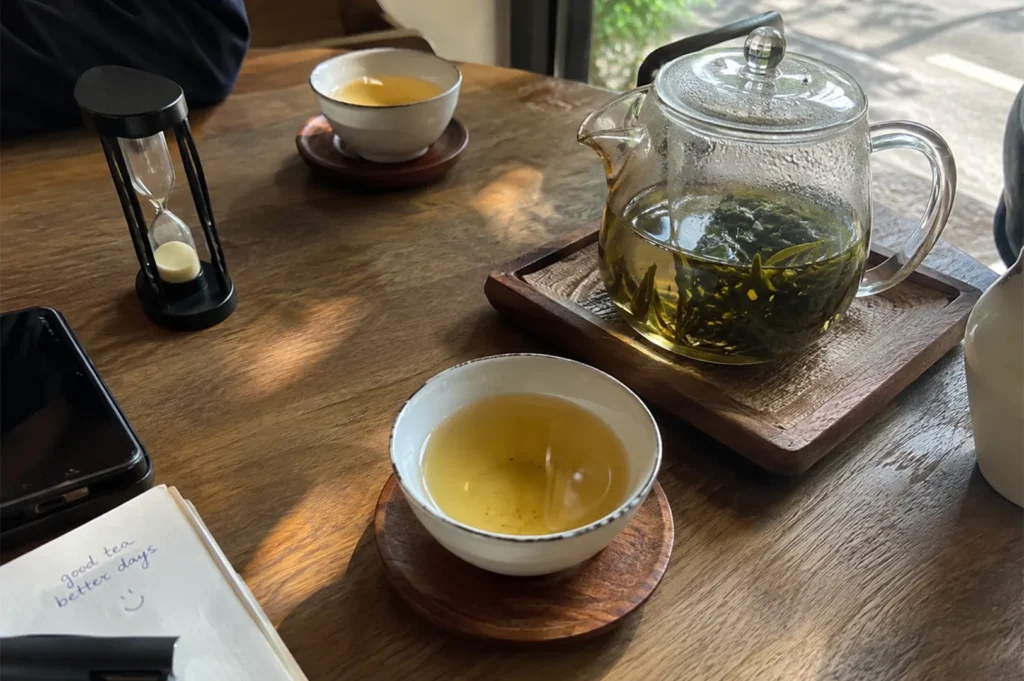
You can have the recommended water temperature and still end up with a disappointing cup if you forget about the leaves for ten minutes while answering messages. I have done this more times than I would like to admit.
And strangely, some of those supposedly “wrong” cups were not terrible at all.
That made me think.
We spend so much time trying to find the perfect temperature that we sometimes forget tea is not being brewed in a laboratory. We are making it in real kitchens, busy offices, quiet bedrooms, and cafés where someone may be waiting for their order.
Tea has to live in the real world.
Of course, understanding temperature is useful. It gives us a starting point. It helps us avoid obvious mistakes and can make certain teas taste better.
But perhaps we should treat these numbers as guidance rather than commandments.
The same tea can taste different depending on the amount of leaf, the water, the vessel, the steeping time, and even how many times you have brewed it.
And then there is us.
Our mood changes. Our preferences change. What tastes perfect one morning may feel completely different that evening.
Maybe this is why I have become less interested in getting every variable exactly right.
I would rather understand the tea well enough to experiment with it.
A little hotter.
A little cooler.
A little longer.
A little less.
Sometimes the most interesting cup is the one that happens because you stopped worrying about making it perfect.
So yes, keep the thermometer if you enjoy it.
I probably will too.
But don’t let a number convince you that you have ruined your tea before you have even tasted it.
After all, isn’t tasting it the whole point?
— Maria Tan
On tea, culture, and everyday rituals.

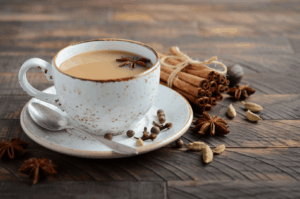
Masala Chai Origins: The Cultural Evolution of India’s Spiced Tea Tradition
The rhythmic clanging of metal kettles echoes through narrow lanes as steam rises from countless chai stalls across India. The intoxicating aroma of cardamom, cinnamon, and fresh ginger mingles with robust black tea, creating an olfactory symphony that has captivated souls for centuries. This is masala chai-not merely a beverage, but a cultural phenomenon that…
-
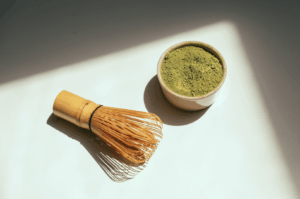
Matcha Tea: The Versatile Japanese Green Tea Powder
The vibrant green powder that transforms simple hot water into liquid jade has captivated tea enthusiasts worldwide. Matcha tea represents more than just a trendy beverage-it’s a bridge connecting ancient Japanese traditions with modern culinary innovation. This unique form of powdered green tea offers endless possibilities, from meditative ceremonial drinking to creative kitchen applications that…
-
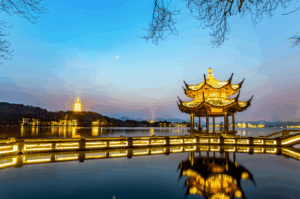
The Dragon Well Legacy: Exploring China’s Legendary Longjing Tea
Among the world’s most revered green teas, few carry the prestige and cultural significance of China’s legendary Dragon Well. This premium tea has captivated tea enthusiasts for centuries, earning its place as an imperial favourite and modern icon alike. From its mystical origins at West Lake to its meticulous processing methods, Longjing represents the pinnacle…