
In the shadowy folds of Northern Thailand’s mountains, where cool, misty air hugs the slopes and the morning dew clings to fragrant tea leaves, a revolution is steeping. Once known largely for its role in the Golden Triangle, this region now blossoms as a new epicenter for Thai oolong tea and innovative tea beverages like Thai iced tea and cha yen. The transformation from opium fields to emerald-green tea gardens is a testament to Thailand's ingenuity and the enduring allure of tea culture and tea cultivation.
Thai tea boasts deep historical roots, but in the last few decades, Thailand tea production has witnessed a dramatic rebirth, especially as local communities blend traditional methods with global influences. Now, a cup of Northern Thailand oolong—whether enjoyed hot, poured over ice, or brewed in a shop using tea bags—offers a taste that reveals classic oolong complexity fused with the sweet, dessert-like qualities that define many Thai beverages. Throughout this article, you’ll discover how Mae Salong and other mountain regions nurture tea leaves destined for both vibrant oolongs and sweet concoctions such as lime Thai tea and classic Thai iced tea recipes, all underpinning a growing reputation both in local restaurants and international markets.
Thai Tea Bags and The Historical Context: From Opium to Oolong
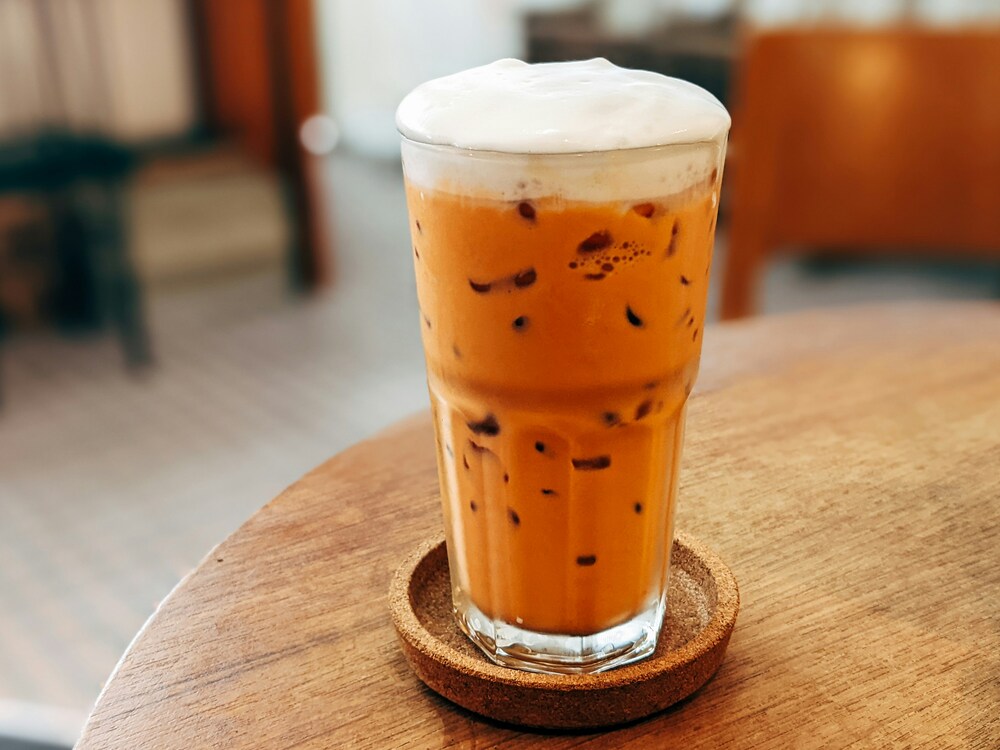
Long before a bright orange glass of Thai iced tea appeared on tables at most Thai restaurants, tea cultivation had a storied heritage in northern Thailand. In its ancient borderlands, ethnic Akha and Lahu tribes in Mae Salong and neighboring villages chewed fermented tea leaves—a practice distinct from today’s oolong tea or even the beloved Thai tea mix. This traditional enjoyment, brought from Yunnan and China, helped define the taste, brewing styles, and even beverage rituals still felt in local shops and restaurants.
The seismic shift arrived in the 1970s and 80s, when the Thai government, seeking to eliminate opium cultivation, initiated bold opium replacement programs. These transformed the mountains into fields lined with tea grown for both local and global consumption, sometimes nestled side by side with fruit trees and coffee plants. Pioneers from Taiwan and China introduced premium oolong tea varieties and processing knowledge. As smallholder farmers started tending these new crops, the movement reshaped local communities and expanded choices for customers seeking everything from hot tea to chilled drink options at their neighborhood Thai shop or local restaurant. By the 2000s, brands of tea bags, tea leaves, and Thai tea mix began to pack supermarket shelves from Thailand to America.
Oolong Tea and The Taiwanese Connection: Innovation Meets Thai Ingenuity
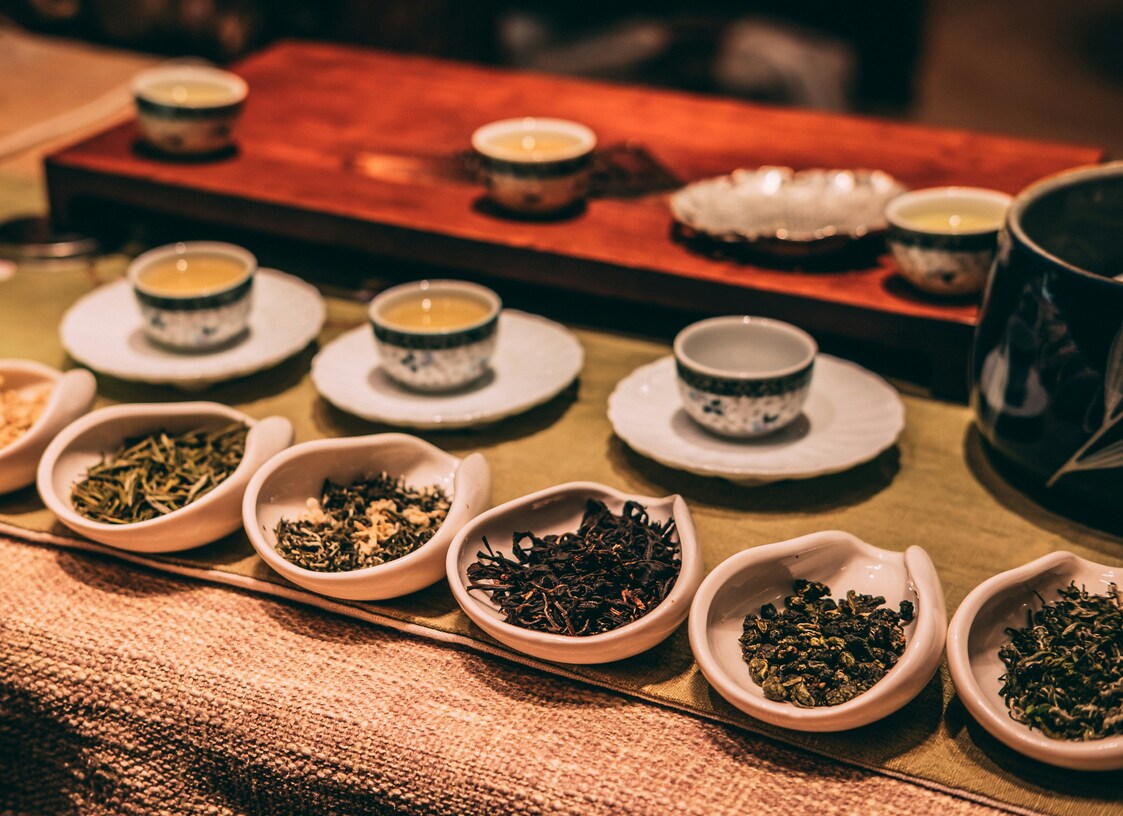
The success of modern Thai oolong tea is inseparable from the expertise brought by Taiwanese tea masters. In Mae Salong and the broader highlands, tea cultivation methods, cultivars, and even the aesthetics of brewing—whether steeped in hot water, brewed in a rice cooker, or poured over ice—drew inspiration from Taiwan’s best estates. Initially, the approach was emulation: seeking to replicate famous Taiwanese oolongs using imported tea leaves, oxidized and roasted with careful attention to temperature, time, and all the flavor variables oolong tea connoisseurs cherish.
Yet as the years passed, something new and decidedly Thai emerged. Soil composition, climate, and the intrinsic spice of local mountains and rainfall gave rise to oolongs with fruitier flavors and intense floral notes—distinct from Taiwan and China. This signature taste soon found its way into shops, homes, beverages, and even cold drinks served in glasses at restaurants and street stalls across Thailand. The evolving style continued to gain praise from customers exploring the difference between brands or brewing Thai oolong tea at home using their favorite tea bags or loose leaf.
"Our tea isn't just about following Taiwanese recipes," says a long-standing tea master from Mae Salong, "We blend tradition with improvisation—sometimes adding lime, coconut milk, or even spices to suit Thai preferences." This innovation helped make Thai oolong tea a staple at both local Thai restaurants and international specialty stores, where the flavor lingers long after the last sip.
Tea Cultivation and Thailand's Unique Terroir
Every glass of cha yen (Thai iced tea) poured in America, every hot cup of oolong in a shop in Chiang Rai, owes its singular flavor to the hills and climate of northern Thailand. The region's high elevation (1,200–1,800 meters), cool nights, and misty mornings create ideal tea cultivation conditions. These unique factors, along with the soil's mineral profile, translate into tea leaves with a concentrated, vibrant, and unmistakably Thai flavour—sweet, floral, and sometimes with tropical fruit undertones.
Key tea gardens in regions like Mae Salong, Doi Wawee, and Doi Tung use these conditions to nurture oolong teas with floral, orchid, and fruity notes—especially cherished when brewed with hot water for maximum aromatic impact. Just as importantly, the diversity of beverages in local Thai shops and restaurants has only grown. Now, you’ll find everything from loose oolong for hot, ceremonial steeping to strong Thai tea mix and tea bags perfect for crafting the beloved Thai iced tea recipe at home.
Local tea grown and processed in these cool mountain climates is something most Thai restaurants are proud to serve, and their customers can taste the regional difference whether they're sipping tea as a hot drink or dessert beverage poured over ice.
Tea Leaves and Distinctive Thai Oolong Profiles: The Thai Fingerprint
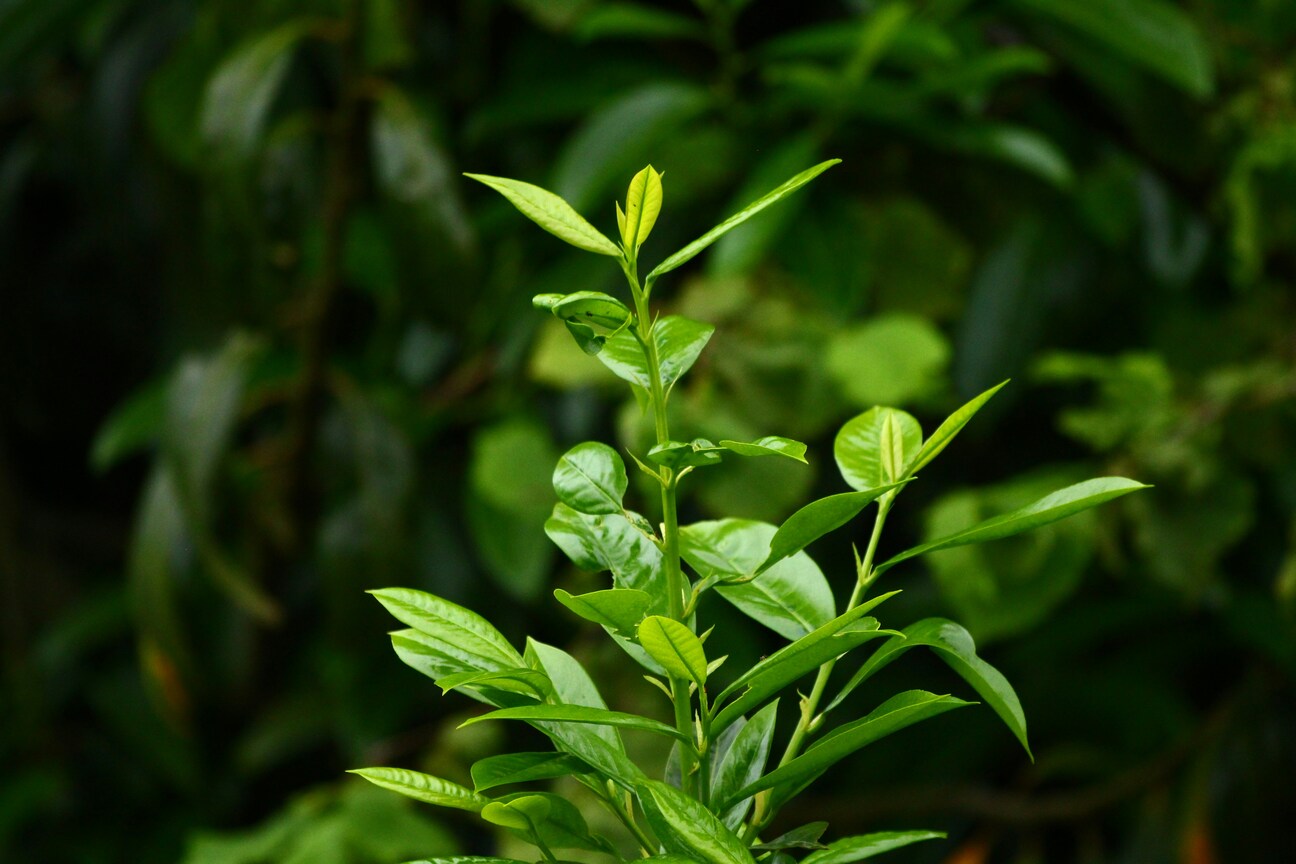
The magic of Thai oolong tea starts with its tea leaves. Varieties like Jin Xuan yield honeyed, floral brews with notes of coconut and tropical fruit—a taste profile that’s amplified in hot water yet remains refreshing in a chilled drink. Ruan Zhi stands out for its orchid bouquet and lingering sweetness, beloved by both enthusiasts and casual tea drinkers.
In most Thai restaurants and tea shops, you’ll see traditional and contemporary brewing styles side by side: tea leaves prepared with hot water for a classic, concentrated flavor, or steeped strong for iced beverages. Even quality tea bags can yield a rich cup, and it’s common for local communities or shops to pack their own blends for both home use and commercial sale.
Local brands, sometimes using their own family tea recipes, have created signature products with distinctive sweetness, complexity, and fruitiness—attributes often heightened by Thailand’s terroir, cool storage, and attention to brewing temperature.
Thai Iced Tea, Thai Tea Mix & Culinary Fusion
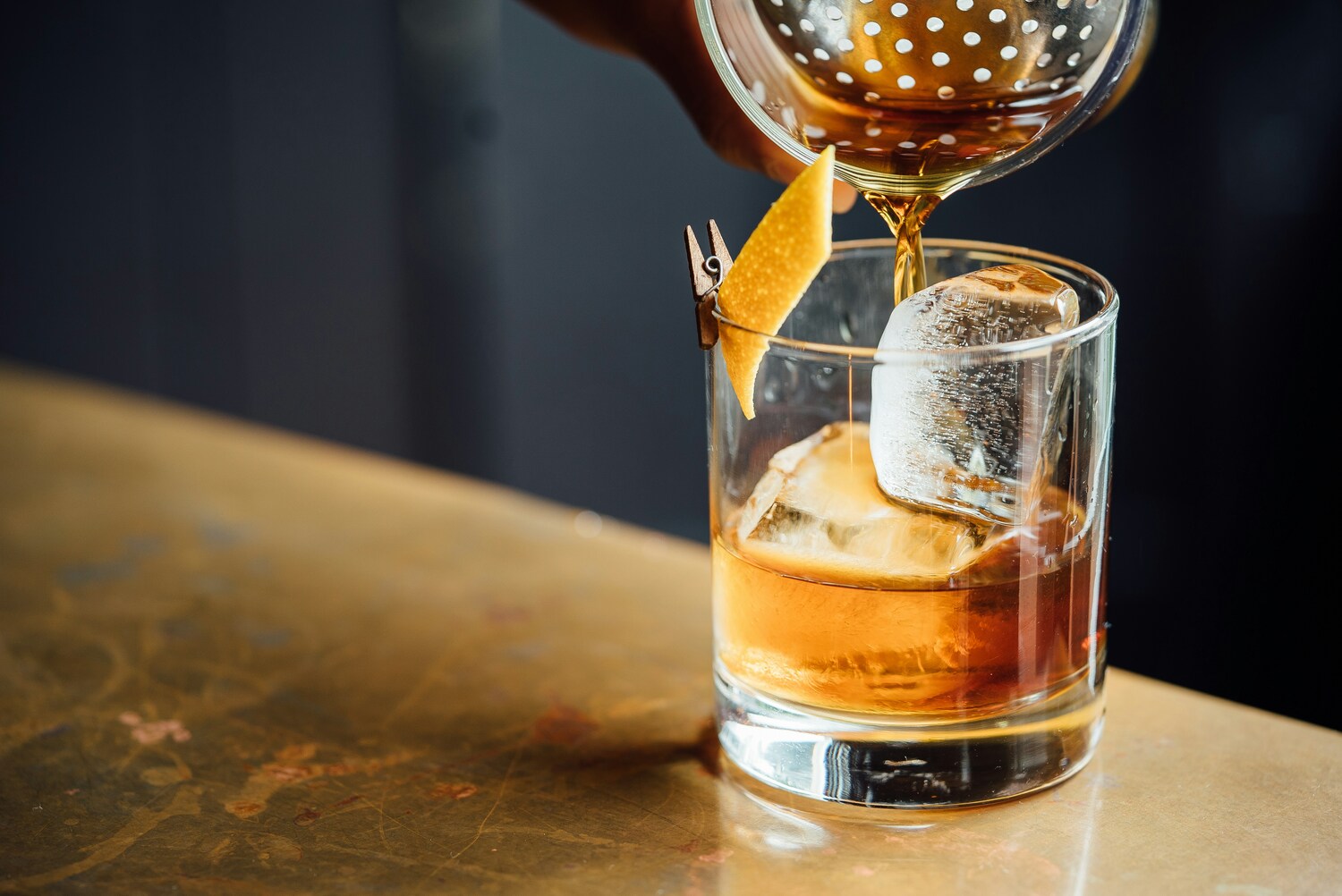
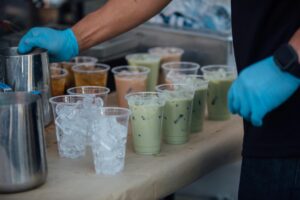
As much as Thai oolong tea defines Northern Thailand, the country’s global beverage identity is inextricably linked to the vivid orange hues and creamy sweetness of Thai iced tea. This amazing recipe blends strong teas—sometimes oolong, sometimes robust black tea bags, or a proprietary Thai tea mix—with sugar, spices, and milk or sweetened condensed milk. Topped over a glass of ice, the drink becomes an icon of cool, sweet refreshment.
Order a cha yen at your favorite local Thai restaurant, and you’ll discover endless styles: some with coconut milk, others with lime or spices for a unique twist. The sweetness and flavor can vary—some prefer their Thai iced tea mild and not too sweet, others want all the sugar, all the goodness, and a dessert-like experience in a glass. Every glass—sometimes packed in a tall fridge bottle, sometimes in an old-fashioned glass—is testament to the creativity of Thai beverage recipes.
Thai restaurants across the globe now serve these drinks, inspiring many to try making their own at home. Whether you use tea bags, loose leaves, or a ready Thai tea mix, the beverage brings home a taste of Thailand, celebrating the country’s renowned hospitality and love for bold, delicious flavors.
Brewing Thai Oolong Tea and Thai Iced Tea at Home
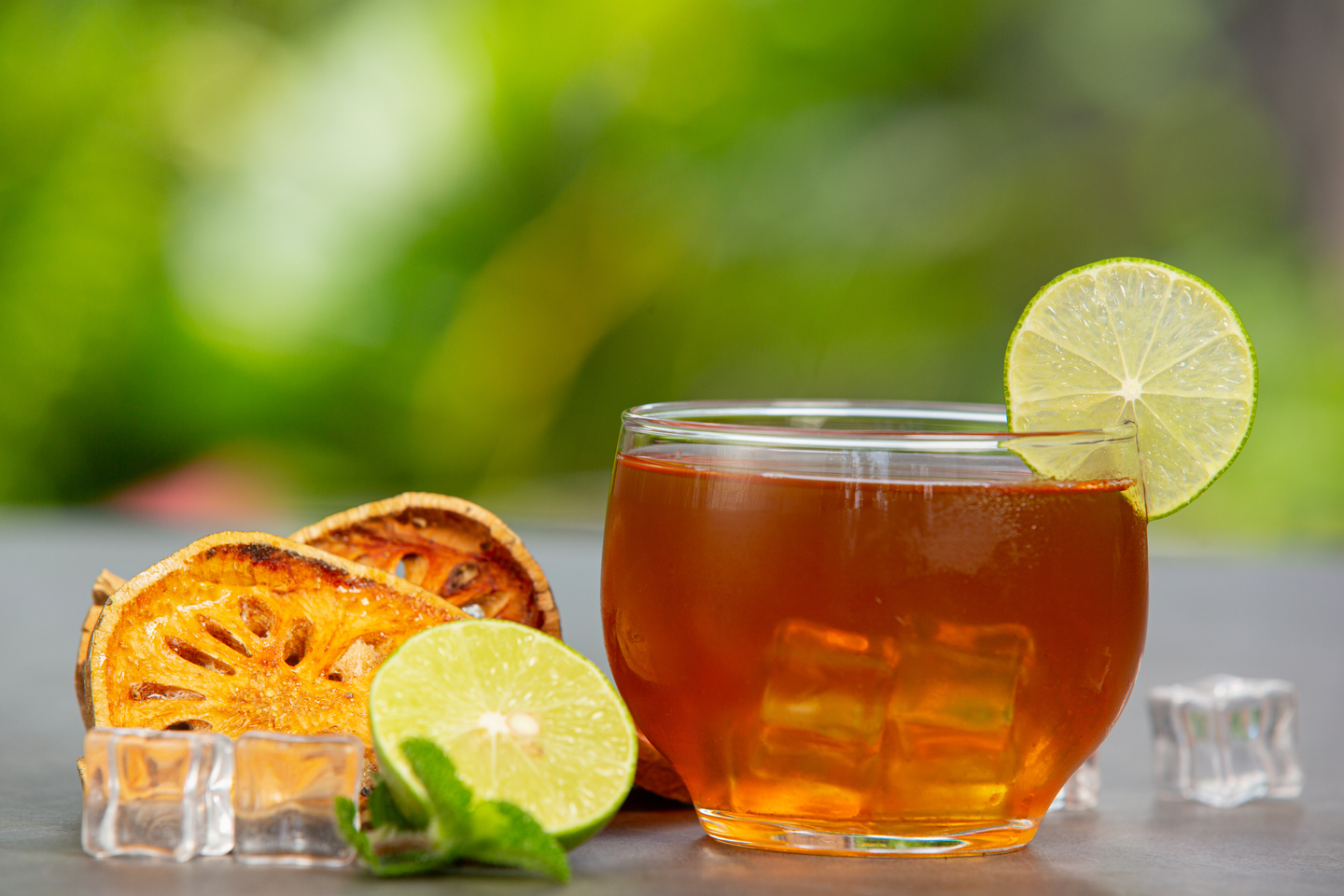
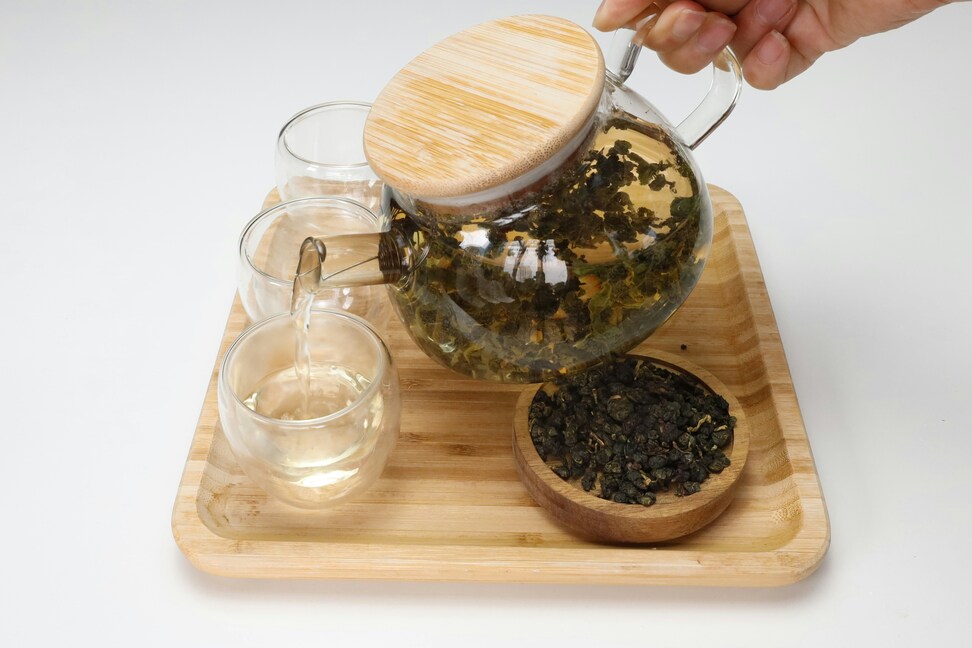
For those who love Thai tea or are new to the delights of oolong, it’s never been easier to brew the perfect drink at home. Start with authentic Thai oolong tea leaves or high-quality tea bags for the best flavor. Add hot water—around 90–95°C (just below boiling)—and steep for several minutes to release the tea’s floral, fruity, and sweet qualities. For hot drinks, a gaiwan or traditional teapot highlights complexity; for cold beverages, brew a strong concentrate with tea bags or Thai tea mix, chill, and add sugar, sweetened condensed milk, or coconut milk over ice.
Many customers substitute coconut milk for dairy, creating a delicious, creamy texture to their iced tea or oolong latte. For a zesty twist, try a lime Thai tea—add lime juice and stir it through for a cool, tangy flavor. Homemade recipes differ, but quality tea grown in the mountains or purchased from a reputable shop is always the first step toward an authentic, refreshing Thai beverage.
Tea Bags, Thai Tea, and Shops: Where to Buy and Experience
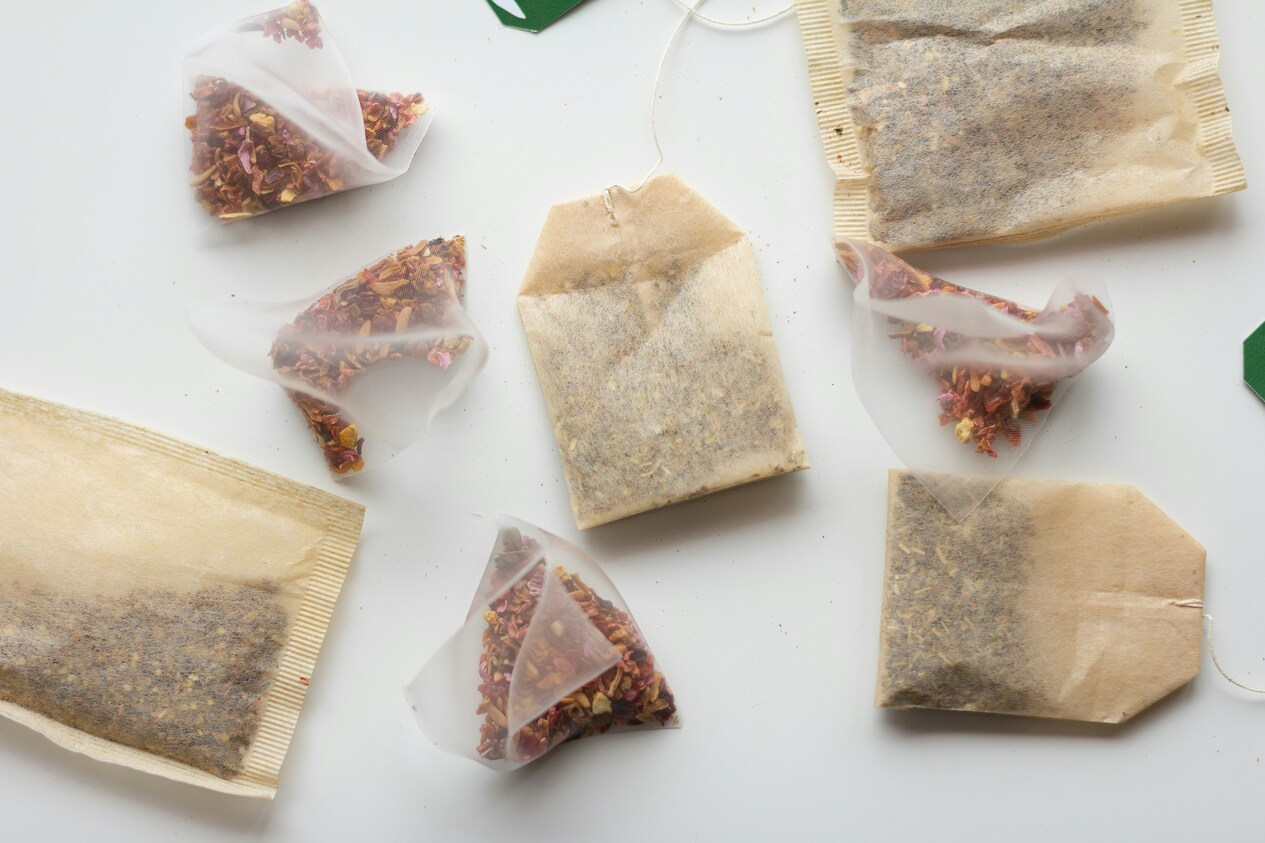
Premium Thai oolong tea, Thai tea, and even the classic Thai iced tea mix are now found in specialty stores, shops, and online retailers around the world. Look for authentic brands direct from Mae Salong or Chiang Rai, or select tea bags for convenience—these pack travel-friendly sweetness and floral undertones.
Enjoying these teas at a local Thai restaurant is a must, but for a true immersive experience, visit the source. In Mae Salong, Chiang Rai, and even Bangkok shops, customers can sample hot oolong, chilled cha yen, and even desserts made with tea for a surprising culinary twist. Whether buying by the pack, glass, or bulk, you’ll taste the difference that focus on authentic tea cultivation, local communities, and creative recipes brings to every serving.
For extra fun, experiment at home: chill your freshly brewed oolong in the fridge, make an iced latte with condensed milk, or mix things up with a fruit- or spice-infused Thai oolong. However you prefer to drink your Thai tea, each sip is an invitation to explore more.
Cha Yen, Mae Salong, and Tea Culture in Northern Thailand
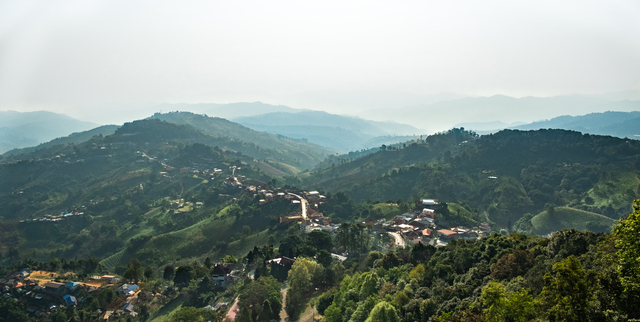
Mae Salong is at the heart of Thailand’s tea growing and beverage creativity. Tourists and tea lovers journey to its bustling markets to shop, sip, and learn from local tea masters. The region’s unique style is evident whether you’re enjoying oolong in a sunlit room, chilled tea poured from glass bottles, or inventive festival drinks laced with fruit or spices.
Some shops and brands even offer workshops, letting you experience authentic tea cultivation up close—picking leaves, learning to stir and brew, and discovering why Thai oolong tea continues to build passionate followings in Thailand, America, and beyond. Community pride shines through in every cup, every brand, and each new recipe, making Mae Salong and its teas famous for good reason.
Conclusion: Thai Oolong, Thai Tea, and the Sweet Taste of Innovation
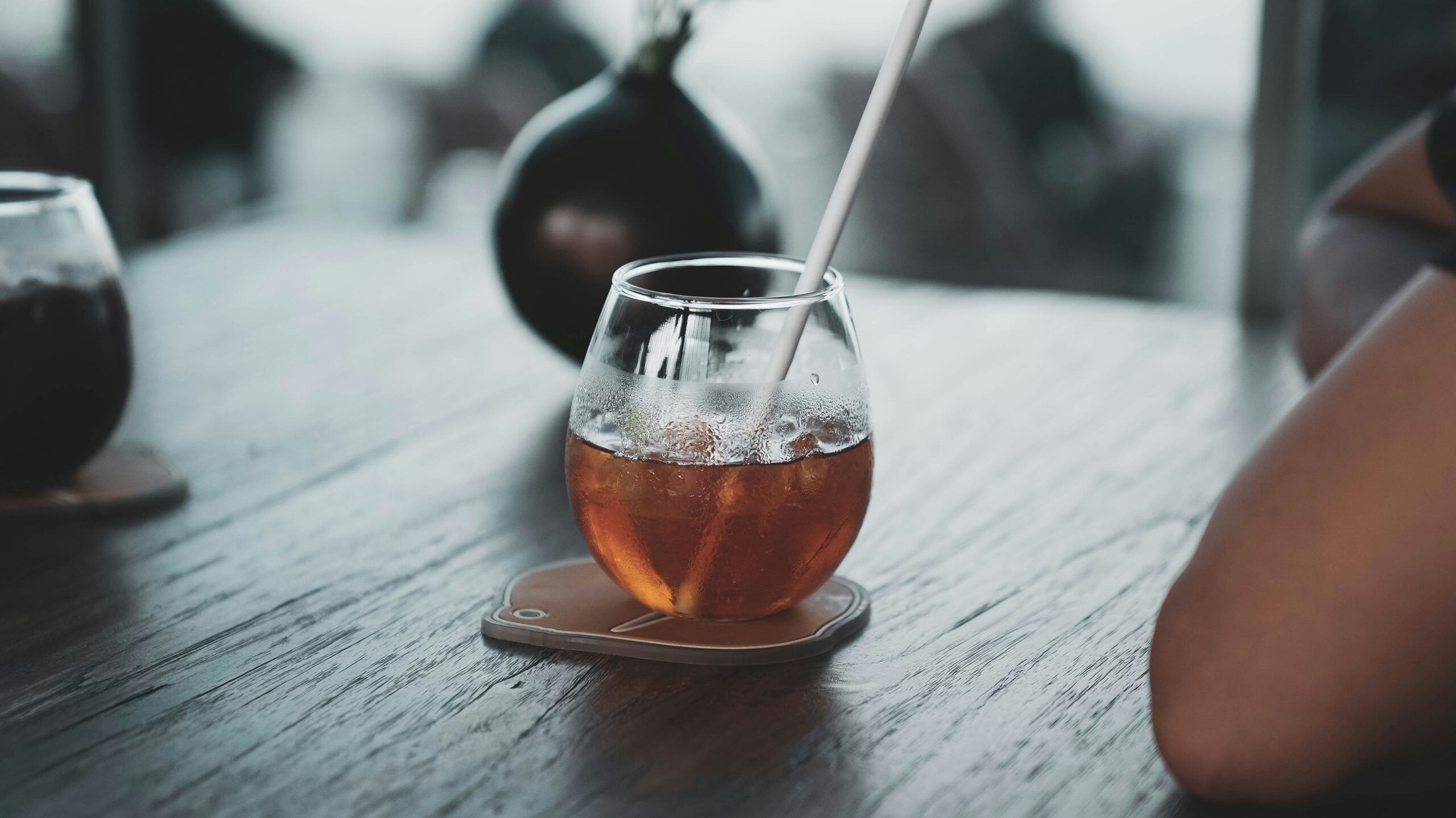
Thai oolong tea and Thai iced tea represent much more than just delicious, sweet beverages—they symbolize a revolution in flavors, culture, and craftsmanship born in the cool mountains of northern Thailand. Whether you choose a hot, orchid-scented oolong, a chilled glass of cha yen at your local shop, or a bold homemade Thai iced tea recipe, you’re embracing generations of tradition blended with inventive modern flair.
If you love Thai tea or wish to discover an amazing recipe for an irresistible, authentic chilled oolong drink, Thailand’s mountains offer the answer. There’s goodness in every cup—hot or iced, sweet or floral—inviting you to taste the difference of true Thai style, from the tea leaves to the last cool sip.

The Soul of Tea: Unveiling the Beauty of Traditional Tea Ceremonies
Tea is more than just a drink, isn’t it? It is a quiet moment in the middle of a busy day, a small ritual that grounds us. We are not just drinking tea; we are experiencing something far more profound, a glimpse into the centuries-old traditions of cultures that revere this simple beverage. Whether in…
The Matcha Latte and the Tea It Came From
The matcha latte drink has become one of the most recognizable tea-based beverages in modern cafés. From Starbucks menus to independent tea bars, it is served hot in ceramic mugs or as iced matcha lattes layered in a glass with cold milk and ice. It is marketed as a healthy drink. It is praised for…
We Are Drinking Tea Too Quickly
There is something ironic about rushing tea. We order it to relax. We call it calming. We describe it as grounding. And yet, more often than not, we drink it the same way we drink everything else — between emails, between meetings, between scrolling. Tea has become background noise. A mug beside the laptop. A…

Cuppage Plaza Food Culture Through a Tea Lens
Walk into Cuppage Plaza Singapore and you immediately feel the shift. Just a short walk from Somerset MRT Station, Cuppage Plaza is an accessible destination for food lovers seeking authentic Japanese cuisine. Orchard Road may glitter just outside, but inside this aging building, the mood changes. The corridors are dim. The signboards feel layered with…
Milk Tea Is Not Tea
This is not an argument about preference. It is a question about naming. Milk tea is everywhere now. It travels in oversized cups, sealed with plastic film. It arrives layered with foam, syrup, pearls, jelly, whipped cream. It is photographed before it is tasted. It is queued for. It is branded. It is loved. But…
A Journey into Herbal Teas: Exploring Nature’s Finest Infusions
Imagine cupping your hands around a warm mug, inhaling the sweet, floral scent of chamomile tea or the invigorating peppermint tea aroma from the peppermint plant. As you take the first sip, you feel a sense of calm and comfort wash over you. This soothing experience is the magic of herbal teas, a diverse and…
Singapore Tea for Every Palate and Every Ritual
What draws us to seek something deeper in a simple cup of tea? In Singapore, where countless cultures have settled like leaves steeping in warm water, the answer unfolds quietly in the spaces between tradition and modernity. Good tea emerges from patient sourcing, from the steady hands of those who understand its language, from leaves…
Why Private Room Singapore Spaces Are Perfect for Tea Rituals
In a city that never truly rests, quiet becomes something you have to choose. You feel it when you’re weaving through Orchard Road in the middle of the day, or squeezing past crowds in the Central Business District at lunch hour. The lights are bright, the notifications keep coming, and even when you sit down,…
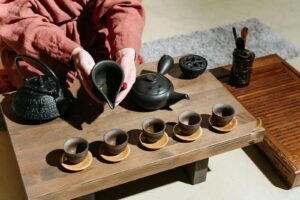
Tea Is Losing Its Ceremony — And We Let It Happen
No one announced it. There was no collective decision, no moment of cultural shift. And yet, the ceremony has quietly receded from everyday tea. What was once deliberate has become automatic. Tea used to require attention. Water temperature mattered. Leaves were measured with care. The cup was chosen, not grabbed. Even in the absence of…
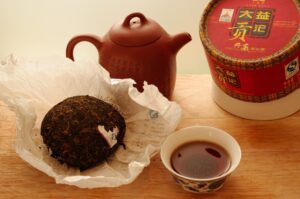
The Art of Aging: Understanding Authentic Yunnan Pu-erh Tea
Among the world’s most revered fermented dark teas, few types evoke as much intrigue and respect as Yunnan pu erh tea (普洱). Crafted from ancient tea trees in Yunnan province, this tea produced by traditional methods is a living testament to China’s rich beverage heritage. Unlike most loose leaf tea or black teas, high-quality pu…