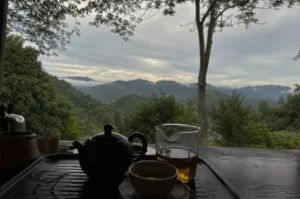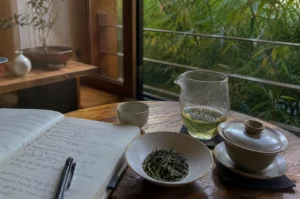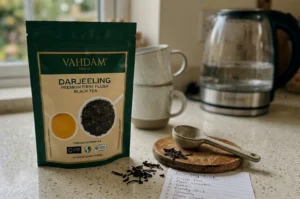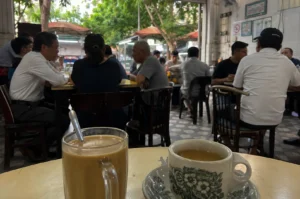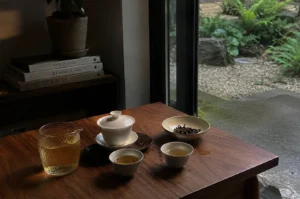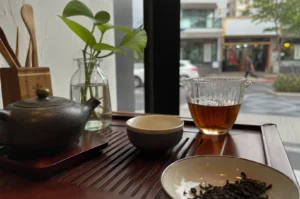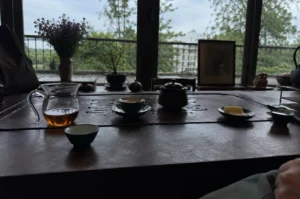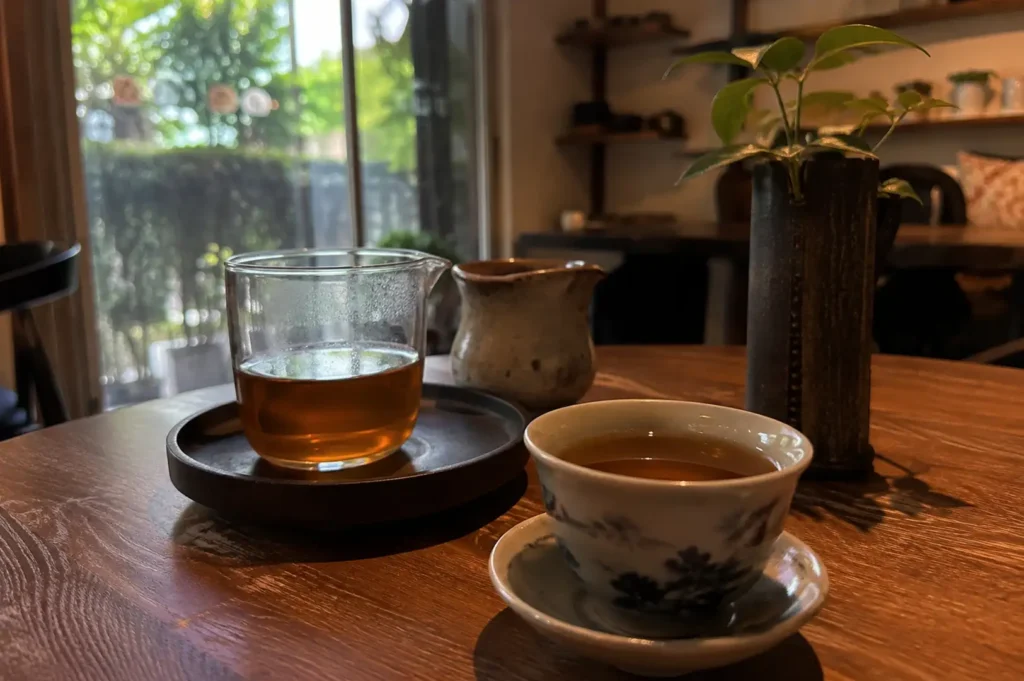
There is a particular disappointment that comes with ordering tea at a café.
You see the menu. You notice the carefully written descriptions. Perhaps there is a mention of fragrant jasmine, roasted oolong, or a carefully selected blend. The presentation arrives beautifully arranged, and for a moment, there is anticipation.
Then you take the first sip.
Something feels missing.
The tea is not bad. It is warm. It is pleasant enough. Yet somehow, it lacks the depth you expected. The aroma feels distant. The flavour disappears quickly. It tastes like tea, but not quite like an experience.
I have wondered about this many times.
Why does a tea that sounds so promising sometimes feel flat?
The answer is not always the quality of the leaves.
Sometimes, it is the environment.
Tea is a sensitive drink. Unlike beverages that rely heavily on sweetness, milk, or strong flavours, tea reveals its character through subtle details. The water temperature, the brewing time, the vessel, and even the attention given during preparation all influence what eventually reaches the cup.
But there is another factor we rarely discuss.
Tea needs patience.
Many cafés operate in a world built around speed. Orders need to move quickly. Tables need to turn over. Drinks need to arrive within minutes. This rhythm works well for many beverages, but tea has always belonged to a slower pace.
A tea leaf does not rush to reveal itself.
Some teas need time to open. Some require careful handling. Some change through multiple infusions, revealing something different with each pour.
When tea is treated like a drink that simply needs to be prepared quickly, something is often lost.
This does not mean cafés cannot serve excellent tea. Many do. There are places that understand tea is not just another item on the menu but an experience that deserves attention.
But perhaps this explains why some of the most memorable cups of tea are not always found in the most impressive settings.
Sometimes they happen at home.
A familiar teapot.
A quiet morning.
Leaves given enough time to unfold.
There is no pressure to hurry.
The tea is allowed to become itself.
Maybe this is the difference between drinking tea and experiencing tea.
The former satisfies a need.
The latter creates a moment.
Of course, not every café cup needs to become a ceremony. Tea does not require perfection. It does not need to be complicated to be enjoyable.
But perhaps it does need one thing.
Respect for its pace.
Because tea has always had a quiet way of reminding us that some things cannot be improved by moving faster.
They simply need time.
With quiet regard,
N. P. Lim

We Talk Too Much About Tea and Not Enough About Drinking It
Tea culture has become remarkably good at talking about tea. We discuss origins. Elevation. Harvest seasons. Processing methods. Water temperatures. Brewing vessels. There are endless conversations about tea. And yet I sometimes wonder whether we spend enough time simply drinking it. This may sound like an odd criticism coming from someone who enjoys learning about…
-
High Tea St Regis: A Grand Afternoon Ritual at Regis Singapore
The light in the late afternoon does something quiet to a room. It softens. It lingers on the rim of a porcelain cup in the elegant Tea Room, slides along the curve of a silver pot, and settles into the folds of a linen napkin without asking for attention. There is a stillness here, the…
-
Why We Keep Looking for the Perfect Tea
I used to think there would be a moment when my tea journey felt complete. A tea so good that I would stop searching. A tea that would make every other tea feel unnecessary. Years later, I can confidently say that moment has never arrived. And I’m starting to think that’s the point. Tea drinkers…
-
Darjeeling First Flush: Capturing the Himalayan Spring in a Teacup
I still remember the first time someone handed me a cup of Darjeeling First Flush, a prized form of black tea, and asked me, quite seriously, not to add milk. I almost laughed. Tea without milk felt like toast without butter. But I humored my friend, took a sip, and paused. The liquid was pale…
-
What Kopi and Tea Say About Singapore
One of the things I love most about Singapore is that we never really chose between kopi and tea. We kept both. Walk into almost any hawker centre or coffee shop and you’ll see it immediately. One person orders kopi-o. Another asks for teh-c. Someone else is drinking Chinese tea from a flask they brought…
-
The Tea We Keep Saving for Later
Many tea drinkers have a tea they are saving. A special oolong purchased during a memorable trip. A rare tea gifted by a friend. A tea that feels too valuable, too limited, or too meaningful to drink casually. So it waits. Days become weeks. Weeks become months. The tea remains carefully stored while more ordinary…
-
Earl Grey Tea Benefits: What Is Earl Grey Tea and Why Has It Endured for Centuries?
Introduction Few teas are as instantly recognisable as Earl Grey tea. Even among people who do not regularly drink tea, the distinctive citrus aroma of Earl Grey often feels familiar. It appears in tea shops, cafés, afternoon tea menus, and kitchen cupboards around the world, yet many people still ask the same question: what is…
-
Can You Call Yourself a Tea Lover If You Don’t Like Matcha?
I have a confession. I don’t think every tea lover needs to love every tea. That sounds obvious when written down, but spend enough time around tea enthusiasts and you may start to think otherwise. Someone discovers that you enjoy tea. The questions begin. Do you drink green tea? What about pu-erh? Have you tried…
-
Is Tea Acidic? Understanding Tea Acidity and What It Means for Tea Drinkers
One of the most common questions among both new and experienced tea drinkers is surprisingly simple: is tea acidic? The answer is yes, but the reality is far more nuanced than a simple yes or no. Most teas fall on the mildly acidic side of the pH scale, yet they are generally far less acidic…
-
The Best Tea Sessions Are Usually Unplanned
Some of the most memorable tea sessions begin without intention. No special occasion. No carefully selected tea ware. No plan to spend an afternoon appreciating tea. Someone simply puts water on to boil. A tea is chosen almost absentmindedly. Cups are found. The tea is poured. And somehow, those sessions often become the ones we…