I have a small habit that I never really noticed until recently.
The weather changes, and somehow, so does the tea I want.
On a hot afternoon, I find myself reaching for something light and floral. When rain settles over the windows, I want something darker, warmer, perhaps a little more comforting. On those rare mornings when the air feels cooler than usual, I suddenly want a tea with more body.
It is almost as if my tea cupboard has its own weather forecast.
Of course, Singapore does not give us four neat seasons. We have heat, rain, more heat, and then rain that somehow feels even heavier. But even here, I notice these small shifts in what I want to drink.
Maybe it is not really the weather changing the tea.
Maybe it is changing me.
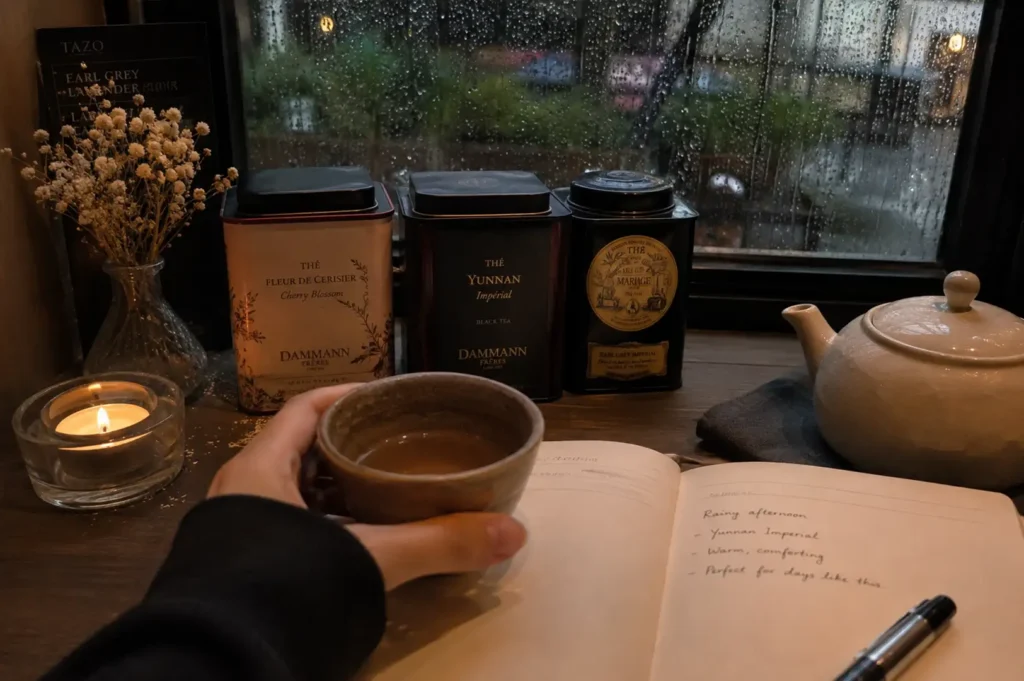
There is something about a warm cup of tea on a rainy afternoon that feels almost instinctive. The same tea I might ignore on a bright, humid day can suddenly feel exactly right when rain is tapping against the window.
And I don’t think this is entirely about temperature.
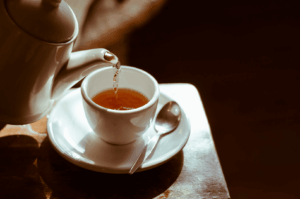
Tea carries atmosphere with it. A bright green tea can feel refreshing. A roasted oolong can feel comforting. A fragrant black tea can make an ordinary afternoon feel slightly more deliberate.
We often talk about tea in terms of flavour. Floral. Smoky. Nutty. Sweet. But I think we sometimes forget another quality that is harder to describe.
Mood.
I have teas in my cupboard that I associate with particular kinds of days. One reminds me of slow mornings. Another has somehow become my rainy-day tea. There is one I reach for when I need something familiar, even if I cannot explain why.
None of this was planned.
I certainly did not buy them thinking, “This will be my rainy afternoon tea.”
It just happened.
Perhaps that is one of the more personal sides of drinking tea. Over time, we stop choosing tea purely for what is in the leaves. We choose it for what we want the moment to feel like.
That is why I find tea collections so revealing.
Two people can own the same teas and reach for completely different tins on the same day. One person may want something bright and refreshing. Another may want something deep and comforting.
Neither is wrong.
The tea is responding to the person, not the other way around.
So lately, when I stand in front of my tea cupboard deciding what to brew, I have stopped asking which tea is technically the best.
I ask a simpler question.
What kind of day is this?
Sometimes, the answer is enough to tell me which tin to open.

Ceylon High Grown Tea: The Bright, Crisp Profiles of Nuwara Eliya
Imagine standing amidst a sea of emerald green on the island of Sri Lanka, where manicured tea bushes climb rolling hills and disappear into a cool, persistent mist. This is the world of Ceylon high grown tea, centred in Nuwara Eliya – a region characterized by bright sunshine in the morning and cool, misty nights….
-
Masala Chai Origins: The Cultural Evolution of India’s Spiced Tea Tradition
The rhythmic clanging of metal kettles echoes through narrow lanes as steam rises from countless chai stalls across India. The intoxicating aroma of cardamom, cinnamon, and fresh ginger mingles with robust black tea, creating an olfactory symphony that has captivated souls for centuries. This is masala chai-not merely a beverage, but a cultural phenomenon that…
-
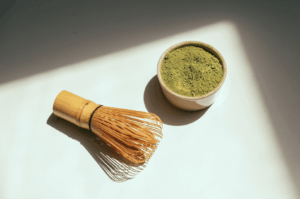
Matcha Tea: The Versatile Japanese Green Tea Powder
The vibrant green powder that transforms simple hot water into liquid jade has captivated tea enthusiasts worldwide. Matcha tea represents more than just a trendy beverage-it’s a bridge connecting ancient Japanese traditions with modern culinary innovation. This unique form of powdered green tea offers endless possibilities, from meditative ceremonial drinking to creative kitchen applications that…
-
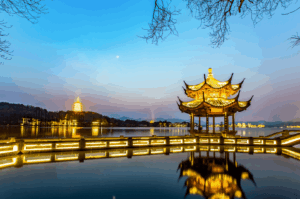
The Dragon Well Legacy: Exploring China’s Legendary Longjing Tea
Among the world’s most revered green teas, few carry the prestige and cultural significance of China’s legendary Dragon Well. This premium tea has captivated tea enthusiasts for centuries, earning its place as an imperial favourite and modern icon alike. From its mystical origins at West Lake to its meticulous processing methods, Longjing represents the pinnacle…