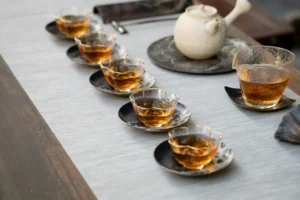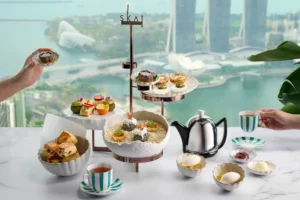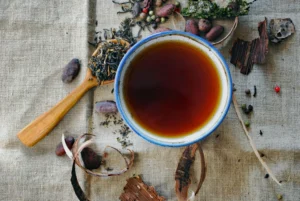
Tea seems simple, doesn’t it? Water. Leaves. A cup. Yet we’ve turned this quiet ritual into something complicated. The perfect temperature, the right teapot, the precise timing.
But is it really necessary?
Tea, at its core, was never meant to be complicated. In the beginning, it was an uncomplicated drink shared between friends, brewed over a simple fire. No fuss. No expectations. Just warmth and a moment of pause.
In today’s world, we are often caught up in making things perfect. We measure, adjust, and perfect every little detail. And tea has fallen victim to that same need for precision. But when did tea become something to master, rather than something to enjoy?
Perhaps we’ve forgotten the true beauty of tea: it doesn’t need to be flawless to be meaningful. The magic lies in the simplicity. The act of brewing, the sound of water meeting leaves, the quiet moment when the first sip is taken—those are the things that truly matter.
So the next time you brew tea, don’t worry about it being perfect. Just brew. Just drink. Let the moment be enough.
Tea has always been simple. Maybe it’s time we return to that. If you're looking for great places to explore, check out our Best Tea in Singapore Guide for a selection of local gems.
With quiet regard,
N. P. Lim

The Quiet Difference Between Muslim-Owned Cafés and MUIS-Certified Halal High Tea Spots in Singapore
I remember wandering down Arab Street years ago, searching for a quiet café where I could settle into an afternoon of coffee, tea, and conversation. I found a minimalist little space filled with delicate pastries and beautiful dessert displays, but hesitation quietly crept in as I began wondering about alcohol-based syrups, gelatin, and whether the…
-
Why Tea Shops Always Feel Slightly Different From Cafés
I’ve noticed something interesting over the years. People behave differently in tea shops. Not dramatically different, of course. No one suddenly becomes wiser the moment tea is poured. But the atmosphere tends to shift in subtle ways. Conversations slow down. Phones appear less often. Even silence feels more comfortable somehow. Tea shops carry a different…
-
High Tea Halal Singapore: Elegant and Inclusive Dining Experiences
There is something deeply comforting about slowing down for tea in Singapore. In a city that moves quickly, afternoon tea offers a rare excuse to pause for a few quiet hours over warm pots of tea, delicate pastries, and long conversations that linger far beyond the last bite. Yet finding a halal high tea experience…

Why Oolong Tea Always Feels Slightly Mysterious
Oolong tea never feels entirely straightforward. Green tea usually introduces itself immediately. Black tea does the same. You understand them quickly. One feels fresh and bright. The other feels deep and familiar. But oolong tends to sit somewhere in between. Not fully green. Not fully black. Not always easy to describe. Perhaps that is part…
-
Benefits of Black Tea: Why This Everyday Drink Still Matters
For many people, black tea is simply part of a routine. It is the first thing brewed in the morning, poured during afternoon tea, or enjoyed quietly at the end of a long day. Familiarity often makes it easy to overlook, but the benefits of black tea extend far beyond comfort or habit. In the…
-
Why Tea Somehow Tastes Better on Rainy Days
I don’t know when I first started believing this, but tea genuinely feels different when it rains. Not scientifically different, of course. The leaves do not magically change because of the weather. And yet somehow, a cup of tea on a rainy afternoon feels softer, warmer, maybe even a little more comforting than usual. Just…

Brew, Sip, Heal: The Powerful Chamomile Tea Benefits Explained
Singapore is a city that rarely stops moving. Between the hum of the MRT, the endless glow of screens, and the heavy humidity that clings to the air, finding a moment to genuinely wind down can feel like a luxury. For the longest time, my evening routine consisted of scrolling through my phone while finishing…
-
Why Tea Feels Different at Night
Tea changes after dark. The same leaves, brewed in the same pot, somehow feel quieter in the evening. The aroma lingers longer. The warmth of the cup feels more noticeable in the hands. Even conversation seems to soften slightly around tea at night. Perhaps it is because the world itself becomes quieter. During the day,…

Tea Health Benefits: Best Teas for Relaxation, Focus, and Sleep
Tea is one of the world’s most beloved drinks, enjoyed every day across countless cultures. When we talk about tea health benefits, it’s helpful to know the difference between true tea and herbal infusions. True tea comes from the Camellia sinensis plant, giving us popular varieties like green, black, white, and oolong tea. On the…

The Secret Joy of a Simple Cup of Tea
There’s something so deeply satisfying about a cup of tea-especially when it’s the simplest cup. No complicated brewing methods. No fancy leaves. Just tea, water, and a moment of quiet. I’ve had tea in many places, from grand tea houses to humble kitchen counters. But the most memorable tea moments often happen in the least…