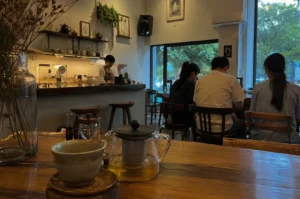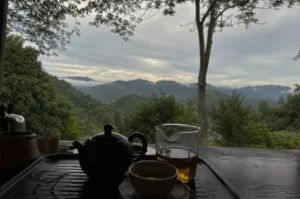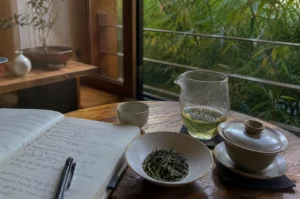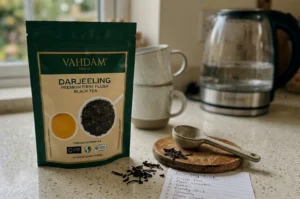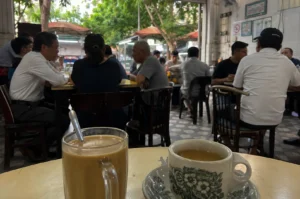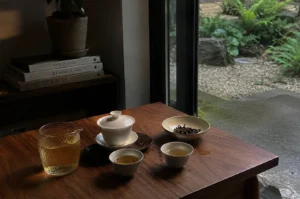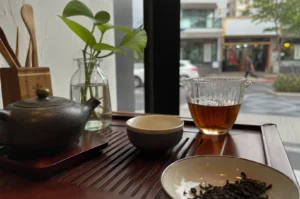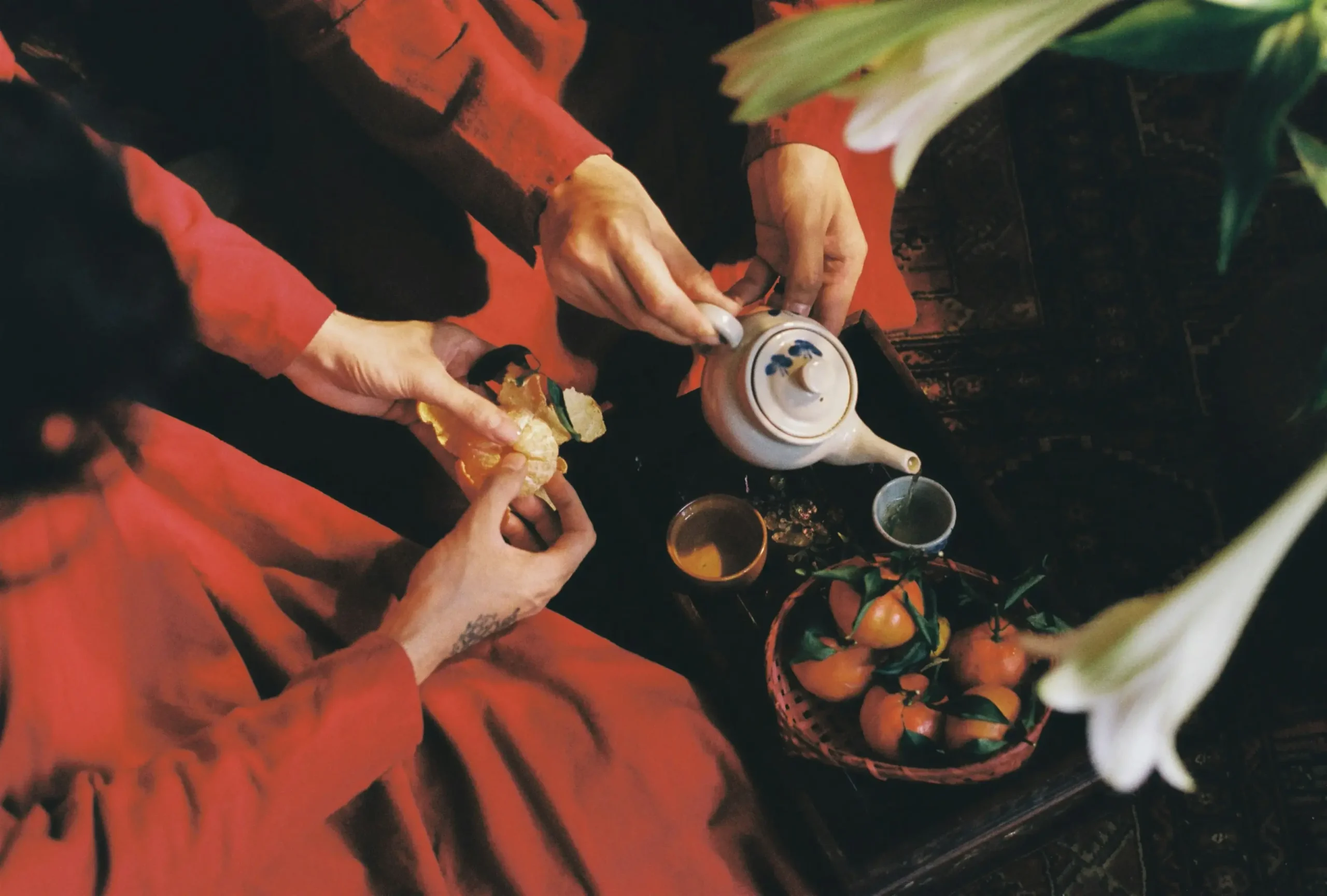
Tea is more than just a drink, isn’t it? It is a quiet moment in the middle of a busy day, a small ritual that grounds us. We are not just drinking tea; we are experiencing something far more profound, a glimpse into the centuries-old traditions of cultures that revere this simple beverage. Whether in the bustling tea houses surrounded by tea plantations in China or the serene, purpose-driven tea rooms with a tatami floor in Japan, traditional tea ceremonies are not merely about the tea itself. They are a bridge to another time and place, embracing the principles of Zen Buddhism and tea appreciation that emphasize mindfulness, respect, and harmony.
For those seeking an intimate and authentic tea experience, Tea Manor offers private tea ceremony rooms in Singapore that perfectly capture the essence of traditional tea rituals.
Traditional Tea Ceremonies: More Than Just Tea
When we think of a tea ceremony, we may imagine something very formal or distant. Yet, it is so much more intimate than that. These ceremonies carry tea traditions deeply rooted in culture and respect. Take the Chinese tea ceremony, for instance. It is not about rushing through a cup of tea. It is about connection. Serving tea in this context is an act of reverence—respecting the purity of the tea, the process of making it, and the person you are serving. In these small cups, you are not just holding tea; you are holding history, tradition, and the warmth of generations who have come before.
The act of pouring the tea, carefully selecting the leaves, and making sure the temperature of the water is just right—every detail matters. It is about respecting purity and tranquility. The kind of respect that makes you slow down and truly experience the moment. The tea utensils, from the tea scoop to the tea caddy, are never just objects; they are part of a deeper ritual. They remind us that tea is not merely a drink, but an art form.
The Japanese Tea Ceremony: A Lesson in Stillness and Presence
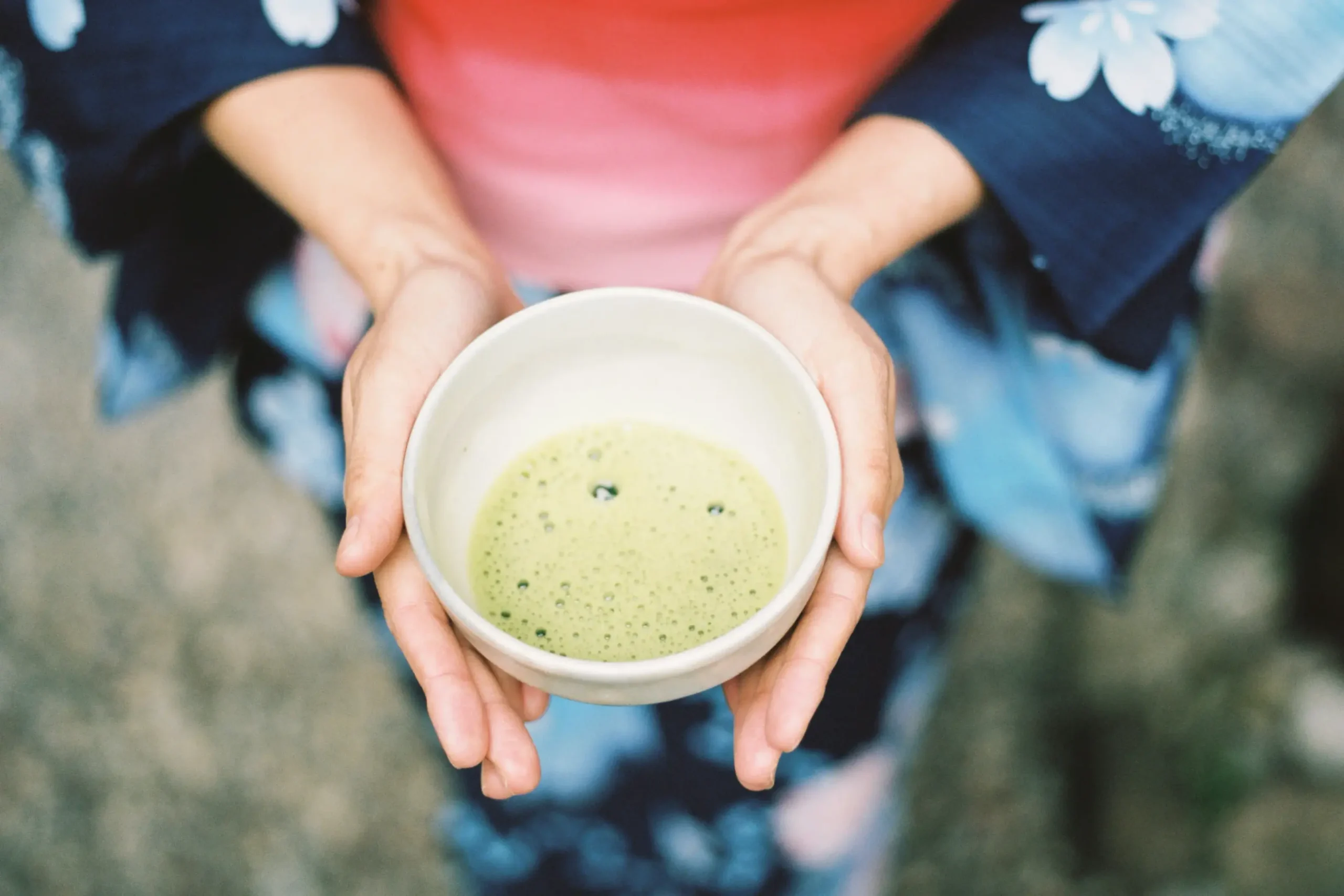
Then there is the Japanese tea ceremony, a practice that takes us even deeper into the world of mindfulness. At its heart, the Japanese tea culture is about quieting the mind. When you engage in the Japanese tea ceremony, you step into a world where every movement is deliberate, where even the whisking of the matcha tea with the tea whisk carries significance. The space is calm, the gestures are slow, and the tea is prepared with respect—for the tea, for the ceremony, and for the people who will share it.
It is interesting, isn’t it? How something as simple as brewing tea becomes a profound act of reflection in a ceremony. The tea master does not just serve tea; they guide you into a place of peace. There is a quiet that fills the tea room, where the sound of the tea whisk cutting through the powdered green tea becomes the heartbeat of the moment. The tea bowl, held with both hands, brings a sense of humility. And then, there is that first sip. No rushing. Just the stillness, the warmth, and the flavor, each sip a reminder of the artistry in the process.
Chinese Tea Ceremonies: Tea as a Bond of Family and Tradition
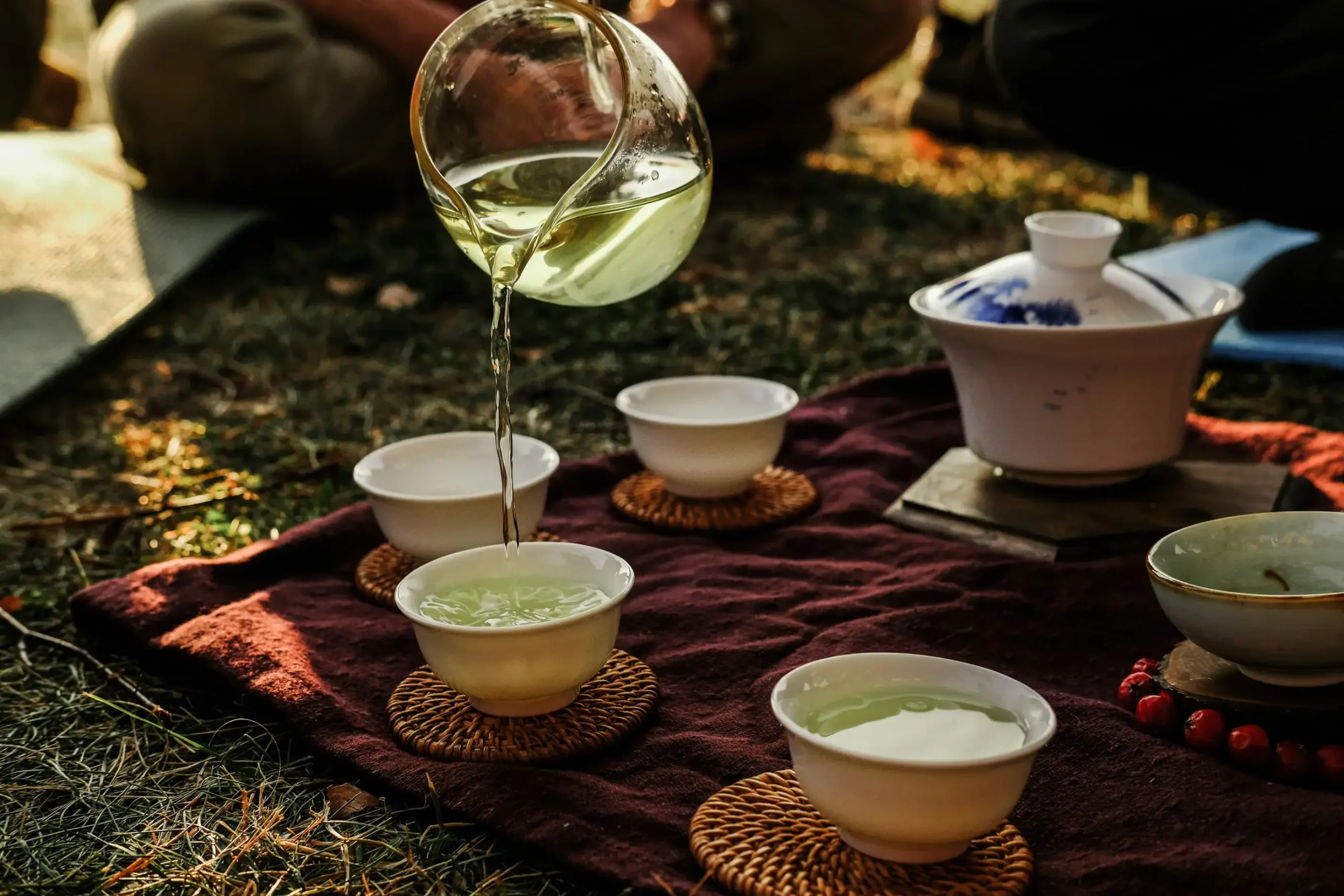
In the Chinese tea ceremony, the act of offering tea can be as intimate as it is formal. You will often find it woven into family rituals like the Chinese wedding tradition, where the bride and groom serve tea to their parents. There is so much symbolism here—tea as a connection, as a symbol of respect. Serving tea to your elders during these ceremonies is about more than just tradition; it is about honoring the roots from which you came.
The small tea cups, often used in these ceremonies, invite you to slow down and drink more thoughtfully. When tea is served during these formal occasions, it becomes a reminder of the importance of family, of gratitude, and of the bond that holds us all together. Whether in a wedding or a quiet family gathering, the tea leaves are chosen carefully, prepared with great attention, and offered as an act of love and respect.
Brewing Tea: The Ritual Behind the Beverage
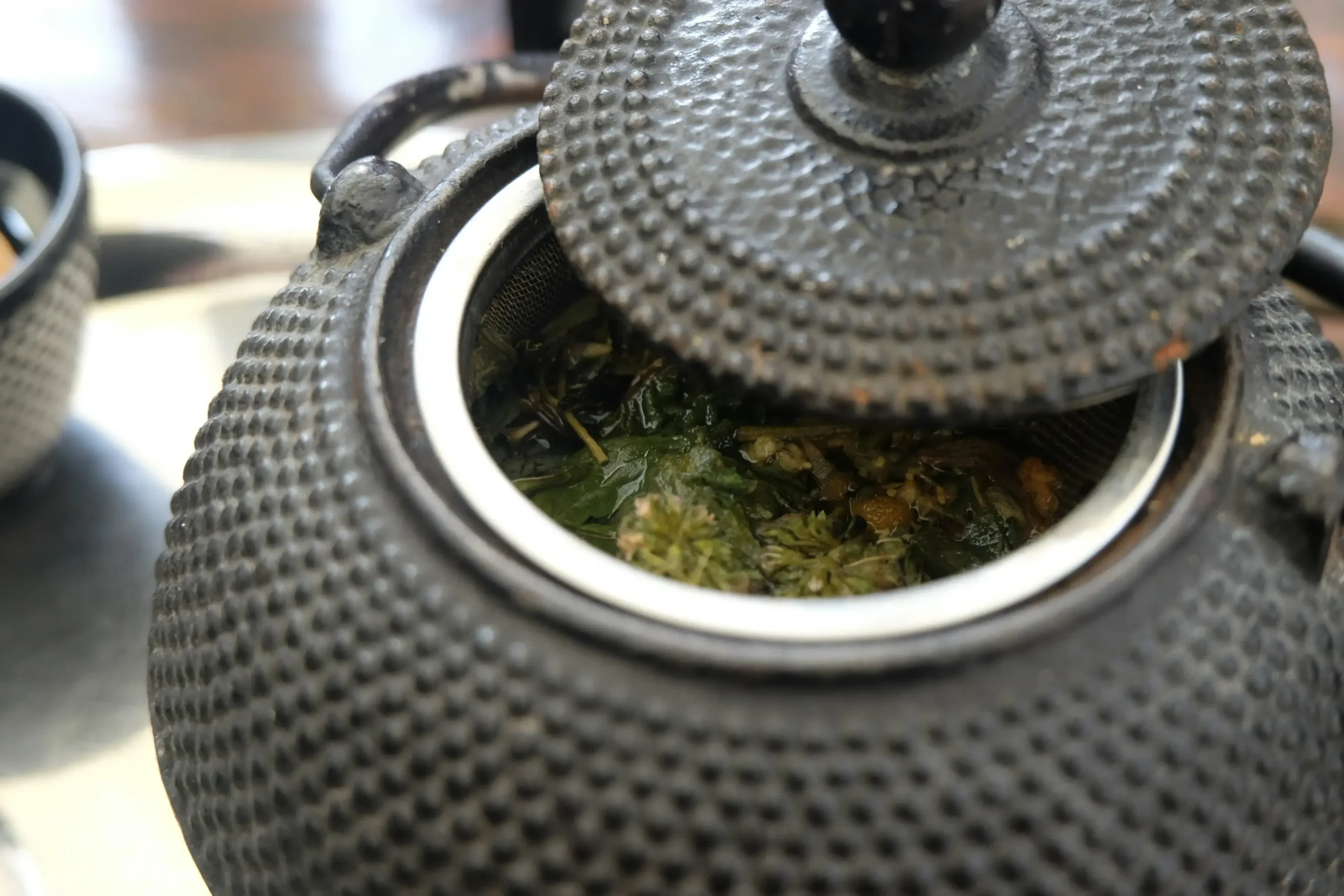
When we talk about brewing tea, there is a certain art to it that we often overlook. Take a moment to think about how you prepare your tea at home. Is it rushed? Are you really paying attention? For most of us, tea drinking can feel like a quick fix—a way to soothe ourselves in a busy world. But what if we stopped and appreciated the ritual of making tea?
In the context of traditional tea ceremonies, whether you are preparing leaf tea in a Chinese ceremony or powdered tea like matcha in a Japanese one, every detail matters. The tea equipment—the tea bowls, the tea whisk, and even the tea scoop—becomes part of the dance. The temperature of the water, the steeping time, and the type of tea leaves are all deliberate choices that enhance the experience. It is not about drinking tea quickly. It is about slowing down, finding peace, and tasting the essence of the tea.
Tea Culture Around the World: A Shared Moment
It is fascinating how tea culture manifests itself around the world. Each culture has its unique approach—yet they all share a common thread: tea is not just about the drink; it is about the shared experience. In Russian tea culture, there is the samovar, a tea-making ritual that invites guests to linger and chat. In Korean tea culture, there is a quiet elegance that encourages contemplation. And, of course, afternoon tea in the UK has become a beloved social event, where tea is paired with delicate sandwiches and pastries.
There is something so universally comforting about tea. Tea parties, whether formal or informal, are more than just a way to drink tea—they are moments to gather, to talk, to reflect, and to connect. And isn’t that what makes tea so special? The simple act of sipping from small tea cups becomes a bridge between cultures, a shared experience that transcends time.
Crafting Your Own Tea Ceremony: A Moment Just for You
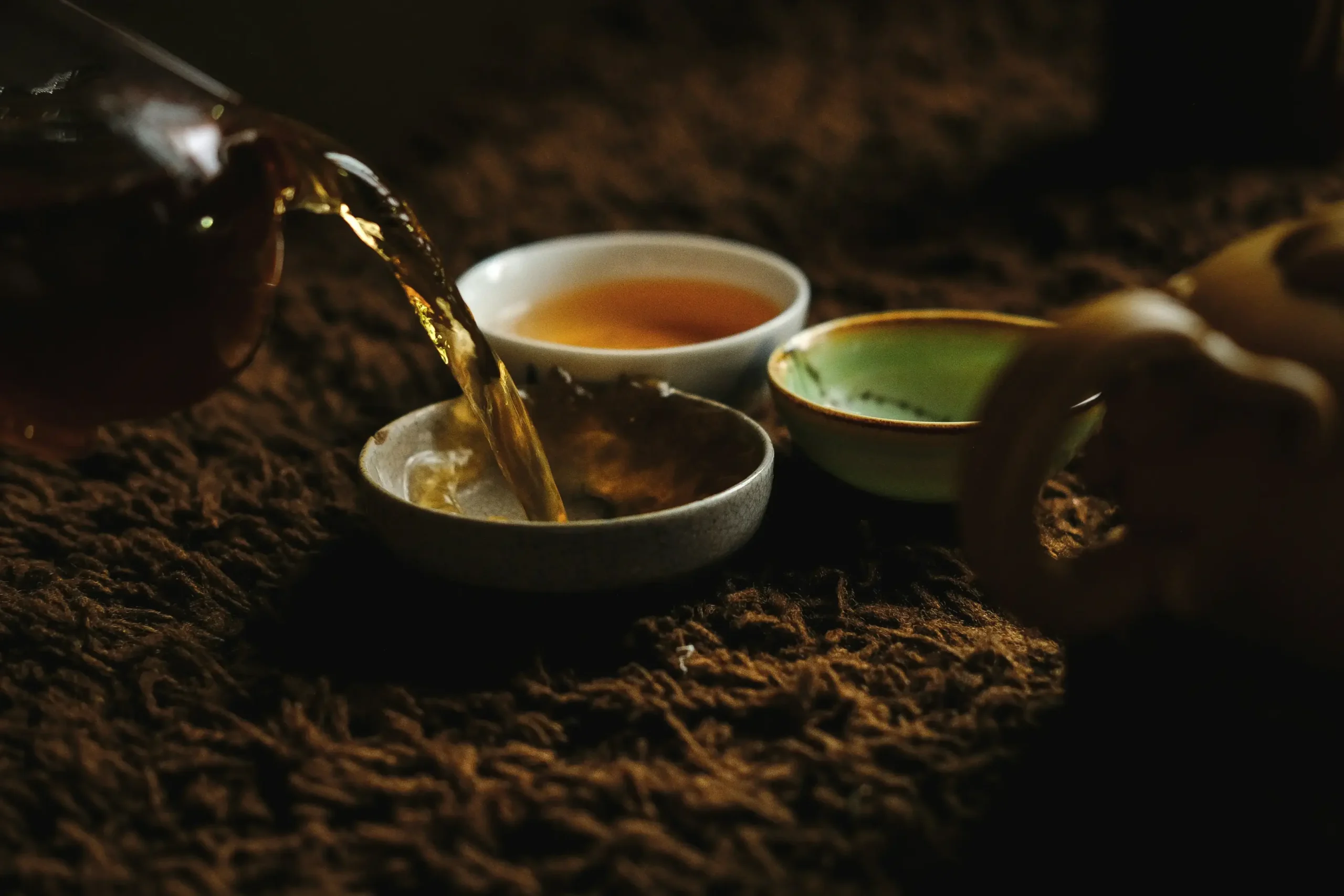
Maybe you have never thought about creating your own tea ceremony, but what if you did? It does not have to be as elaborate as a traditional ceremony, but why not take a moment each day to create a space for mindfulness and reflection? Whether you are enjoying leaf tea or matcha tea, use the moment to center yourself.
In these ceremonies, the preparation of quality tea is a sacred act. From selecting the finest tea seeds to the careful tea preparation involving charcoal fire or hot water, every step is performed with proper etiquette. Guests often purify themselves at a stone basin before entering the waiting room, symbolizing a cleansing of body and mind. The host, often dressed in traditional dress, uses precise movements to prepare and serve thin tea or thick tea, inviting guests to savor the flavor in a few sips.
These tea rituals are more than just about drinking tea; they are about creating a space for tranquility and connection. Whether among tea practitioners in a tea garden or among foreign guests in a tea house, the ceremony fosters a shared appreciation of culture and the simple beauty found in every cup.
Conclusion: Embracing the Art of Drinking Tea
When we sit down for tea, it is easy to forget that this simple drink carries so much meaning. From the tea leaves to the tea utensils, every part of the ceremony has purpose. Each sip is a reminder to slow down, to reflect, and to appreciate the present moment. So, next time you brew a cup of tea, think about the rituals that have been passed down through generations and consider the ways in which tea, no matter where you are from, unites us all.
Tea is not just something to drink; it is a practice, an art form, and a moment of connection. And in that moment, whether you are sharing it with friends or savoring it alone, the world slows down just a little bit, and you are left with something far richer than a cup of tea.

Why We Secretly Judge Tea Shops by Their Music
I never thought much about music in tea shops, until I started noticing patterns. The tea is brewed, the cups are warm, and the aroma drifts through the room. But then the music starts, and suddenly, the entire experience changes. Some shops play classical or soft jazz. Conversations linger. Sips are slow. Even the tea…
-
The Best Everyday and Gift-Worthy Blends from Gryphon Tea Singapore
I have a small confession. For the longest time, I treated tea like a background character in my day. It was just the thing I gulped between meetings, barely tasting it. Then a friend handed me a proper cup one quiet afternoon, and I finally slowed down enough to notice the aroma, the warmth, the…
-
We Talk Too Much About Tea and Not Enough About Drinking It
Tea culture has become remarkably good at talking about tea. We discuss origins. Elevation. Harvest seasons. Processing methods. Water temperatures. Brewing vessels. There are endless conversations about tea. And yet I sometimes wonder whether we spend enough time simply drinking it. This may sound like an odd criticism coming from someone who enjoys learning about…
-
High Tea St Regis: A Grand Afternoon Ritual at Regis Singapore
The light in the late afternoon does something quiet to a room. It softens. It lingers on the rim of a porcelain cup in the elegant Tea Room, slides along the curve of a silver pot, and settles into the folds of a linen napkin without asking for attention. There is a stillness here, the…
-
Why We Keep Looking for the Perfect Tea
I used to think there would be a moment when my tea journey felt complete. A tea so good that I would stop searching. A tea that would make every other tea feel unnecessary. Years later, I can confidently say that moment has never arrived. And I’m starting to think that’s the point. Tea drinkers…
-
Darjeeling First Flush: Capturing the Himalayan Spring in a Teacup
I still remember the first time someone handed me a cup of Darjeeling First Flush, a prized form of black tea, and asked me, quite seriously, not to add milk. I almost laughed. Tea without milk felt like toast without butter. But I humored my friend, took a sip, and paused. The liquid was pale…
-
What Kopi and Tea Say About Singapore
One of the things I love most about Singapore is that we never really chose between kopi and tea. We kept both. Walk into almost any hawker centre or coffee shop and you’ll see it immediately. One person orders kopi-o. Another asks for teh-c. Someone else is drinking Chinese tea from a flask they brought…
-
The Tea We Keep Saving for Later
Many tea drinkers have a tea they are saving. A special oolong purchased during a memorable trip. A rare tea gifted by a friend. A tea that feels too valuable, too limited, or too meaningful to drink casually. So it waits. Days become weeks. Weeks become months. The tea remains carefully stored while more ordinary…
-
Earl Grey Tea Benefits: What Is Earl Grey Tea and Why Has It Endured for Centuries?
Introduction Few teas are as instantly recognisable as Earl Grey tea. Even among people who do not regularly drink tea, the distinctive citrus aroma of Earl Grey often feels familiar. It appears in tea shops, cafés, afternoon tea menus, and kitchen cupboards around the world, yet many people still ask the same question: what is…
-
Can You Call Yourself a Tea Lover If You Don’t Like Matcha?
I have a confession. I don’t think every tea lover needs to love every tea. That sounds obvious when written down, but spend enough time around tea enthusiasts and you may start to think otherwise. Someone discovers that you enjoy tea. The questions begin. Do you drink green tea? What about pu-erh? Have you tried…