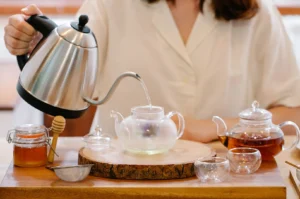
I still remember the first cup of tea I drank after returning from a long trip. It was nothing remarkable, a simple black tea brewed in my kitchen but it tasted different from any cup I had drunk abroad. It wasn’t the leaves themselves. It wasn’t the water or the pot. It was the familiarity of the surroundings, the quiet hum of my own home, and the sense of being back.
Tea has a curious way of doing that.
It carries memory more subtly than words ever could. A smell, a warmth, a taste can instantly pull you back to a moment long past. I have cups of tea tied to rainy afternoons, to conversations that stretched too long, to mornings that felt impossibly calm despite the day ahead.
Sometimes I wonder if I enjoy tea as much for the drink itself as I do for these connections it evokes.
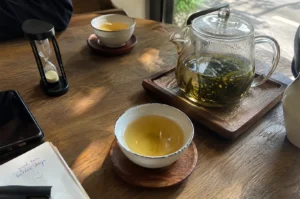
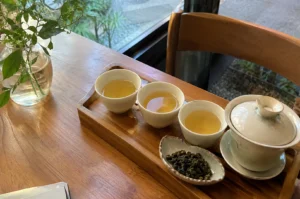
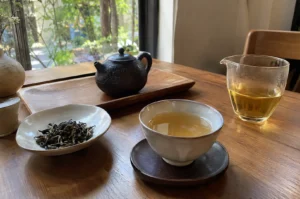
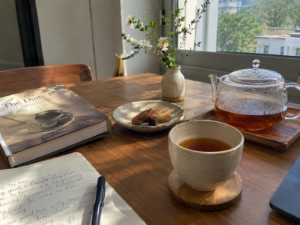
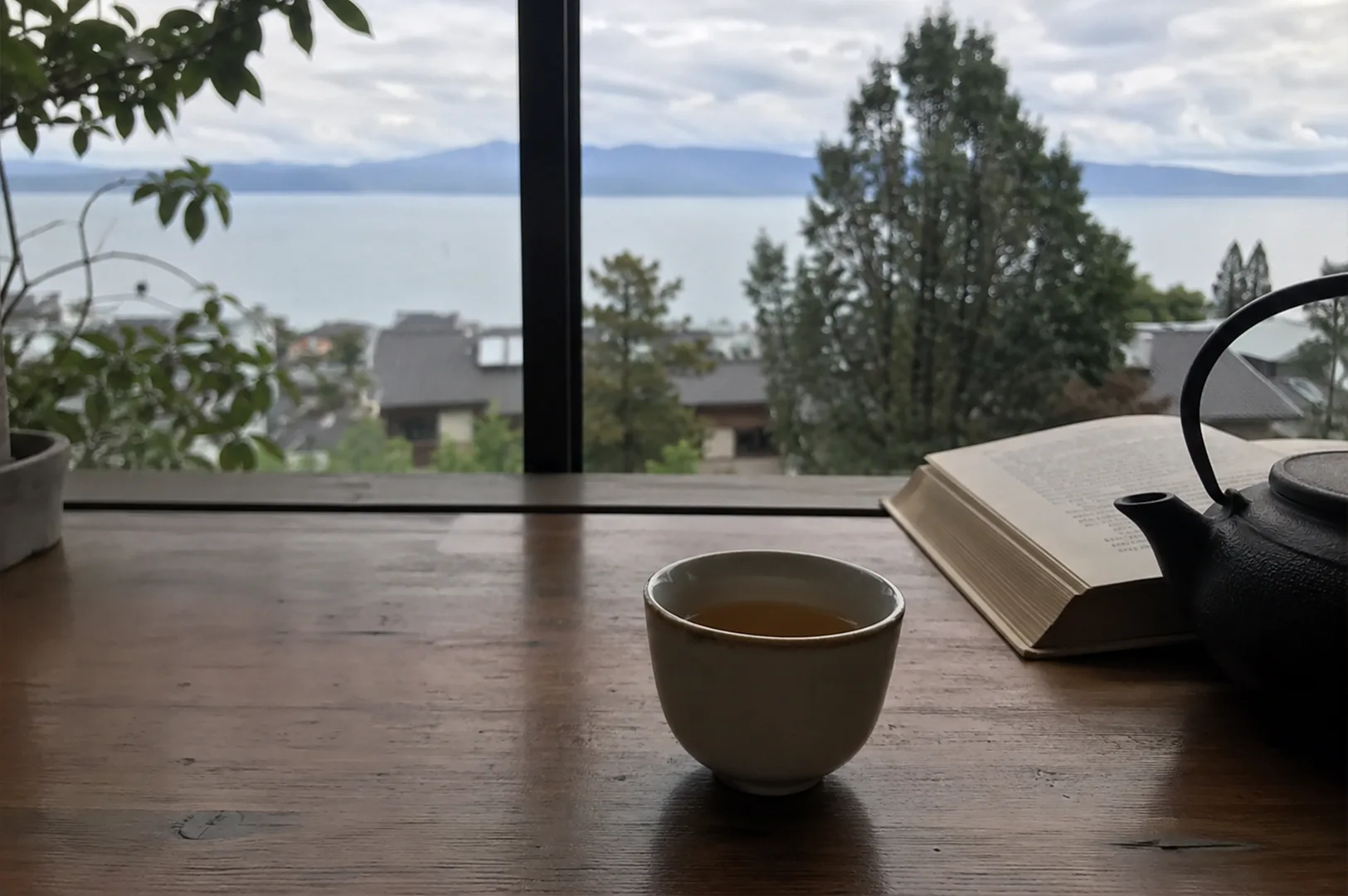
There is one tea I keep for particularly ordinary days. Not a rare or expensive tea, but a humble oolong I discovered years ago. I pour it into a small cup, sit by the window, and watch the world move outside. The tea doesn’t demand attention. It doesn’t ask for ceremony. It simply exists, and in doing so, allows me to exist as well.
I have shared that same tea with friends who were passing through, strangers who lingered longer than planned, family members who needed a quiet hour. Each time, it reminded me that the ritual of tea is less about precision and more about presence.
There are teas I have tasted that were technically perfect, harvested in distant mountains, aged and processed with skill. They were remarkable in their own way, yet they never carried the same comfort as that humble oolong.
Maybe that is the quiet truth about tea: it is rarely about perfection. It is about the moments it accompanies and the memories it quietly gathers along the way.
Sometimes the best cups are not those that impress others, but those that remind you of who you are, where you’ve been, and the quiet corners of life worth savoring.
With quiet regard,
N. P. Lim

Temperature Rules Are Overblown: The Real Brewing Variable Nobody Mentions
I used to think making tea required a thermometer. Not literally, perhaps, but almost. Every tea seemed to have a number attached to it. Green tea at this temperature. Oolong at another. Black tea a little hotter. Too hot and you had apparently ruined everything. For a while, I took these rules quite seriously. Then…
-
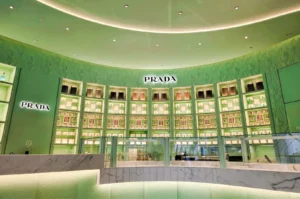
Afternoon Tea at Prada Caffè ION Orchard: A Green Room, a Pale-Blue Cup
Afternoon tea has always been about the pause for me. Not the tiers or the silverware. Just the moment when the cup is set down, the steam rises, and everything outside seems to slow a little. So I wondered what a pause would feel like inside a fashion house. One floor above Orchard Road, past…
-
A Love Letter to Oolong: The In-Between That Changed My Mind
I did not understand oolong when I first encountered it. It seemed unnecessarily complicated. Green tea was green tea. Black tea was black tea. I understood where they stood. Oolong seemed determined to remain somewhere in between. Perhaps that was what initially kept me from appreciating it. Over time, however, I began to realise that…
-
Tea from Assam: The Geography, Craft, and Character Behind the Brew
The colour arrives first. A deep amber that darkens towards red as the tea leaves give up their strength. Then comes the aroma. It is warm and rounded, often compared to malt or the crust of fresh bread. The first sip has weight. It fills the mouth with a rich body and leaves a slight,…
-
Why “No Bitterness” Is a Terrible Goal (And Makes Tea Boring)
I used to think a good tea was supposed to be smooth. No bitterness. No sharp edges. Nothing that made me pause and wonder whether I was doing something wrong. It seemed logical. We naturally gravitate toward things that are easy to enjoy. A tea that is sweet, gentle, and immediately comforting feels like a…
-
Best Tea Brands Singapore: 10 Names Worth Knowing
There’s a small sound I’ve always liked. It’s the soft knock of a teapot lid settling back into place, just before the first pour. It happens at home. It happens in old shophouses and in bright mall boutiques like those in Suntec City. The setting changes, but the pause stays the same. This list is…
-
“Rare” Tea Is Often Manufactured Scarcity: Here’s How to Tell
There is a word in tea that carries unusual power. Rare. It immediately creates curiosity. A rare harvest. A rare batch. A rare tree. A tea that may never return. The suggestion is simple: if something is difficult to obtain, it must be more valuable. Sometimes, this is true. Some teas are genuinely limited because…
-
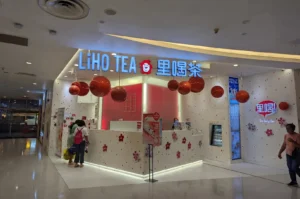
LiHO Tea Singapore: A Greeting You Can Drink
Some words carry a whole childhood inside them. Li ho. I heard it at kopitiam tables, across corridors, from uncles who never waited for a real answer. It meant “how are you,” but it also meant I see you. So when I saw that name on a tea shop sign, somewhere in the middle of…

The Myth of “Perfect” Tea: What I Stopped Chasing
For a long time, I thought I was looking for the perfect tea. I imagined there would be a moment when I found the one. The tea that made every other tea feel unnecessary. The tea I would recommend to everyone. The tea that would finally make me understand what true appreciation was supposed to…
-
Teh O: Understanding the Tea Order Behind the Name
There is a stall near where I grew up that has changed hands twice, but the tea has stayed the same. I still remember the first time I ordered teh o on my own, sometime in my early teens, mumbling the words at the counter and half-expecting to get them wrong. The uncle didn’t blink….