Some afternoons ask for very little.
A pot of tea. A small plate of something sweet. A table near a window, and nowhere urgent to be.
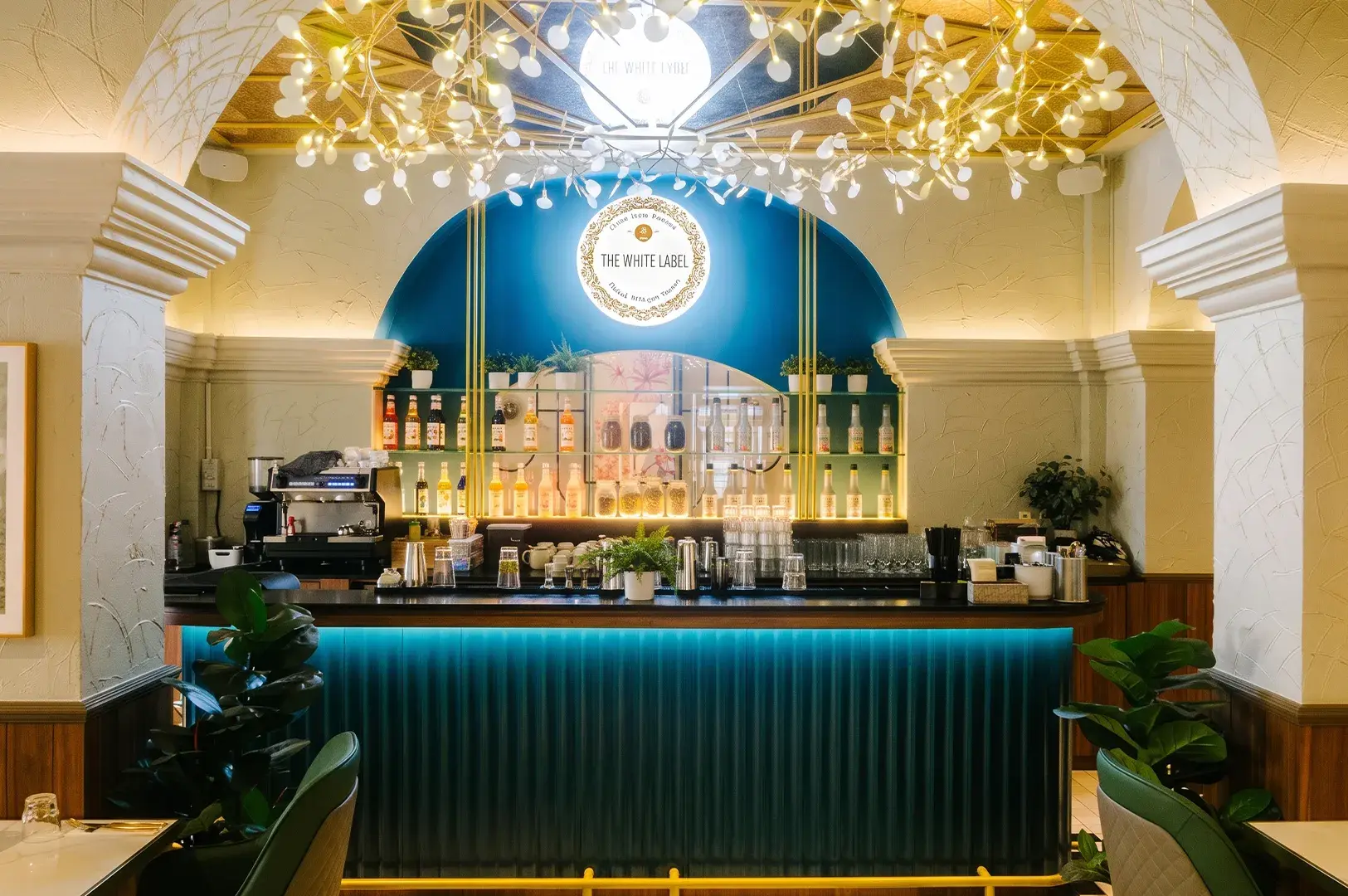
In Singapore, that kind of afternoon has more than one accent. There is the English idea of tea with cakes and sandwiches on tiered stands, and the kopitiam cup beside a slice of kueh. The White Label, a French restaurant in Kampong Glam, brings those traditions into conversation through a French-Malayan point of view.
The White Label Singapore: A Halal French-Malayan Kitchen
The White Label describes itself as a halal French-Malayan restaurant and is Muslim-owned. Its concept pairs French cooking techniques with the bold, aromatic flavours familiar to the Muslim community and Singapore diners. The restaurant's halal status and current certification details are best confirmed directly with the venue before booking.
That pairing matters. Halal French cooking can give families and friends a welcoming way to share a style of dining that may not always feel accessible. The menu has been described as including seafood, pasta, starters and hearty mains, though dishes and availability may change.
The Chef Behind the Menu
The kitchen is led by Chef Nelson, who was born in Singapore. The restaurant says he has spent more than 28 years in French culinary arts and began training at SHATEC in the 1980s.
He reportedly chose cooking over his family's merchant and business trade. A Singapore-born chef trained in French technique, then turning toward flavours of home, gives the French-Malayan idea a personal context rather than making it feel like a passing trend.
Finding The White Label Near Jalan Sultan
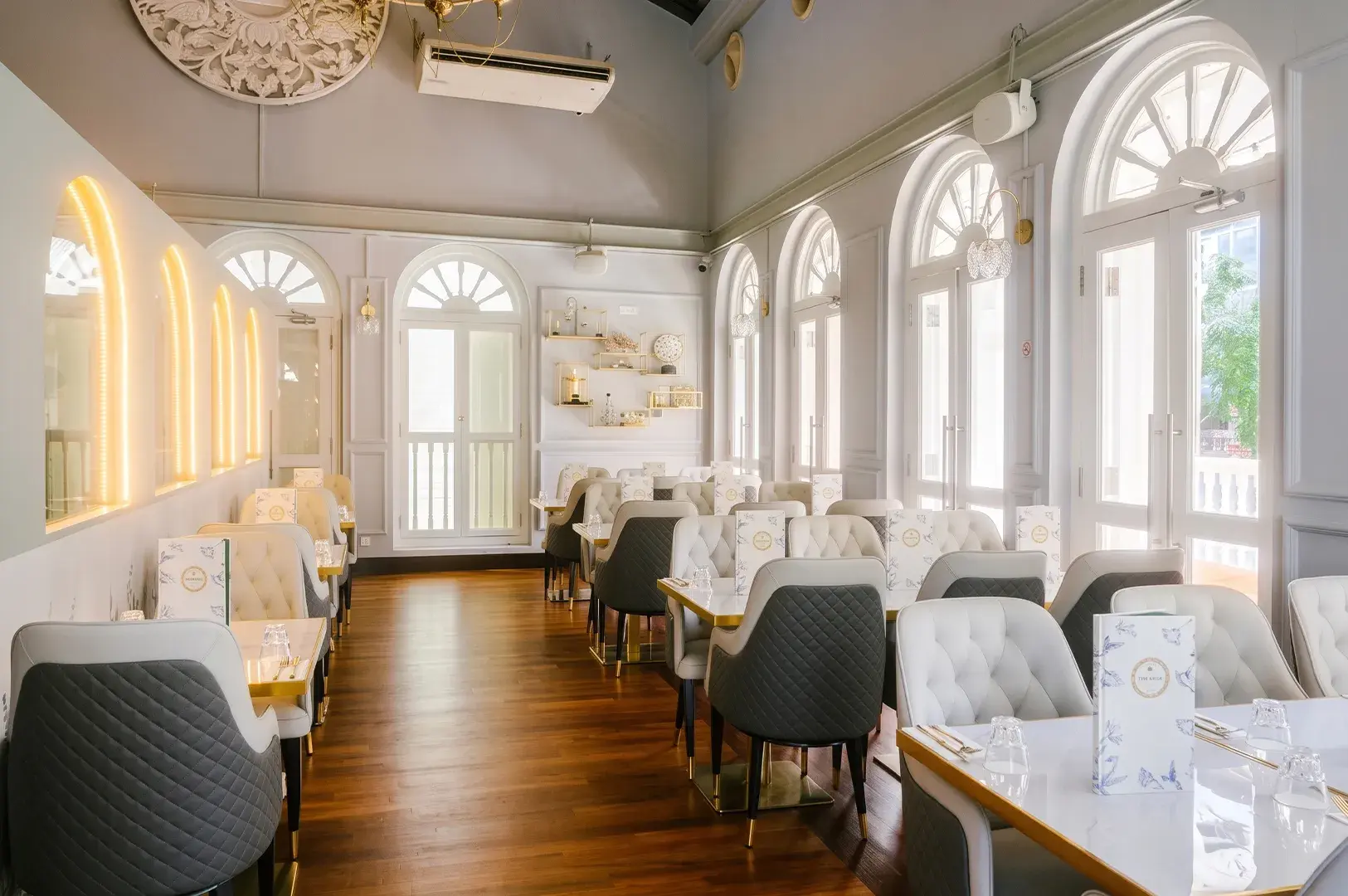
The White Label is associated with The Sultan building in Kampong Glam, near Arab Street, Jalan Sultan and North Bridge Road. The White Label is located at 101 Jalan Sultan, #01-02, The Sultan, Singapore 199002, in Kampong Glam. The restaurant confirms this address on its official website; check the restaurant's own channels for current location and access details before setting out.
The neighbourhood suits a restaurant built around cultural exchange. Kampong Glam has long brought Malay, Arab, Bugis, Javanese and other influences together. Fabric shops, old shophouses and nearby places of worship give the area a distinct character, and a kitchen blending traditions feels at home here.
High Tea, and What the Word Carries
Before looking at the menu, it is worth pausing on the term itself.
In Britain, “high tea” once referred to a heartier evening meal. Over time, especially outside Britain, the phrase came to describe something closer to afternoon tea: small savouries, pastries and pots of tea, often presented on tiered stands.
In Singapore, high tea has its own life, alongside the local afternoon cup with kueh, curry puffs or pandan sweets. A Malayan-inspired tea is not simply a reinvention; it can feel like a meeting of familiar food memories.
The White Label Menu: High Tea Di Malayan
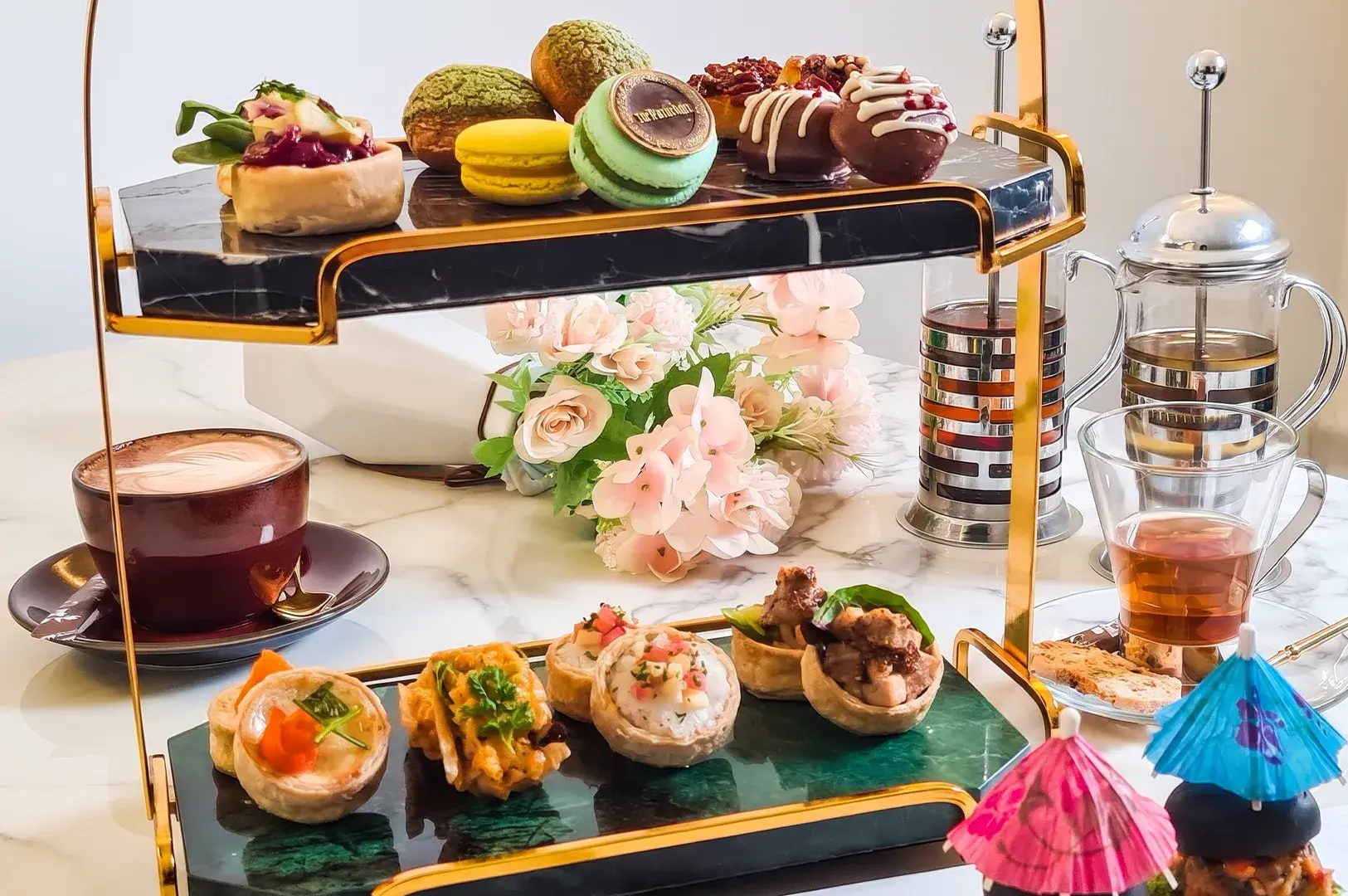
The White Label introduced High Tea Di Malayan in 2022, presenting it as a menu centred on savoury bites with local flavours. The restaurant has since published a newer weekday high-tea menu called Tea de Paris. Its February 2026 menu lists a set for two at S$78++, served Monday to Friday from 2:30pm to 4:30pm.
The selection includes French-style savouries and desserts with local influences, such as Wagyu beef cheek ragù, cempedak choux, yam madeleines and mini ondeh-ondeh cake. Coffee, tea or juice is included. The original High Tea Di Malayan dishes described below should therefore be understood as part of the restaurant's earlier menu history rather than its confirmed current selection.
The dishes described at the time nevertheless offer a sense of the kitchen's approach. They bring recognisable local references into French forms, with attention to texture, seasoning and presentation.
Tart Au “Nasi Lemak”
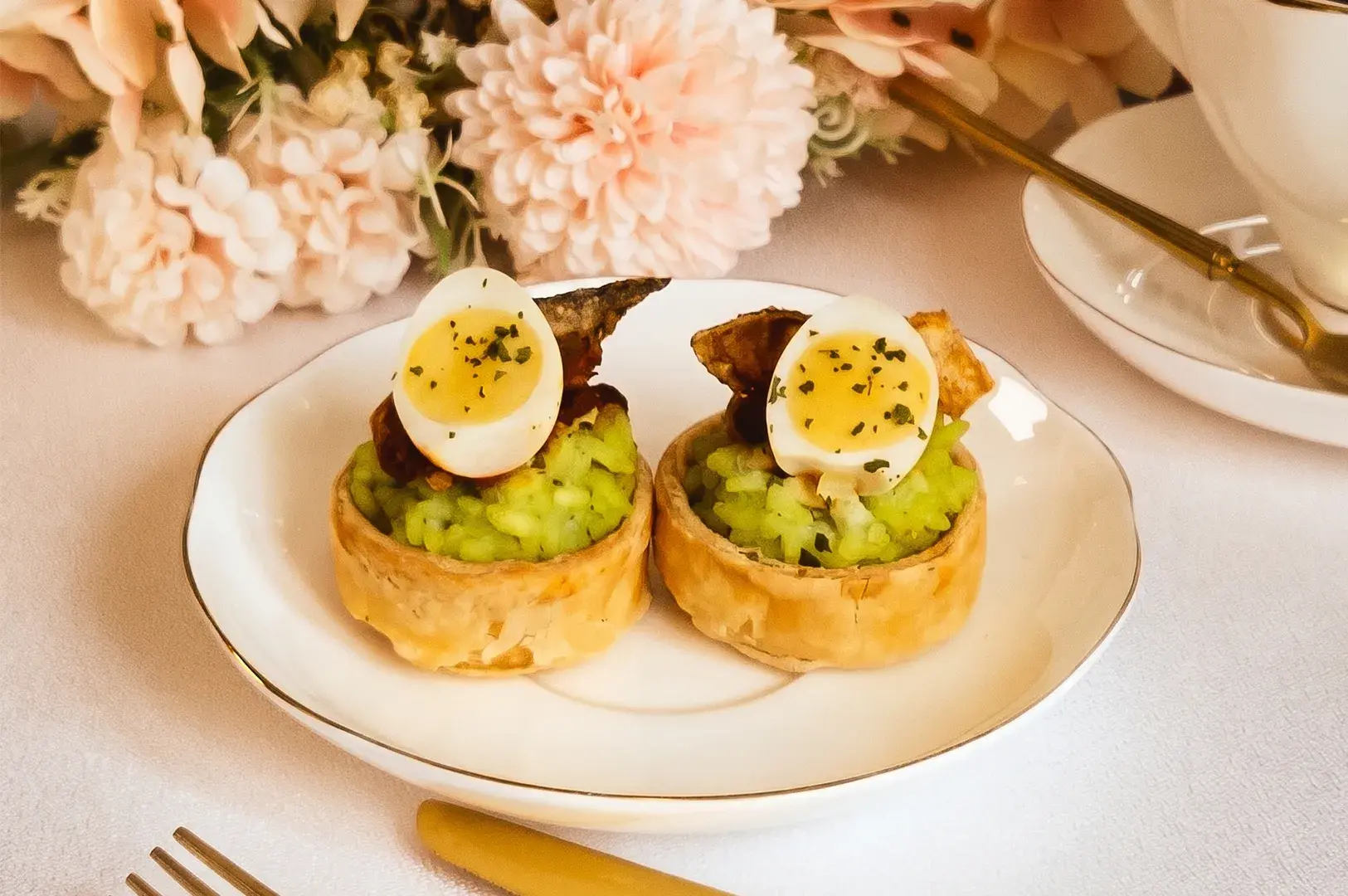
This tart Au Nasi Lemak was described as a crisp shell filled with creamy arborio rice, topped with sambal tumis, a quail egg and dehydrated salmon skin. Arborio rice takes the place of coconut rice, sambal adds heat, and the egg and crisp topping echo familiar nasi lemak accompaniments.
It is a single-bite interpretation of a much-loved meal. Whether the combination achieves a perfect balance in person is something only a visit can tell you, but the idea is considered: each element has a role in the composition.
“Rendang” Aioli with Chilli Crab
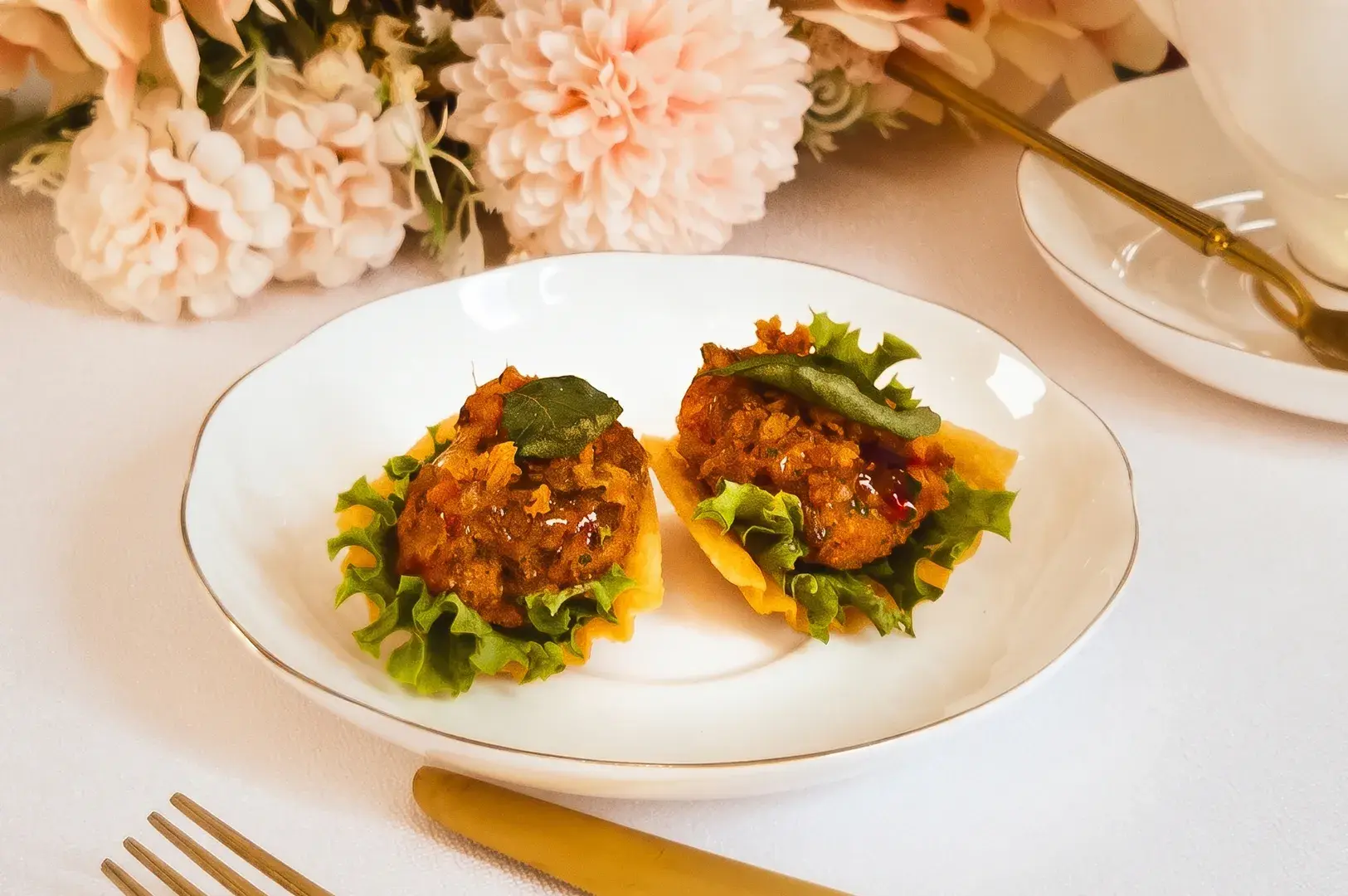
Another described bite pairs sweet crab meat with rendang-spiced aioli in a kueh pie tee shell. The crisp vessel is a familiar local form, while the sauce and filling bring together different culinary references. It sounds like a neat example of the restaurant's cross-cultural style, though current availability should be checked.
“Puteri Salat” Eclair
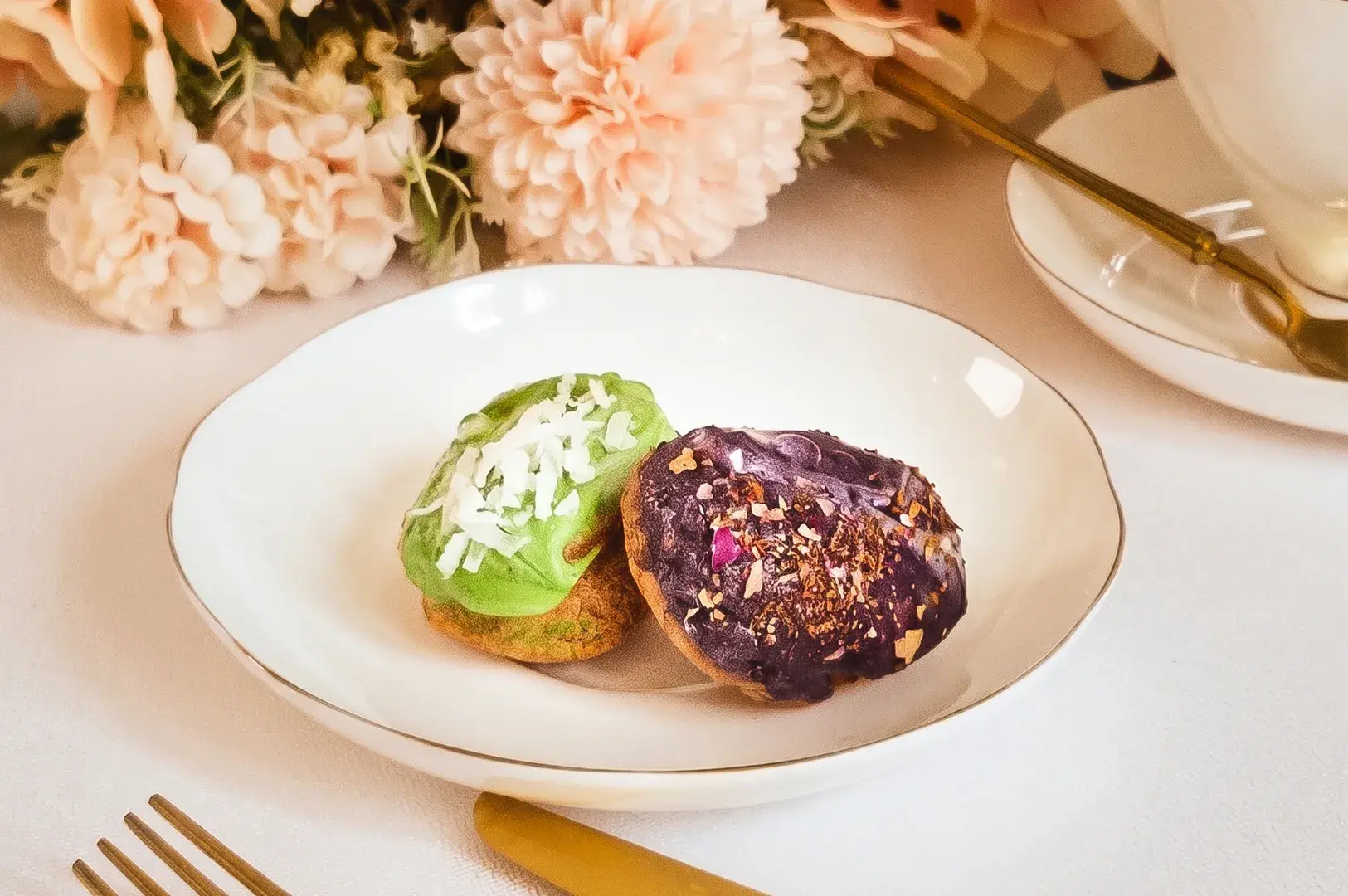
For a sweet course, pandan crème was piped into choux pastry, glazed with pandan custard and finished with shredded coconut. The dessert, named “Puteri Salat,” references seri muka, sometimes called puteri salat, with its familiar combination of glutinous rice and green pandan custard.
Changing the shape while keeping the flavour profile makes this the sort of dessert that may prompt a smile before the first bite. It also shows how a French pastry technique can carry a taste many Singaporeans know from home.
“Orh Nee” Taro Eclair
A second éclair was described as filled with Japanese taro, slowly cooked until smooth. Named the “Orh Nee” Taro Éclair, it reimagines orh nee, the Teochew yam dessert often associated with wedding banquets and family dinners. Recasting the familiar sweet as an éclair offers a gentle nod to memory, although the current menu may differ.
A Note on the Tea and Other Menu Items
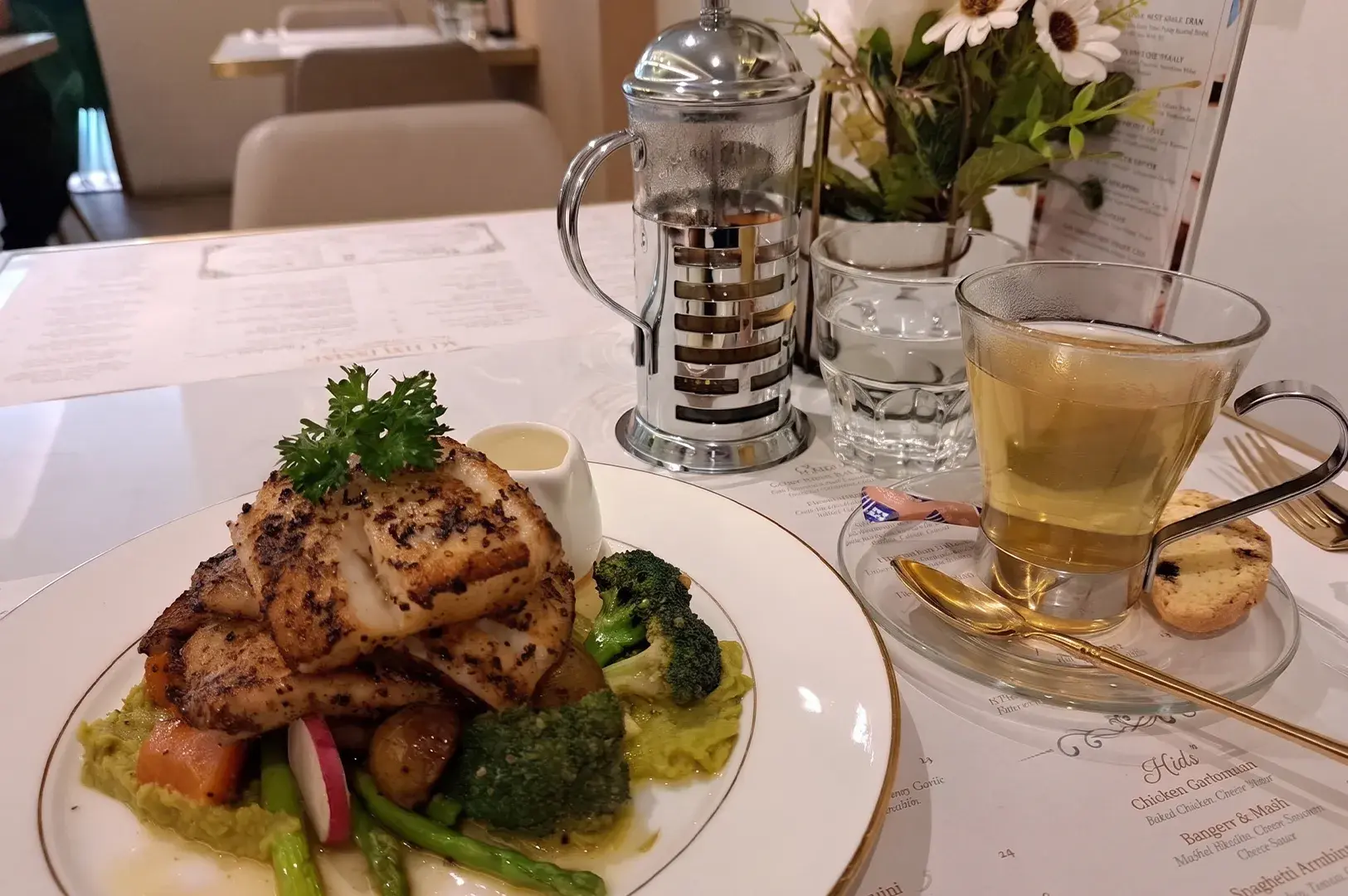
I could not verify the tea selection, so I will not guess at what is brewed. If the drinks matter as much as the food, ask which teas are available and what pairs well with the savoury bites. The same applies to any current brunch or high-tea service.
Other dishes mentioned in restaurant and dining listings include harissa hummus, chicken liver pate, fresh oysters, Forty Garlic Chicken, Wagyu Beef Bourguignon, macaroni au gratin, lobster bisque and a herb crusted lamb rack. Some listings also mention chunky grilled tiger prawns, TWL truffle fries, TWL vol au vent, TWL prawn pappardelle, squid ink spaghetti, short ribs bourguignon and a lobster bisque reduction. These are examples of reported menu items, not a guarantee that each is currently available.
The broader menu references suggest a range of French-style comfort food: soup, seafood, lamb and pasta, with ingredients such as garlic, butter and truffle oil. Descriptions have also included mashed potatoes and pappardelle cooked with a rich sauce.
The Weekend Trolley Buffet
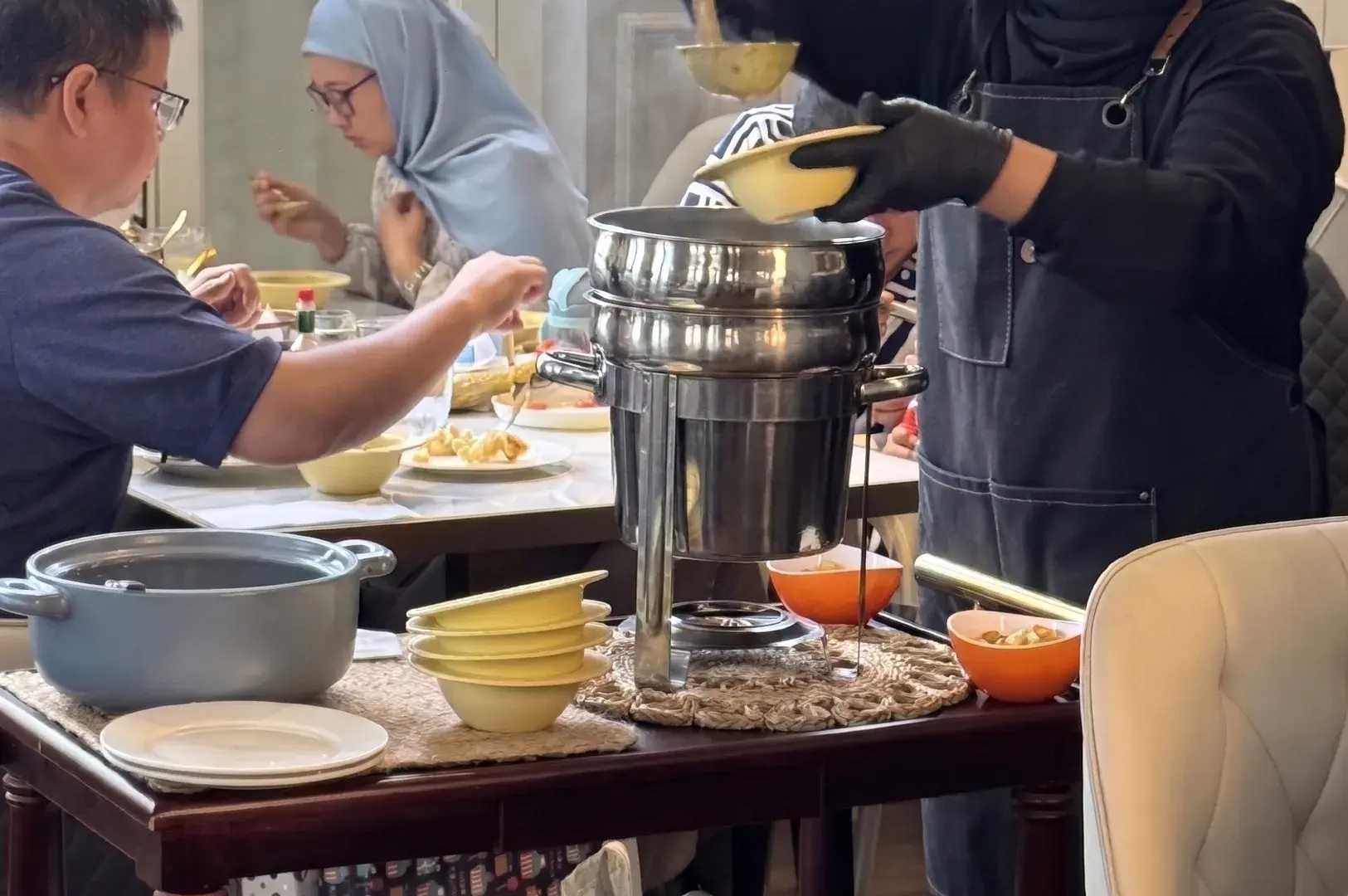
The White Label currently advertises its Weekend Trolleys Buffet on Saturdays and Sundays. Instead of guests collecting dishes from a conventional buffet counter, food is served tableside from trolleys, with a selection of French comfort food incorporating Malayan flavours.
The restaurant's published price is S$49++ per adult and S$15++ for children aged six to twelve, with children under six dining free. Its booking information lists seatings at noon and 2:30pm, although the website contains inconsistent timing information. Confirm the latest schedule, menu and availability directly before reserving.
One account places the buffet on the second floor of The Sultan hotel and describes six individual trolleys. Another lists seven parts: starters, salad and soup, carbs, sea, meats, carving and sweets. Details, including seatings, price per person and availability, can change, so confirm them directly. Reports have mentioned complimentary fresh oysters and a coconut banana crumble among the dishes, but those should also be checked against the current offering.
There is something appealing about a meal that arrives at the table, especially for a slow weekend with loved ones. It can make a buffet feel more personal, while helping diners stay seated and enjoy the spread at their own pace.
Service, as the Concept Suggests It
I cannot speak to how any particular meal was served. What I can note is the shape of the experience described by the restaurant: trolley service calls for staff to move between tables, while a high tea built from layered bites can invite conversation about the food.
Both concepts suggest a more attentive style than self-service, but the experience on any given day is for diners to judge. If you need accessibility information, seating preferences or a quieter room, contact the restaurant in advance.
Practical Notes Before You Go
Here is what I could establish from available descriptions:
- Cuisine: French-Malayan; the restaurant describes itself as halal and Muslim-owned.
- Area: Kampong Glam, around Arab Street and Jalan Sultan; verify the current address directly.
- Weekend trolley buffet: Described as a Saturday and Sunday service; confirm current times, price and menu.
- Menu: Items and prices may change, so ask about availability, dietary needs and drinks before visiting.
If you are planning brunch or an occasion, a quick message or call can help confirm whether the relevant service is running and whether a booking is needed. This is especially useful if you are visiting with family or a group.
The Verdict on The White Label
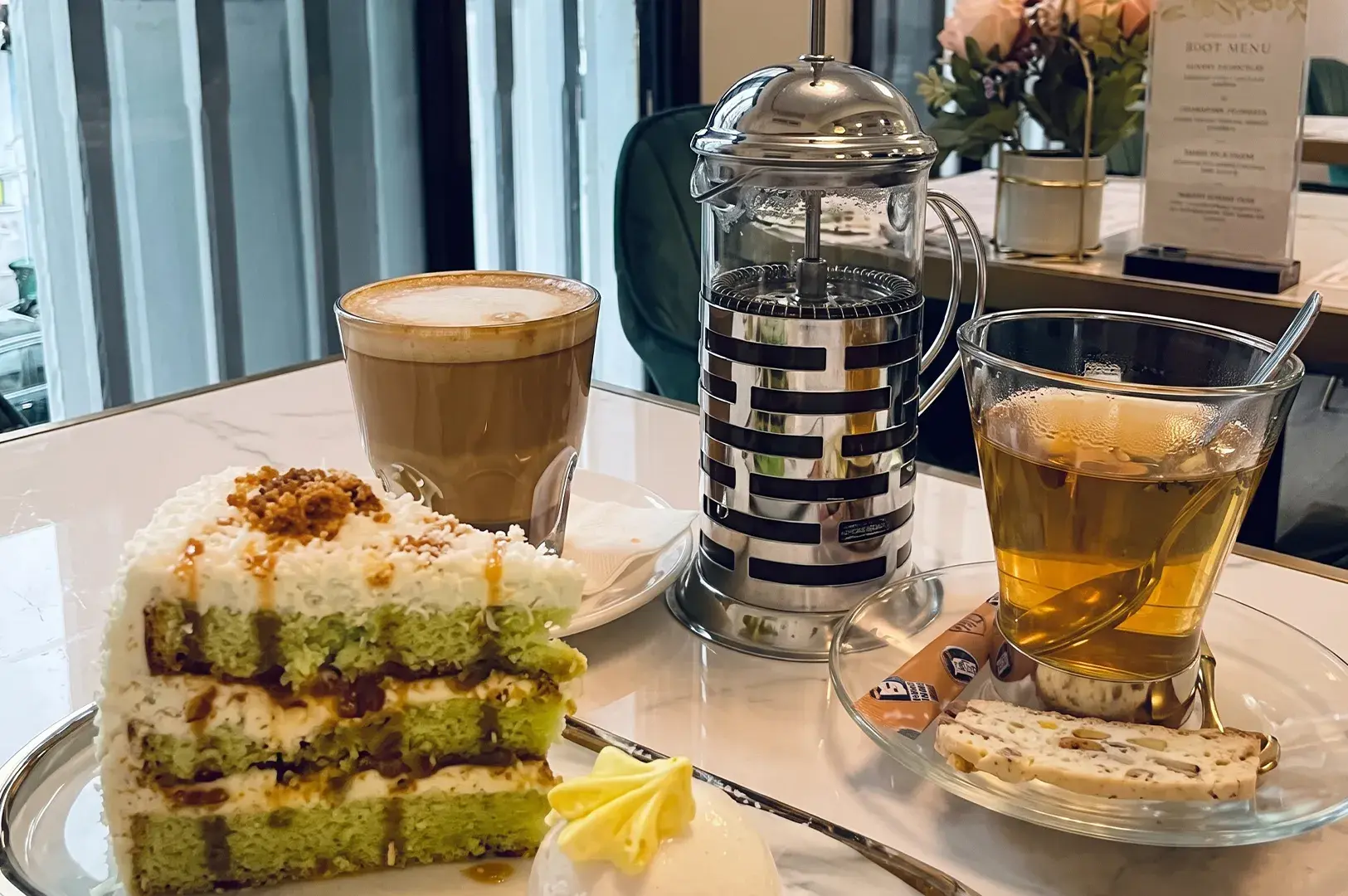
What stays with me is the thinking behind the dishes described: nasi lemak interpreted as a tart, rendang aioli served in pie tee, and seri muka and orh nee translated into éclairs. Each starts with a familiar Singaporean flavour and asks what else it might become.
That approach will not please everyone. Some diners will prefer nasi lemak on a banana leaf and orh nee in a bowl, and that is fair. But for people curious about how a halal French restaurant can speak with a local accent, The White Label offers an intriguing idea to explore.
It may suit families who keep halal high teas, friends marking a small occasion, or tea lovers who enjoy seeing familiar flavours presented in a new form. Go with an open mind, ask what is on the menu that day, and let the first bite bring its own story.

The Timeless Charm of Tea Culture Through English Breakfast Singapore
There is a small ritual I return to on the warmest Singapore afternoons. The city outside shimmers with heat, the air conditioning hums softly, and I reach for a familiar tin of English Breakfast tea. The kettle clicks, steam rises, and within a minute or two the kitchen fills with a warm, malty aroma that…
-
The Tea That Reminds Me of Home
I still remember the first cup of tea I drank after returning from a long trip. It was nothing remarkable, a simple black tea brewed in my kitchen but it tasted different from any cup I had drunk abroad. It wasn’t the leaves themselves. It wasn’t the water or the pot. It was the familiarity…
-
A Tea Lover’s Honest Review of Gryphon Tea Company Singapore
There is a particular hush that settles over my kitchen on a weeknight, after the dishes are done and the day finally loosens its grip. That is when I open a new box of tea from Gryphon Tea Company Singapore. Last week, the box belonged to Gryphon Singapore, and the moment I lifted the lid,…
-
Why Tea Can Teach Us About Mindful Consumption
I’ve been thinking a lot about waste lately. Not just the kind we notice-the piles of packaging, leftover food, discarded cups-but the quiet, everyday kind: the tea leaves left unused, the leaves steeped once and thrown away, the water poured down because the cup is “not perfect.” Tea has a way of making you notice…
-
Why We Secretly Judge Tea Shops by Their Music
I never thought much about music in tea shops, until I started noticing patterns. The tea is brewed, the cups are warm, and the aroma drifts through the room. But then the music starts, and suddenly, the entire experience changes. Some shops play classical or soft jazz. Conversations linger. Sips are slow. Even the tea…
-
The Best Everyday and Gift-Worthy Blends from Gryphon Tea Singapore
I have a small confession. For the longest time, I treated tea like a background character in my day. It was just the thing I gulped between meetings, barely tasting it. Then a friend handed me a proper cup one quiet afternoon, and I finally slowed down enough to notice the aroma, the warmth, the…
-
We Talk Too Much About Tea and Not Enough About Drinking It
Tea culture has become remarkably good at talking about tea. We discuss origins. Elevation. Harvest seasons. Processing methods. Water temperatures. Brewing vessels. There are endless conversations about tea. And yet I sometimes wonder whether we spend enough time simply drinking it. This may sound like an odd criticism coming from someone who enjoys learning about…
-
High Tea St Regis: A Grand Afternoon Ritual at Regis Singapore
The light in the late afternoon does something quiet to a room. It softens. It lingers on the rim of a porcelain cup in the elegant Tea Room, slides along the curve of a silver pot, and settles into the folds of a linen napkin without asking for attention. There is a stillness here, the…
-
Why We Keep Looking for the Perfect Tea
I used to think there would be a moment when my tea journey felt complete. A tea so good that I would stop searching. A tea that would make every other tea feel unnecessary. Years later, I can confidently say that moment has never arrived. And I’m starting to think that’s the point. Tea drinkers…
-
Darjeeling First Flush: Capturing the Himalayan Spring in a Teacup
I still remember the first time someone handed me a cup of Darjeeling First Flush, a prized form of black tea, and asked me, quite seriously, not to add milk. I almost laughed. Tea without milk felt like toast without butter. But I humored my friend, took a sip, and paused. The liquid was pale…