Introduction
Across centuries of Chinese culture, tea has held a place of quiet importance. It appears in homes, markets, and tea houses across China, where the simple act of sharing a cup reflects patience, hospitality, and tradition. For many people, Chinese tea is not only a beverage. It is a moment of reflection and a way to slow down.
Although tea may appear simple at first glance, the world of types of Chinese tea is remarkably diverse. From delicate white teas to deep and earthy pu’er, each tea reveals how the handling of a single leaf can shape flavour, aroma, and colour.
All traditional tea varieties come from the same plant, Camellia sinensis. What creates the diversity of flavours is the production process, which determines how the tea leaves are heated, oxidised, rolled, or aged. Over centuries, tea makers in China developed a system that classifies tea into six categories, commonly known as the six types of Chinese tea.
Understanding these tea types helps explain why one cup feels fresh and light while another tastes roasted, creamy, or earthy. It also reveals the deep craftsmanship behind one of the world’s most respected drinks.
The Six Types of Chinese Tea at a Glance
Traditional Chinese tea classification recognises six types of tea. Each type reflects a different balance of oxidation, heating, and fermentation.
The six categories are:
- Green tea
- White tea
- Yellow tea
- Oolong tea
- Red tea (known as black tea in the West)
- Dark tea
Each type begins with the same tea leaves, harvested from the tea bush. What follows in the production process determines the character of the final tea.
These main categories form the foundation of traditional Chinese tea culture, allowing tea drinkers to explore a wide spectrum of flavours and aromas.
Green Tea: Fresh and Vibrant
Green Tea
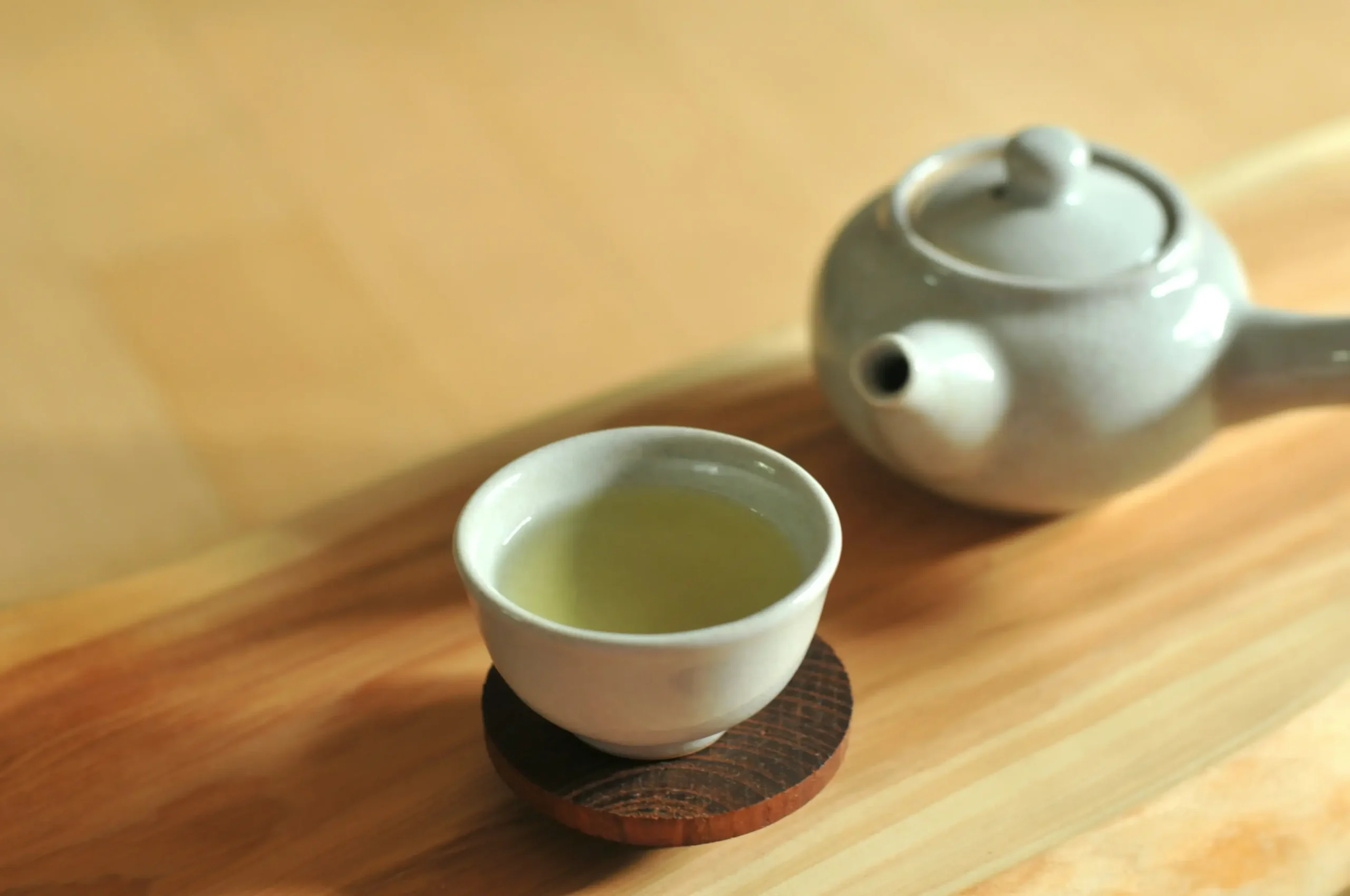
Among the most well known types of Chinese tea, green tea is valued for its bright and refreshing character.
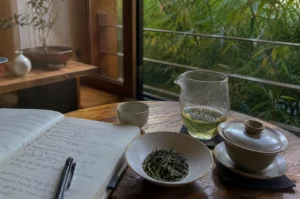
After harvest, the leaves are quickly heated to stop oxidation, which preserves their green colour and fresh flavour. In China, this heating is often done by pan firing, though some teas are gently steamed.
Because green tea undergoes minimal oxidation, its flavour is often described as clean, slightly grassy, and lively.
Some of the most famous Chinese teas belong to this category:
- Bi Luo Chun – a delicate tea known for its floral fragrance
- Dragon Well (Longjing) – smooth, slightly nutty, and highly respected
- Huangshan Maofeng – light with gentle sweetness
Green tea is often brewed multiple times, allowing tea drinkers to enjoy multiple infusions from the same leaves.
White Tea: Simplicity and Minimal Handling
White Tea
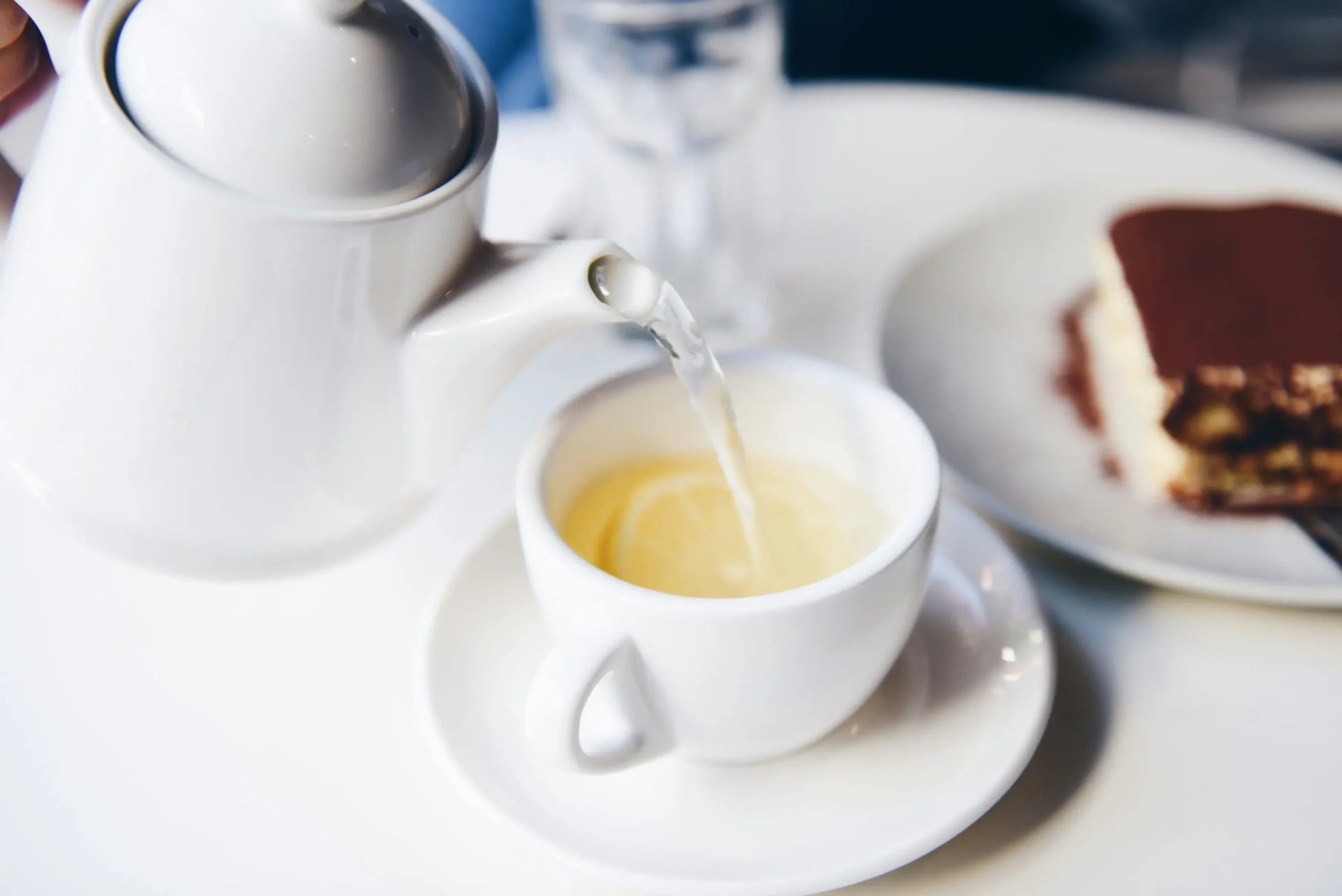
White tea represents one of the most delicate tea types in China.
Unlike many other teas, white tea undergoes minimal handling. The leaves and buds are simply harvested and allowed to dry naturally. This gentle approach preserves the natural sweetness of the leaf.
Many white teas are made from one bud or young leaves covered with fine silvery hairs.
Two famous varieties include:
- Silver Needle – made almost entirely from young buds
- White Peony – a tea made from buds and leaves that produces a soft floral taste
White tea is appreciated for its light body and subtle aroma. The brewed colour is pale and luminous, reflecting the tea’s delicate character.
Oolong Tea: The Craft of Partial Fermentation
Oolong Tea
Few teas demonstrate the skill of tea makers as clearly as oolong tea.
Oolong leaves are lightly fermented, placing them between green tea and fully oxidised teas. This partial oxidation creates remarkable diversity in flavour.
Some oolongs are light and floral. Others are darker and roasted.
Notable examples include:
- Da Hong Pao, also known as Big Red Robe, a famous roasted tea
- Fujian oolong tea grown in the Wuyi Mountains
- Taiwanese oolong teas known for creamy and floral aromas
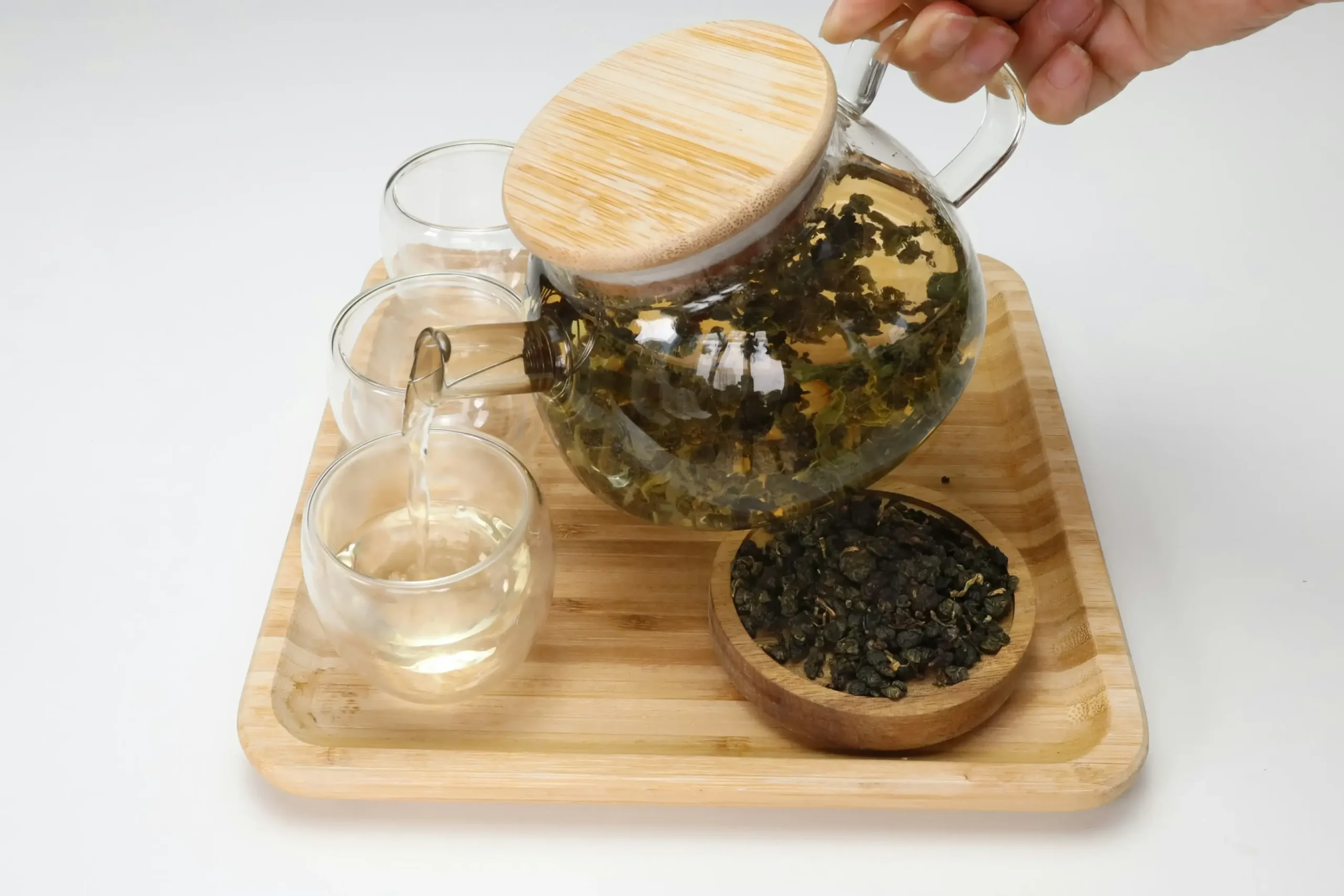
When brewed, oolong leaves slowly unfurl in the teapot. Many oolong teas are enjoyed through multiple infusions, revealing layers of flavour over time.
Red Tea: Known Globally as Black Tea
Red Tea
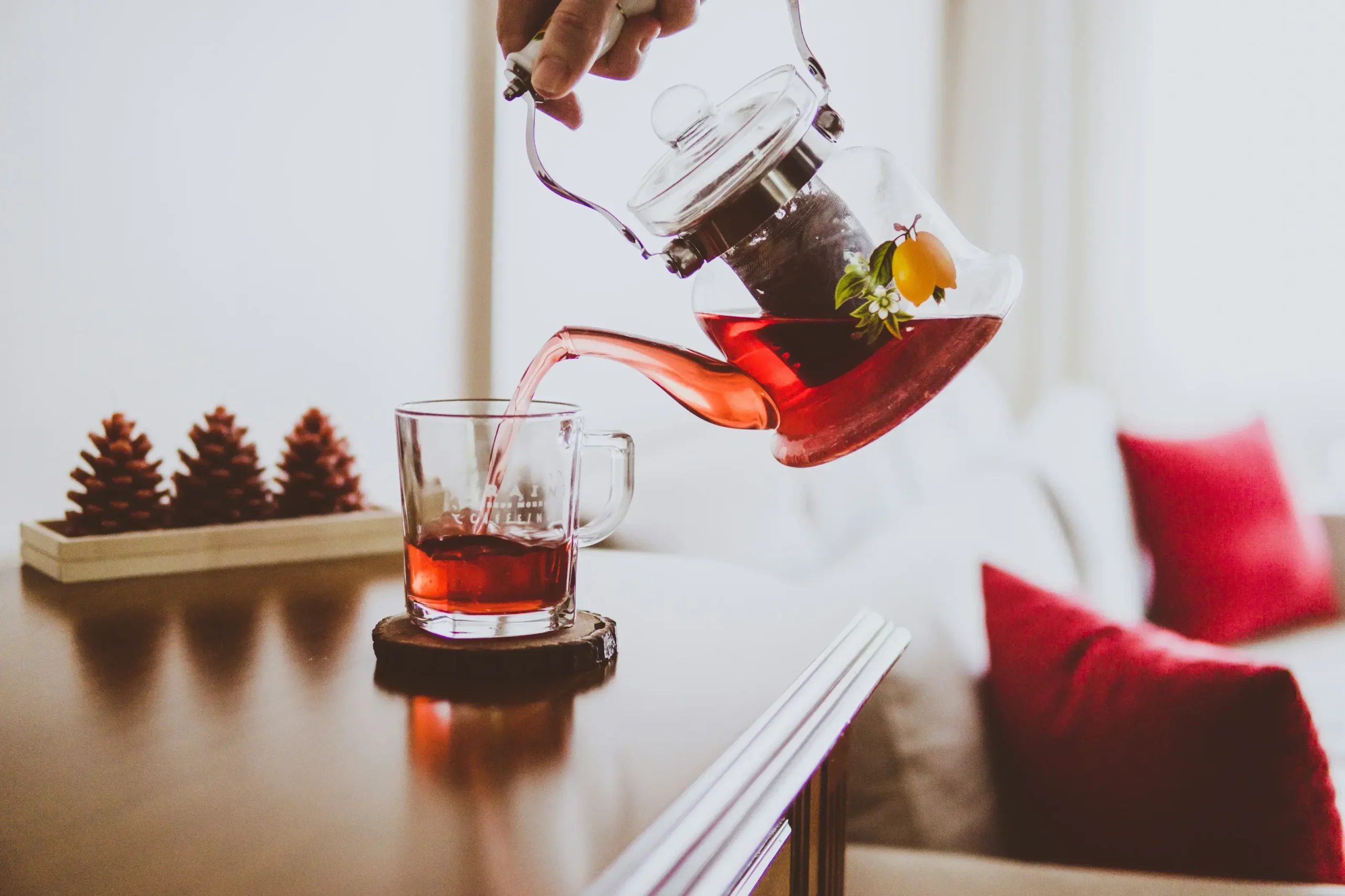
In Chinese classification, red tea refers to what the Western world calls black tea.
The name comes from the warm reddish colour that appears in the cup. During the production process, the leaves are fully oxidised, which creates deeper flavours and darker tones.
Examples of Chinese red tea include:
- Lapsang Souchong, known for its smoky aroma
- Keemun, a tea prized for its smooth character
Red tea often produces a rich, slightly sweet flavour that pairs well with food or morning drinking.
Yellow Tea: Rare and Carefully Crafted
Yellow Tea
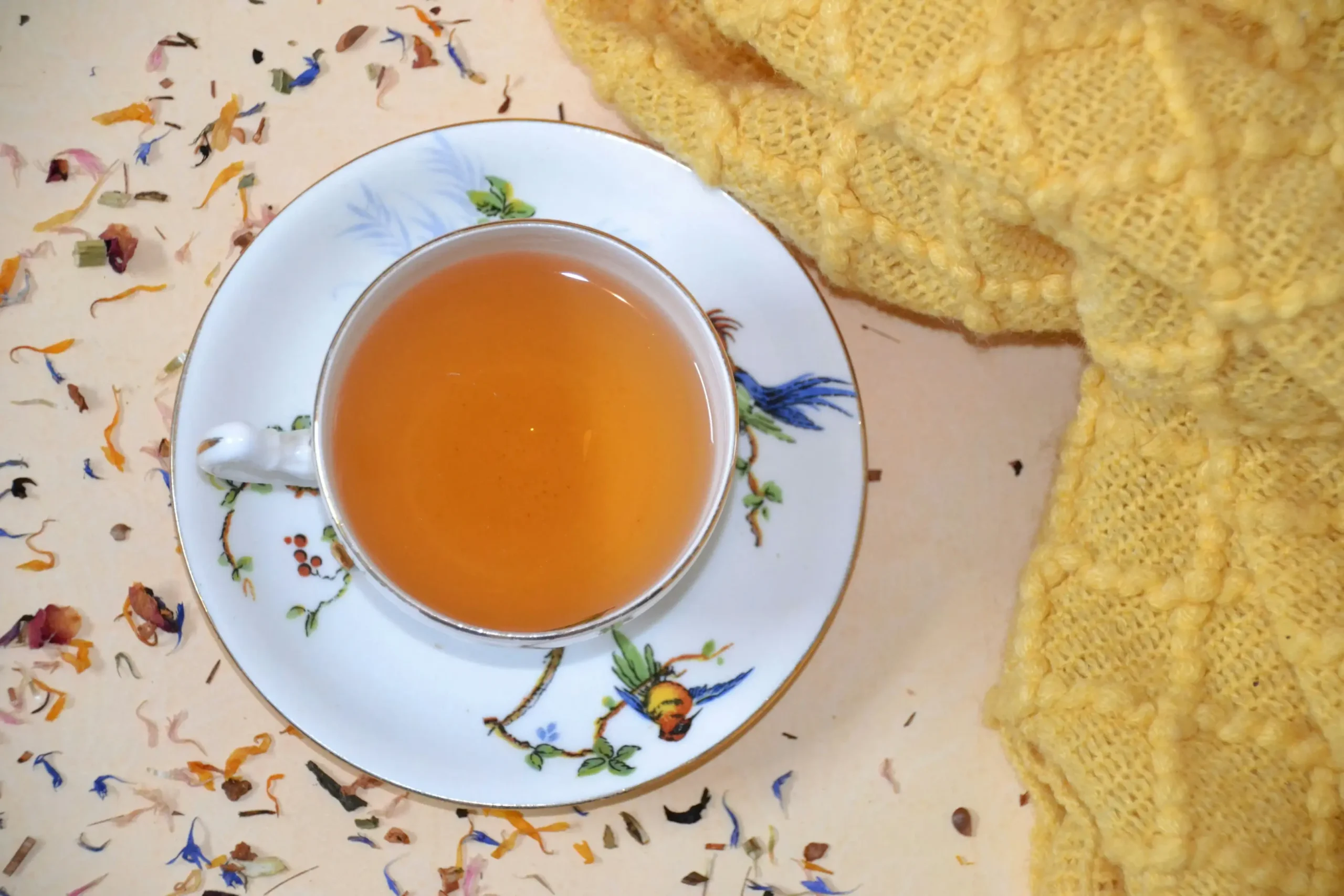
Among the six types of Chinese tea, yellow tea is one of the rarest.
Its production involves an additional stage known as sealed yellowing. After heating, the leaves are gently wrapped, allowing them to mellow before drying.
This process softens the grassy character often found in green tea and creates a smoother taste.
Yellow tea is less common outside China, but it remains an important part of traditional tea craftsmanship.
Dark Tea and the World of Pu’er
Dark Tea
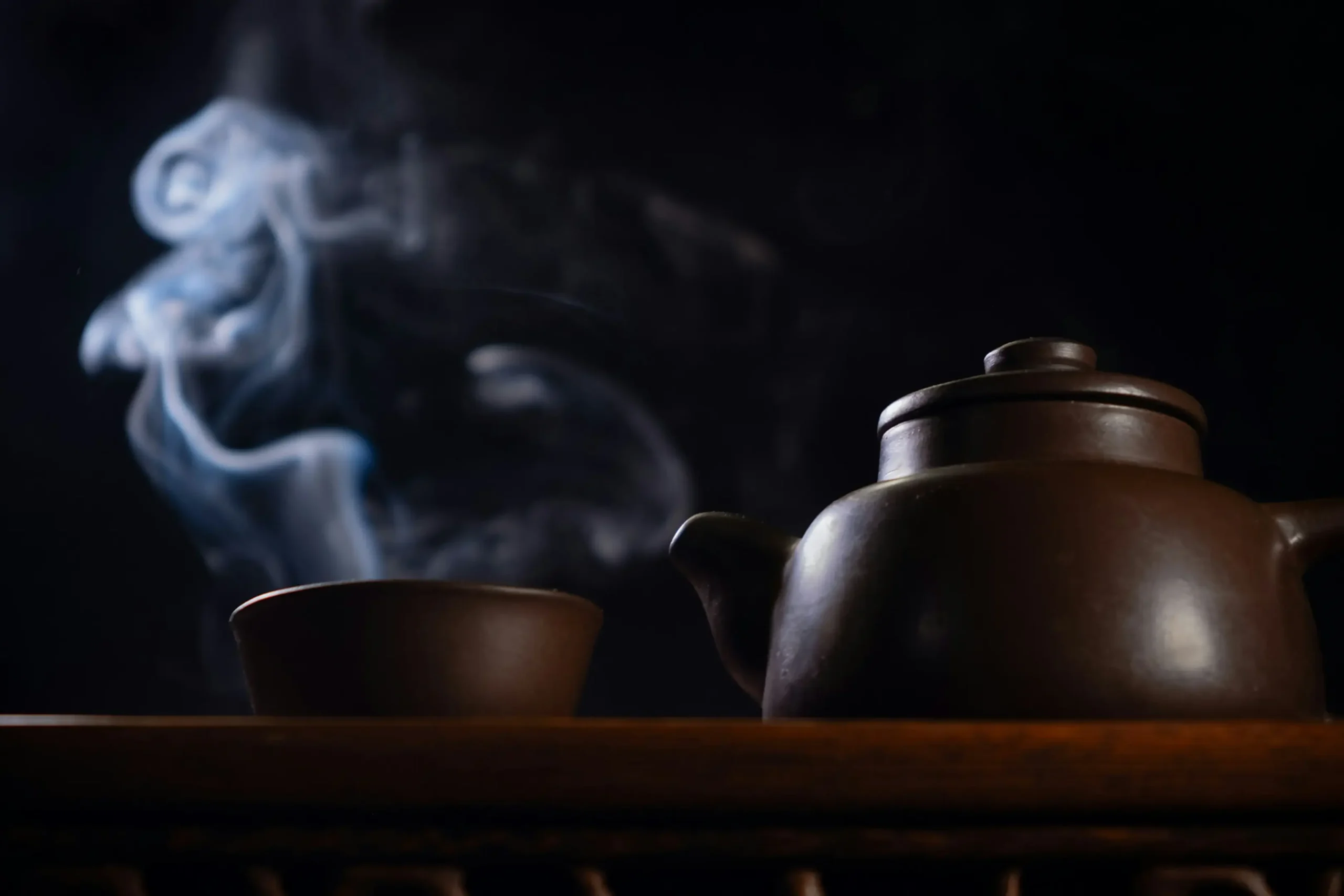
The final category in the six types of Chinese tea is dark tea.
Unlike other teas, dark tea undergoes microbial fermentation after processing. This makes it a post fermented tea.
The most famous example is Pu’er tea, produced mainly in Yunnan Province. Many pu’er teas come from ancient tea trees growing in regions such as Yiwu Mountain.
Key characteristics of dark tea include:
- Colour: deep reddish to dark brown
- Flavour: earthy, smooth, and aged
- Production: microbial fermentation and aging
Pu’er tea is often pressed into cakes and aged over time. With proper storage, the flavour becomes deeper and more complex.
Chinese Tea Culture and Tea Appreciation
Understanding the types of Chinese tea also means appreciating the cultural traditions surrounding tea.
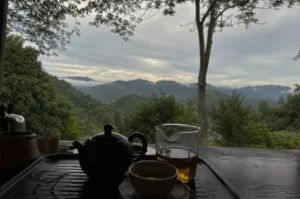
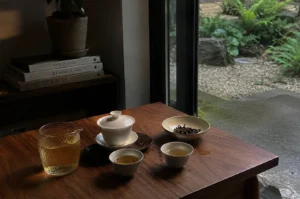
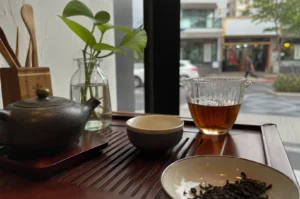
In many tea houses across China, tea is served slowly and thoughtfully. Visitors sit around wooden tables while tea is brewed in clay teapots and poured into small cups.
Places such as Yixing Xuan Teahouse demonstrate this quiet ritual of tea appreciation.
Tea drinking here is not rushed. Each infusion allows the drinker to notice subtle changes in aroma, colour, and taste.
This approach reflects a broader idea in Chinese tea culture. Tea is not simply consumed. It is experienced.
The Journey From Tea Trees to the Cup
Every cup of Chinese tea begins in the fields where tea trees grow.
Farmers harvest young leaves from the tea bush, often during early spring. From there, the production process transforms the leaf through heating, rolling, oxidation, or fermentation.
The result is a wide world of flavours that emerge from the same plant.
From the freshness of green tea to the deep earthiness of pu’er, the six types of Chinese tea reveal the remarkable diversity that can emerge from a single leaf.
For tea lovers, learning about these tea types adds depth to every cup. It turns an everyday drink into a quiet journey through tradition, craft, and the landscapes where tea first took root.

The Best Everyday and Gift-Worthy Blends from Gryphon Tea Singapore
I have a small confession. For the longest time, I treated tea like a background character in my day. It was just the thing I gulped between meetings, barely tasting it. Then a friend handed me a proper cup one quiet afternoon, and I finally slowed down enough to notice the aroma, the warmth, the…
-
We Talk Too Much About Tea and Not Enough About Drinking It
Tea culture has become remarkably good at talking about tea. We discuss origins. Elevation. Harvest seasons. Processing methods. Water temperatures. Brewing vessels. There are endless conversations about tea. And yet I sometimes wonder whether we spend enough time simply drinking it. This may sound like an odd criticism coming from someone who enjoys learning about…
-
High Tea St Regis: A Grand Afternoon Ritual at Regis Singapore
The light in the late afternoon does something quiet to a room. It softens. It lingers on the rim of a porcelain cup in the elegant Tea Room, slides along the curve of a silver pot, and settles into the folds of a linen napkin without asking for attention. There is a stillness here, the…
-
Why We Keep Looking for the Perfect Tea
I used to think there would be a moment when my tea journey felt complete. A tea so good that I would stop searching. A tea that would make every other tea feel unnecessary. Years later, I can confidently say that moment has never arrived. And I’m starting to think that’s the point. Tea drinkers…
-
Darjeeling First Flush: Capturing the Himalayan Spring in a Teacup
I still remember the first time someone handed me a cup of Darjeeling First Flush, a prized form of black tea, and asked me, quite seriously, not to add milk. I almost laughed. Tea without milk felt like toast without butter. But I humored my friend, took a sip, and paused. The liquid was pale…
-
What Kopi and Tea Say About Singapore
One of the things I love most about Singapore is that we never really chose between kopi and tea. We kept both. Walk into almost any hawker centre or coffee shop and you’ll see it immediately. One person orders kopi-o. Another asks for teh-c. Someone else is drinking Chinese tea from a flask they brought…
-
The Tea We Keep Saving for Later
Many tea drinkers have a tea they are saving. A special oolong purchased during a memorable trip. A rare tea gifted by a friend. A tea that feels too valuable, too limited, or too meaningful to drink casually. So it waits. Days become weeks. Weeks become months. The tea remains carefully stored while more ordinary…
-
Earl Grey Tea Benefits: What Is Earl Grey Tea and Why Has It Endured for Centuries?
Introduction Few teas are as instantly recognisable as Earl Grey tea. Even among people who do not regularly drink tea, the distinctive citrus aroma of Earl Grey often feels familiar. It appears in tea shops, cafés, afternoon tea menus, and kitchen cupboards around the world, yet many people still ask the same question: what is…
-
Can You Call Yourself a Tea Lover If You Don’t Like Matcha?
I have a confession. I don’t think every tea lover needs to love every tea. That sounds obvious when written down, but spend enough time around tea enthusiasts and you may start to think otherwise. Someone discovers that you enjoy tea. The questions begin. Do you drink green tea? What about pu-erh? Have you tried…
-
Is Tea Acidic? Understanding Tea Acidity and What It Means for Tea Drinkers
One of the most common questions among both new and experienced tea drinkers is surprisingly simple: is tea acidic? The answer is yes, but the reality is far more nuanced than a simple yes or no. Most teas fall on the mildly acidic side of the pH scale, yet they are generally far less acidic…